Category Archives: Smart Living

Tech Tools to Elevate Personal Development

Discover how modern technology can revolutionise personal development, offering tools and apps for growth, mindfulness, and a more fulfilling life.
Have you ever wondered how technology can help you unlock your full potential? In today’s fastpaced world, personal development is more important than ever. With modern technology, there are countless ways to enhance your growth journey. From mindfulness apps to productivity tools, tech is reshaping how we improve ourselves. Let’s explore how to leverage these innovations for a more fulfilling life.

Embracing Mindfulness through Apps

Mindfulness is a key component of personal development, offering numerous benefits for mental health and overall wellbeing. Thankfully, technology has made mindfulness accessible to everyone, regardless of their schedule or experience level. Apps like Headspace and Calm provide guided meditations, sleep stories, and breathing exercises, making it easy to incorporate mindfulness into your daily routine.

Moreover, these apps often feature reminders and prompts to encourage consistency, helping users develop a regular mindfulness practice. With a smartphone in hand, you can pause and centre yourself, whether you’re at home or on the go. As a result, you’ll find it easier to manage stress, increase focus, and cultivate a more positive mindset.

Boosting Productivity with Smart Tools

In the realm of personal development, boosting productivity is a top priority for many. Technology offers a plethora of tools designed to enhance focus and maximise efficiency. Apps like Todoist and Trello are perfect for managing tasks and projects, while tools like Forest help maintain concentration by gamifying the experience.

Smart devices also play a crucial role in enhancing productivity. For example, voiceactivated assistants like Amazon Alexa or Google Assistant can set reminders, answer questions, and even control your smart home devices, streamlining your daytoday tasks. By integrating these tools into your routine, you’ll have more time and energy for activities that truly matter.

Learning and Skill Development

With the vast amount of information available online, technology has turned the world into a classroom. Platforms like Coursera, Khan Academy, and Duolingo offer free or affordable courses on a wide range of subjects, allowing individuals to learn new skills and gain knowledge at their own pace.

Engaging in continuous learning not only enhances your personal development but also opens up new career opportunities. Whether you’re exploring a new hobby, such as coding or photography, or seeking to advance professionally, these platforms provide the resources needed to achieve your goals. The convenience of online learning ensures that education is accessible anytime, anywhere.

Achieving WorkLife Balance with Tech

Balancing work and personal life is essential for overall wellbeing, yet it’s often a challenge for many. Fortunately, technology can help achieve this balance. Tools like Slack and Zoom facilitate remote work, allowing for greater flexibility and autonomy. By leveraging these platforms, you can create a work environment that suits your lifestyle.

In addition, apps like RescueTime analyse your online habits, providing insights into how you spend your time. This awareness enables you to make adjustments, ensuring you allocate enough time for both work and leisure activities. By embracing these tools, you can achieve a more harmonious and productive life.

Staying Connected and Building Relationships

Building and maintaining relationships is a critical aspect of personal development. Modern technology has revolutionised the way we connect with others, making it easier to nurture friendships and professional networks. Social media platforms like LinkedIn and Facebook enable users to stay in touch with friends and colleagues, regardless of distance.

Additionally, video conferencing tools have become indispensable in both personal and professional settings. Platforms like Zoom and Microsoft Teams allow for facetoface communication, bridging the gap created by physical separation. By staying connected, you can foster meaningful relationships, which are vital for emotional wellbeing and personal growth.

Top Tips:

1. Start with one or two apps and gradually expand your digital toolkit.
2. Set reminders for mindfulness practices to ensure consistency.
3. Use productivity tools to organise tasks and keep track of progress.
4. Schedule regular learning sessions and explore various online platforms.
5. Prioritise worklife balance by setting clear boundaries and using tech wisely.

FAQ:

Q: How can I choose the right tech tools for personal development?
A: Consider your goals and identify areas where you need support. Start with apps that align with your objectives and gradually experiment with different tools to find what works best for you.

Q: Can technology replace traditional personal development practices?
A: While technology can enhance personal development, traditional practices like reading and inperson interactions remain valuable. Use technology as a complement to these existing methods.

Q: How can I maintain digital wellbeing while using tech for personal growth?
A: Set boundaries for tech use, schedule regular breaks, and practice mindfulness to ensure a balanced approach to digital wellbeing.

In conclusion, modern technology offers a plethora of opportunities to enhance personal development. By embracing these tools, you can unlock your potential, improve your wellbeing, and lead a more fulfilling life. What tech tools have you found most helpful? How do you incorporate them into your personal growth journey? Let us know in the comments below. For more tips on connecting with others, consider using a people finder to expand your network and nurture meaningful relationships.

For more, see this Wikipedia article on Wellness.

Healthy Cooking with Innovative Tech Gadgets

Discover how tech gadgets are transforming healthy cooking, making nutritious meals more accessible and enjoyable.

Embracing Technology in Your Culinary Journey

Have you ever wondered how technology could revolutionise your cooking habits, making them healthier and more efficient? In a world where technology influences every aspect of our lives, the kitchen is no exception. Modern tech gadgets are reshaping the way we approach cooking, offering innovative solutions to enhance our culinary experiences and promote a healthier lifestyle.

The integration of technology into cooking not only saves time but also encourages creativity and precision. From smart appliances to wearable nutrition trackers, the possibilities are endless. These gadgets are designed to empower users to make informed choices, simplify complex tasks, and ultimately enjoy the process of creating meals that are as nutritious as they are delicious.

Exploring Smart Kitchen Appliances

Smart kitchen appliances are at the forefront of this culinary transformation. Imagine having a refrigerator that not only keeps your food fresh but also suggests recipes based on the ingredients available. Or a blender that adjusts its speed based on the type of ingredients you are blending. These appliances are equipped with sensors and connectivity features that allow them to communicate with each other, providing a seamless cooking experience.

One such innovation is the smart oven, which can be controlled via a smartphone app. It allows you to preheat the oven before you even get home, ensuring that your dinner is ready when you are. Moreover, smart ovens come with preprogrammed settings for different types of dishes, guaranteeing perfect results every time.

The Role of Wearable Devices in Nutrition

Wearable devices have taken the fitness world by storm, and now they’re making their way into the kitchen. These devices provide valuable insights into your dietary habits, helping you track your calorie intake and nutrient levels. This information can be pivotal in planning meals that meet your nutritional needs.

For instance, a nutritional wristband can synchronise with a mobile app to offer personalised meal recommendations. By using a database of food items and their nutritional values, the app helps you select ingredients that align with your dietary goals. This is particularly beneficial for individuals with specific dietary requirements or those looking to improve their health through mindful eating.

Enhancing Meal Preparation with Tech Gadgets

Meal preparation doesn’t have to be a tedious chore. With the right tech gadgets, it can become a rewarding experience that brings out your inner chef. Devices like electric pressure cookers, sousvide machines, and induction cooktops have transformed the cooking landscape, offering precision and convenience.

Electric pressure cookers, for example, can reduce cooking time significantly while retaining the nutrients in food. They are perfect for preparing wholesome meals on busy weeknights. Similarly, sousvide machines allow for precise temperature control, ensuring that your meats and vegetables are cooked to perfection.

EcoFriendly Cooking: A Sustainable Approach

Sustainability is a key consideration in today’s world, and cooking is no exception. Ecofriendly tech gadgets not only promote a healthier lifestyle but also contribute to environmental conservation. Induction cooktops, for instance, are energyefficient and reduce cooking time, leading to lower energy consumption.

Moreover, smart dishwashers and refrigerators come with energysaving modes, minimising their environmental impact. These appliances help you make ecoconscious choices in the kitchen, aligning with your values and the global push for sustainability.

Top Tips and FAQs

Top Tips:

Invest in smart appliances that fit your cooking needs.
Use wearable devices to monitor your nutrition and adjust your diet accordingly.
Learn to operate new gadgets with tutorials and apps for a smoother experience.
Experiment with recipes to fully utilise your tech gadgets.
Opt for ecofriendly appliances to support sustainability.

FAQ:

Q: Are smart kitchen appliances expensive?
A: While some may have a higher upfront cost, they offer savings in time and energy efficiency in the long run.

Q: How can wearable devices help in cooking?
A: They track your dietary intake and offer personalised meal suggestions based on your nutritional needs.

Q: Are ecofriendly appliances truly effective?
A: Yes, they are designed to reduce energy consumption and environmental impact without compromising performance.

Conclusion: Transform Your Kitchen Today!

As we embrace technology in every facet of life, the kitchen stands as a beacon of innovation and modernity. With the advent of smart appliances and wearable devices, healthy cooking has never been more accessible or exciting. Begin your culinary transformation today and enjoy the benefits of a techenhanced lifestyle. What tech gadgets are you eager to try in your kitchen? Share your thoughts and experiences with us! And if you’re curious about finding more ways to connect with modern technology, explore the people finder for further inspiration.

For more, see this Wikipedia article on Health.

Tech Innovations for Healthy Ageing

Discover the role of technology in promoting healthy ageing, from smart devices to AIdriven health monitoring. Explore how tech can enhance elder wellbeing.

Introduction: How Can Tech Aid Healthy Ageing?

In an era of rapid technological advancement, many wonder how these innovations can assist in healthy ageing. With an increasing number of elderly individuals remaining active and engaged with life, technology offers numerous solutions to improve their quality of life. So, what are the tech innovations contributing to healthy ageing, and how can they enhance the lives of seniors today?

Smart Wearables: Monitoring Health with Ease

Smart wearables have become more than a fitness trend; they are revolutionising elder healthcare. Devices like smartwatches and fitness trackers are not just for the young. Seniors can benefit immensely from monitoring their vital signs, such as heart rate and sleep patterns, facilitating early detection of potential health issues.

Moreover, these devices provide medication reminders and emergency alerts, offering peace of mind to both users and their families. As technology advances, wearables continue to evolve, including features that cater specifically to the unique health needs of older adults. With access to health data at their fingertips, seniors can make more informed decisions about their wellbeing.

AI Health Monitoring: The Next Frontier

Artificial Intelligence (AI) is playing a transformative role in healthcare, particularly for elder populations. AIbased health monitoring systems analyse vast amounts of data, which can predict potential health risks and suggest preventative measures. This proactive approach to health management can significantly reduce the chances of severe health episodes.

Additionally, AIpowered virtual assistants offer companionship and assistance, helping with daily tasks and providing reminders for important activities. These intelligent systems adapt to individual users, ensuring personalised care that evolves with their changing needs.

Smart Home Technology: Safety and Convenience

Living independently is a priority for many seniors, and smart home technologies make it more attainable. From automated lighting and thermostats to voicecontrolled assistants, these technologies offer convenience and security. Seniors can manage their environment with ease, ensuring safety while reducing energy consumption.

Furthermore, smart home systems can be integrated with healthmonitoring devices, providing alerts in case of emergencies. This seamless integration ensures that help is always within reach, offering peace of mind and independence.

Digital Platforms: Connecting and Engaging

Staying socially active is crucial for mental health, and digital platforms offer ways to connect with loved ones and communities. Video calls, social media, and online forums allow seniors to interact with family and friends, reducing feelings of isolation.

Educational platforms also offer opportunities for lifelong learning, keeping the mind sharp and engaged. Whether exploring new hobbies or revisiting old interests, seniors have access to a wealth of resources that enrich their lives.

Top Tips: Making the Most of Tech for Healthy Ageing

1. Choose userfriendly devices that cater to specific needs.
2. Encourage regular use of technology to form helpful habits.
3. Customise settings on devices for optimal comfort and accessibility.
4. Stay informed about new tech developments that can enhance quality of life.

FAQ: Common Questions About Tech and Ageing

Q: Are smart devices difficult for seniors to use?
A: Many devices are designed with simplicity in mind, offering intuitive interfaces for ease of use.

Q: Can AI replace human caregivers?
A: AI complements human care, offering support and monitoring, but it doesn’t replace the need for human interaction and empathy.

Q: Is technology safe for seniors?
A: When properly managed and secured, technology is safe. It’s important to use reputable devices and services.

Conclusion: Embracing a TechSavvy Future

As technology continues to evolve, its role in promoting healthy ageing becomes increasingly significant. By embracing these innovations, seniors can maintain their independence, enhance their wellbeing, and remain connected with the world. What tech innovations would you like to explore for a healthier, more vibrant future? Share your thoughts and experiences!

For those looking to connect with community members and explore resources, using a people finder can be an excellent starting point.

Image Prompt: An elderly couple using smart devices in a modern living room, filled with soft natural light, showcasing their active and engaged lifestyle with a touch of futuristic tech elements.

For more, see this Wikipedia article on Nutrition.

Boost Your Day: Voice Assistants for Productivity

Discover how voice assistants can enhance daily productivity, from scheduling to smart home management. Unlock your potential with these digital helpers.
Have you ever wondered how to squeeze more productivity from your daily routine? As technology advances, voice assistants like Alexa, Google Assistant, and Siri have become integral to maximising our efficiency at home and work. These digital helpers can change how we manage tasks, communicate, and stay organised, making them indispensable in our daily lives.

Understanding Voice Assistants

Voice assistants are AIpowered software applications that understand and execute spoken commands. They are designed to perform various tasks such as setting reminders, sending messages, and controlling smart home devices. By using natural language processing, they can understand commands and provide responses almost instantaneously.

While initially designed for simple tasks, voice assistants have evolved to handle complex routines. They can sync with calendars, give weather updates, and even find answers to your most pressing queries. Their ability to integrate with various apps and devices makes them an essential tool for productivity.

Streamlining Daily Tasks

One of the primary benefits of voice assistants is their ability to streamline tasks. Imagine waking up and asking your voice assistant for a summary of your day. Within seconds, you can receive an overview of your schedule, the weather, and important news updates—an excellent start to any day.

Additionally, voice assistants can help manage your todo lists. By simply dictating tasks to your assistant, you can have a comprehensive list ready whenever you need it. This feature is particularly useful when your hands are full or when you’re on the move.

Enhancing Communication

Voice assistants are also revolutionising the way we communicate. They can make handsfree calls, send messages, and even read your emails. This functionality is especially useful during busy days when multitasking becomes a necessity. With a simple command, you can connect with colleagues, friends, or family without picking up your phone.

Moreover, many voice assistants can be used to set up conference calls or virtual meetings, which is a boon in the current era of remote work. This makes staying in touch with team members easier and more efficient.

Smart Home Integration

Today, voice assistants are not just confined to managing tasks; they are the key to smart home integration. By connecting them with smart devices, you can control lighting, temperature, security, and entertainment systems using only your voice. This level of control not only enhances convenience but also improves energy efficiency in your home.

For instance, if you’re reading in your living room and the lighting is too dim, simply ask your assistant to adjust the lights. This seamless integration is a testament to how voice technology can enhance our living spaces.

Overcoming Challenges

While voice assistants offer numerous advantages, they come with their challenges. Privacy concerns are paramount, as these devices are always listening. To mitigate this, ensure your devices are secured with strong passwords and regularly update their software.

There is also a learning curve involved in understanding and fully utilising these assistants. Start by exploring basic commands and gradually incorporate more complex routines. Many companies offer online resources and tutorials to help users master their voice assistants effectively.

Top Tips:

1. Spend time exploring your voice assistant’s capabilities to unlock its full potential.
2. Integrate tasks gradually and test their effectiveness in your routine.
3. Ensure all connected devices are compatible with your assistant for smooth operation.
4. Regularly review privacy settings to protect your information.
5. Use your assistant to help manage stress by scheduling breaks or short meditation sessions.

FAQ:

1. Can voice assistants understand different languages?
Yes, most voice assistants support multiple languages and can switch between them based on user preference.

2. Are voice assistants expensive to maintain?
Generally, they are low maintenance, but it’s important to keep them updated for optimal performance.

3. Do all voice assistants work with smart home devices?
Compatibility can vary, so it’s advisable to check whether your devices support your voice assistant.

4. Do I need an internet connection for voice assistants?
Yes, an internet connection is essential for most functionalities.

5. Can voice assistants help in managing children’s schedules?
Absolutely! They’re great for setting reminders and alarms to help children stay on track with their activities.

In conclusion, voice assistants are transforming how we manage our daily lives, significantly boosting productivity. Whether you’re a busy professional or managing a household, integrating these digital helpers can lead to more efficient and organised living. Have you tried using a voice assistant to boost your productivity? Share your experiences and let us know how it’s worked for you. For those interested in expanding their digital toolkit, check out this people finder tool for additional resources.

For more, see this Wikipedia article on Wellness.

Latest Gadgets Revolutionising Your Everyday Life

Discover the latest gadgets and musthave devices enhancing lifestyle, productivity, and wellness. Dive into the world of innovation today!
Have you ever wondered about the next big gadget that could transform your daily routine? As technology evolves at an unprecedented pace, new devices are continually reshaping our lives in innovative ways. From digital assistants that manage tasks to smart home devices that provide security and convenience, let’s explore the latest musthave gadgets that are making waves in 2023.

Smart Assistants: The Heart of a Connected Home

Smart assistants have become a staple in modern households, offering handsfree help to manage tasks seamlessly. Devices like Amazon Echo and Google Nest not only play music and set reminders but also control other smart devices within your home. Imagine simply asking your assistant to adjust the lights, play your favourite podcast, or even order dinner, making daily life effortlessly convenient.

These assistants are not just about convenience. They have evolved to offer personalised recommendations based on your preferences and schedule. Enhanced AI capabilities enable them to learn your habits, thereby providing an experience tailored just for you. With continuous updates and integration capabilities, they are more relevant than ever.

A key trend is the integration of these devices with other smart home gadgets. For example, smart thermostats, lights, and even kitchen appliances can be controlled via voice commands, creating a fully automated home ecosystem. This interconnectedness provides a holistic approach to home management, enhancing both security and energy efficiency.

Furthermore, privacy concerns are an important consideration. Manufacturers are prioritising user privacy with features that allow you to control data sharing settings, ensuring that your personal information remains secure.

Wearable Tech: Health and Fitness Revolution

Wearable technology has moved beyond simple fitness tracking. Today, these devices offer comprehensive health monitoring, from heart rate to sleep analysis. Brands like Fitbit and Apple Watch are pushing the boundaries by incorporating advanced sensors and AIdriven insights.

These devices empower users to take charge of their health. By tracking metrics like blood oxygen levels and ECG readings, they provide critical data that can be shared with healthcare providers. Consequently, wearable tech is not just about fitness; it’s about overall wellbeing and preventive health care.

Moreover, they are becoming fashion statements, available in a variety of designs to suit any style. The trend towards customisation ensures your wearable tech can be as unique as you are, blending seamlessly with both casual and professional attire.

In addition, the development of discreet wearables like smart rings and smart clothing ensures that technology complements your lifestyle without being intrusive or cumbersome.

Smart Home Devices: Security and Comfort

Modern smart home devices are revolutionising how we secure and manage our living spaces. From smart locks to video doorbells, these gadgets offer peace of mind by allowing homeowners to monitor their property remotely. Live video streaming and motion detection alerts ensure you are always connected to your home’s security status.

Smart thermostats and lighting systems also play a crucial role. These devices learn your patterns and adjust settings for optimal comfort and energy efficiency. For instance, a smart thermostat can preemptively adjust heating or cooling based on your schedule, ensuring comfort the moment you walk in the door.

Furthermore, smart kitchen appliances are making everyday cooking a breeze. Imagine a refrigerator that not only keeps track of its contents but also suggests recipes or a smart oven that can be preheated remotely. These innovations are not only about convenience but also about creating a more efficient and enjoyable home environment.

The integration of these devices into a single ecosystem, controllable from a central hub or smartphone, is enhancing user experience by making smart home management intuitive and accessible.

Personal Gadgets: Enhancing Productivity and Leisure

The realm of personal gadgets extends far beyond simple smartphones and tablets. Laptops are now ultralight, offering powerful performance for both work and play. Devices like the Microsoft Surface and Apple’s MacBook line have set benchmarks for productivity and mobility.

Entertainment devices are also getting smarter. From streaming sticks that bring all your favourite content into one place to noisecancelling headphones that create a personal oasis, the options are endless. These gadgets are designed to enrich your leisure time while ensuring you stay connected to your entertainment world.

Additionally, ereaders like the Kindle have revolutionised how we consume books. With vast storage, adjustable reading settings, and integrated store access, these devices are a godsend for book lovers who travel or prefer a digital library.

Emerging trends in personal gadgets focus on sustainability, with more manufacturers opting for ecofriendly materials and energyefficient technology, aligning with global environmental awareness.

Top Tips:

Research your needs before integrating new gadgets into your life.
Ensure compatibility with your existing devices for a seamless experience.
Prioritise products from manufacturers that value user privacy and data security.
Consider ecofriendly options to contribute positively to environmental sustainability.
Regularly update device software to maintain optimal performance and security.

FAQ:

Q: Are smart assistants always listening?
A: While smart assistants are designed to listen for a wake word, many offer settings to disable this feature for added privacy.

Q: Can wearable tech replace regular checkups with a doctor?
A: Wearable technology can provide valuable data but should complement regular medical checkups rather than replace them.

Q: How do smart home devices save energy?
A: These devices learn your habits and adjust settings automatically, such as turning off lights or adjusting the thermostat, to optimise energy use.

Q: What is the best way to ensure my smart devices are secure?
A: Use strong, unique passwords for each device, enable twofactor authentication, and keep software up to date.

Conclusion

In conclusion, the latest gadgets redefine how we live, work, and play. From enhancing productivity to ensuring our safety and wellbeing, these devices are indispensable companions in our everyday lives. What will be your next essential gadget? How do you envision technology reshaping your lifestyle? Explore these innovations and embrace the possibilities they bring!

People finder tools, like smart gadgets, are becoming increasingly indispensable in modern life. They streamline processes and connect us to the information we need, showcasing the power of technology to simplify and enrich our lives.

For more, see this Wikipedia article on Fitness.

Virtual Reality: A New Frontier in Rehabilitation

Discover how virtual reality is transforming rehabilitation, offering immersive experiences that enhance recovery for patients.

Revolutionising Rehabilitation with Virtual Reality

Have you ever wondered how virtual reality (VR) is being utilised to improve rehabilitation outcomes? In recent years, VR has emerged as a promising tool in the rehabilitation sector, captivating healthcare professionals and patients alike. This immersive technology offers unique experiences that can enhance physical therapy, cognitive rehabilitation, and pain management. Let’s delve into how VR is making strides in the world of rehabilitation.

Understanding Virtual Reality in Rehabilitation

Virtual reality is a computergenerated environment that allows users to interact with 3D worlds using special headsets and motiontracking devices. In the context of rehabilitation, VR can simulate different scenarios and environments that help patients practice movements, enhance their skills, and regain their autonomy.

The introduction of VR in rehabilitation settings has provided a new layer of motivation for patients, making therapy sessions more engaging and less daunting. Unlike traditional methods, VR can offer customised experiences tailored to each patient’s needs and progress, ensuring a personalised approach to recovery.

Benefits of VR in Physical Rehabilitation

One of the most significant advantages of VR in physical rehabilitation is its ability to create a safe and controlled environment where patients can safely practice movements and exercises. This is particularly beneficial for individuals recovering from strokes, surgeries, or injuries.

By incorporating gamified elements, VR therapy can increase patient engagement and adherence to rehabilitation programs. The interactive nature of VR exercises can transform mundane tasks into exciting challenges, fostering a positive outlook on recovery and improving mental wellbeing.

Cognitive Rehabilitation and VR

Beyond physical rehabilitation, VR also plays a crucial role in cognitive rehabilitation. For patients with neurological disorders or brain injuries, VR offers cognitive training exercises designed to improve memory, attention, and problemsolving skills.

These immersive VR environments can simulate reallife scenarios, helping patients practice everyday tasks and enhance their cognitive abilities in a riskfree setting. Furthermore, VR can provide immediate feedback, enabling therapists to monitor progress and adjust treatment plans accordingly.

Pain Management through VR

Virtual reality is not only enhancing rehabilitation efforts but also proving effective in pain management. By immersing patients in engaging VR environments, this technology can distract them from pain and anxiety during therapy sessions.

Studies have shown that VR can significantly reduce perceived pain levels by redirecting the patient’s focus to the virtual experience rather than their discomfort. This nonpharmacological approach is particularly appealing in light of the growing opioid crisis, providing a safer alternative to pain management.

Top Tips:

1. Consult with a healthcare professional to determine if VR therapy is suitable for your specific rehabilitation needs.
2. Ensure that your VR equipment is correctly calibrated and adjusted for comfort during sessions.
3. Gradually increase the duration of VR sessions to build tolerance and avoid nausea or dizziness.
4. Stay informed about the latest advancements in VR technology for rehabilitation to make the most out of your therapy.

FAQ:

Q: Is VR therapy suitable for all types of rehabilitation?
A: While VR therapy is versatile, it may not be suitable for everyone. Always consult a medical professional.

Q: Can VR therapy replace traditional rehabilitation methods?
A: VR therapy is designed to complement, not replace, traditional methods. It enhances the therapeutic experience.

Q: Are there any risks associated with VR in rehabilitation?
A: Minor issues like motion sickness may occur, but most patients adapt over time with gradual exposure.

Conclusion

Virtual reality is bridging the gap between technology and healthcare, creating new possibilities for rehabilitation. As we continue to explore this exciting frontier, it encourages us to rethink traditional approaches to therapy and embrace innovation. Have you or someone you know experienced VR in rehabilitation? Share your thoughts and experiences, and feel free to explore more about tech innovations in healthcare by visiting our people finder page.

Image Prompt: An ultrarealistic photo of a person wearing VR goggles in a modern physical therapy clinic, surrounded by various rehabilitation equipment, engaging with a virtual reality rehabilitation program, conveying a sense of innovation and healthcare.

For more, see this Wikipedia article on Meditation.

Harnessing Technology for Personal Development

Discover how modern technology can significantly bolster your personal development journey. Explore tools and techniques that can elevate your growth.
Have you ever wondered how technology can aid your personal development? With the rise of digital solutions, blending technology into our selfimprovement routines has never been more accessible. From mobile apps that help you meditate to online courses offering new skills, technology is reshaping how we grow as individuals.

Unlocking Potential with Educational Platforms

Educational technology has seen a meteoric rise in popularity, allowing individuals to learn at their own pace. Platforms like Coursera, Udemy, and Khan Academy offer a multitude of courses ranging from coding to creative writing. These platforms are often accessible from any internetenabled device, making learning flexible and tailored to your schedule.

With the ability to access lessons from experts globally, you can quickly expand your knowledge in areas previously inaccessible. Moreover, the inclusion of interactive tools and community forums provides a comprehensive learning environment. This evolution in education is a giant leap forward for personal development, enabling continuous learning outside traditional classrooms.

Long gone are the days when education was confined to physical spaces. Today, elearning platforms offer affordable and sometimes free courses that cater to diverse interests and needs. They represent a new wave of selfimprovement, breaking geographical and financial barriers to knowledge acquisition.

Enhancing Selfawareness through Digital Tools

Selfawareness is a cornerstone of personal development. Thankfully, digital tools such as journaling apps and mood trackers are readily available to facilitate this process. Apps like Day One or Moodpath help track daily thoughts and emotions, offering insights over time.

These digital diaries provide a secure space to reflect on your day, recognise patterns, and understand your mental health better. This information becomes invaluable when setting personal goals or identifying areas of improvement. As a result, technology empowers us to take actionable steps towards selfimprovement by providing accessible selfawareness tools.

Integrating these tools into your routine can be as easy as setting aside a few minutes each day to jot down your thoughts. Over time, you’ll likely notice increased mindfulness and a more profound connection with your inner self.

Building Better Habits with Smart Technology

Building new habits and breaking old ones is a challenge many individuals face. However, smart technology, such as habittracking apps, can assist in this endeavour. Applications like Habitica and Streaks allow you to set goals, track progress, and even gamify the habitbuilding process.

These apps provide reminders and motivational incentives to help maintain your focus and consistency. By translating your goals into manageable steps, technology makes habit formation less daunting and more achievable. Over time, these small steps lead to significant changes in your personal development journey.

Incorporating such technology into your routine can streamline your path to selfimprovement, ensuring that your efforts are both structured and rewarding.

Fostering Connections with Online Communities

Human beings are inherently social creatures, and personal growth often involves building and maintaining relationships. Online communities and social platforms play a significant role in connecting likeminded individuals for mutual growth and support.

Through forums, social media groups, and professional networks, individuals can share experiences, seek advice, and form valuable connections. These platforms offer a wealth of information and support, fostering an environment where individuals can learn from each other.

In addition, many online communities focus on specific interests or goals, offering tailored advice and encouragement. This collective knowledge is a powerful resource, enabling individuals to stay motivated and inspired throughout their personal development journey.

Top Tips:

Utilise educational platforms like Coursera for accessible learning.
Use journaling apps to boost selfawareness.
Opt for habittracking apps to build better habits.
Engage in online communities to foster connections.

FAQ:

Q: How do journaling apps aid in personal development?
A: They help track emotions and thoughts, providing insights for growth.

Q: Can online courses truly be as effective as traditional methods?
A: Yes, many offer interactive and comprehensive learning experiences.

Q: What role do online communities play in selfimprovement?
A: They provide support, shared experiences, and valuable connections.

Conclusion

Embracing technology for personal development offers a strategic advantage in today’s digital age. From educational platforms to mood trackers, the possibilities are extensive. How will you integrate technology into your personal growth journey? Share your thoughts or experiences below and take the first step towards a technologicallyenhanced selfimprovement path. And if you’re curious, discover how you can connect with others through a people finder and broaden your network today.

For more, see this Wikipedia article on Wellness.
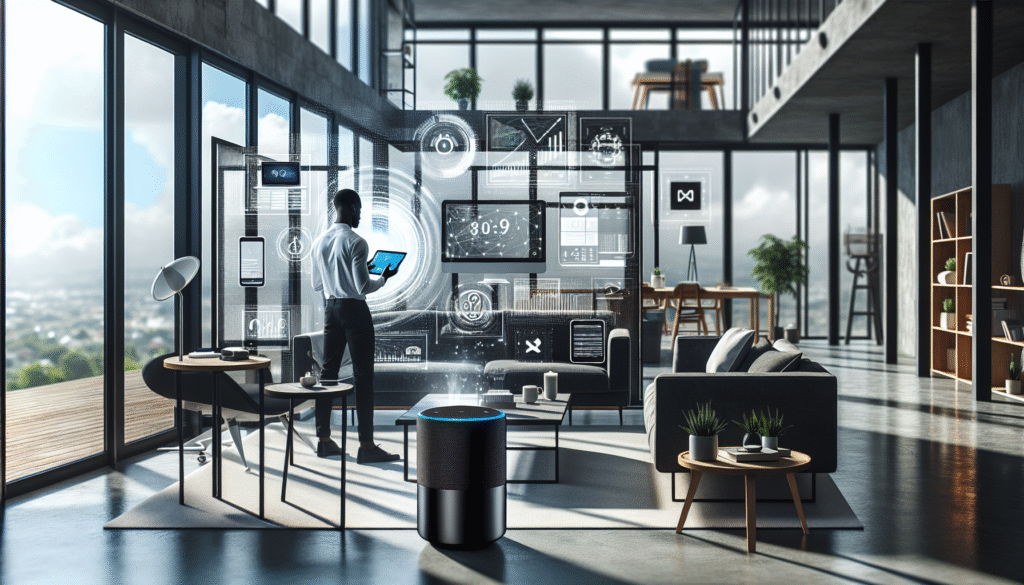
Discover Smart Home Automation for Comfort and Security

Explore how smart home automation enhances comfort and security in your home, making daily life easier and safer for your entire family.
Are you curious about how smart home automation can transform your living environment? With technological advancements, home automation systems have become increasingly popular for enhancing comfort and security. In this article, we’ll dive into how these systems work and the benefits they offer for a modern lifestyle.

Understanding Home Automation: The Basics

Home automation refers to the electronic control of household features, activities, and appliances. Imagine controlling lighting, climate, entertainment systems, and security from a single device or even through voice commands. This interconnected network, often referred to as the Internet of Things (IoT), allows devices to communicate and create a seamless experience.

Historically, automation technology was limited to commercial and industrial applications. However, advancements have made it accessible and affordable for everyday homeowners. Today, smart home products are available at various price points, offering features that cater to diverse needs and preferences.

One key component of home automation is the smart hub. This central device enables the coordination and communication between your smart devices. For example, you can set your lights to turn on when you unlock your door or have your thermostat adjust when you leave the house.

Enhancing Comfort with Smart Devices

Comfort is a crucial aspect of any home, and smart devices can significantly contribute to creating a tranquil and inviting environment. Smart thermostats allow precise temperature control, ensuring optimal comfort while saving energy. These devices learn your schedule and preferences, automatically adjusting settings for maximum efficiency.

Lighting plays a vital role in setting the mood and functionality of a space. Smart lighting systems offer customisation options, such as adjusting brightness or changing colours, to suit your activities or preferences. Imagine dimming the lights for a relaxing evening or setting them to energise you in the morning, all with a single command.

Entertainment is another area where smart technology excels. From streaming music throughout your home to voicecontrolled TV systems, automation enhances your leisure time. The key is selecting devices that integrate well with each other, providing a smooth and enjoyable experience.

Boosting Security Through Smart Solutions

Security is a primary concern for homeowners, and automation technology offers innovative ways to protect your property. Smart security systems provide realtime monitoring and control from anywhere. Door and window sensors, cameras, and motion detectors are just a few components that can be managed remotely, giving you peace of mind.

Additionally, smart locks offer convenience and safety by allowing keyless entry. You can provide temporary access codes to guests and monitor who enters or leaves your home. These features not only enhance security but also offer flexibility and ease in managing access to your property.

Integrating these systems into your daily life can be done seamlessly, thanks to voice assistants like Alexa or Google Assistant. Simply ask them to arm your security system before going to bed or check on your home while you’re away.

Ecofriendly and Energyefficient Benefits

Smart homes are not only about convenience and security; they also promote energy efficiency and sustainability. By allowing you to monitor and control your energy usage, smart devices help reduce your carbon footprint and utility bills. Smart thermostats and lighting systems adjust based on occupancy, ensuring that energy is used only when necessary.

Moreover, by analysing consumption patterns, these devices empower homeowners to make informed decisions about their energy use. This not only benefits the environment but also contributes to substantial cost savings over time.

As technology evolves, ecofriendly options are increasingly becoming a priority for manufacturers, offering homeowners a way to live sustainably without sacrificing comfort or security.

Getting Started with Home Automation

Embarking on a home automation journey can seem daunting, but it doesn’t have to be. Start by identifying your primary needs and goals. Consider what aspects of comfort and security are most important to you and how you can address them with smart technology.

Create a plan that outlines which devices to integrate first and how they will connect with existing systems. Many resources are available to guide you through the selection process and help set up your smart home efficiently.

Finally, don’t hesitate to consult professionals or participate in online communities for advice and recommendations. You might also use a people finder to connect with local experts who specialise in smart home installations.

Top Tips:

Prioritise devices that offer the most benefit for your lifestyle.
Ensure compatibility between devices and your smart hub.
Regularly update software to maintain security and performance.
Start small and gradually expand your system as needed.

FAQ:

What is a smart hub?
A smart hub connects and allows communication between various smart devices in your home.
Are smart homes secure?
Yes, when set up correctly and regularly updated, smart homes can enhance your security.
Can I save energy with smart home technology?
Absolutely. Smart devices can optimise energy usage, leading to potential savings.
How do I start with home automation?
Begin by identifying your needs and gradually integrate compatible smart devices.

In conclusion, home automation represents a significant advancement in how we interact with our living spaces. These systems offer unparalleled comfort, enhance security, promote ecofriendliness, and provide peace of mind. Are you ready to embark on a journey toward a smarter, more efficient home? What aspects of your lifestyle would you like to enhance with automation? Share your thoughts and experiences in the comments below!

For more, see this Wikipedia article on Health.

Pet Health Gadgets You Need to Know About

Discover the latest gadgets enhancing pet health and wellness, ensuring happier and healthier pets at home.
Have you ever wondered how the latest technology can help keep your pets healthier and happier? In today’s world, pet wellness is just as important as human wellbeing. With rapid advancements in technology, new gadgets for pets are now available that promise to elevate their quality of life significantly. From smart collars that track activity to automated feeders, the integration of technology in pet care offers a plethora of benefits. Let’s delve into some innovative pet health gadgets that are truly revolutionising pet care.

Understanding the Need for Pet Health Gadgets

Our pets are cherished members of our family, and their wellbeing is a priority for many pet owners. With lifestyles becoming increasingly hectic, maintaining a healthy routine for pets can sometimes be challenging.

The modern pet tech industry aims to alleviate some of these concerns by offering solutions that not only monitor but also actively contribute to a pet’s health. These gadgets range from sophisticated wearables to interactive toys, all designed with the pet’s needs in mind.

Understanding the capabilities of these devices can help you choose the right technology for your pet. Smart solutions are becoming indispensable, allowing owners to provide the best care possible with minimal effort.

Smart Collars for Enhanced Wellness

One of the most impactful developments in pet tech is the smart collar. These devices do more than just track your pet’s location. They can monitor activity levels, sleep patterns, and even detect potential health issues before symptoms appear.

For instance, smart collars can alert you if your pet’s activity decreases, which may indicate a health issue. These insights can help catch problems early, potentially saving you from costly veterinary treatments.

Additionally, smart collars often come equipped with GPS tracking, providing peace of mind if your pet ever wanders too far from home. This feature is particularly helpful for adventurous dogs who love to explore beyond the backyard.

Automated Feeders and Healthier Eating Habits

Proper nutrition is a cornerstone of pet health, yet busy schedules can sometimes interfere with meal timings. Automated feeders come into play by ensuring that your pet gets fed the right amount at the right time.

These gadgets can be programmed to dispense food at specific intervals, preventing overeating and promoting a balanced diet. Some advanced models even have cameras, allowing you to check in on your pet during mealtimes from anywhere via a smartphone app.

Automated feeders are especially useful for households with multiple pets, helping manage different dietary needs with ease and precision.

Interactive Toys and Mental Stimulation

Physical exercise is vital for pets, but mental health is equally important. Interactive toys are designed to challenge your pet’s mind, providing entertainment and stimulation even when you’re not at home.

These toys are often equipped with sensors and can be interacted with through apps, allowing you to engage your pet in playful activities. This not only keeps them entertained but also helps reduce stress and destructive behaviours.

By incorporating both play and learning, these gadgets enrich your pet’s environment, making home life more enjoyable and less monotonous.

Pet Cameras and Enhanced Connection

For pet owners who spend time away from home, pet cameras offer a way to stay connected with their furry friends. These devices often feature live video streaming, letting you see what your pet is up to in real time.

Some pet cameras also have builtin speakers and microphones, so you can talk to your pet no matter where you are. This interaction can be comforting and reassuring for both the pet and owner, reducing separation anxiety.

Additionally, many pet cameras can dispense treats, making them a fun way to reward your pet for good behaviour while observing them remotely.

Top Tips:

Choose gadgets that suit your pet’s specific needs and lifestyle.
Ensure devices are userfriendly and offer good customer support.
Regularly update the software of smart gadgets to ensure optimal performance.
Read reviews and consult with your vet for recommendations.
Start with one or two gadgets to avoid overwhelming your pet.

FAQ:

Q: Are pet health gadgets difficult to use?
A: Most gadgets are designed with userfriendliness in mind, often accompanied by apps that provide intuitive interfaces.

Q: Do these gadgets require a lot of maintenance?
A: Generally, they require minimal maintenance. Regular updates and occasional cleaning are usually sufficient.

Q: Are smart collars safe for pets?
A: Yes, they are designed to be safe and comfortable for pets to wear, with various size options to fit different breeds.

Q: How do I choose the right gadget for my pet?
A: Consider your pet’s habits, health needs, and lifestyle. Consulting with a vet can also provide useful guidance.

Incorporating these modern technologies into your pet’s routine can lead to happier and healthier living conditions. From tracking activity levels to ensuring proper nutrition, these gadgets offer practical solutions for pet care. Have you tried any of these gadgets, or are you considering one for your pet? Let us know in the comments below!

For those considering expanding their pet family, finding a suitable match can be easier than ever. Check out this people finder to connect with potential pet adopters and breeders across the UK.

Image Prompt: A modern living room with a playful dog and cat surrounded by various smart gadgets designed for pet health and wellness, in a warm and inviting setting.

For more, see this Wikipedia article on Fitness.

Tech for a Healthy Ageing Lifestyle

Discover how technology is transforming healthy ageing, offering solutions for improved wellness, independence, and quality of life for older adults.
Have you ever wondered how technology can help you age gracefully? In today’s fastpaced world, technology is not just for the young. It’s paving the way for older adults to enjoy a healthier, more fulfilling life. In this article, we explore the exciting intersection between tech and healthy ageing.

Embracing Smart Living for Older Adults

Smart home technology is revolutionising how older adults live, making daily routines easier and safer. These gadgets are not just about convenience but also promote a sense of independence. Devices like smart thermostats and lighting systems can be controlled via voice commands, reducing the risk of falls by ensuring welllit paths.

Moreover, wearable tech such as fitness trackers can monitor vital signs, providing peace of mind for users and their families. This technology not only encourages physical activity but also ensures timely medical interventions if needed. By integrating smart technology, older adults can maintain their lifestyle with a new sense of security and ease.

Health Monitoring Made Easy

One of the most significant advancements in tech for healthy ageing is the development of health monitoring devices. These smart devices can track everything from heart rate to sleep patterns, providing invaluable data to users and healthcare providers. Imagine a world where an app alerts you when you need to take medication or when it’s time to get moving.

For instance, telehealth platforms make it easier for older adults to consult with healthcare professionals without leaving home. This ease of access ensures timely medical attention and reduces the stress of travel and waiting rooms. By embracing these tools, seniors can enjoy a proactive approach to their health.

Staying Connected with Loved Ones

Isolation can be a significant challenge for older adults. However, technology offers solutions to bridge the gap between distance and connection. Video calling apps and social media platforms provide a means to stay in touch with family and friends, eliminating the feeling of loneliness.

Elderly users can now easily share moments and receive updates from loved ones, fostering a sense of belonging and mental wellbeing. These interactions are vital for emotional health, proving that technology can be a lifeline for social engagement and connectivity.

Enhancing Cognitive Health

Cognitive decline is a common concern as we age, but technology offers innovative solutions to keep minds sharp. Brain training apps and online games are designed to challenge cognitive skills, improving memory, and attention span.

These digital tools are userfriendly, enjoyable, and accessible from the comfort of home. As a result, users are more likely to engage regularly, making cognitive exercises a part of their daily routine. This new era of digital mental fitness is empowering seniors to take control of their cognitive health.

Ensuring Safety and Security

Safety is paramount for older adults, and technology is providing new solutions to enhance their security. Home security systems equipped with smart cameras and alarms can be monitored remotely. This means family members can keep an eye on their loved ones and respond quickly in case of an emergency.

In addition, GPSenabled devices are invaluable for those with memory issues, helping ensure their safety if they wander. These technologies reassure both users and their families, offering peace of mind and a sense of security.

Top Tips:

1. Start simple with userfriendly devices tailored for older adults.
2. Encourage regular use of health and fitness tracking apps.
3. Explore online communities for guidance and support.
4. Integrate tech features into daily routines for consistent use.
5. Use people finder tools to connect with friends and family.

FAQ:

Q: How can I help my elderly parent adapt to new tech?
A: Start with devices that mimic familiar activities (e.g., phone calls) and provide tutorials or support to build confidence incrementally.

Q: Are there any risks associated with health monitoring devices?
A: Ensure devices are from reputable brands and data privacy settings are in place to safeguard personal information.

Conclusion: Embrace the Future of Ageing

With technology at our fingertips, healthy ageing has never been more achievable. Whether through smart homes, health monitoring, or staying connected, technology is empowering older adults to live fuller, more independent lives. What tech innovations have you found useful for healthy ageing? Share your thoughts in the comments below. Let us know which technologies have made a difference for you or your loved ones!

For more, see this Wikipedia article on Nutrition.