Category Archives: Fitness

Augmented Reality: The Future of Fitness

Discover how augmented reality is transforming fitness, offering immersive workouts and personalised routines for an exciting exercise experience.
Do you find traditional workouts monotonous? Is it challenging to stay motivated at the gym? Augmented reality (AR) might be the fitness revolution you’ve been waiting for. By blending digital elements with the real world, AR transforms exercise into an engaging, immersive experience. Let’s delve into the world of AR fitness and see how it’s changing the way we break a sweat.

The Rise of AR in Fitness

Augmented reality is no longer the stuff of science fiction—it’s becoming a tangible part of our daily lives. In the fitness realm, AR introduces a blend of digital innovation and physical activity, revolutionising how we approach our workout routines. With AR glasses or apps, users can see their exercise environment enhanced with virtual trainers, realtime statistics, and more.

This technology offers an engaging alternative to mundane gym sessions. Imagine cycling in your living room while visually riding through the Alps, or practising yoga in your backyard with a virtual instructor correcting your posture. AR provides an entirely new dimension to fitness, appealing to both tech enthusiasts and fitness buffs.

Immersive Workouts: A New Experience

One of the most compelling aspects of AR fitness is the opportunity for immersive workouts. Users can engage in fullbody exercises that simulate outdoor environments or interact with onscreen prompts that guide their movements and intensity. This experience not only breaks the monotony of traditional workouts but also increases motivation and adherence to regular exercise routines.

AR apps often include gamified elements, turning workouts into interactive adventures. By completing challenges or competing against friends in a virtual landscape, users find themselves eager to return for more. This sense of achievement and progression is crucial for sustaining a fitness routine over time.

Personalised Fitness in RealTime

Augmented reality in fitness also shines in its ability to offer personalised coaching. Whether at home or in a community park, AR tools can adapt exercises to suit individual fitness levels and goals. As users progress, the technology adjusts to maintain an optimal challenge, keeping workouts effective and engaging.

With realtime feedback on form and technique, AR fitness solutions provide an experience akin to having a personal trainer alongside you. These insights can help reduce the risk of injury while maximising workout efficiency, making it an attractive option for both beginners and seasoned athletes.

The Integration of AR with Existing Fitness Tech

As the popularity of augmented reality grows, its integration with existing fitness technology continues to evolve. Smartwatches and fitness trackers can sync with AR applications to provide a comprehensive view of one’s health metrics. By merging data such as heart rate and step count with AR visuals, users gain a holistic understanding of their fitness journey.

This seamless integration makes AR an accessible innovation, leveraging devices many already own. With ongoing advancements, the capabilities and affordability of AR fitness solutions are expected to expand, making them accessible to an even broader audience.

Embracing the Future of Fitness

As we look towards the future, the potential of augmented reality in fitness is vast. Beyond individual workouts, AR has the potential to revolutionise group fitness classes, virtual events, and sporting competitions. It holds promise for the rehabilitation sector as well, assisting those recovering from injuries with interactive and adaptive exercises.

By embracing AR technology, we’re not just working out; we’re entering a world where fitness is an exciting and essential part of everyday life. Imagine using a people finder app to discover new virtual workout companions in your area—just one of the countless possibilities AR fitness offers.

Top Tips:

1. Start simple: Begin with beginnerfriendly AR fitness apps to familiarise yourself with the new technology.
2. Set goals: Use AR’s goaltracking features to monitor progress and stay motivated.
3. Mix it up: Explore different AR workout types to find what excites you the most.
4. Stay safe: Ensure you have a safe space free from hazards before beginning your AR workout.
5. Embrace technology: Combine AR with your fitness tracker for a complete health overview.

FAQ:

Q: Do I need special equipment for AR fitness?
A: While specialised AR glasses enhance the experience, many apps work on smartphones or tablets.

Q: Is AR fitness suitable for beginners?
A: Yes, AR apps often include exercises tailored for various fitness levels.

Q: Can AR workouts replace traditional gym sessions?
A: They offer a different experience that can complement or replace gym workouts, depending on personal preference.

Q: Are there social elements in AR fitness?
A: Many AR apps include multiplayer features, allowing you to workout with friends virtually.

Q: How can I ensure I’m using AR fitness correctly?
A: Always follow safety instructions provided by the app and start with tutorials if available.

In conclusion, the world of augmented reality fitness offers endless possibilities for revolutionising how we exercise. By merging technology with physical activity, AR provides a captivating and dynamic alternative to traditional workouts. Are you ready to embrace this techinfused fitness frontier? Share your thoughts and experiences with augmented reality workouts in the comments below.

For more, see this Wikipedia article on mindfullness.

Discover Remote Yoga Correction Apps

Explore remote yoga correction apps revolutionising your practice. Transform your home routine with advanced guidance and stay motivated daily.
Have you ever wondered how to perfect your yoga poses without an instructor physically present? In today’s techsavvy world, remote yoga correction apps are changing how enthusiasts engage with their practice. Let’s delve into how these technological marvels are enhancing wellness routines in the comfort of your home.

The Rise of Yoga Apps in the Digital Age

With the digital evolution, yoga has transcended studio boundaries. Mobile applications are now accessible, offering everything from guided meditation to detailed pose instructions. Remote yoga correction apps are the latest trend, designed to provide realtime feedback and ensure your asanas are executed with precision.

Through advanced algorithms and AI technologies, these apps monitor your movements and posture. They offer corrections and suggestions instantly, mimicking the experience of having a personal instructor at home. This innovation is perfect for individuals who prefer practising yoga in their space but still want expert guidance.

Understanding the Technology Behind

The core of these yoga correction apps lies in their use of AI and machine learning. By analysing the user’s body movements through a device’s camera, the app compares them to a standard set by expert yogis. This evaluation allows the app to offer suggestions, ensuring alignment and posture are correct.

These apps are not just about corrections; they also educate users. They provide insights into muscle engagement and breathing techniques, transforming how yoga is perceived and practised. The more you use the app, the better it becomes at offering personalised advice, creating a tailored yoga experience.

Benefits of Using Yoga Correction Apps

One of the significant advantages of these apps is convenience. They allow users to receive feedback in realtime, making it easier to maintain a regular yoga routine without needing to commute to a studio. This flexibility is crucial for those with busy schedules or barriers to accessing inperson classes.

Moreover, the apps cater to all levels of practice. Whether a beginner or an experienced practitioner, the app adjusts its feedback to match your skill level. This inclusive approach ensures everyone benefits from accurate and constructive advice, enhancing overall yoga efficacy and safety.

Enhancing Motivation and Consistency

Staying motivated can be challenging, but these apps introduce gamification elements to encourage consistency. Features such as progress tracking, goal setting, and achievement badges keep you engaged. Celebrating small victories becomes a rewarding experience, fostering a deeper connection to your practice.

For many, yoga is more than physical exercise—it’s a mental and spiritual journey. These apps often integrate mindfulness practices, offering guided meditations and breathwork sessions to complement your physical routine. This holistic approach ensures you not only stay fit but also achieve mental wellbeing.

Future Evolution and Accessibility

Looking ahead, the potential of remote yoga correction apps is immense. As technology advances, we can anticipate even more sophisticated systems that integrate seamlessly into our lives. Features such as virtual reality environments or community platforms for sharing experiences may become standard, further enriching the remote yoga experience.

Furthermore, accessibility improvements will democratise yoga practice, making it available to a broader audience. This expansion will likely include adaptations for individuals with specific needs, ensuring everyone can embrace the benefits of yoga.

Top Tips:

1. Start with beginnerfriendly apps to build confidence.
2. Use the app in a welllit area for accurate posture detection.
3. Integrate the app’s feedback with traditional practices for holistic growth.
4. Engage with app communities for motivation and shared experiences.

FAQ:

Q: Can yoga correction apps replace physical instructors?

A: While apps provide excellent guidance, combining them with inperson instruction is beneficial for a more comprehensive experience.

Q: What devices do I need for these apps?

A: Most apps require a smartphone or tablet with a camera. Some may offer enhanced features with wearables.

Q: Are these apps suitable for all levels?

A: Yes, they cater to beginners, intermediate, and advanced practitioners. The app adapts its feedback to your experience level.

Q: How do these apps protect my privacy?

A: Reputable apps follow strict data protection protocols and often allow you to adjust privacy settings.

In conclusion, remote yoga correction apps are revolutionising how we approach wellness in the digital era. As you explore these innovative tools, consider integrating them into your daily routine to enhance your practice. What apps have you tried, and how have they transformed your yoga journey? Share your experiences and let’s navigate this technological wellness frontier together.

People finder tools can assist if you’re interested in finding local yoga communities or instructors.

For more, see this Wikipedia article on Fitness.

AI and Fitness: Your New Workout Partner

Explore how AI innovations are transforming fitness routines and personalised workouts, offering a smarter approach to exercise.

Introduction: How is AI Transforming Fitness?

Have you ever wondered how cuttingedge technology can enhance your fitness routine? With the rise of artificial intelligence, fitness enthusiasts are now experiencing a revolutionary change in how they approach exercise. Gone are the days of generic workouts; AI is offering personalised fitness experiences that cater to individual needs, goals, and preferences. As technology continues to evolve, the possibilities for AI in fitness are endless, and here’s why you should consider embracing it.

Personalised Workout Plans

One of the most significant benefits of AI in fitness is the ability to create personalised workout plans. Instead of following a onesizefitsall approach, AI systems can analyse your fitness level, goals, and even health conditions to design an exercise programme just for you. By collecting and interpreting data, from step count to heart rate variability, AI can suggest modifications that ensure you’re getting the most out of your workouts.

Notably, this personalised approach is not limited to professional athletes; it is becoming increasingly accessible to individuals of all levels. Apps and wearables equipped with AI capabilities are now affordable and easy to use, helping people of various backgrounds stay fit and healthy. Thus, AI is making it easier to adopt a lifestyle of regular exercise.

Moreover, these personalised plans are continually evolving. AI systems can adapt workouts in realtime, responding to your progress and any changes in goals or conditions. This dynamic approach ensures that your fitness journey never stagnates, keeping you motivated and engaged.

Virtual Fitness Assistants

With AI, the concept of a virtual fitness assistant is becoming mainstream. These digital assistants are available through your smartphone or smart speaker, ready to guide you through exercises, provide feedback, and even motivate you when needed. Virtual fitness assistants can offer instructions on form, recommend exercises, and remind you of your workout schedule.

The convenience of having a personal trainer in your pocket cannot be overstated. Whether you’re at home, at the gym, or on the go, your virtual assistant is there to support you. Such adaptability is especially beneficial for those with busy schedules, ensuring that fitness is never put on the back burner.

Furthermore, these AIdriven assistants are not just reactive but proactive, utilising machine learning to suggest new activities based on your interests and performance. They make exercise more engaging and less of a chore, fostering a positive fitness environment.

AIDriven Fitness Gadgets

The integration of AI in fitness gadgets has led to a new era of exercise technology. Smart devices like watches, bands, and even shoes now come with builtin AI systems capable of tracking a wealth of data. These gadgets offer instant feedback on your performance, helping you make informed decisions and adjust your workouts accordingly.

For instance, AIdriven fitness gadgets can provide insights into your running form, suggest improvements, and predict potential injuries before they happen. This proactive approach not only optimises performance but also prioritises safety and wellbeing.

Additionally, many of these devices are designed to be userfriendly, wellsuited to everyday use, and seamlessly integrated into your lifestyle. As a result, AI fitness gadgets are becoming indispensable tools for anyone serious about their health.

Enhancing Group Fitness

Group fitness classes have always been popular, providing social interaction and motivation. AI is now enhancing these experiences, making group workouts more efficient and personalised. By employing AI, instructors can tailor exercises to meet individual needs within the group context, ensuring everyone benefits from the session.

In virtual group settings, AI technology can manage class dynamics, track each participant’s performance, and provide realtime feedback, simulating the experience of an inperson class. This innovation allows people to engage in group fitness from the comfort of their homes, breaking down geographical barriers and fostering a global fitness community.

Top Tips:

Explore AIdriven apps for personalised workout plans.
Use AIenabled devices to track performance and minimise injury risk.
Consider integrating a virtual fitness assistant into your routine.
Join AIenhanced group fitness classes for community motivation.
Continuously update your fitness gadgets to benefit from the latest AI developments.

FAQ:

How does AI personalise my workout?
AI collects data on your fitness levels and goals to tailor exercises specifically for you.
Are AI fitness gadgets expensive?
Many affordable options are available on the market, making AI technology accessible to all.
Can a virtual assistant replace a human trainer?
While a virtual assistant offers guidance and support, it complements rather than replaces the personal touch of a human trainer.

Conclusion: Embrace AI in Your Fitness Journey

As artificial intelligence continues to reshape the fitness landscape, its benefits are clear. From personalised workout plans to smart gadgets and virtual assistants, AI offers tools to enhance your fitness experience. So, why not harness the power of AI to elevate your exercise routine? What are your thoughts on adopting AI for your fitness goals? Share your experiences, and let us know how AI has impacted your fitness journey. For those ready to explore more about technology’s role in healthy living, check out people finder for further insights.

For more, see this Wikipedia article on future health tech.

Discover the Latest Fitness Movements

Dive into the newest fitness trends this year and learn how you can integrate them into your lifestyle for improved health and wellbeing.
Are you ready to transform your fitness routine? With the everevolving world of exercise, it’s crucial to stay updated with the latest trends to make the most out of your workouts. Engaging in modern fitness practices can not only enhance your physical wellbeing but also rejuvenate your mind. Let’s explore some of the top fitness trends that are shaping the future of health and wellness.

The Rise of Group Fitness Classes

Group fitness classes have become increasingly popular, offering a sense of camaraderie and motivation that you might not find when working out alone. Many people find it’s easier to stick to their fitness goals when they’re supported by a community of likeminded individuals. From boxing classes to Zumba, group sessions provide the encouragement and fun required to keep you coming back.

Moreover, the shared experience of group fitness can help you thrive socially and emotionally. You’ll bond with others over your common pursuit of better health, leading to potential lifelong friendships. These classes often have an instructor who guides you through exercises, ensuring you get the most out of your workout safely.

In addition to physical benefits, group classes offer mental health advantages. The social interaction and sense of achievement you gain from participating in group activities can significantly boost your mood and reduce feelings of stress and anxiety.

Home Workouts: Convenience at Your Fingertips

The convenience of home workouts cannot be overstated, especially for those with busy schedules. With no commute necessary and the ability to exercise anytime, it’s no wonder that home workouts have gained popularity. A simple space, a yoga mat, and a set of dumbbells could be all you need to get started.

The variety of online fitness classes available today means you can tailor your exercise routine to your personal interests. From highintensity interval training (HIIT) to calming yoga sessions, the choice is yours. This flexibility allows you to maintain a balanced approach to fitness, promoting a wellrounded physical health regime.

Furthermore, home workouts can be a costeffective solution, eliminating the need for expensive gym memberships. By investing in a few key pieces of equipment over time, you can build a comprehensive home gym that suits your needs.

HighIntensity Interval Training (HIIT): Maximum Impact, Minimum Time

HIIT is known for its efficiency, providing a complete workout in a fraction of the time. This method involves short bursts of intense activity followed by brief rest periods, allowing you to burn calories quickly and effectively. It’s an excellent option for those looking to improve cardiovascular fitness and build strength.

Interestingly, HIIT workouts can continue to burn calories even after the session has ended, thanks to the afterburn effect. This means your body continues to use energy postexercise, leading to greater fat loss. For those short on time, a 20minute HIIT workout can be as beneficial as a longer, moderateintensity routine.

HIIT can be easily integrated into both home and gym settings, making it accessible regardless of your resources. The varied exercises also keep the workouts interesting, reducing the risk of monotony.

The Integration of Technology in Workouts

Technology has revolutionised the fitness industry, providing tools that enhance and personalise your fitness journey. Wearable devices like smartwatches and fitness trackers monitor your activity, heart rate, and sleep patterns, offering insights into your health and progress. These devices help maintain motivation and accountability.

Virtual reality (VR) is also emerging as a novel way to experience fitness. VR fitness games offer immersive experiences that make exercising fun and engaging. This technology is particularly appealing for those who may find traditional workouts dull or uninspiring.

Moreover, apps and online platforms offer personalised workout routines and nutrition plans tailored to your goals. By integrating technology into your fitness regime, you can gain a comprehensive understanding of your health and make datadriven decisions to optimise your performance.

Top Tips:

1. Experiment with different fitness classes to find what suits you best.
2. Set up a dedicated space for home workouts to keep you motivated.
3. Try incorporating short HIIT sessions into your routine for timeefficient results.
4. Track your progress using fitness technology for insights and motivation.

FAQ:

1. What are the benefits of group fitness classes?
Group classes offer motivation, social interaction, and guided workouts in a supportive environment.

2. How can I start with home workouts?
Begin with basic equipment like a yoga mat and dumbbells, and explore online workout classes.

3. Is HIIT suitable for beginners?
Yes, but it’s important to start slowly and gradually increase intensity to avoid injury.

4. How does technology enhance my fitness routine?
Technology provides tracking tools, personalised plans, and immersive experiences that improve engagement and results.

In conclusion, the fitness landscape is continuously evolving, offering numerous opportunities to revitalise your routine. Embrace these trends to enhance your wellbeing and achieve your health goals. What fitness trend resonates with you the most? Head out and try something new today! And if you’re looking to connect with likeminded individuals, utilise a people finder to expand your fitness community.

For more, see this Wikipedia article on Nutrition.

Emerging Fitness Trends to Try Now

Discover the latest fitness trends that are transforming workouts. From hybrid exercises to wellness experiences, explore what's new in the fitness world.

Introduction: What’s New in Fitness?

Have you ever wondered how to shake up your fitness routine and stay motivated? In today’s everevolving world, fitness trends are constantly changing. Whether you’re a gym enthusiast, enjoy outdoor activities, or prefer exercising at home, new fitness ideas are emerging to keep workouts fresh and exciting.

Hybrid Workouts: Spotlight on Diversity

The concept of hybrid workouts is taking centre stage, blending different workout styles to create a comprehensive fitness regime. These workouts combine elements like strength training, cardio, yoga, and pilates into one session. This variety not only keeps workouts interesting but also ensures a balanced approach to fitness.

Functional training is a key component of hybrid workouts, focusing on exercises that improve everyday movements. This might include squats, lunges, and balance exercises. By tailoring workouts to mimic reallife activities, you can increase strength, flexibility, and coordination.

Additionally, combining highintensity interval training (HIIT) with yoga or pilates can offer the perfect mix of intensity and relaxation. This amalgamation helps improve cardiovascular health while promoting mindfulness and reducing stress levels.

For those seeking community and motivation, group hybrid classes are an excellent option. Engaging with others in a shared space can enhance the workout experience, foster connections, and encourage consistency.

Wellness Experiences: Beyond the Gym

Fitness is no longer confined to the gym; wellness experiences are broadening the scope of physical activity. These experiences focus on the holistic connection between mind, body, and spirit, ensuring a balanced approach to health.

Retreats and workshops are increasingly popular, providing individuals with the opportunity to immerse themselves in fitness and wellness in a serene environment. These retreats often include activities like yoga, meditation, and healthy eating workshops, all designed to create a peaceful escape from daily life.

Incorporating mindfulness into fitness routines is another emerging trend. Practices such as mindful running and meditative walks allow individuals to focus on their movements and surroundings, enhancing the mental and emotional benefits of exercise.

Moreover, digital wellness platforms offer virtual experiences, enabling individuals to engage in guided exercises and meditation sessions from the comfort of their homes. These platforms provide an accessible way to incorporate wellness into daily routines.

Outdoor Fitness: Embracing Nature

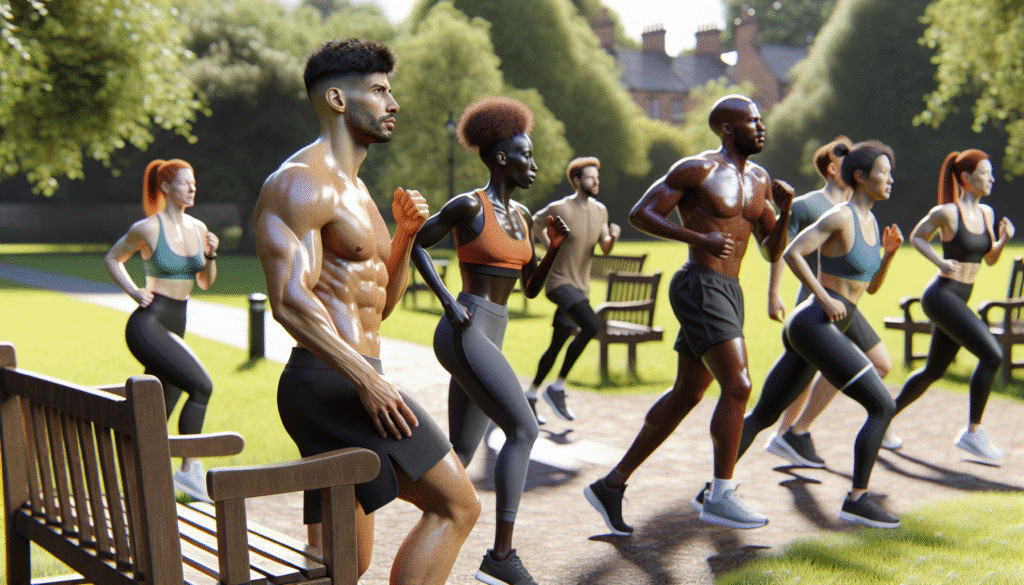
With many people seeking fresh air and open spaces, outdoor fitness is witnessing a resurgence. Exercising outdoors offers numerous benefits, including exposure to sunlight, improved mood, and increased energy levels.

Park workouts, trail running, and beach boot camps are among the popular ways individuals are leveraging nature for their fitness routines. These activities often require minimal equipment, making them accessible to everyone.

Community events and fitness challenges are also gaining traction, providing a sense of camaraderie and motivation. Participating in outdoor races or charity hikes can offer a fulfilling experience while supporting wellbeing goals.

Furthermore, outdoor fitness can be seamlessly integrated into daily life. Walking, cycling, or jogging to work or the shops provides an effective way to incorporate exercise into busy schedules while reducing carbon footprints.

Technology’s Role in Fitness

The digital revolution is transforming how we approach fitness. With the rise of wearable technology, individuals can track their progress, set goals, and stay motivated. Devices like fitness trackers and smartwatches offer personalised data, helping users monitor activity levels, sleep patterns, and heart rates.

Fitness apps have become invaluable tools, offering guided workouts and tracking progress. For those who prefer home workouts, virtual fitness classes provide a convenient alternative to gym sessions.

Social media platforms are playing a significant role in shaping fitness trends. Individuals can join online fitness communities, share their achievements, and seek inspiration from others. This digital interaction fosters a supportive environment, encouraging individuals to stay committed to their fitness goals.

However, it’s essential to strike a balance between technology use and traditional fitness methods. While digital tools offer numerous advantages, they should complement physical activity rather than replace it entirely.

Top Tips:

1. Explore hybrid workouts to find a routine that suits your preferences.
2. Prioritise wellness experiences to ensure a holistic approach to fitness.
3. Embrace outdoor fitness to enjoy the benefits of fresh air and nature.
4. Use technology wisely to track progress and stay motivated.
5. Stay open to new trends to keep your fitness routine exciting.

FAQ:

What are hybrid workouts? Hybrid workouts combine different exercise styles to provide a comprehensive fitness routine.
How can I incorporate wellness into my fitness routine? Consider mindfulness practices, wellness retreats, and digital wellness platforms.
Why is outdoor fitness beneficial? Exercising outdoors offers moodboosting, energyenhancing benefits and exposes you to natural environments.
What role does technology play in fitness? Technology provides tools for tracking progress, offering guided workouts, and connecting with fitness communities.

Conclusion: Get Moving!

Are you ready to embrace new fitness trends and energise your workout routine? With so many options available, there’s never been a better time to explore what fitness can offer. Whether you prefer hybrid workouts, wellness experiences, or outdoor activities, the key is to find what excites you and keep moving. Share your thoughts on the latest fitness trends and let us know how you’re incorporating them into your routine. Happy exercising!

For those interested in connecting with fitness communities, consider using a people finder to discover local groups and classes near you.

For more, see this Wikipedia article on mindfullness.

AI Enhancing Your Fitness Journey

Discover how AI is transforming fitness, offering personalised workouts, motivation boosts, and realtime feedback for better exercise outcomes.
Have you ever wondered how artificial intelligence could revolutionise your fitness routine? With technology increasingly embedded in our daily lives, AI is now playing a pivotal role in transforming how we approach fitness and exercise.

The Rise of AI in Fitness

Artificial intelligence is rapidly becoming an integral part of fitness routines around the world. The combination of AI with fitness applications offers personalised experiences that cater to individual needs and goals. This trend is fuelled by the growing demand for efficiency and personalisation in workouts, as people seek ways to make their exercise routines more effective.

AIpowered fitness apps analyse data to create tailored workout plans, assessing user progress in real time. These applications often incorporate feedback loops that adjust exercises to better suit users’ evolving needs. The adaptability of AI ensures that users remain engaged and motivated, progressing toward their fitness goals effectively.

Personalised Workout Plans

One of the most significant advantages of AI in fitness is the ability to provide personalised workout plans. AI systems collect and analyse vast amounts of data from users, including workout history, heart rate, and even sleep patterns. This data is then used to create exercise regimens that are specifically tailored to the individual.

These customised plans are designed to increase efficiency and results, making each workout session as effective as possible. By adapting to personal strengths, weaknesses, and preferences, AI helps maintain a balanced and progressive fitness path. Users are therefore more likely to stick to their routines, seeing consistent improvements without the plateau effect that often comes with static workout plans.

Motivation and Engagement

Keeping motivated can be one of the most challenging aspects of maintaining a fitness routine. AI offers unique solutions to this problem by incorporating features such as virtual coaching and realtime feedback. These tools help maintain user engagement and motivation by providing encouragement and instant progress tracking.

Furthermore, AI can integrate gamification elements into workouts. By turning exercise into a fun and competitive game, users find themselves more driven to complete their sessions. The social connectivity these apps offer allows for friendly competition and peer motivation, which can be particularly effective for those who thrive in group settings.

RealTime Feedback and Adjustments

AI’s ability to provide realtime feedback is another gamechanger for fitness enthusiasts. Wearable gadgets that monitor physiological data like heart rate and calories burned offer insights that can instantly adjust workout intensity and type. This ensures each session is performed at optimal levels, reducing the risk of injury and maximising results.

Moreover, AI can guide users through exercises with precision, correcting form and technique through video analysis and motion tracking. This is particularly beneficial for beginners who may not have access to a personal trainer but want to ensure they are exercising correctly and safely.

The Future of AI in Fitness

The future of AI in fitness holds exciting possibilities. As technology continues to advance, AI will become even more adept at personalising and enhancing fitness experiences. We can anticipate more sophisticated integration with other health data, such as nutrition and mental wellness, offering a holistic approach to personal health and fitness.

Interconnected devices and smarter AI algorithms will provide an even broader spectrum of insights, helping users achieve their fitness goals more efficiently. The potential for AI to learn and evolve with users means that fitness solutions will continue to become more precise and supportive over time.

Top Tips:

Start by choosing an AIpowered app that aligns with your fitness goals.
Make use of realtime feedback to continually refine your workout technique.
Stay motivated by engaging with gamified elements and social features.
Regularly update your health data in the app for more accurate personalisation.
Take advantage of virtual coaching to overcome plateau phases in your regimen.

FAQ:

How does AI personalise my workouts?

AI analyses your health data such as age, weight, fitness level, and goals to tailor workout plans that are best suited to achieving desired results.

Can AI help avoid injuries?

Yes, AI offers realtime feedback and provides correct exercise forms and techniques, significantly reducing the risk of injury.

Is AI in fitness reliable?

AI is continually evolving, with most reputable apps updating regularly to enhance their accuracy and reliability.

What if I’m not techsavvy?

Many AI fitness apps are userfriendly, with intuitive designs aimed at making it easy for anyone to navigate.

Conclusion

AI is redefining the fitness landscape, offering tools and insights that make exercise more efficient and enjoyable. How will you integrate AI into your fitness journey? The possibilities are endless, and as technology advances, your workouts can only get smarter. Whether you are a seasoned athlete or someone just starting, AI can provide you with a personalised path to your fitness goals. Ready to start your journey? Explore the options available today and discover how AI can revolutionise your workout routine. Or, if you’re curious about other ways technology is shaping our lives, explore our people finder resources.

For more, see this Wikipedia article on Health.

Enhancing Sports Performance with Wearable Tech

Discover how wearable tech is revolutionising sports performance, offering realtime data and enhancing athletic efficiency.

Introduction: The Rise of Wearable Tech in Sports

Have you ever wondered how wearable technology is transforming the world of sports? From tracking performance metrics to enhancing training regimes, these devices are becoming indispensable for athletes of all levels. The integration of smart technology in sports isn’t just a trend; it’s a revolution in how we approach physical fitness and athletic performance.

Understanding Wearable Tech and Its Benefits

Wearable technology refers to electronic devices worn on the body, often in the form of smartwatches, fitness bands, or even smart clothing. These gadgets have sensors that collect data related to physical performance, such as heart rate, calories burnt, and movements.

One of the primary benefits is the ability to monitor realtime data. This feature allows athletes to make instant adjustments to their performance, pushing their limits while avoiding injury. For instance, a fitness tracker can alert an athlete when they are nearing their maximum heart rate, prompting them to slow down.

Additionally, wearable tech enhances motivation by setting goals and providing feedback. When athletes can see their progress in tangible numbers, it encourages them to push further. This form of motivation can lead to improved results and a more satisfying athletic experience.

Innovations in Wearable Sports Technology

As technology advances, so do the capabilities of wearable devices. New innovations include clothing equipped with sensors that offer more comprehensive data collection without restricting movement. Coaches and athletes use this information to analyse performance trends over time.

Another exciting development is virtual reality (VR) and augmented reality (AR) integrated into wearables, providing simulated environments for training. These technologies allow for immersive training experiences, offering athletes the opportunity to prepare for competition in a controlled setting.

Emerging technologies also focus on injury prevention. By analysing an athlete’s biomechanics, wearables can predict and prevent potential injuries, advising on optimal training techniques to minimise risks.

Wearable Tech and Mental Resilience

While physical metrics are crucial, wearable tech is also tapping into mental wellbeing. Some devices track stress levels, sleep patterns, and even mindfulness sessions. This holistic approach acknowledges that mental resilience is as vital as physical endurance in sports performance.

By providing insights into mental states, athletes can better manage stress and anxiety, leading to improved concentration and performance. This aspect of wearable technology is fostering a culture that values mental health alongside physical health in sports environments.

Challenges and Considerations

Despite the benefits, some challenges come with the integration of wearable tech in sports. Data privacy is a major concern, as these devices collect sensitive information. Ensuring this data is protected is essential to maintaining trust between the user and the provider.

Another consideration is the potential for dependency on technology. Athletes might rely heavily on devices for feedback rather than listening to their bodies. It’s crucial to strike a balance and use these tools as aids, not crutches.

Moreover, the cost of advanced devices can be prohibitive, limiting access for amateur athletes. However, as the market grows, these technologies are becoming more affordable, making them accessible to a broader audience.

Top Tips:

1. Set clear goals to maximise the benefits of wearable tech in your training regime.
2. Balance the use of technology with listening to your body’s natural responses.
3. Ensure your data is protected by choosing reputable brands with robust privacy measures.
4. Incorporate mental wellbeing metrics to enhance both physical and mental performance.
5. Leverage realtime feedback to adjust your training promptly.

FAQ:

Q: Can wearable tech really prevent injuries?
A: While it cannot prevent all injuries, it can provide data on biomechanics and suggest improvements to minimise risk.

Q: Is wearable tech only for professional athletes?
A: No, many devices are designed for all levels, offering benefits to both amateurs and professionals.

Q: Do I need to wear multiple devices for accurate data?
A: Not necessarily. Many modern devices offer comprehensive data collection from a single gadget.

Conclusion: Embrace the Future of Sports

Wearable technology is undeniably shaping the future of sports, offering unprecedented access to data that can optimise performance. Whether you are a professional athlete or a fitness enthusiast, these advancements provide tools to elevate your game. How will you incorporate wearable tech into your sports journey? Explore the possibilities and harness technology to reach new heights in your athletic endeavours.

Looking to find inspiring athletes or communities near you? Check out our people finder for local connections.

For more, see this Wikipedia article on Health.

Wearable Tech in Sports: Elevating Your Game

Discover how wearable tech is revolutionising sports performance and health management, from tracking metrics to enhancing safety for athletes.
Have you ever wondered how you can elevate your sports performance while also keeping an eye on your health? The answer may lie in wearable technology that is transforming the world of sports by providing valuable insights and enhancing athletic performance. In this article, we will delve into the captivating world of wearable tech in sports and explore how it is shaping the future of fitness and health management.

The Impact of Wearable Tech on Sports Performance

Wearable technology has become a gamechanger in the realm of sports. From amateur athletes to professionals, these devices offer a range of functionalities that can boost performance. They are designed to track key metrics like heart rate, calories burned, and distance covered, allowing athletes to manage their training more efficiently. This data can be crucial in helping athletes tailor their workouts to their personal goals and physical capabilities.

Moreover, the instant feedback provided by wearable devices allows sports enthusiasts and professionals to make realtime adjustments to their technique or exertion levels. This can help prevent overtraining and injuries. With wearable tech, athletes have the chance to monitor their physical progress and spot patterns in their performance over time. By doing so, they can implement changes that can lead to significant improvements.

Enhancing Safety and Injury Prevention

Injuries can devastate an athlete’s career, making injury prevention a top priority. Wearable technology is stepping in as a powerful tool in this area. Devices equipped with sensors can monitor an athlete’s movements and detect patterns that might lead to injury. For instance, wearables that track biomechanics can alert an athlete when their form is off, allowing them to correct it before an injury occurs.

Additionally, some devices track environmental conditions, such as humidity and temperature, which can be crucial for outdoor sports. With alerts for heat stress or dehydration risk, athletes can take necessary precautions to stay safe during their workouts. This predictive technology is becoming increasingly essential in professional sports where the stakes are high.

Wearable Tech for Health Monitoring

Beyond performance, wearable tech in sports plays a crucial role in health monitoring. These devices offer detailed insights into an athlete’s vital signs, such as heart rate variability, sleep quality, and stress levels. This information allows athletes to understand their bodies better and create balanced training regimens that optimise recovery and performance.

For people with health conditions such as asthma or diabetes, wearables can serve as a vital tool in managing their conditions while engaging in sports. By continuously monitoring their health, these devices empower individuals to participate in sports safely. Thus, wearable tech not only enhances performance but also supports overall wellbeing.

Integrating Wearable Tech into Everyday Fitness

Wearable tech is not just for professional athletes; it has found a place in everyday fitness routines. Fitness enthusiasts use devices like smartwatches and fitness trackers to set and achieve personal goals. These gadgets provide motivation and accountability, making it easier to stick to a fitness plan.

Incorporating wearable tech into daily workouts can lead to more effective exercise routines. Whether you are running, cycling, or doing yoga, the data from wearable devices can guide you towards a healthier lifestyle. By offering insights into workout intensity and recovery, these devices ensure you are getting the most out of your efforts.

The Future of Wearable Tech in Sports

The future of wearable technology in sports looks promising, with advancements continually being made to enhance its capabilities. Innovations such as smart fabrics and AI integration are on the horizon, offering even more precise data and personalised feedback. As technology continues to evolve, it will become an intrinsic part of sports, providing deeper insights into performance and health.

As wearables become more sophisticated, their role in sports will expand beyond traditional metrics. They could soon measure psychological aspects, offering insights into mental health and focus during competition. These advancements hold the potential to revolutionise how athletes train, recover, and compete, making sports safer and more accessible to everyone.

Top Tips:

1. Choose wearables that align with your fitness goals for the best results.
2. Regularly update your device’s software to benefit from new features.
3. Understand the data provided by your wearable to implement effective changes.
4. Pair wearable tech with a wellrounded training programme for optimal performance.
5. Use your wearable’s alerts and notifications to maintain safety during workouts.

FAQ:

Q: How accurate is wearable technology in sports?
A: While wearables provide valuable data, they can have some inaccuracies. Regular calibration and understanding their limitations are essential.

Q: Can wearable tech help prevent sports injuries?
A: Yes, many wearables offer features that monitor physical stress and form, potentially preventing injuries.

Q: Are there wearables specifically designed for certain sports?
A: Yes, some wearables are specialised for sports like golf or cycling, offering sportspecific data and insights.

Q: How can wearables improve my overall fitness?
A: By tracking daily activity and health metrics, wearables provide insights that can motivate and guide personal fitness journeys.

Q: What should I consider when choosing a wearable for sports?
A: Consider factors such as battery life, compatibility with other devices, and the specific metrics you wish to track.

In conclusion, wearable technology in sports is revolutionising how we approach fitness and health. Whether you’re an elite athlete or simply love staying active, these devices offer a wealth of information that can elevate your performance and safeguard your health. Why not take a closer look at what wearable tech has to offer and see how it can enhance your sporting life? Have you tried any wearables yet? If so, what has been your experience? Share your thoughts and let’s explore this exciting frontier together.

For further insights about how technology intersects with personal growth and health, consider checking out a people finder to discover public figures leading in this exciting area.

For more, see this Wikipedia article on Wellness.

AI in Fitness: Redefining Exercise Routines

Discover how AI is revolutionising fitness, offering personalised workouts and advanced tracking for a healthier you.
Have you ever wondered how technology is changing the way we exercise? With advancements in artificial intelligence (AI), the fitness industry is experiencing a significant transformation. From personalised workout routines to cuttingedge tracking systems, AI is offering new possibilities for fitness enthusiasts and professionals alike.

Understanding AI in Fitness

AI in fitness refers to the use of artificial intelligence technologies to enhance and personalise exercise routines. These technologies can analyse data from wearable devices, mobile apps, and other inputs to create tailored workout plans. By using machine learning algorithms, AI can identify patterns in your exercise habits, adapting recommendations to fit your unique needs.

For instance, AIpowered fitness apps can monitor your performance and suggest modifications to improve your results. They can also track progress over time, offering insights into your strengths and areas for improvement. This personalised approach is transforming how people engage with fitness, making it more accessible and effective.

Personalised Workouts at Your Fingertips

Imagine a personal trainer in your pocket, available 24/7 to guide you through exercises. AIpowered fitness apps are making this a reality. These apps use your data to design workouts that match your fitness level, goals, and preferences. Whether you’re a beginner or an experienced athlete, there’s an AI solution for you.

A significant advantage of AI in fitness is its ability to adapt. As you grow stronger and develop new skills, the AI can adjust your workouts accordingly. This dynamic approach helps prevent plateaus and keeps you motivated. Plus, you can exercise at home or the gym, with AI providing realtime feedback and encouragement.

Revolutionising Fitness Tracking

Traditional fitness tracking methods often rely on manual input, which can be cumbersome and inaccurate. AI changes this by leveraging sensors and data analytics to offer precise tracking of your workouts. With AI, you can monitor calories burned, heart rate, steps taken, and more, all with minimal effort.

AI’s sophisticated tracking capabilities provide a comprehensive overview of your fitness journey. This information helps you set realistic goals and make informed decisions about your health. With accurate data, you can tweak your routines to maximise results, making your fitness journey more efficient and rewarding.

AI and the Future of Exercise Equipment

AI is not just transforming fitness apps; it’s also innovating exercise equipment. Smart machines equipped with AI can adjust resistance, speed, and intensity based on your performance. This ensures you get the most out of every workout, reducing the risk of injury and improving results.

For gyms and fitness centres, integrating AI technology can enhance member experiences and streamline operations. AIdriven machines can identify user patterns and suggest improvements, while also maintaining equipment and reducing downtime. This seamless integration enriches the overall fitness experience, attracting more users and boosting satisfaction.

Embracing AI for a Healthier Lifestyle

As AI continues to evolve, it will offer even more opportunities for fitness enthusiasts. Those who embrace AI technology can enjoy personalised, efficient, and enjoyable workouts, ultimately leading to better health outcomes. Moreover, AI can provide support for those with specific needs, such as rehabilitation after injury or managing chronic conditions.

For individuals looking to start or enhance their fitness journey, turning to AI can offer fresh perspectives and tools. Whether you’re seeking a new challenge or aiming to maintain your health, AI provides the insights and support you need to succeed. Additionally, using AI can connect you with a community of likeminded individuals on similar quests for better wellbeing.

Top Tips:

1. Explore various AIpowered fitness apps to find the best fit for your goals.
2. Incorporate AIdriven wearables to track your progress with precision.
3. Set realistic targets and use AI insights to evaluate and adapt your routines.
4. Stay open to trying new AIbased fitness technologies as they emerge.
5. Engage with online communities to share experiences and learn from others using AI in their fitness journeys.

FAQ:

1. How does AI personalise workouts?
AI uses data from your exercise habits and physical metrics to tailor workouts to your specific needs and goals.

2. Is AI in fitness suitable for beginners?
Yes, AI can design beginnerfriendly workouts and adapt them as you advance.

3. Are AI fitness apps easy to use?
Most AI fitness apps are designed to be userfriendly, with intuitive interfaces and straightforward instructions.

4. Do I need special equipment for AIdriven fitness exercises?
While not essential, using smart equipment and wearables can enhance the experience and provide more accurate data.

5. Can AI help with rehabilitation?
AI can support rehabilitation by offering personalised exercise plans and tracking progress, making it a valuable tool for recovery.

In conclusion, AI is reshaping the fitness landscape, offering innovative ways to engage with exercise. Now’s the time to explore how AI can enhance your fitness routine. What changes are you looking to make in your exercise habits? Let us know how AI could help in your fitness journey.

For resources on expanding your network and connecting with others, visit our people finder page for more information.

For more, see this Wikipedia article on Wellness.

Fitness Trends to Inspire Your Next Workout

Discover the latest fitness trends and find the perfect workout to achieve your health goals and boost your wellbeing.

Fitness Trends to Inspire Your Next Workout

Are you ready to freshen up your workout routine with something new and exciting? As fitness continues to evolve, new trends are emerging that cater to a wide range of preferences and fitness levels. Whether you’re a seasoned gymgoer or a beginner looking to get started, there’s a trend out there that’s perfect for you.

HighIntensity Interval Training (HIIT)

One trend that has firmly established itself in the fitness world is HighIntensity Interval Training, or HIIT. This type of workout is known for its efficiency, making it a favourite among those with busy schedules. HIIT involves short bursts of intense exercise followed by brief recovery periods, helping you burn calories quickly.

HIIT workouts can be tailored to fit various fitness levels and can be performed with minimal equipment, making them accessible to almost everyone. Not only do these workouts improve cardiovascular fitness, but they also build strength and endurance.

When incorporating HIIT into your routine, it’s essential to maintain proper form to prevent injury. Consider starting with a certified trainer or following instructional videos to ensure you’re performing exercises correctly. This attention to detail will maximise your results while keeping you safe.

Functional Training for Everyday Strength

Functional training is all about enhancing your ability to perform daily activities with ease. This trend focuses on exercises that mimic everyday movements, helping to improve balance, coordination, and strength across different muscle groups.

By integrating functional training into your fitness regime, you’ll likely notice improvements in your physical performance outside the gym. Activities such as lifting, squatting, and reaching become more effortless, reducing the risk of injury in daily life.

Functional workouts often utilise equipment like resistance bands, kettlebells, and medicine balls. These tools target multiple muscle groups simultaneously, providing a comprehensive workout experience. Try incorporating these elements into your routine to see noticeable improvements in your functional strength.

MindBody Workouts for Holistic Wellbeing

In recent years, there’s been a significant shift towards workouts that combine physical exercise with mental wellbeing. Mindbody practices such as yoga and Pilates have gained immense popularity for their ability to enhance both physical and mental health.

These practices focus on mindful movement, breathing techniques, and body awareness, offering a holistic approach to fitness. Regular participation in yoga or Pilates sessions can lead to improved flexibility, posture, and mental clarity. Besides, these workouts often provide a sense of calm and relaxation, making them ideal for stress reduction.

For those interested in exploring mindbody workouts, many studios offer classes ranging from beginner to advanced levels. Alternatively, online platforms provide a plethora of guided sessions, allowing you to practise from the comfort of your home.

Wearable Tech: Revolutionising Workouts

Technology continues to shape the fitness industry, with wearable devices leading the charge. Fitness trackers, smartwatches, and heart rate monitors are now integral components of many workout routines, offering insights into your physical performance and health metrics.

Wearable tech allows you to track steps, calories burned, heart rate, and even sleep patterns. By providing realtime feedback, these devices help you set goals and monitor progress effectively. Whether you’re running a marathon or aiming for 10,000 steps a day, wearables offer motivation and accountability.

However, remember that while technology can be a helpful tool, it should not replace professional guidance when needed. Use wearables to complement your fitness journey, ensuring a balanced approach to health and wellness.

Group Workouts: Building Community and Motivation

Group workouts have surged in popularity as people seek motivation through community. Classes such as spin, Zumba, and boot camps provide an energetic environment where participants feed off each other’s energy, pushing everyone to achieve more.

The social aspect of group workouts can be highly motivating, offering support and encouragement. Moreover, exercising in a group setting fosters accountability, as you’re more likely to show up for a class when you know others are expecting you.

Find a local gym or studio that offers a variety of group classes to keep your routine exciting. Alternatively, online platforms host live classes, allowing you to join group workouts from anywhere.

Top Tips:

1. Start slow and gradually increase intensity to avoid injury.
2. Mix and match workouts to keep things interesting and wellrounded.
3. Stay hydrated and maintain a balanced diet to support your fitness goals.
4. Listen to your body and rest when needed.
5. Use a people finder like this one to connect with workout partners or local fitness communities.

FAQ:

Q1: What is the best workout for beginners?
A1: Lowimpact workouts like walking, swimming, or beginner yoga classes are excellent for beginners.

Q2: How often should I change my workout routine?
A2: Consider mixing up your routine every 46 weeks to avoid plateaus and keep engagement high.

Q3: Are group workouts effective for all fitness levels?
A3: Yes, many group classes offer modifications for different fitness levels, ensuring everyone can participate safely.

Q4: How can I track my fitness progress effectively?
A4: Use a combination of wearable tech, personal records, and progress photos to track improvements.

Conclusion

Exploring new fitness trends can invigorate your workout routine and inspire you to reach new heights. From HIIT and functional training to mindbody practices and group workouts, there’s something for everyone. What fitness trend are you eager to try next? Share your thoughts and experiences in the comments below!

For more, see this Wikipedia article on Fitness.