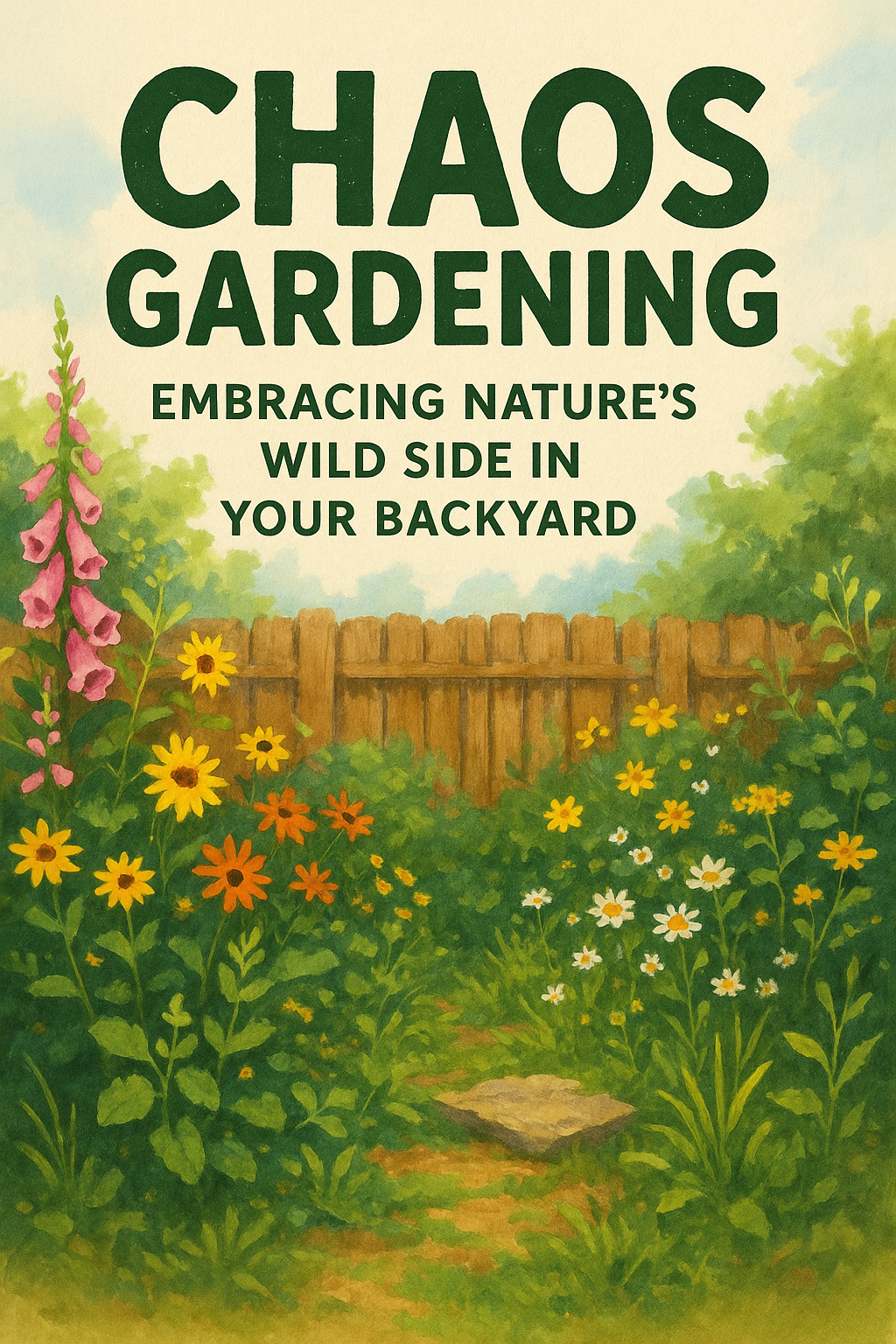
What is Chaos Gardening?
Chaos gardening is a growing trend in sustainable gardening that embraces nature’s inherent wildness rather than imposing rigid order. Instead of meticulously planned beds and uniform rows, chaos gardening encourages spontaneous growth, diverse planting, and the natural interaction between plants and wildlife. The idea is to mimic nature’s way of developing ecosystems where plants grow where they thrive best. This method not only promotes biodiversity but also requires significantly less maintenance than conventional gardening practices.
Why Choose Chaos Gardening?
As climate change and biodiversity loss become more pressing concerns, chaos gardening offers an eco-friendly way to make your outdoor space part of the solution. By prioritizing native plants and encouraging self-seeding, you can create a garden that adapts naturally to environmental changes. Additionally, chaos gardens attract pollinators like bees and butterflies, helping to sustain local ecosystems. Enthusiasts also appreciate how chaos gardening transforms a backyard into a lively, ever-changing landscape, full of unexpected beauty.
How to Start Your Own Chaos Garden
Starting a chaos garden is surprisingly simple. Begin by selecting a patch of land that you’re willing to let go wild. It could be a corner of your backyard or a neglected area that could benefit from some vibrant growth. Choose a diverse mix of native plants, wildflowers, and hardy perennials that can compete without much intervention. Scatter seeds freely, allowing them to find their ideal spots. As the garden evolves, resist the urge to over-tidy. Let leaves and fallen plants decompose naturally, enriching the soil and fostering a mini-ecosystem.
Key Tips for Chaos Gardening Success
Focus on native plants since they are already adapted to your local climate and require less water and maintenance. Incorporate pollinator-friendly flowers like coneflowers, lavender, and milkweed to attract beneficial insects. Introduce plants of varying heights and textures to create a visually dynamic and ecologically robust garden. Allow plants to self-seed and spread naturally. Embrace the organic layout that results from your garden’s natural growth patterns rather than trying to enforce symmetry or structure. To maintain some balance, you can create pathways through your chaos garden to keep it accessible and visually interesting.
The Benefits of Chaos Gardening
Chaos gardening provides numerous ecological and aesthetic benefits. It reduces the need for chemical fertilizers and pesticides, as a biodiverse garden naturally regulates pests and diseases. The dense planting style also helps retain moisture, reducing the need for watering. Additionally, chaos gardens are havens for wildlife, offering food and shelter for birds, insects, and small mammals. Gardeners find that chaos gardening is less stressful since it requires less upkeep and embraces imperfections as part of the garden’s charm.
Real-Life Examples of Chaos Gardens
Urban areas are increasingly adopting chaos gardening in community spaces and parks. In London, a project called “Wild London” transformed neglected plots into thriving chaos gardens, boosting urban biodiversity and engaging the community. Home gardeners are also sharing their successes on platforms like Instagram under hashtags like #ChaosGardening and #WildGardenVibes. These real-life examples highlight the movement’s popularity among those seeking a more sustainable and visually dynamic gardening approach.
Final Thoughts
Chaos gardening challenges traditional ideas of what a garden should look like by celebrating natural growth patterns and ecological balance. As more people become aware of the importance of biodiversity and climate resilience, this gardening trend is becoming an appealing way to reconnect with nature while enhancing urban green spaces. Whether you’re an experienced gardener or just starting out, chaos gardening offers a refreshing, low-maintenance way to create a thriving, beautiful space. If you’ve experimented with chaos gardening or plan to start, share your experiences with us @whitepageshull!