
Category Archives: Sustainability

Biophilic Design in Urban Spaces

Biophilic Design

The Rise of Biophilic Design in Cities – Nature’s Return to the City

In the face of rapid urbanisation and the increasing disconnect between people and nature, biophilic design has emerged as a powerful trend in urban planning. Derived from the Greek words “bio” (life) and “philia” (love), biophilic design seeks to reconnect humans with the natural world through architecture and landscaping. As cities expand, incorporating nature into urban environments is no longer just an aesthetic choice but a necessity for enhancing well-being and promoting sustainability.

Why Biophilic Design Matters

Urban areas are often characterised by concrete landscapes, limited green spaces, and high levels of pollution. This disconnect from nature can negatively impact physical and mental health, leading to increased stress, lower productivity, and reduced quality of life. Biophilic design aims to counter these challenges by integrating natural elements into buildings, public spaces, and community areas. From rooftop gardens to green walls, biophilic elements are designed to enhance air quality, provide aesthetic pleasure, and foster a sense of community.

Key Features of Biophilic Urban Design

Biophilic design goes beyond simple landscaping, incorporating nature at every level of urban planning. Some common features include:

  • Green Roofs and Vertical Gardens: These structures reduce urban heat, improve air quality, and create habitats for wildlife.
  • Natural Light Integration: Maximising daylight through large windows and skylights promotes health and reduces energy consumption.
  • Water Features: Incorporating fountains, rain gardens, and reflective pools helps regulate temperatures and promotes relaxation.
  • Native Plant Landscaping: Using local flora not only supports biodiversity but also reduces maintenance and water use.
  • Community Gardens: These shared spaces encourage social interaction and provide a local source of fresh produce.
  • Indoor Plant Walls: Bringing greenery into interiors reduces stress and improves indoor air quality.

Examples of Biophilic Design in Action

Urban planners and architects worldwide are embracing biophilic principles:

  • Moss Wall at One Central Park, Sydney: A vertical garden that spans the entire facade, enhancing air quality and cooling the building.
  • Singapore’s Gardens by the Bay: Features massive tree-like structures that support solar panels and host diverse plant species.
  • New York’s High Line: A transformed railway line turned urban park, blending native plants with public art.
  • The Green Spine, Melbourne: A proposed skyscraper covered in greenery, aiming to become the world’s tallest vertical garden.
  • Bosco Verticale, Milan: Two residential towers adorned with over 900 trees and 20,000 plants, promoting biodiversity in the city centre.

Health and Wellness Benefits

Studies have shown that exposure to natural elements in urban settings can significantly reduce stress, lower blood pressure, and improve mental well-being. Biophilic environments foster creativity, enhance focus, and create a calming atmosphere, making them particularly beneficial for workplaces and residential areas. Moreover, green infrastructure helps manage stormwater, reduce heat islands, and increase property values.

Biophilic Design and Climate Resilience

Beyond health benefits, biophilic design plays a vital role in making cities more resilient to climate change. By incorporating natural elements, cities can mitigate the effects of urban heat, manage flood risks, and enhance biodiversity. Green corridors also help wildlife migrate through urban environments, while green roofs provide insulation, reducing the need for heating and cooling.

Community Engagement Through Nature

Biophilic design encourages community involvement by creating inviting green spaces that foster social interaction. Whether through communal gardens, shaded plazas, or nature trails, these areas become hubs of activity and relaxation. Planners are increasingly involving local communities in designing and maintaining these spaces, fostering a sense of ownership and responsibility.

The Future of Urban Living

As more cities recognise the importance of integrating nature into urban spaces, biophilic design is set to become a cornerstone of sustainable city planning. Future developments will likely prioritise biodiversity, community well-being, and climate adaptation through nature-centric designs. Governments and urban developers must work together to create policies that support biophilic initiatives, ensuring that cities remain livable and resilient as they grow.
white pages hull

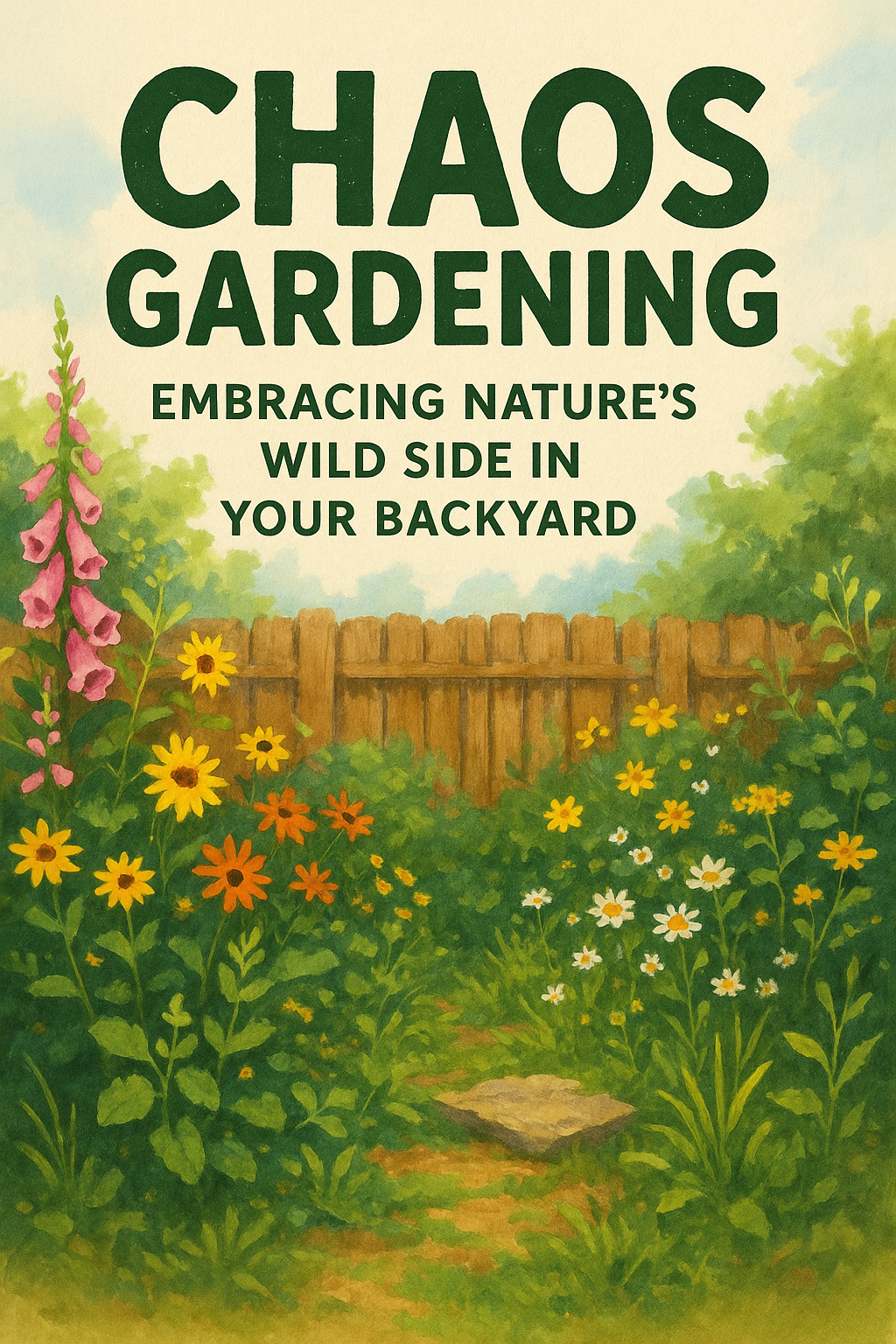
Chaos Gardening: Embracing Nature’s Wild Side in Your Backyard

Chaos Gardening

What is Chaos Gardening?

Chaos gardening is a growing trend in sustainable gardening that embraces nature’s inherent wildness rather than imposing rigid order. Instead of meticulously planned beds and uniform rows, chaos gardening encourages spontaneous growth, diverse planting, and the natural interaction between plants and wildlife. The idea is to mimic nature’s way of developing ecosystems where plants grow where they thrive best. This method not only promotes biodiversity but also requires significantly less maintenance than conventional gardening practices.

Why Choose Chaos Gardening?

As climate change and biodiversity loss become more pressing concerns, chaos gardening offers an eco-friendly way to make your outdoor space part of the solution. By prioritizing native plants and encouraging self-seeding, you can create a garden that adapts naturally to environmental changes. Additionally, chaos gardens attract pollinators like bees and butterflies, helping to sustain local ecosystems. Enthusiasts also appreciate how chaos gardening transforms a backyard into a lively, ever-changing landscape, full of unexpected beauty.

How to Start Your Own Chaos Garden

Starting a chaos garden is surprisingly simple. Begin by selecting a patch of land that you’re willing to let go wild. It could be a corner of your backyard or a neglected area that could benefit from some vibrant growth. Choose a diverse mix of native plants, wildflowers, and hardy perennials that can compete without much intervention. Scatter seeds freely, allowing them to find their ideal spots. As the garden evolves, resist the urge to over-tidy. Let leaves and fallen plants decompose naturally, enriching the soil and fostering a mini-ecosystem.

Key Tips for Chaos Gardening Success

Focus on native plants since they are already adapted to your local climate and require less water and maintenance. Incorporate pollinator-friendly flowers like coneflowers, lavender, and milkweed to attract beneficial insects. Introduce plants of varying heights and textures to create a visually dynamic and ecologically robust garden. Allow plants to self-seed and spread naturally. Embrace the organic layout that results from your garden’s natural growth patterns rather than trying to enforce symmetry or structure. To maintain some balance, you can create pathways through your chaos garden to keep it accessible and visually interesting.

The Benefits of Chaos Gardening

Chaos gardening provides numerous ecological and aesthetic benefits. It reduces the need for chemical fertilizers and pesticides, as a biodiverse garden naturally regulates pests and diseases. The dense planting style also helps retain moisture, reducing the need for watering. Additionally, chaos gardens are havens for wildlife, offering food and shelter for birds, insects, and small mammals. Gardeners find that chaos gardening is less stressful since it requires less upkeep and embraces imperfections as part of the garden’s charm.

Real-Life Examples of Chaos Gardens

Urban areas are increasingly adopting chaos gardening in community spaces and parks. In London, a project called “Wild London” transformed neglected plots into thriving chaos gardens, boosting urban biodiversity and engaging the community. Home gardeners are also sharing their successes on platforms like Instagram under hashtags like #ChaosGardening and #WildGardenVibes. These real-life examples highlight the movement’s popularity among those seeking a more sustainable and visually dynamic gardening approach.

Final Thoughts

Chaos gardening challenges traditional ideas of what a garden should look like by celebrating natural growth patterns and ecological balance. As more people become aware of the importance of biodiversity and climate resilience, this gardening trend is becoming an appealing way to reconnect with nature while enhancing urban green spaces. Whether you’re an experienced gardener or just starting out, chaos gardening offers a refreshing, low-maintenance way to create a thriving, beautiful space. If you’ve experimented with chaos gardening or plan to start, share your experiences with us @whitepageshull!

Digital Product Passports: The Future of Transparent Consumer Goods

Digital Product Passports

The Rise of Digital Product Passports

As consumers become more conscious about where their products come from and how they are made, businesses are turning to digital product passports as a way to increase transparency and accountability. A digital product passport is essentially a digital record that tracks a product’s lifecycle, from raw materials to manufacturing, distribution, use, and disposal. Unlike traditional labels or tags, these digital passports offer comprehensive data on sourcing, manufacturing practices, recycling options, and even ownership history. This level of transparency is becoming a cornerstone of modern consumer goods, driven by both regulatory pressure and growing consumer demand for ethical practices.

A Growing Trend Across Industries

In 2025, digital product passports are rapidly gaining traction across various industries, from fashion and electronics to food and healthcare. By embedding a unique digital identity into every product, brands can ensure traceability and maintain brand integrity. Consumers, on the other hand, benefit from having access to comprehensive information that verifies authenticity and tracks environmental impact. Governments and regulatory bodies are also increasingly supportive of this innovation, seeing it as a tool to promote sustainable practices and combat counterfeiting.

Sustainability and the Circular Economy

One of the primary drivers behind this trend is the increasing focus on sustainability and the circular economy. Digital product passports enable manufacturers to record the environmental footprint of their goods, from carbon emissions during production to recyclability at the end of their life cycle. This not only helps brands meet their sustainability goals but also provides consumers with the knowledge needed to make responsible choices. For instance, clothing brands can detail the origins of their materials, the energy consumption during production, and guidance on garment recycling or repurposing.

Blockchain and Data Integrity

The integration of blockchain technology enhances the credibility of digital product passports. By recording data on an immutable ledger, brands can assure consumers that the information provided is accurate and tamper-proof. Blockchain also facilitates seamless data sharing across the supply chain, from raw material suppliers to retailers and even recycling facilities. As a result, consumers gain confidence that the product they are buying genuinely aligns with the advertised ethical standards.

Combating Counterfeit Goods

Digital product passports are also beneficial for combating counterfeit goods. By allowing consumers to scan a QR code or NFC tag, they can instantly access the product’s history, including when and where it was manufactured, who the authorized distributors are, and whether the item has been previously reported as counterfeit. This level of traceability not only helps consumers avoid fake products but also protects brands from reputational damage associated with counterfeit sales.

Enhancing Customer Engagement

Retailers are increasingly adopting digital product passports to enhance customer engagement. Some are incorporating interactive features such as repair tutorials, recycling locations, and product care tips, fostering a more sustainable relationship between consumers and products. By promoting long-lasting usage and proper disposal, digital product passports support a more circular economy, reducing waste and encouraging responsible consumption.

Brand Adoption and Real-World Examples

A growing number of leading brands are pioneering the adoption of digital product passports. For instance, outdoor apparel brand Patagonia has implemented them to document the sustainable sourcing of their materials and encourage garment recycling. Similarly, IKEA is piloting product passports to help customers understand the environmental impact of their purchases and access repair guides, promoting a more sustainable lifestyle.

Regulatory Support and Future Implications

The European Union is actively working on legislation to make digital product passports mandatory for various consumer goods. The goal is to enhance transparency and promote sustainable business practices across the continent. As these regulations take shape, businesses that proactively adopt digital product passports will not only comply with upcoming requirements but also gain a competitive edge by fostering consumer trust.

The Future of Transparent Consumer Goods

While the concept is still evolving, digital product passports represent a significant shift in how brands and consumers interact. By offering clear, verified information, these passports help bridge the gap between manufacturers and end users, promoting accountability and fostering more informed purchasing decisions. As more industries adopt this technology, it will likely become a standard practice, reshaping how we perceive and interact with consumer goods. Brands that embrace this trend early will be well-positioned to thrive in a future where transparency and sustainability are paramount.

Watch video on Digital Product Passports

WhitepagesHull