Tag Archives: Digital Health

Virtual Reality: A New Frontier in Rehabilitation

Discover how virtual reality is transforming rehabilitation, offering immersive experiences that enhance recovery for patients.

Revolutionising Rehabilitation with Virtual Reality

Have you ever wondered how virtual reality (VR) is being utilised to improve rehabilitation outcomes? In recent years, VR has emerged as a promising tool in the rehabilitation sector, captivating healthcare professionals and patients alike. This immersive technology offers unique experiences that can enhance physical therapy, cognitive rehabilitation, and pain management. Let’s delve into how VR is making strides in the world of rehabilitation.

Understanding Virtual Reality in Rehabilitation

Virtual reality is a computergenerated environment that allows users to interact with 3D worlds using special headsets and motiontracking devices. In the context of rehabilitation, VR can simulate different scenarios and environments that help patients practice movements, enhance their skills, and regain their autonomy.

The introduction of VR in rehabilitation settings has provided a new layer of motivation for patients, making therapy sessions more engaging and less daunting. Unlike traditional methods, VR can offer customised experiences tailored to each patient’s needs and progress, ensuring a personalised approach to recovery.

Benefits of VR in Physical Rehabilitation

One of the most significant advantages of VR in physical rehabilitation is its ability to create a safe and controlled environment where patients can safely practice movements and exercises. This is particularly beneficial for individuals recovering from strokes, surgeries, or injuries.

By incorporating gamified elements, VR therapy can increase patient engagement and adherence to rehabilitation programs. The interactive nature of VR exercises can transform mundane tasks into exciting challenges, fostering a positive outlook on recovery and improving mental wellbeing.

Cognitive Rehabilitation and VR

Beyond physical rehabilitation, VR also plays a crucial role in cognitive rehabilitation. For patients with neurological disorders or brain injuries, VR offers cognitive training exercises designed to improve memory, attention, and problemsolving skills.

These immersive VR environments can simulate reallife scenarios, helping patients practice everyday tasks and enhance their cognitive abilities in a riskfree setting. Furthermore, VR can provide immediate feedback, enabling therapists to monitor progress and adjust treatment plans accordingly.

Pain Management through VR

Virtual reality is not only enhancing rehabilitation efforts but also proving effective in pain management. By immersing patients in engaging VR environments, this technology can distract them from pain and anxiety during therapy sessions.

Studies have shown that VR can significantly reduce perceived pain levels by redirecting the patient’s focus to the virtual experience rather than their discomfort. This nonpharmacological approach is particularly appealing in light of the growing opioid crisis, providing a safer alternative to pain management.

Top Tips:

1. Consult with a healthcare professional to determine if VR therapy is suitable for your specific rehabilitation needs.
2. Ensure that your VR equipment is correctly calibrated and adjusted for comfort during sessions.
3. Gradually increase the duration of VR sessions to build tolerance and avoid nausea or dizziness.
4. Stay informed about the latest advancements in VR technology for rehabilitation to make the most out of your therapy.

FAQ:

Q: Is VR therapy suitable for all types of rehabilitation?
A: While VR therapy is versatile, it may not be suitable for everyone. Always consult a medical professional.

Q: Can VR therapy replace traditional rehabilitation methods?
A: VR therapy is designed to complement, not replace, traditional methods. It enhances the therapeutic experience.

Q: Are there any risks associated with VR in rehabilitation?
A: Minor issues like motion sickness may occur, but most patients adapt over time with gradual exposure.

Conclusion

Virtual reality is bridging the gap between technology and healthcare, creating new possibilities for rehabilitation. As we continue to explore this exciting frontier, it encourages us to rethink traditional approaches to therapy and embrace innovation. Have you or someone you know experienced VR in rehabilitation? Share your thoughts and experiences, and feel free to explore more about tech innovations in healthcare by visiting our people finder page.

Image Prompt: An ultrarealistic photo of a person wearing VR goggles in a modern physical therapy clinic, surrounded by various rehabilitation equipment, engaging with a virtual reality rehabilitation program, conveying a sense of innovation and healthcare.

For more, see this Wikipedia article on Meditation.

Navigating Family Tech: A Safe and Healthy Approach

Discover tips for integrating safe and healthy tech into family life, prioritising wellbeing and security. Learn to balance tech use effectively.

Introduction to Safe Family Tech

Are you concerned about how technology impacts your family? In today’s fastpaced digital world, technology plays a crucial role in our daytoday lives. However, it raises questions about how to use it safely and healthily within family settings. This guide explores strategies to ensure your family’s tech use enhances wellbeing and maintains security.

Setting Boundaries for Digital Wellbeing

When it comes to family tech use, setting clear boundaries is essential. Start by establishing “techfree zones” in your home, such as during meal times or before bed. This practice fosters facetoface interactions and ensures quality family time.

In addition, you might consider setting specific time limits on device usage for both children and adults. Balancing screen time with other activities promotes a healthy lifestyle and helps prevent digital fatigue. Consider using apps or device settings to manage and monitor these limits effectively.

Creating a schedule that incorporates technology breaks is vital. Encourage activities that don’t involve screens, such as outdoor play, reading, or board games. This balance between digital and physical activities supports family members’ mental and physical health.

Finally, lead by example. Demonstrate healthy tech habits and promote discussions about the benefits and challenges of technology. This candidness helps children understand the importance of moderation and responsible usage.

Choosing the Right Technology for Families

Selecting appropriate technology for family use can be challenging. Start by researching devices and apps that are both educational and ageappropriate. Educational tech can provide substantial learning opportunities while keeping children engaged.

When choosing devices, prioritise those with builtin parental controls and privacy settings. These features allow you to monitor activity and ensure your child’s online safety. Parental controls can also help prevent access to inappropriate content, giving you peace of mind.

Additionally, consider investing in gadgets that encourage family bonding. Devices such as smart speakers or interactive gaming consoles can bring families together, offering shared experiences that enrich connections.

Remember, not all technology needs to be “smart.” Plenty of traditional toys and games can be just as beneficial as the latest gadgets, fostering creativity and imagination without screen time.

Ensuring Online Safety for Kids

Online safety is a significant concern for families. Educating children about safe internet practices is paramount. Begin by discussing the importance of privacy and the risks associated with sharing personal information online.

Teach children to recognise and avoid suspicious content or individuals. Encourage them to be open about their online experiences, reinforcing that they should reach out if something seems amiss.

Utilise tools designed to enhance online safety. Web filters and monitoring tools can help you oversee online activities and block harmful content. However, these tools should complement, not replace, conversations about online safety.

Staying informed about the latest online trends and potential threats is crucial. As technology evolves, so do the risks, making continuous education and adaptation necessary for optimal protection.

Balancing Technology with Traditional Activities

While technology offers numerous advantages, traditional activities remain vital for holistic development. Encourage a balance by integrating both tech and nontech activities into your family’s routine.

Plan regular outdoor activities such as hiking, sports, or family picnics. These outings provide physical exercise and opportunities for bonding away from screens.

Incorporate creative tasks like arts and crafts or cooking together. These activities stimulate the mind and encourage teamwork while providing a break from digital devices.

Reading books as a family fosters a love for literature and an alternative to digital entertainment. Consider setting up a regular reading night to explore different genres and stories together.

Finally, encourage hobbies that don’t involve technology, whether it’s playing a musical instrument, gardening, or drawing. These pursuits can be deeply fulfilling and provide essential downtime from digital interactions.

Top Tips and FAQs

Top Tips:

1. Set clear screen time limits and enforce techfree zones.
2. Choose technology that aligns with your family’s values and needs.
3. Educate your children about online safety and privacy.
4. Balance digital activities with physical and creative pursuits.
5. Stay informed about new technology and potential online threats.

FAQ:

Q: How can I monitor my child’s screen time effectively?
A: Use builtin device features or thirdparty apps to track screen time and set usage limits.

Q: What should I do if my child encounters inappropriate content?
A: Discuss the incident calmly, reinforce safe internet practices, and adjust your monitoring settings if necessary.

Q: How often should we have techfree family time?
A: Aim for at least one techfree meal or activity session daily to ensure quality family interactions.

Conclusion: Embracing Safe and Healthy Tech Use

As you navigate the world of family technology, remember that the goal is to use tech to enhance, not hinder, family wellbeing. By setting boundaries, choosing appropriate technology, and fostering open communication, you can create a balanced digital environment. How do you incorporate technology into your family life? What steps will you take next to ensure its safe and healthy use? Share your thoughts with us and continue the conversation.

Explore this guide for building a secure family network and discover innovative ways to enhance your family’s digital wellbeing.

For more, see this Wikipedia article on Fitness.

Tech for a Healthy Ageing Lifestyle

Discover how technology is transforming healthy ageing, offering solutions for improved wellness, independence, and quality of life for older adults.
Have you ever wondered how technology can help you age gracefully? In today’s fastpaced world, technology is not just for the young. It’s paving the way for older adults to enjoy a healthier, more fulfilling life. In this article, we explore the exciting intersection between tech and healthy ageing.

Embracing Smart Living for Older Adults

Smart home technology is revolutionising how older adults live, making daily routines easier and safer. These gadgets are not just about convenience but also promote a sense of independence. Devices like smart thermostats and lighting systems can be controlled via voice commands, reducing the risk of falls by ensuring welllit paths.

Moreover, wearable tech such as fitness trackers can monitor vital signs, providing peace of mind for users and their families. This technology not only encourages physical activity but also ensures timely medical interventions if needed. By integrating smart technology, older adults can maintain their lifestyle with a new sense of security and ease.

Health Monitoring Made Easy

One of the most significant advancements in tech for healthy ageing is the development of health monitoring devices. These smart devices can track everything from heart rate to sleep patterns, providing invaluable data to users and healthcare providers. Imagine a world where an app alerts you when you need to take medication or when it’s time to get moving.

For instance, telehealth platforms make it easier for older adults to consult with healthcare professionals without leaving home. This ease of access ensures timely medical attention and reduces the stress of travel and waiting rooms. By embracing these tools, seniors can enjoy a proactive approach to their health.

Staying Connected with Loved Ones

Isolation can be a significant challenge for older adults. However, technology offers solutions to bridge the gap between distance and connection. Video calling apps and social media platforms provide a means to stay in touch with family and friends, eliminating the feeling of loneliness.

Elderly users can now easily share moments and receive updates from loved ones, fostering a sense of belonging and mental wellbeing. These interactions are vital for emotional health, proving that technology can be a lifeline for social engagement and connectivity.

Enhancing Cognitive Health

Cognitive decline is a common concern as we age, but technology offers innovative solutions to keep minds sharp. Brain training apps and online games are designed to challenge cognitive skills, improving memory, and attention span.

These digital tools are userfriendly, enjoyable, and accessible from the comfort of home. As a result, users are more likely to engage regularly, making cognitive exercises a part of their daily routine. This new era of digital mental fitness is empowering seniors to take control of their cognitive health.

Ensuring Safety and Security

Safety is paramount for older adults, and technology is providing new solutions to enhance their security. Home security systems equipped with smart cameras and alarms can be monitored remotely. This means family members can keep an eye on their loved ones and respond quickly in case of an emergency.

In addition, GPSenabled devices are invaluable for those with memory issues, helping ensure their safety if they wander. These technologies reassure both users and their families, offering peace of mind and a sense of security.

Top Tips:

1. Start simple with userfriendly devices tailored for older adults.
2. Encourage regular use of health and fitness tracking apps.
3. Explore online communities for guidance and support.
4. Integrate tech features into daily routines for consistent use.
5. Use people finder tools to connect with friends and family.

FAQ:

Q: How can I help my elderly parent adapt to new tech?
A: Start with devices that mimic familiar activities (e.g., phone calls) and provide tutorials or support to build confidence incrementally.

Q: Are there any risks associated with health monitoring devices?
A: Ensure devices are from reputable brands and data privacy settings are in place to safeguard personal information.

Conclusion: Embrace the Future of Ageing

With technology at our fingertips, healthy ageing has never been more achievable. Whether through smart homes, health monitoring, or staying connected, technology is empowering older adults to live fuller, more independent lives. What tech innovations have you found useful for healthy ageing? Share your thoughts in the comments below. Let us know which technologies have made a difference for you or your loved ones!

For more, see this Wikipedia article on Nutrition.

Navigating Online Therapy: A Modern Solution

Discover how online therapy platforms provide accessible and effective mental health support, transforming the way we approach wellness.

Introduction to Online Therapy Platforms

Have you ever wondered how accessible mental health support could be at your fingertips? In today’s digital age, online therapy platforms are revolutionising the way we perceive and access mental health services. With increasing demands on our time and growing awareness of mental health issues, finding convenient and effective methods to seek therapy has never been more important.

The Rise of Digital Therapy

Over the past decade, the explosion of technology has permeated every aspect of our lives, and mental health care is no exception. Online therapy platforms have emerged as a popular alternative to traditional facetoface counselling. These platforms offer a range of services including video calls, messaging, and even virtual reality sessions, allowing for a personalised and flexible approach to mental health care.

The convenience of online therapy cannot be overstated. Clients can access therapists from the comfort of their own homes, eliminating the need for travel and allowing for greater flexibility in scheduling. Moreover, online therapy platforms often provide a wider selection of professionals, making it easier to find a match that meets individual needs and preferences.

Security and privacy are paramount in the digital landscape. Reputable platforms employ stringent data protection measures, ensuring that clients’ information is kept confidential. This commitment to privacy helps build trust between clients and therapists, fostering a safe environment where individuals can feel comfortable sharing their thoughts and feelings.

Benefits of Online Therapy

One of the key advantages of online therapy is accessibility. Geographical barriers that once limited access to quality mental health care are now being dismantled. People living in remote or underserved areas can connect with qualified professionals without the need for travel, ensuring that help is available regardless of location.

Cost is often a significant factor in seeking therapy. Online platforms typically offer a range of pricing plans, often making therapy more affordable than traditional inperson sessions. By reducing overhead costs associated with physical office spaces, these platforms are able to pass savings onto clients, broadening the reach of mental health support.

Online therapy also provides a level of anonymity that can be crucial for those hesitant to seek help. Some individuals feel more at ease discussing sensitive topics from behind a screen, which can facilitate openness and honesty in their communications with therapists.

Challenges and Considerations

However, online therapy is not without its challenges. The absence of physical presence can pose a barrier to building rapport between client and therapist. Nonverbal cues, such as body language and facial expressions, can be more difficult to interpret through a screen, potentially impacting the therapeutic process.

Furthermore, a stable internet connection is essential for successful therapy sessions. Technical issues such as poor connectivity or software glitches can disrupt the flow of communication and hinder the effectiveness of the session. For some, navigating the technology itself may pose a challenge, particularly for those less familiar with digital platforms.

It is also important to consider the scope of online therapy. While it is highly effective for a wide range of issues, certain conditions may require more intensive, inperson intervention. Individuals should consult with professionals to determine the best course of treatment for their specific needs.

Adapting to the Future of Mental Health Care

Despite the challenges, the future of online therapy looks promising. As technology continues to evolve, so too will the capabilities of digital mental health care. Innovations such as artificial intelligence and machine learning are being integrated into therapy platforms, providing new tools for therapists to tailor their approaches and enhance the therapeutic experience.

The COVID19 pandemic has accelerated the adoption of online therapy, highlighting its potential as a vital component of a modern mental health care system. As more people experience the benefits firsthand, the demand for digital therapy solutions is likely to grow, prompting further advancements and improvements in the field.

Online therapy is also fostering a shift in societal attitudes towards mental health. By making therapy accessible and normalising the conversation around mental health issues, these platforms are playing a critical role in reducing stigma and encouraging more individuals to seek the support they need.

Top Tips: Getting the Most from Online Therapy

1. Choose a platform that meets your needs and supports the range of services you require.
2. Ensure your internet connection is stable and reliable for uninterrupted sessions.
3. Find a quiet, comfortable space to conduct your sessions, free from distractions.
4. Be open and honest with your therapist—communication is key to successful therapy.
5. Be patient and allow time to adjust to this new mode of therapy.

FAQ: Navigating Online Therapy

Q: Is online therapy as effective as inperson therapy?
A: Research shows that online therapy can be just as effective for many mental health issues. However, it might not be suitable for all conditions or individuals.

Q: How do I choose the right therapist on an online platform?
A: Look for therapists with qualifications and experience that match your needs. Most platforms offer profiles or introductory sessions to help you decide.

Q: What should I do if I experience technical issues during a session?
A: Notify your therapist immediately. They can help troubleshoot or reschedule if needed.

Q: Is my information safe on online therapy platforms?
A: Reputable platforms use encryption and other security measures to protect your privacy and data.

Q: Can I use online therapy in conjunction with inperson therapy?
A: Yes, many people find a hybrid approach beneficial, combining the convenience of online sessions with occasional inperson visits.

Conclusion: Embracing the Digital Future of Therapy

Online therapy platforms offer a modern solution to accessing mental health support, bringing convenience and flexibility to the forefront. As you explore these platforms, consider the unique benefits they offer and how they might fit into your mental wellness journey. What has been your experience with digital therapy? Share your thoughts or let us know any questions you might have. Embrace the possibilities and take the first step towards a healthier, happier you.

people finder

Image Prompt: A diverse group of people comfortably engaging in a video therapy session on various devices, depicted with a peaceful and supportive background.

For more, see this Wikipedia article on Technology.

Balancing Screen Time for All Ages

Discover effective strategies to manage screen time for every age group, promoting digital wellbeing and maintaining a healthy lifestyle in the digital age.

Managing Screen Time: A Universal Challenge

Have you ever wondered how much screen time is too much for your family? As technology becomes increasingly ingrained in our daily lives, managing screen time effectively is crucial for maintaining balance. From toddlers to seniors, each age group faces unique challenges and opportunities related to digital consumption. Understanding the impact of screen time and adopting practical strategies can enhance family life and personal wellbeing.

Understanding Screen Time Across Generations

Screen time means different things to different age groups. For children, it’s about developing healthy habits early on. Educational apps and interactive games can offer benefits, but too much screen time can impact their focus and social skills. Teenagers, on the other hand, often use screens for social interaction, but excessive use might lead to anxiety or reduced physical activity. Adults face their own challenges, balancing work and leisure on screens. Seniors increasingly turn to digital devices for connection and learning, but they may also struggle with overuse.

The key is identifying the role screens play in each age group’s life and finding harmony. Recognising the benefits and potential pitfalls of screen time helps create a balanced approach for all family members.

TechFree Zones and Times

Creating techfree zones and times at home can be beneficial for everyone. Designating areas like the dining room or certain hours, such as meal times, as techfree can encourage more facetoface interactions and improve family bonding. This also sets a precedent for children, teaching them the importance of being present without digital distractions.

Implementing techfree evenings can promote relaxation and improve sleep quality by reducing blue light exposure from screens. This simple yet effective strategy can transform your home into a more connected and restful environment.

Screen Time Guidelines for Children and Teens

For children and teenagers, screen time guidelines should focus on quality over quantity. Encourage educational content and set specific time limits according to age. The American Academy of Pediatrics suggests no screen time for children under 18 months and limited, highquality screen time for older kids, balanced with physical and creative activities.

For teens, involve them in setting guidelines. Discuss the importance of balance and monitor their screen use collaboratively. Encourage offline activities that they enjoy, promoting a healthy lifestyle both online and offline.

Balancing Screen Use for Adults

Adults often juggle multiple devices for work and leisure, making it vital to maintain a balance to avoid burnout. Consider the 202020 rule—every 20 minutes, look away from your screen for 20 seconds at something 20 feet away. This can help reduce eye strain and mental fatigue.

Scheduling regular breaks during work hours and prioritising facetoface interactions over digital communications whenever possible can also mitigate the effects of prolonged screen use.

Keeping Seniors Digitally Savvy and Healthy

For seniors, screens open a world of possibilities, from staying connected with loved ones to exploring new hobbies. However, managing screen time is equally important to prevent potential isolation and maintain physical health. Encourage seniors to integrate screen time with other activities, like walking to a local café to video call a friend instead of staying indoors.

Providing guidance on using technology safely and effectively can enhance their digital experience, fostering a sense of inclusion and empowerment.

Top Tips:

Set consistent rules for screen use across the household.
Encourage open dialogue about digital habits and their impact.
Use parental controls and screen time apps to help manage usage.
Create engaging offline activities to reduce screen reliance.
Lead by example; your habits influence your family’s behavior.

FAQ:

What are the signs of excessive screen time?

Signs include increased irritability, trouble sleeping, reduced physical activity, and withdrawal from social interactions.

How can I encourage my children to spend less time on screens?

Introduce appealing nonscreen activities, foster a positive home environment, and set a good example by managing your own screen time.

Are all screen time restrictions the same for every family member?

No, each age group and individual requires tailored restrictions based on their unique needs and lifestyle.

Can screen time be beneficial?

Yes, when balanced, screen time offers educational, communication, and entertainment benefits.

Conclusion

Managing screen time for all ages is a dynamic and ongoing process. By understanding the unique needs and benefits for each family member, you can promote digital wellbeing and a balanced lifestyle. What strategies have you found effective in managing screen time in your home? How do you ensure everyone stays digitally healthy? Share your insights, and let’s keep the conversation going!

People finder services might also benefit those looking to reconnect offline.

For more, see this Wikipedia article on Nutrition.

Virtual Reality: The Future of Rehabilitation

Discover how virtual reality is transforming rehabilitation, its benefits, innovation, and the future of recovery for patients worldwide.
Have you ever wondered how virtual reality (VR) can impact the world of rehabilitation? As technology advances, its role in healthcare is becoming increasingly significant, providing new pathways for recovery and wellbeing. This article delves into how VR is revolutionising rehabilitation, offering hope and innovative solutions.

Understanding Virtual Reality in Rehabilitation

Virtual reality has stepped beyond entertainment to become a vital tool in healthcare. By simulating realworld environments, VR provides patients with immersive experiences that enhance traditional rehabilitation techniques. Imagine a stroke patient relearning motor skills by interacting with a virtual environment that mimics daily activities. These tailored experiences can significantly accelerate recovery by creating engaging and motivating settings for patients.

Furthermore, VR is adaptable, making it suitable for a wide range of rehabilitation processes, from physical injuries to cognitive therapy. It allows therapists to customise therapy plans based on individual needs, breaking traditional barriers in patient care.

The Science Behind VR Therapy

The effectiveness of VR in rehabilitation lies in its ability to recreate complex environments that stimulate the brain in beneficial ways. This stimulation can improve neural pathways, encouraging faster and more comprehensive recovery. Patients often find VR therapies more enjoyable and less monotonous than conventional methods, increasing their motivation and participation levels.

Different VR applications can target specific areas of the brain, enhancing fine motor skills, coordination, and even cognitive function. This versatility makes VR an invaluable asset in neurological rehabilitation, where consistent and targeted repetition is key.

Innovative Applications and Case Studies

Around the world, hospitals and rehabilitation centres are integrating VR into their therapeutic practices with remarkable results. For instance, researchers have found that patients recovering from strokes and traumatic brain injuries demonstrate quicker improvements in balance and mobility through VR applications.

Case studies also highlight VR’s role in pain management. By providing engaging distractions, VR can reduce patients’ perception of pain, allowing them to undergo physical therapy with increased comfort and less need for medication.

Benefits of Virtual Reality in Rehab

VR offers several distinct advantages in rehabilitation settings. It provides an engaging format that helps combat the boredom often associated with repetitive exercises. This increased engagement can lead to better adherence to therapy programmes, speeding up recovery.

Moreover, VR therapies can be delivered remotely, providing access to highquality care for individuals in remote or underserved areas. This accessibility ensures that more patients receive the treatment they need without geographical or physical barriers.

Top Tips:

Start with a clear understanding of your rehabilitation goals when exploring VR options.
Consult with healthcare professionals about the best VR applications for your specific needs.
Keep track of your progress to see how VR therapy impacts your recovery over time.

FAQ:

Q: How much does VR therapy cost?
A: Costs vary depending on the application and equipment required, but investment in VR therapy can be costeffective in the long run.

Q: Is VR suitable for all types of rehabilitation?
A: VR is most effective for certain physical and cognitive therapies, but suitability depends on individual cases and should be discussed with healthcare providers.

Q: Can VR therapy fully replace traditional rehab methods?
A: While VR can enhance rehabilitation, it is often used alongside traditional methods for a comprehensive approach.

The Future of VR in Rehabilitation

As VR technology continues to evolve, its impact on the rehabilitation landscape will undoubtedly grow. More sophisticated applications and wider accessibility will shape the future of patient care, providing tailored and efficient recovery options.

As we look to the future, the integration of VR in rehabilitation could lead to more personalised therapies and quicker recovery times. Are you excited about the potential of VR in healthcare? How do you think it could benefit you or someone you know? Share your thoughts and explore more about its potential through our people finder tool.

Virtual reality represents a beacon of hope and innovation in rehabilitation, offering a glimpse into the future of health and wellbeing.

For more, see this Wikipedia article on Fitness.

Smart Home Devices for Everyday Health

Discover how smart home health devices can revolutionize your daily wellness routine by integrating technology for a healthier lifestyle.

Introduction: The Future of Health at Home

In today’s fastpaced world, staying healthy can be a challenge. However, with the rise of smart home health devices, maintaining wellness is becoming more integrated and manageable. These devices are designed to enhance our lifestyles by bringing health monitoring and improvement tools into the comfort of our homes.

Smart Scales: Go Beyond Measuring Weight

Smart scales offer more than just weight readings. Equipped with technology that analyzes body composition, these scales can provide insights into your body fat percentage, muscle mass, and even bone density. This comprehensive data helps users track progress over time, enabling more informed health decisions.

Another advantage of smart scales is their connectivity with health apps. By syncing with smartphones, they enable progress tracking and goal setting, turning weighins into a motivational tool rather than a mundane task.

Air Quality Monitors: Breathe Easy

Air quality monitors are essential for maintaining a healthy living environment. These devices continuously track pollutants, allergens, and humidity levels, providing realtime data and alerts. By understanding the air quality within your home, you can take actionable steps to improve it, such as using air purifiers or adjusting ventilation.

Some monitors come with integrated smart home systems that can automatically activate air purifiers or HVAC systems when certain thresholds are met, ensuring optimal air quality without manual intervention.

Smart Speakers: Beyond Entertainment

Smart speakers have evolved from simple entertainment devices to powerful health assistants. With voiceactivated technology, these devices can provide guided meditation, reminders for medication, and even track health data when connected to other smart health devices.

Additionally, smart speakers can assist with stress management by playing relaxing music or sounds upon request. Their ability to integrate with other smart devices makes them a central hub for maintaining daily wellness routines.

Top Tips: Making the Most of Smart Home Health Devices

Ensure your devices are connected to secure WiFi to protect personal health data.
Regularly update your devices’ software to benefit from the latest features and security patches.
Use device apps to set achievable health goals and track progress over time.

Conclusion: Embrace Smart Living for Better Wellbeing

Integrating smart home health devices into your daily routine can transform how you approach wellness. By leveraging technology, you can create a healthier living environment and gain valuable insights into your health. Start your journey by exploring the wide variety of devices available and choose those that align with your wellness priorities. For more about integrating smart technology into your lifestyle, explore our people finder resources.

By embracing the smart home revolution, you pave the way for a healthier, more connected life. Make the change today and discover the benefits for yourself.

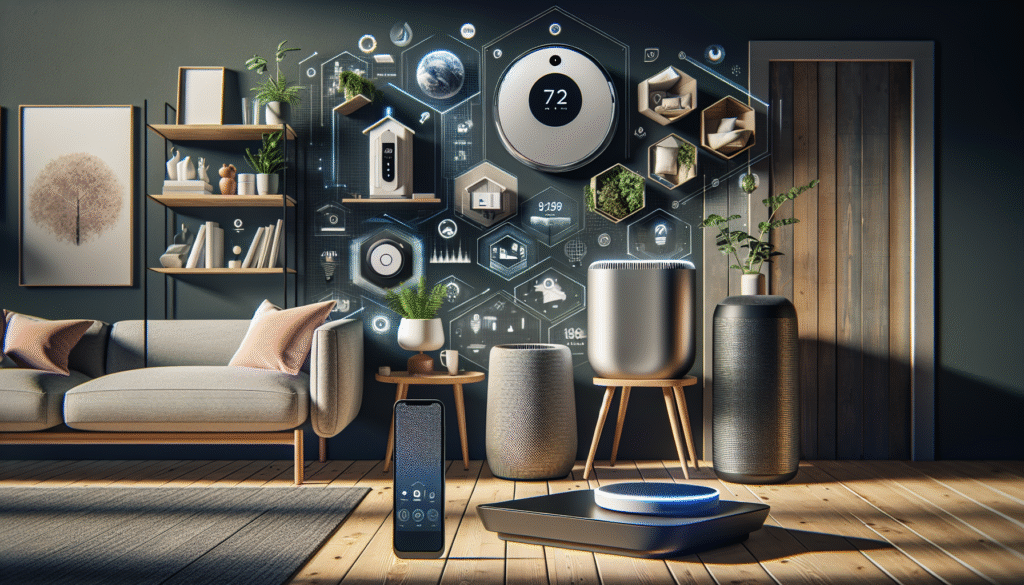
Image Prompt: A modern and cozy living room with various smart home health devices like a smart scale, air purifier, and smart speaker, illustrating a connected home environment for enhanced daily wellness.

Personalised Wellness Apps: Your Guide to Better Health

Discover how personalised wellness apps offer tailored health solutions, improving fitness, nutrition, and mental wellbeing for a healthier lifestyle.

In today’s fastpaced world, finding individual health solutions can be challenging. Fortunately, personalised wellness apps are making this task easier by offering tailored guidance and support. These digital tools are designed to meet your unique health needs, from fitness to nutrition, paving the way for a healthier lifestyle. For more, see this Wikipedia article on Biohacking.

Understanding Personalised Wellness Apps

Personalised wellness apps are designed to adapt to your individual health requirements. These apps use data you provide—like fitness levels, dietary preferences, and health goals—to create a customized wellness plan. By focusing on your unique needs, they offer a more effective approach to achieving optimal health.

The use of artificial intelligence and machine learning in these apps is growing. They can analyze your data and provide realtime feedback, making adjustments as your lifestyle changes. This dynamic approach ensures that your wellness plan evolves with you, offering continuous support.

Benefits of Using Personalised Apps

One of the main benefits of personalised wellness apps is the ability to access tailored information and recommendations. Whether you’re looking to improve your diet, increase your physical activity, or enhance mental wellbeing, these apps offer specific insights to guide your journey.

Another advantage is the convenience of having everything you need in one place. Many apps offer features like fitness tracking, meal planning, and stress management tools, allowing you to monitor your health from anywhere at any time. This centric approach simplifies the process of managing your wellbeing.

Features to Look for in Wellness Apps

When selecting a personalised wellness app, consider features such as userfriendly interface, comprehensive tracking capabilities, and the integration of wearable devices. These elements can enhance your overall experience and help you stay committed to your health goals.

Additionally, apps that offer educational resources and community support can be particularly beneficial. Being part of a likeminded community can provide motivation and guidance, while learning more about wellness topics can empower you to make informed health decisions.

Top Tips:

  • Choose an app that aligns with your specific health goals and preferences.
  • Regularly update your health information for the most accurate recommendations.
  • Take advantage of the app’s reminders and notifications to stay on track.

Integration with Other Tools

Many personalised wellness apps can be synced with other digital tools, like wearable fitness trackers and health monitoring devices. This integration offers a comprehensive view of your wellbeing, allowing for better tracking of your progress.

By connecting your app with external tools, you can gain insights into patterns and trends in your health data. This holistic approach helps you to understand better and manage your wellness journey.

If you ever need to connect with someone for further assistance, using a people finder resource could be beneficial for finding local health professionals or support groups.

Conclusion

Personalised wellness apps are transforming the way we approach health and wellbeing. By providing tailored solutions and support, they empower individuals to take control of their health. Start exploring these digital tools today, and pave your path to a healthier and happier life.

Ready to take your wellness into your own hands? Dive into the world of personalised wellness apps and see the difference they can make! Whether it’s improving your nutrition, fitness, or mental health, these apps offer the guidance you need for success.

Hydration Tracking: Stay Hydrated with Smart Tech

Discover hydration tracking technology to improve your water intake. Explore features, benefits, and tips for staying hydrated every day.

Introduction to Hydration Tracking Technology

In today’s fastpaced world, staying hydrated is essential for optimal health and wellbeing. With the advent of innovative hydration tracking technology, keeping track of your water intake has never been easier. These smart devices are designed to help you stay hydrated and maintain a balanced lifestyle proactively.

How Hydration Trackers Work

Hydration trackers come in various forms, including smart bottles and wearable devices. These gadgets are equipped with sensors that monitor your water consumption and remind you to drink up when necessary. Some advanced models even sync with your smartphone, offering seamless integration with health apps to track your overall wellness journey.

The technology behind these trackers is sophisticated yet userfriendly. Sensors inside the water bottles detect the liquid level and notify you when it’s time for a refill. Additionally, wearable hydration monitors gauge your hydration levels through skin sensors, providing realtime data and personalized feedback.

Benefits of Using Hydration Tracking Technology

Utilizing hydration tracking technology offers numerous benefits beyond merely tracking water intake. For one, it promotes healthier hydration habits by sending timely reminders throughout the day. This consistent tracking helps prevent dehydrationrelated issues such as fatigue, poor concentration, and headaches.

Moreover, these smart devices can be customized to suit individual preferences and goals. Users can set daily hydration targets, monitor their progress, and make necessary adjustments to meet their needs. This personalized approach empowers individuals to take charge of their health and wellbeing more effectively.

Choosing the Right Hydration Tracker for You

When selecting a hydration tracker, consider factors such as design, functionality, and compatibility with other health apps. Some devices offer additional features like temperature monitoring and activity tracking, providing a more comprehensive overview of your health.

Before making a purchase, read reviews and compare various products to ensure you choose a device that aligns with your lifestyle and goals. Consider checking out a people finder to discover user feedback on different hydration tracker models and make an informed decision.

Top Tips: Maximizing Your Hydration Tracker

To get the most out of your hydration tracker, set realistic hydration goals based on your activity level and climate. Use the reminders to establish a routine and make staying hydrated a natural part of your day. Also, explore app integrations to monitor other health metrics and maintain a holistic approach to your wellbeing.

Conclusion

Hydration tracking technology is revolutionizing how we maintain our water intake and overall health. By integrating these smart devices into your daily routine, you can improve your hydration habits and enjoy a healthier lifestyle. Start exploring the world of hydration technology today and stay on top of your wellness journey.

The Future of Wellbeing: Tech for Healthy Ageing

Discover how modern technology is revolutionizing healthy ageing. From smart devices to AI, explore tech innovations that support longevity.

Introduction

In an era where technology permeates every aspect of our lives, it’s no surprise that it’s transforming the way we approach ageing. With advancements in AI, smart devices, and digital health solutions, ageing gracefully while maintaining a high quality of life is more achievable than ever before. This article explores how technology is revolutionizing healthy ageing, offering innovative solutions to enhance longevity and overall wellbeing.

Smart Home Devices for Safe Living

One of the key technologies aiding healthy ageing is smart home devices. These gadgets provide safety, convenience, and independence for older adults. From voiceactivated assistants to automated lighting and smart thermostats, these devices not only enhance comfort but also ensure a safe living environment.

For instance, smart home devices like fall detectors and emergency alert systems can notify family members or caregivers immediately in case of an emergency, allowing for quick and effective response. As these technologies continue to evolve, they are expected to offer even more tailored solutions for the ageing population.

Wearable Technology for Monitoring Health

Wearable technology has become a cornerstone in the realm of health management. Devices such as fitness trackers and smartwatches offer realtime health monitoring, providing valuable insights into physical activity, heart rate, sleep patterns, and more.

These wearable gadgets empower individuals to track their health metrics and make informed decisions about their wellbeing. Moreover, they enable healthcare professionals to monitor patients remotely, ensuring timely interventions when necessary. This seamless integration of wearable tech in daily life helps promote a proactive approach to health management for older adults.

AIPowered Solutions for Personal Health

Artificial Intelligence (AI) is playing a pivotal role in personalizing healthcare for the elderly. AIdriven applications are designed to analyze vast amounts of health data, offering personalized recommendations and predictive insights for better health outcomes.

From AIbased virtual assistants that offer health advice to tools that predict medical conditions, AI is enhancing the ability to provide preventative care. By integrating AI into digital health platforms, older adults can benefit from tailored health plans and timely medical insights, fostering a healthier lifestyle.

Top Tips:

1. Consider integrating smart home devices to create a safer and more comfortable living environment.
2. Use wearable technology to stay informed about your health metrics and engage in proactive health management.
3. Explore AIdriven applications for personalized health insights and recommendations.
4. Stay informed about the latest tech advancements to continually enhance your wellbeing.

Conclusion

As technology continues to advance, its role in promoting healthy ageing becomes increasingly significant. By embracing these innovations, we can enhance our quality of life, maintain independence, and ensure comprehensive health management. Explore these technologies and take charge of your ageing process for a vibrant and fulfilling life. To discover how technology can help you connect with loved ones, check out this people finder resource.

Image Prompt: A futuristic scene showing elderly people engaging with smart devices and technology in a modern home environment, illustrating tech for healthy ageing, with warm, inviting lighting and a sense of connection.