Tag Archives: Nutrition Apps

Unlocking the Power of Nutrition Tracking

Discover how nutrition tracking can transform your health journey. Learn tips and benefits for a balanced diet in the digital age.

Why Is Nutrition Tracking Important?

Have you ever wondered how to effectively manage your diet in today’s fastpaced world? Nutrition tracking offers a practical solution for those looking to optimise their health and achieve dietary goals. With the advancement of technology, tracking what you eat has never been easier or more accessible.

Modern nutrition tracking apps and tools can help you keep an eye on your caloric intake, nutrient consumption, and even your water intake. By understanding what you consume, you can make informed decisions about your diet and lifestyle. This awareness often leads to healthier choices and tangible improvements in wellbeing.

Moreover, nutrition tracking can support weight management, enhance energy levels, and even improve mental health. By logging your meals and snacks, you can identify patterns and adjust your eating habits accordingly. Whether you’re looking to lose weight, gain muscle, or simply maintain your current physique, nutrition tracking can be a valuable ally in your wellness arsenal.

The Benefits of Digital Nutrition Tools

The digital age brings a plethora of tools designed to make nutrition tracking straightforward and engaging. From smartphone apps to wearable devices, these innovations offer userfriendly interfaces and a wide range of functionalities that cater to individual needs.

One significant advantage of digital nutrition tools is their ability to provide realtime feedback. Apps like MyFitnessPal and Cronometer allow users to scan barcodes, log meals, and receive immediate insights into their dietary habits. This immediacy can be incredibly motivating, driving users to stick to their health plans.

Furthermore, many apps offer personalised recommendations based on your specific goals. Whether you’re aiming for weight loss, muscle gain, or maintenance, these technologies adjust your daily caloric and nutritional targets. This tailormade approach helps ensure you’re meeting your unique dietary needs.

Digital tools also facilitate community engagement. The ability to share progress with friends or join online groups can provide accountability and support, essential components for longterm success in any health journey.

How to Effectively Log Your Meals

To make the most out of nutrition tracking, it’s essential to implement effective logging habits. A common challenge is the meticulous nature of recording every meal and snack. However, with practice and routine, it becomes second nature.

Start by setting reminders to log your meals immediately after eating. Consistency is key, and forming a habit of timely logging increases accuracy. Many apps allow for prelogging meals, which can help you plan and stick to your dietary intentions.

While logging, pay attention to portion sizes. Many apps include visual guides for estimating portions, ensuring you’re accurately recording your intake. Be honest in your entries; underreporting may skew your data and hinder progress.

Finally, don’t forget to log beverages and condiments, which can be overlooked but significantly impact your nutritional balance.

Overcoming Common Tracking Challenges

As with any endeavour, nutrition tracking can present challenges. One common obstacle is data inaccuracy, which can stem from incorrect food entries or misunderstanding nutritional information.

To overcome this, take advantage of the extensive food databases found in popular apps. These databases are continually updated, offering reliable information. If you’re preparing meals from scratch, consider using a digital food scale for precise measurements.

Another challenge is maintaining motivation. It’s easy to fall off track when life gets busy. Combat this by setting achievable goals and celebrating small victories. Even if you miss a day of logging, don’t be discouraged. Get back on track and remind yourself of your why — the reason you started this journey.

Top Tips: Maximising Your Nutrition Tracking

Top Tips:
Set realistic and specific dietary goals.
Use apps with barcode scanners for quick logging.
Join community forums for support and motivation.
Regularly review your progress and adjust as needed.
Prioritise consistency over perfection.

FAQ: Nutrition Tracking Queries

FAQ:
How do I start with nutrition tracking?
Begin by downloading a reliable app, set your dietary goals, and start logging all meals and snacks.

Can nutrition tracking help with weight loss?
Yes, by providing insights into your eating habits, enabling you to make informed dietary changes.

Do I need to log every meal?
For best results, aim to log everything, but focus on consistency rather than perfection.

What if I don’t have time to log daily?
Set reminders and prelog meals when possible to save time and maintain tracking consistency.

Can I track my hydration too?
Many apps include water intake logs, helping you ensure adequate daily hydration.

Conclusion: Make Nutrition Tracking Your Ally

Nutrition tracking is more than just counting calories; it’s about fostering a deeper understanding of your dietary habits and their effects on your health. By leveraging technology to track your nutrition, you can make informed choices that align with your health goals.

Ready to take control of your health journey? Start exploring nutrition tracking tools today and see how they can transform your lifestyle. Do you have tips or experiences to share about nutrition tracking? What challenges have you faced, and how did you overcome them? Feel free to share your thoughts and join the conversation.

For those interested in finding support communities, you can explore options like the people finder for connecting with likeminded individuals.

For more, see this Wikipedia article on Nutrition.

Mastering Nutrition Tracking for a Healthier Life

Discover the benefits and methods of nutrition tracking, empowering you to make better dietary choices and improve your wellbeing.
Have you ever wondered how you can gain better control over your diet and nutrition? Nutrition tracking might be your answer. In our fastpaced world, making sure you’re getting the right nutrients can sometimes be overlooked. Incorporating nutrition tracking into your routine can help you make more informed choices, ultimately leading to an improved and healthier lifestyle.

Understanding Nutrition Tracking

Nutrition tracking involves recording and analysing the foods you consume. This practice can provide valuable insights into your dietary habits, helping you pinpoint areas for improvement. Many tools and apps are available today, making the process easier than ever.

Simply put, nutrition tracking turns your meals into data. By understanding this data, you can ensure you’re getting the right balance of nutrients, adjust your portions, and identify any unhealthy patterns. Once you start tracking, you’ll be surprised at the insights you gain about your dietary behaviour.

Whether it’s for weight management, building muscle, or just maintaining a balanced diet, understanding what you eat is crucial. Nutrition tracking can help tailor your eating habits to fit your personal health goals, providing a solid foundation for better health.

Benefits of Nutrition Tracking

There are numerous advantages to tracking your nutrition. First and foremost, it allows you to monitor your calorie intake. By understanding how many calories you consume, you can better manage your weight, either by losing, gaining, or maintaining it according to your goals.

Beyond calorie counting, nutrition tracking enables you to ensure you’re getting enough vitamins and minerals. Micronutrients are essential for various bodily functions, and tracking can highlight if you’re missing out on any vital nutrients.

Moreover, keeping a food diary can help you identify any food intolerances or allergies. Often, reactions to certain foods can go unnoticed until they are observed over time. By reviewing your dietary records, you can easily spot any correlations between your diet and how you feel.

Choosing the Right Tools

Selecting the right tool is crucial for effective nutrition tracking. There are countless apps available, each offering unique features. Some focus on calories, while others provide a more comprehensive nutrient analysis. Choose one that aligns with your personal health goals and preferences.

Mobile apps are particularly convenient, as they allow you to enter information on the go. Many apps also offer barcode scanning for quick entries, making the process seamless. Additionally, some apps sync with wearable tech, providing a fuller picture of your health.

Beyond apps, traditional methods like keeping a written food diary can also be effective. This approach requires more manual input but can be a good option for those who prefer pen and paper.

Integrating Nutrition Tracking Into Your Lifestyle

Incorporating nutrition tracking into your daily routine doesn’t have to be daunting. Start by setting clear goals—whether it’s to eat more vegetables, drink more water, or reduce sugar intake. Having a clear objective will keep you motivated.

Make tracking a habit by setting reminders or incorporating it into your daily schedule. Many people find that logging meals right after eating is the easiest way to ensure accuracy.

Don’t forget to review your data regularly. Analysing your records will help you stay on track and make necessary adjustments. Over time, you’ll become more conscious of your eating habits, which is an essential step towards a healthier lifestyle.

Top Tips for Effective Nutrition Tracking

Top Tips:

Start small: Begin with one meal a day to gradually build the habit.
Be honest: Accurately record what you eat, including portion sizes.
Stay consistent: Make it a daily practice for the best results.
Use technology: Leverage modern apps for convenience and accuracy.
Regularly review: Use your data to refine and improve your diet.

Frequently Asked Questions

FAQ:

Q: Do I need to track every meal?
A: It’s beneficial to track as much as possible, but starting with one meal a day can be a great introduction.

Q: Can nutrition tracking help with weight loss?
A: Yes, by monitoring calorie intake and food quality, tracking can aid in weight management.

Q: Are there costs associated with nutrition apps?
A: Many apps offer free versions with optional premium upgrades for additional features.

Q: How do I track homemade meals?
A: Estimate ingredients or use recipe functions in apps to enter homemade meals accurately.

Q: Is there a risk of becoming too focused on tracking?
A: Like any tool, it’s important to use nutrition tracking mindfully and avoid obsessing over details.

Conclusion: Take Control of Your Nutrition

Nutrition tracking is a powerful tool that can transform how you approach food and health. By understanding what you eat, you can make informed choices that benefit your wellbeing. Why not give it a try today? Start small and see the difference it can make. What nutritional goals do you have? How will you incorporate tracking into your routine? Let us know your thoughts and experiences with nutrition tracking.

For more health and lifestyle insights, explore our people finder tool to connect with wellness experts.

For more, see this Wikipedia article on Wellness.

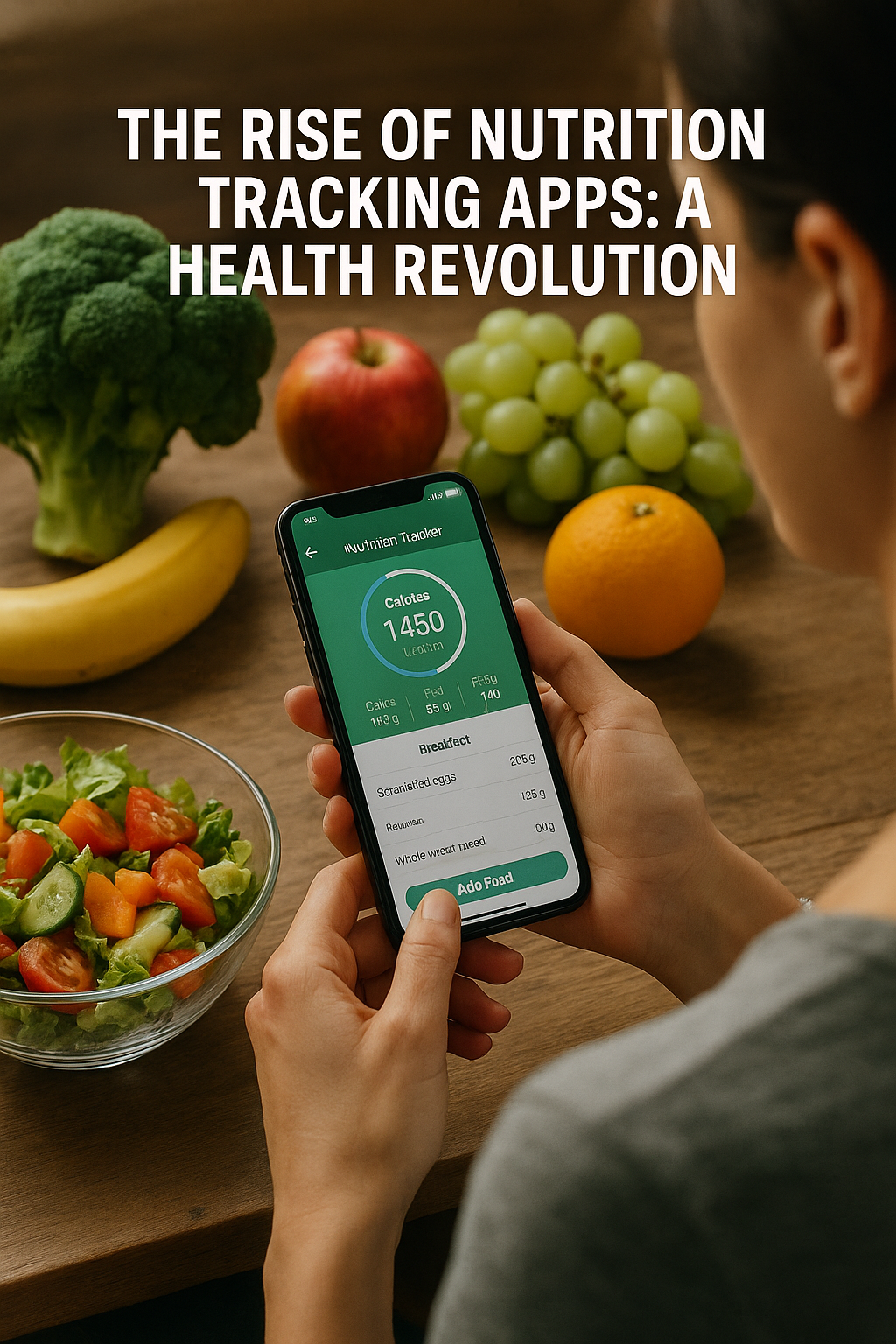
The Rise of Nutrition Tracking Apps: A Health Revolution

#image_title

Introduction

In today’s fastpaced world, maintaining a healthy diet can often become an afterthought. Thankfully, nutrition tracking apps have emerged as valuable tools for individuals eager to balance their wellness goals with their busy lifestyles. These digital companions are transforming how we manage our health, making it easier to stay on top of our dietary habits and make informed nutritional choices.

The Basics of Nutrition Tracking Apps

Nutrition tracking apps allow users to log their daily food intake, providing a comprehensive overview of their dietary habits. These apps come equipped with extensive food databases that make calorie counting and nutrient tracking simpler and more efficient. By offering insights into the nutritional value of various foods, users can better understand their eating patterns and make healthier choices.

These apps often include features like barcode scanners for quick food entry and personalized recommendations based on the user’s dietary goals. Whether aiming to lose weight, gain muscle, or maintain a balanced diet, nutrition tracking apps can be tailored to suit individual needs.

Key Features and Benefits

One of the standout features of these apps is their ability to provide personalized feedback and progress tracking. Users can set personal goals and monitor their achievements over time, which fosters motivation and accountability. Many apps also offer insights into macronutrient ratios and suggest dietary adjustments to enhance health outcomes.

Moreover, nutrition tracking apps often integrate with other health devices and apps, creating a holistic view of one’s health. This integration allows users to see their dietary habits alongside metrics like physical activity and sleep patterns, delivering a comprehensive health snapshot.

How to Choose the Right App

With a plethora of nutrition apps available, selecting the right one can be daunting. Start by evaluating your specific health goals. Are you focused on weight loss, muscle gain, or simply improving your overall health? Features like goal setting, detailed food databases, and progress tracking should align with your objectives.

Consider the user interface and ease of use, as a more intuitive app can simplify the tracking process. Furthermore, check for app compatibility with other devices and services you use, such as fitness trackers or health monitoring apps, to enhance your health management strategy.

Top Tips:

1. Set Realistic Goals: Begin with manageable goals to maintain motivation and gradually increase complexity as you adapt.
2. Log Consistently: Make logging your meals a routine to ensure accurate tracking and meaningful insights.
3. Use Barcode Scanning: Utilize barcode scanning features for quick entry and verification of nutritional information.
4. Stay Informed: Regularly update the app to benefit from new features and improved food databases.

Conclusion

Nutrition tracking apps represent a pivotal advancement in health technology, empowering individuals to take control of their dietary habits. By providing tools to make informed decisions and stay motivated, these apps can significantly enhance your journey towards better health. Start using a nutrition tracking app today to unlock your potential for healthier living. For those interested in viewing other health and wellness resources, check out this people finder tool to connect with reputable health professionals.

Make the leap towards a healthier lifestyle and let these digital tools guide you on the path to nutritional wellness.

For more, see this Wikipedia article on Health.

Personalised Wellness Apps: Your Guide to Better Health

Discover how personalised wellness apps offer tailored health solutions, improving fitness, nutrition, and mental wellbeing for a healthier lifestyle.

In today’s fastpaced world, finding individual health solutions can be challenging. Fortunately, personalised wellness apps are making this task easier by offering tailored guidance and support. These digital tools are designed to meet your unique health needs, from fitness to nutrition, paving the way for a healthier lifestyle. For more, see this Wikipedia article on Biohacking.

Understanding Personalised Wellness Apps

Personalised wellness apps are designed to adapt to your individual health requirements. These apps use data you provide—like fitness levels, dietary preferences, and health goals—to create a customized wellness plan. By focusing on your unique needs, they offer a more effective approach to achieving optimal health.

The use of artificial intelligence and machine learning in these apps is growing. They can analyze your data and provide realtime feedback, making adjustments as your lifestyle changes. This dynamic approach ensures that your wellness plan evolves with you, offering continuous support.

Benefits of Using Personalised Apps

One of the main benefits of personalised wellness apps is the ability to access tailored information and recommendations. Whether you’re looking to improve your diet, increase your physical activity, or enhance mental wellbeing, these apps offer specific insights to guide your journey.

Another advantage is the convenience of having everything you need in one place. Many apps offer features like fitness tracking, meal planning, and stress management tools, allowing you to monitor your health from anywhere at any time. This centric approach simplifies the process of managing your wellbeing.

Features to Look for in Wellness Apps

When selecting a personalised wellness app, consider features such as userfriendly interface, comprehensive tracking capabilities, and the integration of wearable devices. These elements can enhance your overall experience and help you stay committed to your health goals.

Additionally, apps that offer educational resources and community support can be particularly beneficial. Being part of a likeminded community can provide motivation and guidance, while learning more about wellness topics can empower you to make informed health decisions.

Top Tips:

  • Choose an app that aligns with your specific health goals and preferences.
  • Regularly update your health information for the most accurate recommendations.
  • Take advantage of the app’s reminders and notifications to stay on track.

Integration with Other Tools

Many personalised wellness apps can be synced with other digital tools, like wearable fitness trackers and health monitoring devices. This integration offers a comprehensive view of your wellbeing, allowing for better tracking of your progress.

By connecting your app with external tools, you can gain insights into patterns and trends in your health data. This holistic approach helps you to understand better and manage your wellness journey.

If you ever need to connect with someone for further assistance, using a people finder resource could be beneficial for finding local health professionals or support groups.

Conclusion

Personalised wellness apps are transforming the way we approach health and wellbeing. By providing tailored solutions and support, they empower individuals to take control of their health. Start exploring these digital tools today, and pave your path to a healthier and happier life.

Ready to take your wellness into your own hands? Dive into the world of personalised wellness apps and see the difference they can make! Whether it’s improving your nutrition, fitness, or mental health, these apps offer the guidance you need for success.

AI Wellness Gadgets & Tech: Top Gadgets & Apps Personal Health

Wellness Gadgets
Wellness Gadgets

In today’s fast-paced world, staying healthy and maintaining well-being can feel overwhelming. Fortunately, wellness gadgets are changing the game. These innovative devices are designed to help us monitor, track, and improve various aspects of our health. From smart rings that analyse sleep patterns to AI-powered fitness platforms offering personalised workouts, wellness gadgets are making it easier than ever to stay on top of our physical and mental well-being. As technology continues to advance, integrating these gadgets into our daily routines is becoming the new norm.

1. Smart Rings: Compact Health Monitors

Oura Ring 4

  • Release Date: 15 October 2024
  • Price: Starting at £275; subscription at £4.99 per month
  • Features: The Oura Ring 4 offers advanced health tracking, including heart rate, sleep stages, and activity levels. It features a sleek titanium design, recessed sensors for comfort, and up to 8 days of battery life. The ring also provides women’s health features like cycle tracking and pregnancy insights.

Samsung Galaxy Ring

  • Release Date: 24 July 2024
  • Price: £315
  • Features: Tailored for Samsung users, this ring integrates seamlessly with the Samsung Health app. It includes sleep tracking, heart rate monitoring, and skin temperature sensing. No subscription is required, and it comes with a wireless charging case.

RingConn Gen 2 Air

  • Release Date: 21 March 2025
  • Price: £160
  • Features: This lightweight ring (weighing only 2.5g) offers AI-powered health insights, advanced sleep tracking, and up to 10 days of battery life. It’s an affordable option without sacrificing essential health monitoring features.

2. AI-Powered Fitness Platforms

CloudFit

  • Overview: CloudFit is an AI-driven wellbeing platform that delivers personalised health programmes and coaching for physical, mental, and nutritional health. It offers a free tier, making it accessible for individuals and small gyms.

AdaptAI

  • Overview: Launched in 2025, AdaptAI is an AI-powered fitness and wellness platform offering tailored workout plans based on biometric data. It uses real-time feedback to adjust routines, helping users optimise their physical and mental wellbeing.

3. Mental Health Support Apps

EmoBay

  • Overview: EmoBay is an AI-powered mental health platform offering 24/7 conversational support, mood tracking, and crisis-response guidance through a chatbot interface. It provides accessible, stigma-free support anytime, anywhere.
  • Subscription: Free basic version; premium features from £15 per month.

Wysa

  • Overview: Wysa is an AI-driven mental health app that provides users with an AI coach for confidential conversations, self-help tools, and coping techniques.
  • Subscription: Free version available; premium starts at £16 per month.

Youper

  • Overview: Youper is an AI-powered emotional health assistant that guides users through science-backed conversations and exercises to reduce stress and improve mood.
  • Subscription: Free 7-day trial, then £55 per year.

4. Smart Home Wellness Gadgets

Withings Omnia Smart Mirror

  • Release Date: 8 January 2025
  • Price: £899
  • Features: The Withings Omnia is an AI-enabled smart mirror that provides a comprehensive health overview by measuring weight, metabolic health, and heart health. It integrates data from other trackers and offers real-time feedback through a built-in AI voice assistant.

Ozlo Sleepbuds

  • Release Date: 30 September 2024
  • Price: £240
  • Features: Designed by former Bose engineers, Ozlo Sleepbuds offer passive noise cancellation and soothing audio to improve sleep quality. They are designed for comfort, especially for side sleepers, and provide up to 10 hours of Bluetooth streaming.

5. AI-Enhanced Nutrition Tracking

DietGlance

  • Overview: DietGlance automatically monitors dietary intake using multimodal inputs, including wearable tech and AI-driven analysis. It delivers personalised nutritional advice, helping users make informed dietary choices.
  • Price: Free basic version; premium subscription at £9.99 per month.

Cal AI

  • Overview: Cal AI is a calorie tracker app that allows users to take pictures of their food, providing estimates of calorie and macronutrient content.
  • Subscription: Free version; premium at £4 per month.

Wellness Gadgets – Why AI Wellness Tech Matters

The convergence of AI and wellness in 2025 is leading to innovative tools that empower individuals to take control of their health. From wearable devices to intelligent apps, these advancements offer personalised insights and support, making wellness more accessible and tailored than ever before. As more people integrate AI health gadgets into their daily routines, the potential for improved well-being grows significantly.

AI-POWERED PERSONALISED WELLNESS

AI Nutrition Tracking Transforming Diets and Optimisation

AI Nutrition Tracking
#image_title

Why AI is Changing How We Approach Nutrition

AI Nutrition Tracking is keeping track of nutrition used to mean scribbling notes in a food diary or calculating calories by hand. Today, AI-driven apps are making it easier to monitor what we eat, analyse dietary habits, and make informed choices. By using advanced algorithms, these tools offer personalised recommendations based on real-time data, helping individuals optimise their diets without the guesswork.

How AI Nutrition Tracking Works

At the core of AI nutrition tracking are algorithms that process vast amounts of data. These systems gather information from wearable devices, health apps, and manual inputs, such as food logs. The data is then analysed to understand eating patterns, nutrient intake, and overall dietary habits. Based on this analysis, the app offers tailored meal suggestions, tracks calories, and even alerts users when they deviate from their goals.

Key Features of AI-Driven Nutrition Apps

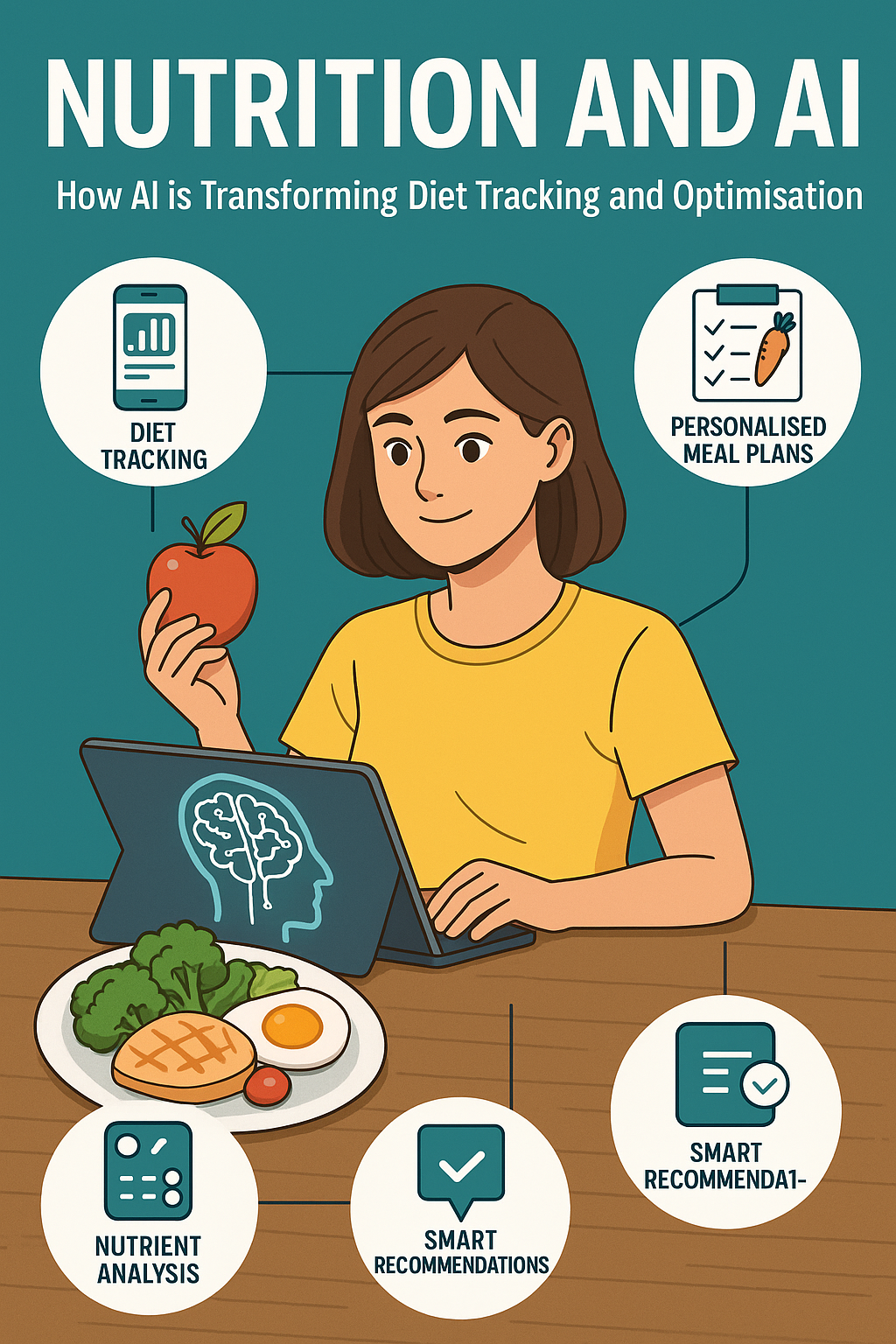
AI-powered nutrition tools are designed to simplify diet management and promote healthier eating habits. Here are some key features:

  • Automated Calorie Counting: AI scans barcodes or recognises food items from photos to calculate calorie intake.
  • Personalised Meal Plans: Based on dietary preferences, goals, and allergies, AI creates customised meal suggestions.
  • Nutrient Analysis: Tracks macronutrients (like proteins, carbs, fats) and micronutrients (such as vitamins and minerals) to ensure balanced eating.
  • Health Integration: Syncs with fitness trackers to adjust nutritional goals based on activity levels.
  • Smart Recommendations: Learns from past eating patterns and suggests healthier alternatives.
  • Voice Assistance: Integrates with smart devices to log meals via voice commands.
  • Recipe Suggestions: AI curates recipes based on available ingredients, helping to reduce food waste.

Popular AI Nutrition Apps and Gadgets

Several apps and gadgets are leading the way in AI-powered nutrition:

  • MyFitnessPal: Uses AI to scan food labels and track calorie intake accurately.
  • Nutrino: Offers personalised meal plans using data from wearable devices.
  • Yazio: Integrates AI to analyse nutritional needs and suggest balanced meals.
  • Samsung Health: Tracks daily food intake and monitors progress through AI-driven insights.
  • FitGenie: Uses machine learning to suggest meal adjustments based on fitness goals.

How AI Enhances Personalised Dieting

One of the most significant advantages of AI in nutrition is personalisation. Rather than following generic diet plans, users receive advice tailored to their body type, metabolism, and lifestyle. For instance, AI can recommend higher protein intake for muscle gain or suggest reducing sugar for those managing diabetes. As the app learns more about the user, it refines its recommendations, becoming more accurate and relevant.

Scientific Backing: How Accurate Are AI Diet Recommendations?

Research shows that AI-driven nutrition apps can be remarkably accurate when trained on large, diverse datasets. A study published in the Journal of Medical Internet Research found that AI-powered diet tracking apps significantly improve adherence to nutritional goals compared to manual methods. By continuously updating with new data, these apps become more precise, offering dynamic adjustments rather than static meal plans.

Challenges and Considerations

Despite their advantages, AI nutrition tools have some challenges:

  • Data Privacy: Since these apps collect sensitive health data, users must be cautious about sharing information.
  • User Accuracy: The reliability of the recommendations depends on accurate data entry.
  • Algorithm Bias: Some apps may favour certain dietary practices if their training data is not diverse enough.
  • Motivation Factors: While AI can suggest, it cannot enforce healthy eating habits. Commitment from the user remains essential.

Expert Insight: Nutritionists Weigh In

Nutrition expert Dr. Alice Ford says, “AI can significantly enhance diet management, but it should complement, not replace, professional advice. Personalisation is key, and AI helps bridge the gap between generic diets and individual needs.” Meanwhile, tech developer John Roberts notes, “The future of AI nutrition lies in integrating more real-time data, allowing for quicker adjustments and greater personal relevance.”

Future Trends in AI Nutrition

Looking ahead, we can expect more sophisticated AI nutrition systems that predict dietary needs based on genetic information and real-time health metrics. Innovations may include:

  • Nutrigenomics: AI that tailors diets based on genetic markers.
  • Mood-Linked Diet Suggestions: Recommending foods that boost mood based on emotional data.
  • Real-Time Glucose Monitoring: Integrating blood sugar data to manage diabetes more efficiently.
  • Sustainable Eating Guides: Suggesting meal plans that align with environmental goals, reducing carbon footprints.

Final Thoughts for AI Nutrition Tracking

AI nutrition is not just a passing trend but a transformative approach to healthy living. As technology continues to advance, we can expect even more precise, data-driven solutions for optimising our diets. Whether you are looking to lose weight, build muscle, or simply eat healthier, AI is making nutrition tracking more intuitive and personalised than ever before.

AI-Powered Personalised Wellness