Introduction
Have you ever wondered if you’re getting the most out of what you eat? Nutrition tracking is increasingly popular as people strive to optimise their health and wellness. This form of monitoring can offer insights into your dietary habits, helping you make informed decisions about your food intake. Let’s delve into the world of nutrition tracking and explore its benefits, tools, and tips for getting started.
The Benefits of Nutrition Tracking
Nutrition tracking isn’t just for those looking to lose weight. It’s a powerful tool for anyone wanting to live a healthier life. By monitoring your food intake, you gain valuable insights into your dietary patterns. This can help identify nutritional deficiencies and imbalances.
When you track your nutrition, you’re better equipped to make changes that support your health goals. This might include increasing your intake of vegetables and fruits or reducing processed foods. Moreover, consistent tracking can lead to more mindful eating, fostering a better relationship with food.
Additionally, tracking your nutrition can complement specific dietary needs. Whether you follow a vegan diet, are gluten intolerant, or need to manage a medical condition like diabetes, understanding your food intake can aid in ensuring you meet your nutritional needs effectively.
Tools for Effective Nutrition Tracking
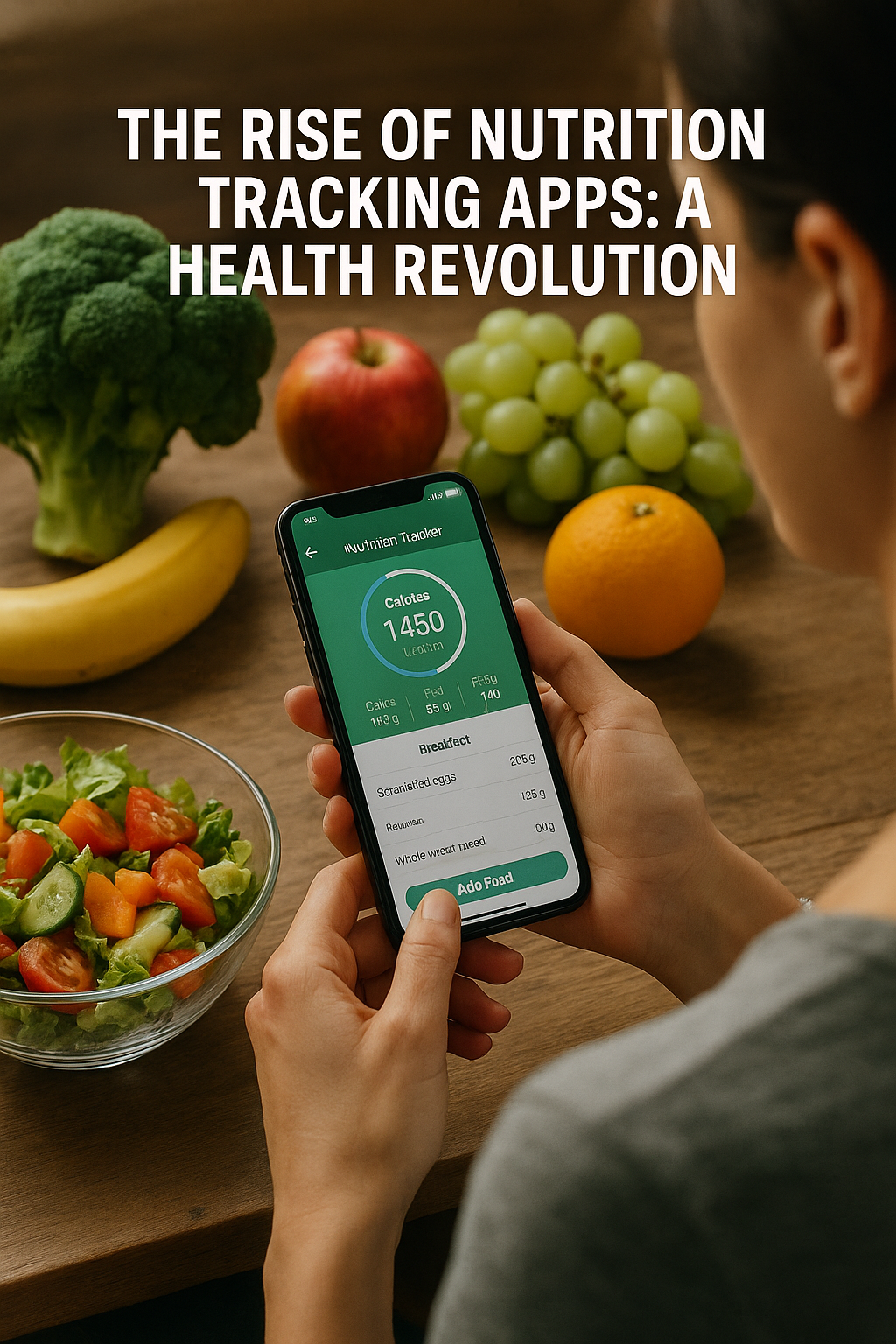
The digital age offers a multitude of tools for nutrition tracking. Many mobile apps are designed to simplify the process. Popular apps like MyFitnessPal, Lose It!, and Cronometer provide extensive food databases and intuitive interfaces for logging meals.
These tools often include features such as bar code scanning, which simplifies entering packaged foods. They can also incorporate your physical activity level, giving you a more comprehensive view of your health. By using these apps, you can track calories, macronutrients, and even micronutrients with ease.
In addition to apps, wearable technology can support your nutrition tracking efforts. Devices like the Fitbit or Apple Watch can sync with nutrition apps, providing an integrated approach to health management.
Challenges and Solutions in Nutrition Tracking
While the benefits of nutrition tracking are clear, some challenges may arise. One common obstacle is the time and effort required to log meals daily. Initially, this can seem overwhelming, but as you become more familiar with the process, it becomes second nature.
Another challenge is the potential for becoming too focused on numbers, leading to obsessive behaviour. It’s crucial to maintain a balanced approach and view tracking as a tool, not a strict dietary dictator. Setting realistic goals and allowing flexibility in your diet can mitigate this issue.
To overcome these challenges, consider starting with simpler tracking methods. For example, begin by noting down your meals in a journal before transitioning to digital tools. This helps build the habit gradually.
Nutritional Tracking for Different Goals
Nutrition tracking can be tailored to different health goals. If weight loss is your objective, focusing on calorie intake and creating a deficit is essential. Tracking can help identify where excess calories are coming from and suggest healthier alternatives.
For those interested in muscle gain, tracking protein intake becomes crucial. Ensuring your diet supports muscle recovery and growth can be effectively managed through precise nutrition tracking.
If general health improvement is your aim, tracking can foster awareness of your eating patterns. This awareness often serves as the catalyst for healthier choices and improved wellbeing.
Top Tips and FAQ
Top Tips:
Start small, and gradually increase the details you track.
Use reliable apps to streamline the process.
Set achievable goals and celebrate small victories.
Stay flexible to maintain a positive mindset.
Pair tracking with regular exercise for optimal results.
FAQ:
Q: Do I need to track every meal?
A: While tracking every meal provides more accuracy, focus on tracking the majority to build a habit.
Q: What should I do if I miss a day?
A: Don’t worry about missed days; just continue the next day without judgement.
Q: Is nutrition tracking suitable for everyone?
A: Generally, yes, but consult a healthcare professional if you have specific health conditions.
Q: Can tracking help with food allergies?
A: Absolutely, it increases awareness of food intake and potential allergens.
Q: Does nutrition tracking mean I can’t indulge?
A: Indulgence is fine in moderation, as long as it fits within your overall dietary plan.
Conclusion
As you navigate your nutrition tracking journey, remember it’s about creating a healthier lifestyle, not just counting numbers. The insights gained can be transformative, leading to better health and wellbeing. What are your nutrition goals, and how can tracking help you achieve them? Share your experiences and thoughts on incorporating this practice into your life. For more insights on finding support, consider checking out this people finder to connect with a nutritionist or dietitian who can guide you further.
For more, see this Wikipedia article on Technology.