Tag Archives: Personalised Nutrition

Tracking Your Microbiome: The New Wellness Frontier

Discover how microbiome tracking platforms are revolutionising health and wellness, offering insights for better lifestyle choices and personalised nutrition.

Understanding the Microbiome Revolution

Have you ever wondered what goes on inside your gut? The microbiome, a complex community of trillions of microorganisms, plays a vital role in maintaining our health. In recent years, microbiome tracking platforms have emerged as innovative solutions for those seeking to better understand this inner ecosystem. As we dive into the world of gut health, these platforms are pioneering new ways to improve wellness through personalised insights.

Microbiome tracking platforms analyse the bacteria, viruses, and fungi living in your gut. These platforms offer customised recommendations on diet, lifestyle, and even mental health based on your unique microbial makeup. This personalised approach has the potential to revolutionise how we view nutrition and manage our wellbeing.

The interest in microbiome tracking is largely driven by the increasing awareness of how gut health impacts overall health. From influencing mood and energy levels to immune function, a wellbalanced microbiome is essential for optimal wellness. As we explore this emerging field, it’s clear that microbiome tracking holds promise for those seeking to take control of their health.

How Microbiome Tracking Platforms Work

Microbiome tracking platforms work by collecting samples, usually through a simple athome test kit. Users send their samples to a laboratory where the microbial DNA is sequenced and analysed. The results provide a comprehensive snapshot of the user’s gut microbiome, which is then used to generate personalised health insights.

These platforms often utilise advanced algorithms and artificial intelligence to decipher the complex data. By comparing your microbiome profile with extensive datasets, they can offer recommendations tailored to your specific needs. This can include dietary adjustments, supplements, and lifestyle changes aimed at enhancing your gut health.

With the increasing demand for personalised health solutions, microbiome tracking platforms are becoming more accessible and userfriendly. Many platforms now offer mobile apps that allow users to track their progress and access their data in realtime. As these technologies evolve, they are set to become integral tools in personalised healthcare.

The Benefits of Monitoring Your Microbiome

Monitoring your microbiome can provide a range of benefits, from improving digestion to boosting mental wellbeing. By understanding the unique composition of your gut, you can make informed decisions about your diet and lifestyle, leading to better health outcomes.

One of the key advantages of microbiome tracking is the ability to receive personalised dietary recommendations. Many platforms can identify which foods are beneficial or potentially problematic based on your gut profile. This personalised approach can help address issues such as bloating, food intolerances, and even mood swings, leading to an overall improvement in quality of life.

In addition to dietary insights, microbiome tracking platforms can provide suggestions for supplements and probiotics that may enhance your gut health. These recommendations are designed to optimise your microbial balance, supporting your immune system and reducing the risk of chronic diseases.

Challenges and Considerations

While microbiome tracking platforms offer exciting opportunities, potential challenges must be considered. The science behind the gut microbiome is still relatively new, and our understanding of it continues to evolve. This means that while these platforms provide valuable insights, they should be used as part of a broader health strategy rather than a standalone solution.

The accuracy of microbiome data can also vary between platforms. Users should research and choose reputable services that use scientifically validated methods. Additionally, privacy concerns regarding genetic data should not be overlooked. As data privacy becomes an increasing concern, it’s essential to understand how your data will be used and protected by the platform provider.

For those interested in exploring microbiome tracking, consulting with healthcare professionals can be beneficial. This ensures that any recommendations align with your overall health goals and medical needs.

Top Tips:

1. Research different microbiome tracking platforms to find one that suits your needs.
2. Consider your health goals when interpreting microbiome data.
3. Consult a healthcare professional for tailored advice.
4. Stay informed about the latest research in gut health and microbiome science.
5. Be cautious of unrealistic claims and ensure you choose a reputable service.

FAQ:

Q: What exactly is the microbiome?
A: The microbiome refers to the community of microorganisms, including bacteria, viruses, and fungi, that live in and on our bodies, particularly in the gut.

Q: How can microbiome tracking platforms benefit my health?
A: These platforms provide insights into your gut health, allowing for personalised dietary and lifestyle recommendations, which can improve digestion, immunity, and overall wellbeing.

Q: Are these platforms suitable for everyone?
A: Most people can benefit from microbiome insights, but it’s important to consult a healthcare provider, especially if you have existing health conditions.

Q: How do I choose the right platform for me?
A: Consider factors such as the platform’s scientific validation, user reviews, and privacy policies. It’s also helpful to determine your specific health goals and needs.

Conclusion

In an era where personalised health is becoming increasingly important, microbiome tracking platforms offer a new frontier for understanding and managing our wellbeing. By unlocking the secrets of our gut, these platforms empower us to make informed decisions about our health. Are you ready to explore the world of microbiome tracking? How might these insights change your approach to wellness? Share your thoughts and experiences, and let’s continue the conversation about this exciting innovation.

Discover how insights like these can impact your wellbeing and explore more about the technologies shaping our health. For those curious about how this emerging field could benefit you, a people finder can connect you with experts in nutrition and wellness.

For more, see this Wikipedia article on Nutrition.

AI Revolution in Personalised Nutrition Planning

Discover how AI is transforming nutrition planning and helping you achieve personalised health goals with greater ease and accuracy.
Have you ever wondered how artificial intelligence can improve your diet? As we dive further into the digital age, AI is revolutionising many sectors, including health and nutrition. This technology is quickly becoming a goto solution for creating personalised nutrition plans that cater to individual needs and lifestyle choices. Let’s explore how AI is transforming the way we approach nutrition.

Understanding AI in Nutrition

AI in nutrition planning utilises algorithms to analyse data and provide personalised dietary recommendations. By processing vast amounts of nutritional data, AI systems can tailor meal plans based on individual health goals, dietary preferences, and lifestyle.

These AI tools consider numerous factors such as age, activity level, allergies, and even specific health conditions. This personalised approach ensures that each individual’s dietary needs are met more accurately than traditional methods.

The result? A highly customised nutrition plan that maximises health benefits while accommodating personal tastes and requirements.

The Benefits of Personalised AI Nutrition Plans

One of the significant advantages of using AI for nutrition planning is its ability to provide precise dietary recommendations. Traditional methods often rely on general guidelines that may not be effective for everyone. AI, however, takes a tailored approach, offering solutions that fit your specific needs.

Moreover, AIdriven nutrition plans can adapt to your changing lifestyle. Whether you’re preparing for a marathon or managing a health condition, AI can adjust your plan to support your goals effectively.

Another benefit is the convenience offered by these systems. With easy access through apps and digital platforms, maintaining a healthy diet becomes more manageable and less timeconsuming.

How AI Analyses Your Nutritional Needs

AI technology evaluates your dietary habits by using data from various sources. Wearable devices, food diaries, and even genetic information can feed into these systems, providing a comprehensive view of your nutritional needs.

Through machine learning, AI can identify patterns and trends within this data. This enables the system to predict your dietary requirements and suggest suitable meals, ensuring you receive the necessary nutrients.

Additionally, AI can track and evaluate your progress over time, making realtime adjustments to your nutrition plan as needed.

AI Tools and Apps Making Waves

Several AIpowered apps are designed to help users manage their diets more effectively. These tools offer features like meal tracking, calorie counting, and nutrient analysis, all tailored to the user’s dietary goals.

Some popular AI nutrition apps even allow you to scan food labels, offering immediate insights into nutritional content, which can assist in making healthier choices while shopping.

By integrating these tools into daily life, users gain more control over their nutrition and overall health, proving AI’s potential to enhance wellbeing.

AI’s Role in Future Food Trends

The influence of AI on nutrition is bound to grow, shaping the future of food trends and health consciousness. As technology evolves, AI will continue to refine its ability to offer more sophisticated insights and recommendations.

This evolution is likely to lead to increased consumer demand for personalised nutrition services. As people become more aware of the benefits, the integration of AI into everyday health practices will become more widespread.

AI’s role in nutrition planning isn’t just about convenience; it’s about empowering individuals to make informed choices for a healthier lifestyle.

Top Tips:

1. Regularly update your AI nutrition app with accurate data for the best results.
2. Pair AI insights with advice from healthcare professionals for comprehensive health management.
3. Use AIgenerated meal suggestions to try new recipes and diversify your diet.

FAQ:

Q: How accurate is AI in creating nutrition plans?
A: AI systems use extensive data analysis to provide highly accurate and tailored nutrition plans.

Q: Can AI help with managing specific health conditions?
A: Yes, AI can adapt diet plans to cater to various health conditions, offering personalised recommendations.

Q: Do I need special equipment for AI nutrition planning?
A: Smartphone apps or devices you already own are typically sufficient to use AI for nutrition planning.

In conclusion, AI has emerged as a powerful tool for personalising nutrition plans, offering precision and convenience that traditional methods cannot. Are you ready to embrace AI for your nutrition needs? Share your thoughts and experiences, and explore how AI could transform your approach to healthy eating.

For those seeking additional resources, check out our people finder tool to connect with nutrition experts nearby.

For more, see this Wikipedia article on Nutrition.
AI Nutrition Tracking Transforming Diets and Optimisation

AI Nutrition Tracking
#image_title

Why AI is Changing How We Approach Nutrition

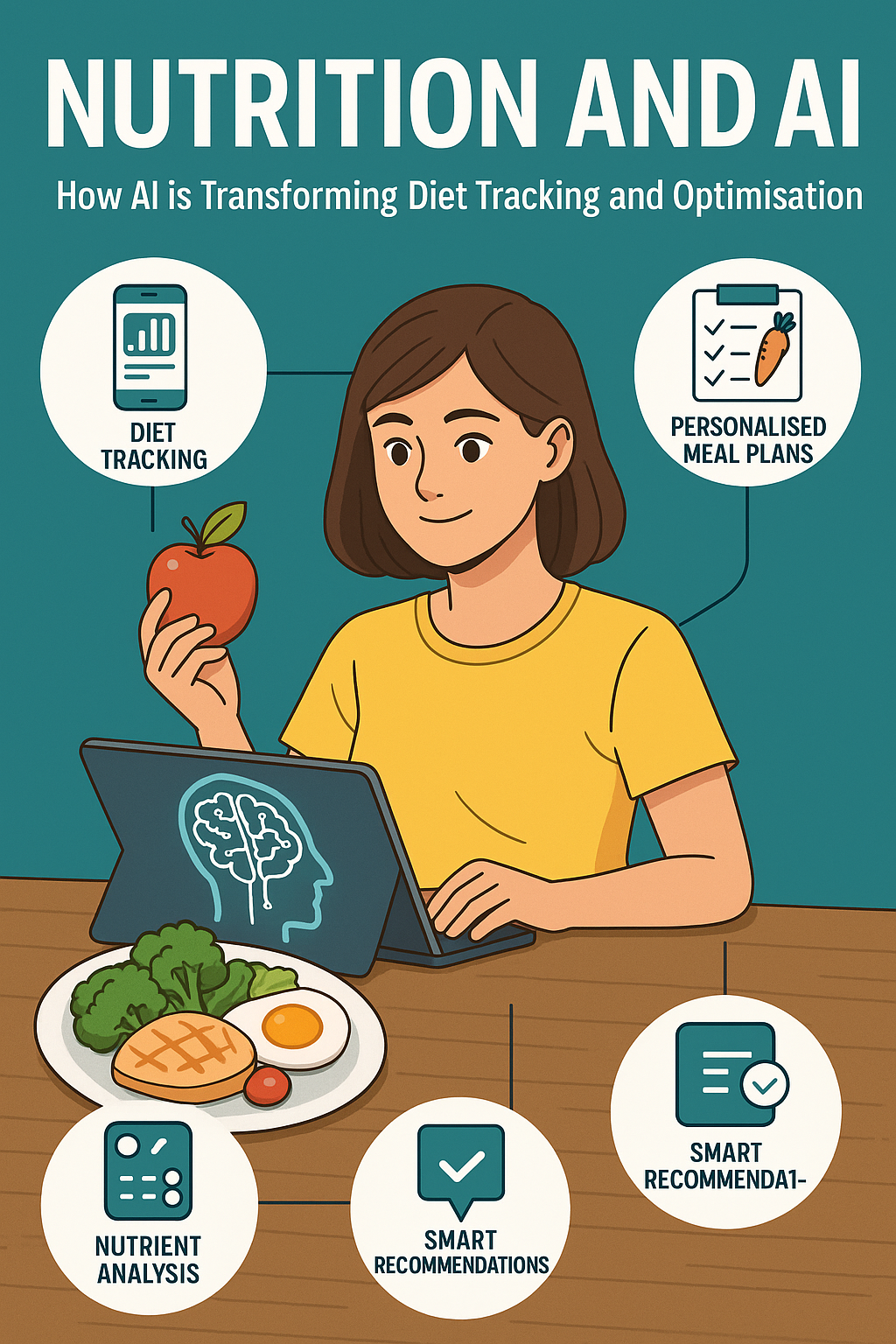
AI Nutrition Tracking is keeping track of nutrition used to mean scribbling notes in a food diary or calculating calories by hand. Today, AI-driven apps are making it easier to monitor what we eat, analyse dietary habits, and make informed choices. By using advanced algorithms, these tools offer personalised recommendations based on real-time data, helping individuals optimise their diets without the guesswork.

How AI Nutrition Tracking Works

At the core of AI nutrition tracking are algorithms that process vast amounts of data. These systems gather information from wearable devices, health apps, and manual inputs, such as food logs. The data is then analysed to understand eating patterns, nutrient intake, and overall dietary habits. Based on this analysis, the app offers tailored meal suggestions, tracks calories, and even alerts users when they deviate from their goals.

Key Features of AI-Driven Nutrition Apps

AI-powered nutrition tools are designed to simplify diet management and promote healthier eating habits. Here are some key features:

  • Automated Calorie Counting: AI scans barcodes or recognises food items from photos to calculate calorie intake.
  • Personalised Meal Plans: Based on dietary preferences, goals, and allergies, AI creates customised meal suggestions.
  • Nutrient Analysis: Tracks macronutrients (like proteins, carbs, fats) and micronutrients (such as vitamins and minerals) to ensure balanced eating.
  • Health Integration: Syncs with fitness trackers to adjust nutritional goals based on activity levels.
  • Smart Recommendations: Learns from past eating patterns and suggests healthier alternatives.
  • Voice Assistance: Integrates with smart devices to log meals via voice commands.
  • Recipe Suggestions: AI curates recipes based on available ingredients, helping to reduce food waste.

Popular AI Nutrition Apps and Gadgets

Several apps and gadgets are leading the way in AI-powered nutrition:

  • MyFitnessPal: Uses AI to scan food labels and track calorie intake accurately.
  • Nutrino: Offers personalised meal plans using data from wearable devices.
  • Yazio: Integrates AI to analyse nutritional needs and suggest balanced meals.
  • Samsung Health: Tracks daily food intake and monitors progress through AI-driven insights.
  • FitGenie: Uses machine learning to suggest meal adjustments based on fitness goals.

How AI Enhances Personalised Dieting

One of the most significant advantages of AI in nutrition is personalisation. Rather than following generic diet plans, users receive advice tailored to their body type, metabolism, and lifestyle. For instance, AI can recommend higher protein intake for muscle gain or suggest reducing sugar for those managing diabetes. As the app learns more about the user, it refines its recommendations, becoming more accurate and relevant.

Scientific Backing: How Accurate Are AI Diet Recommendations?

Research shows that AI-driven nutrition apps can be remarkably accurate when trained on large, diverse datasets. A study published in the Journal of Medical Internet Research found that AI-powered diet tracking apps significantly improve adherence to nutritional goals compared to manual methods. By continuously updating with new data, these apps become more precise, offering dynamic adjustments rather than static meal plans.

Challenges and Considerations

Despite their advantages, AI nutrition tools have some challenges:

  • Data Privacy: Since these apps collect sensitive health data, users must be cautious about sharing information.
  • User Accuracy: The reliability of the recommendations depends on accurate data entry.
  • Algorithm Bias: Some apps may favour certain dietary practices if their training data is not diverse enough.
  • Motivation Factors: While AI can suggest, it cannot enforce healthy eating habits. Commitment from the user remains essential.

Expert Insight: Nutritionists Weigh In

Nutrition expert Dr. Alice Ford says, “AI can significantly enhance diet management, but it should complement, not replace, professional advice. Personalisation is key, and AI helps bridge the gap between generic diets and individual needs.” Meanwhile, tech developer John Roberts notes, “The future of AI nutrition lies in integrating more real-time data, allowing for quicker adjustments and greater personal relevance.”

Future Trends in AI Nutrition

Looking ahead, we can expect more sophisticated AI nutrition systems that predict dietary needs based on genetic information and real-time health metrics. Innovations may include:

  • Nutrigenomics: AI that tailors diets based on genetic markers.
  • Mood-Linked Diet Suggestions: Recommending foods that boost mood based on emotional data.
  • Real-Time Glucose Monitoring: Integrating blood sugar data to manage diabetes more efficiently.
  • Sustainable Eating Guides: Suggesting meal plans that align with environmental goals, reducing carbon footprints.

Final Thoughts for AI Nutrition Tracking

AI nutrition is not just a passing trend but a transformative approach to healthy living. As technology continues to advance, we can expect even more precise, data-driven solutions for optimising our diets. Whether you are looking to lose weight, build muscle, or simply eat healthier, AI is making nutrition tracking more intuitive and personalised than ever before.

AI-Powered Personalised Wellness