Tag Archives: future of health

Revolutionising Health: Remote Monitoring

Discover the latest in remote health monitoring tools, enhancing personal wellbeing and healthcare from the comfort of your home.

Introduction

Have you ever wondered how your health could be managed more effectively without frequent hospital visits or tedious appointments? The advent of remote health monitoring tools is transforming the landscape of personal health management, making it easier for individuals to track their wellness and receive care from the comfort of home. Let’s explore how these cuttingedge solutions are supporting healthier lifestyles and reshaping healthcare.

What Are Remote Health Monitoring Tools?

Remote health monitoring tools are a blend of technology and healthcare designed to track and report health data from a distance. These tools range from wearable devices to smartphone applications that gather information about an individual’s health status. Whether it’s monitoring blood pressure, glucose levels, or heart rate, these devices offer realtime insights into personal health data.

The ability to remotely monitor health not only empowers individuals to take charge of their own wellness, but also facilitates better communication with healthcare providers. By sharing this data, doctors can offer personalised advice and interventions, enhancing the quality of care and outcomes.

The Benefits of Remote Monitoring

One of the most significant advantages of remote health monitoring tools is the convenience they offer. Individuals can manage their health without constantly visiting healthcare facilities, saving time and resources. This is particularly beneficial for those with chronic conditions who require regular monitoring.

Moreover, these tools can lead to earlier detection of potential health issues, allowing for timely intervention. This proactive approach can significantly reduce the risk of complications and improve the overall health of users.

Smart Devices: The Future of Health Management

With the rise of smart technology, remote health monitoring devices have become more sophisticated. Wearables like smartwatches and fitness trackers offer a range of health metrics, from heart rate variability to sleep patterns. These insights are invaluable for those looking to maintain a healthy lifestyle.

Furthermore, these devices are increasingly integrating artificial intelligence to predict health trends and offer personalised advice. As technology advances, the capabilities of these tools will only continue to expand, offering even more comprehensive health management solutions.

Privacy and Security Concerns

While the benefits of remote health monitoring are evident, there are valid concerns regarding data privacy and security. As these devices collect sensitive health information, ensuring this data remains confidential and protected is crucial. Manufacturers and healthcare providers must prioritise security measures to protect users’ information from potential breaches.

Users can also take steps to safeguard their data by understanding the privacy settings of their devices and choosing those that offer robust security features. As the industry grows, so too will the focus on enhancing the security of these vital tools.

Top Tips:

1. Choose devices with strong privacy policies and security features.
2. Regularly update your devices and apps to maintain security.
3. Share your health data with trusted healthcare providers only.
4. Stay informed about the latest advancements in remote health tech.

FAQ:

What kind of data can remote health monitoring tools track?

Remote health monitoring tools can track various health metrics, including heart rate, blood pressure, glucose levels, and more.

Are these devices suitable for everyone?

While many can benefit, users with specific health conditions should consult healthcare providers to ensure suitability.

How can I ensure my health data remains private?

Opt for devices with strong privacy settings and regularly update them to protect your data.

Do these tools replace regular healthcare visits?

They complement traditional care, offering convenience but not completely replacing the need for professional medical consultations.

Conclusion

Remote health monitoring tools are dramatically enhancing how individuals manage their health, offering convenience, efficiency, and improved outcomes. As technology evolves, so does the potential for these devices to provide even more dynamic and personalised health care solutions. What are your thoughts on embracing this technology? Would you consider integrating such tools into your lifestyle? Share your experiences and insights in the comments below. Interested in learning more about health technology? Check out this people finder to connect with experts and enthusiasts in the field.

For more, see this Wikipedia article on Health.

AI Innovations in Pain Management

Discover how AI is transforming pain management, offering innovative solutions to enhance patient outcomes and improve quality of life.

Introduction: Can AI Revolutionise Pain Management?

Are you tired of conventional pain treatments that seem to offer temporary relief at best? As technology continues to transform healthcare, artificial intelligence (AI) is making significant strides in pain management. This article explores how AI is becoming a gamechanger for those seeking more effective and personalised approaches to managing pain. From predictive analytics to smart devices, AI’s potential to reshape how we understand and treat pain is truly exciting.

The Role of AI in Diagnosing Pain

Accurately diagnosing pain can be challenging due to its subjective nature. AI technologies, however, are proving to be invaluable in this area. By analysing large data sets, AI systems can identify patterns and anomalies that may indicate underlying issues. This allows for earlier intervention and personalised treatment plans.

AI tools are designed to process and learn from vast amounts of data, such as medical histories, imaging, and even genetic information. Consequently, doctors can make more informed decisions, potentially improving patient outcomes. This datadriven approach is especially beneficial for chronic pain patients, who often face lengthy diagnostic processes.

Furthermore, AI can help reduce human error, ensuring a higher degree of accuracy in diagnosis. This is particularly important as misdiagnosis can lead to inappropriate treatments, prolonging patient suffering. With AI’s analytical capabilities, healthcare providers can offer more targeted therapies, enhancing patient care.

AIPowered Pain Management Tools

AIenhanced wearable devices are at the forefront of pain management innovation. These devices monitor physiological data in realtime, providing insights into a patient’s condition. By tracking variables such as heart rate, muscle tension, and movement, AI can help pinpoint pain triggers.

Wearables often come with mobile apps that analyse data and provide feedback to both patients and healthcare professionals. This fosters a proactive approach to pain management, allowing for adjustments in treatment before pain becomes unmanageable.

Moreover, AI can facilitate remote monitoring, which is especially beneficial for individuals with limited access to healthcare. Patients can receive continuous care without frequent hospital visits, improving their quality of life and reducing healthcare costs.

Predictive Analytics in Pain Management

Predictive analytics, powered by AI, offers a forwardthinking approach to managing pain. By examining historical data, AI can predict potential pain episodes, allowing for preemptive measures. This is particularly valuable for chronic pain sufferers, who can experience debilitating episodes with little warning.

Healthcare providers can use these predictions to tailor interventions, adjusting medication types or dosages as needed. This not only helps in managing pain more effectively but also in minimising side effects associated with conventional treatments.

In addition, predictive analytics can generate new insights into the causes and contributors of pain, helping to refine existing treatment protocols. This continual refinement supports a more dynamic and responsive approach to pain management, ultimately benefiting patients.

The Mental Health Dimension: AI’s Role in Emotional Wellbeing

Pain is not merely a physical sensation—its psychological impact can be profound. AI is increasingly being utilised to support mental wellbeing, offering tools that help patients cope with the emotional aspects of pain. AIdriven cognitive behavioural therapy (CBT) apps, for example, provide guided exercises and realtime feedback.

These digital tools can effectively complement traditional therapy, making psychological support more accessible. By integrating AI into mental health care, patients can enjoy a holistic approach to pain management, addressing both physical and emotional needs.

The capacity of AI to learn and adapt also means that emotional support can become more personalised over time, offering insights that are uniquely relevant to each individual. This adaptability is key in managing the complex interplay between mental health and physical pain.

AI: A New Era in Personalised Pain Management

The potential for AI to offer personalised treatment plans is one of its most exciting prospects. By considering a wide range of factors—from genetic predispositions to lifestyle choices—AI can help tailor treatments that are specific to each person’s needs.

Personalisation extends beyond medication and therapy options; it includes lifestyle and environmental adjustments, enabling a comprehensive approach to pain management. This holistic model not only aims to alleviate pain but also to enhance overall wellbeing, setting a new standard for patient care.

By embracing AI, the future of pain management looks promising, offering hope to those who struggle daily with persistent discomfort. As AI continues to evolve, it will likely become an indispensable part of healthcare, delivering more effective, efficient, and compassionate care.

Top Tips:

1. Explore AIpowered wearables to monitor your health data and gain insights.
2. Consult with healthcare professionals about AIbased diagnostic tools.
3. Use AIdriven apps for mental health support alongside traditional therapies.
4. Keep informed about new AI technologies in pain management.
5. Personalise your pain management approach with AItailored plans.

FAQ:

What is AI’s role in diagnosing pain?

AI analyses vast data sets to identify patterns, helping doctors diagnose pain more accurately and efficiently.

Can AI predict pain episodes?

Yes, AI uses predictive analytics to anticipate pain occurrences, enabling preemptive treatments.

Are AIpowered devices effective in managing pain?

Wearable devices provide realtime monitoring, offering insights that aid in proactive pain management.

How does AI support mental health in pain management?

AIdriven cognitive behavioural therapy apps provide emotional support, complementing traditional mental health care.

Is personalised pain management possible with AI?

AI considers various factors to create treatment plans tailored to individuals, improving effectiveness and wellbeing.

Conclusion: Embracing AI for a PainFree Future

As AI continues to revolutionise healthcare, its role in pain management is becoming increasingly significant. By embracing AI technologies, we can move towards a future where pain is managed more effectively and compassionately. What are your thoughts on AI’s role in healthcare? How do you see it changing the future of pain management? Share your insights and experiences in the comments below.

People finder tools are also adapting to AIdriven technologies, offering new ways to connect and support communities.

For more, see this Wikipedia article on Wellness.

Virtual Reality: A New Era in Rehab

Discover how virtual reality is revolutionising rehab, offering innovative solutions for physical recovery and mental health improvement.
Have you ever wondered how technology can transform rehabilitation processes? Today, we’re diving into the fascinating world of virtual reality (VR) and its growing role in rehabilitation. This cuttingedge technology is not just for entertainment anymore; it is reshaping how we approach physical recovery and mental health. Let’s explore the profound impact VR is having on rehabilitation.

The Rise of Virtual Reality in Rehabilitation

Virtual reality is no longer confined to the realm of gaming and entertainment. It is rapidly gaining ground in the field of rehabilitation. So, what makes VR such a gamechanger? Simply put, VR offers immersive experiences that traditional rehabilitation methods cannot match. By creating a simulated environment, it enables patients to practice realworld scenarios in a safe and controlled setting.

The journey began with research studies showing that VR can significantly improve motor skills and cognitive functions. Health professionals quickly saw the potential for using VR as a tool to aid recovery. Today, it is being used in various forms, from stroke rehabilitation to managing chronic pain. This innovative approach offers a glimpse into the future of healthcare.

Revolutionising Physical Therapy with VR

Physical therapy is a crucial part of the rehabilitation process. For many patients, it involves repetitive exercises that can become mundane over time. This is where VR steps in. By transforming exercises into engaging and interactive experiences, VR helps patients stay motivated and committed to their recovery plans.

For instance, stroke patients can use VR to simulate movements and activities that enhance their motor skills. Patients can practice walking, picking up objects, or even cooking in a virtual kitchen. The immersive nature of VR makes these exercises more enjoyable and less of a chore. As a result, patients are more likely to adhere to their therapy sessions, leading to faster and more effective recovery.

Enhancing Mental Health through Virtual Reality

Did you know that VR is also making strides in the realm of mental health? Mental health is an integral part of rehabilitation, and VR offers unique benefits in this area. By immersing patients in calming and therapeutic environments, VR can help alleviate anxiety, depression, and PTSD symptoms.

For individuals dealing with mental health challenges, VR offers a safe space to confront their fears and learn new coping mechanisms. With the guidance of professionals, patients can engage in exposure therapy within a controlled virtual setting. This approach has shown promise in reducing phobias and enhancing overall mental wellbeing.

Virtual Reality: A Tool for Customised Care

One of the standout features of VR in rehabilitation is its ability to provide personalised care. Each patient’s recovery journey is unique, and VR allows for tailored experiences that cater to individual needs. Whether it’s adjusting the difficulty level of exercises or crafting specific scenarios, VR ensures that therapy is aligned with the patient’s progress and goals.

Moreover, VR’s data collection capabilities offer valuable insights into a patient’s development. Clinicians can track movements, monitor progress, and make informed decisions to modify treatment plans as needed. This dynamic approach enhances the effectiveness of rehabilitation and contributes to better patient outcomes.

Challenges and the Road Ahead

While the potential of virtual reality in rehabilitation is immense, it is not without challenges. The cost of VR equipment and the need for specialised training can be barriers to widespread adoption. Additionally, there are concerns about ensuring the technology is accessible and inclusive for all patients.

However, as technology advances and becomes more affordable, these hurdles are likely to diminish. The future of VR in rehab looks promising, with ongoing research and development paving the way for innovative solutions. As VR continues to evolve, it is set to redefine the landscape of rehabilitation and empower patients on their journey to recovery.

Top Tips:

Start with a consultation to see if VR is suitable for your rehab needs.
Engage consistently with your VR program for optimal results.
Ensure you have a comfortable and safe space to use VR equipment.
Combine VR with traditional therapy methods for a holistic approach.

FAQ:

How does VR benefit physical rehabilitation?

VR offers engaging, interactive experiences that motivate patients, improving adherence to therapy and speeding up recovery.

Is VR effective for mental health issues?

Yes, VR provides therapeutic environments and exposure therapy options that can help alleviate anxiety, depression, and PTSD symptoms.

What are the costs associated with VR in rehab?

While VR can be costly, prices are dropping as technology advances. Many healthcare providers offer VR as part of treatment plans.

Can VR be used for all patients?

VR may not be suitable for everyone. A healthcare professional can determine if it’s appropriate based on individual needs.

Where can I find more information about VR in rehabilitation?

Consult healthcare professionals or explore reputable sources online for the latest research and developments in VR rehab.

In conclusion, virtual reality is ushering in a new era for rehabilitation, offering innovative tools and experiences that enhance physical and mental recovery. As this technology continues to develop, its potential to transform healthcare is vast. Are you intrigued by how VR could benefit you or a loved one in rehabilitation? Share your thoughts and join the conversation on this exciting development in healthcare. And if you’re curious about connecting with people who have experienced VR rehab, check out our people finder resource.

For more, see this Wikipedia article on mindfullness.

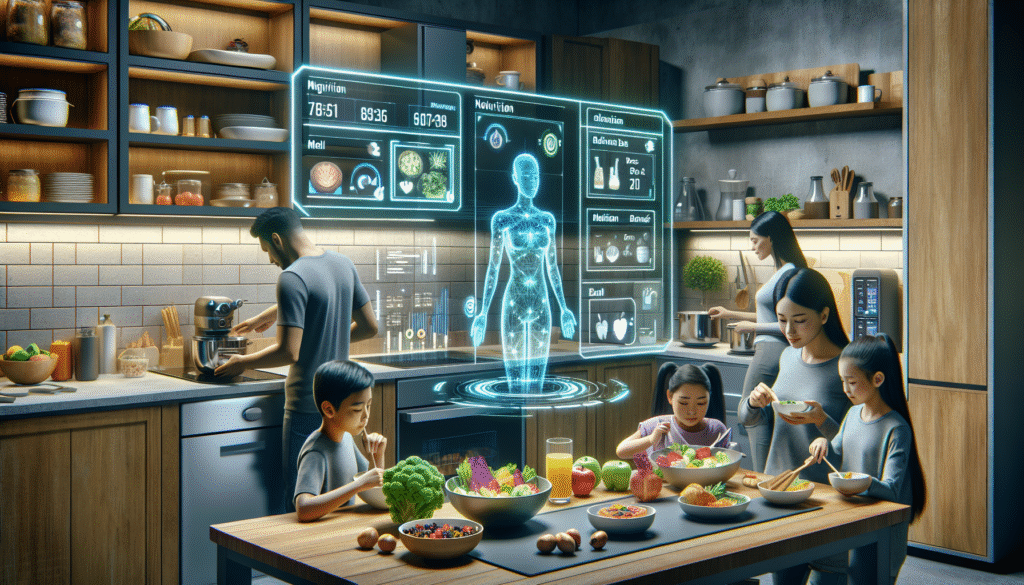
AI for Personalised Nutrition

Discover how AI is revolutionising nutrition planning and helping people achieve healthier lifestyles through personalised dietary recommendations.

Can Artificial Intelligence Revolutionise Your Eating Habits?

Have you ever wondered if there’s a more personalised way to manage your diet? In an age where technology increasingly influences our daily lives, artificial intelligence (AI) offers innovation in the realm of nutrition planning. As people become more healthconscious, AI’s potential to create tailored dietary solutions is gaining traction. How exactly can AI enhance your nutritional journey? Let’s explore.

Understanding the Role of AI in Nutrition

Artificial intelligence has been making strides across various fields, including health and nutrition. But what exactly does AI do for your dietary needs? At its core, AI analyses data from multiple sources, such as health apps and wearable devices, to create customised nutritional recommendations. Imagine AI as your virtual nutritionist, but with the capability to process vast amounts of data in seconds.

AI systems consider your personal health data, dietary preferences, and even genetic predispositions to suggest foods that best meet your nutritional requirements. This means not only getting the nutrients your body needs but also aligning your meals with personal goals, such as weight loss or muscle gain. Moreover, AI can adapt to your changing preferences and health conditions, offering a dynamic approach to nutrition.

Benefits of Personalised AI Nutrition Planning

One of the significant advantages of AI in nutrition is personalisation. Many existing dietary plans are broad and may not suit individual needs, but AI tailors each plan for uniqueness. By leveraging machine learning algorithms, AI can discern patterns and predict future dietary needs, thus helping you stay ahead of health concerns.

Furthermore, AIenhanced nutrition can track progress with greater accuracy. This ongoing monitoring allows for adjustments and improvements to be made in realtime, ensuring that your dietary goals are on track. Additionally, AI can provide educational insights, promoting better understanding of nutritional content and its effects on your health.

The Integration of Wearable Tech and AI

Wearable technology, such as fitness trackers and smartwatches, plays a vital role in AIdriven nutrition planning. These devices collect data on activity levels, heart rate, and other health metrics. When integrated with AI, this data provides a deeper insight into your health status and nutritional needs.

Imagine starting your day with meal suggestions sent directly to your device, based on the prior day’s activity level and current health metrics. This seamless integration allows for a proactive approach to health management, making it easier to adhere to dietary plans and improve overall wellbeing.

Challenges and the Future of AI in Nutrition

Despite its promise, AI in nutrition comes with challenges. Data privacy stands out as a significant concern. Users need reassurance that their personal health data will be stored securely and used ethically. Also, while AI offers personalised recommendations, it should not replace professional medical advice.

Moving forward, the adoption of AI in nutrition planning is expected to grow. As technology advances, AI will likely become more precise in its recommendations, incorporating wider aspects of individual health. With AI’s help, the future of nutrition planning looks promising, empowering individuals to make informed dietary choices.

Top Tips:

1. Leverage AI apps for meal planning to fit your lifestyle.
2. Always consult healthcare professionals for diet changes.
3. Ensure the AI app you use respects data privacy.
4. Keep track of your progress for optimal results.
5. Stay informed about the latest AI nutrition trends.

FAQ:

What is AI nutrition planning? For more, see this Wikipedia article on Meditation.

AI nutrition planning uses artificial intelligence to create customised dietary recommendations based on personal health data and preferences.

Can AI replace a nutritionist?

AI can complement nutritional guidance but should not replace professional advice.

Are AIgenerated meal plans safe?

AIgenerated plans are generally safe, but verify them with a healthcare provider.

How does AI address dietary restrictions?

AI considers dietary restrictions by analysing personal preferences and health data to provide suitable meal options.

Is AI nutrition planning effective?

It is effective in offering personalised dietary advice, helping individuals achieve their health goals.

Conclusion

AI in nutrition planning offers an exciting glimpse into the future of health and wellness. By providing personalised dietary solutions, it empowers individuals to make informed decisions that align with their health goals. Are you ready to embrace AI for a healthier lifestyle? What’s your biggest challenge with meal planning, and how do you think AI could help? Share your thoughts and continue the conversation. If you’re curious about how technology can further personalise your daily life, explore this people finder tool, which showcases the potential of digital innovation.

Embracing Smart Wellness: The Future of Wellbeing

Discover how smart wellness tech is changing the landscape of health and wellbeing for a balanced, healthier life.
Are you curious about how technology is shaping the wellness landscape? As our lives become increasingly intertwined with digital innovation, traditional concepts of wellbeing are evolving. Smart wellness is more than just a trend; it’s a new way to enhance your health and achieve balance.

The Rise of Smart Wellness

The integration of technology into our everyday routines is paving the way for smart wellness. But what does this mean for you? In essence, smart wellness utilises technology to aid traditional health practices, providing improved accuracy, accessibility, and personalisation. From wearable devices that monitor physical activity to apps offering guided meditation sessions, the options are endless.

The allure of smart wellness lies in its ability to adapt to individual needs. Imagine customising your meditation sessions based on your stress levels or receiving realtime feedback on your sleeping patterns. Technology is no longer just a tool; it’s a partner in achieving your wellness goals.

Smart Devices in Everyday Life

Smart devices are revolutionising how we approach health and wellness. These gadgets, ranging from smartwatches to fitness trackers, offer insights into our daily habits, allowing us to make informed decisions about our wellbeing. Wearable technology monitors everything from heart rate to calorie intake, while mobile apps suggest personalised exercise routines.

However, smart devices go beyond physical health. Many apps focus on mental wellbeing, offering resources for stress management and emotional balance. These tools are designed to fit seamlessly into your life, encouraging healthier habits without overwhelming your schedule.

The Role of AI in Personalised Health

Artificial Intelligence (AI) is a gamechanger in the realm of personal health. Its ability to analyse vast amounts of data means AI can provide tailored health solutions. AIdriven platforms can predict potential health issues, recommend preventative measures, and even offer customised diet plans.

The integration of AI with smart wellness technologies ensures that your health decisions are informed and effective. The future of wellness lies in personalisation, and AI is at the forefront, crafting experiences that recognise and respond to your unique needs.

Mental Health and Smart Wellness

Mental health is a crucial component of overall wellbeing, and smart wellness technologies are playing a significant role in this area. Apps designed to promote mental health offer everything from mindfulness exercises to virtual therapy sessions. These applications are not just reactive but proactive, helping users build resilience and manage stress effectively.

Moreover, the convenience of accessing mental health resources on your device makes them more accessible to a wider audience. By breaking down barriers to mental health support, smart wellness technologies are fostering a healthier society.

Challenges and Considerations

While the benefits of smart wellness are clear, there are challenges to consider. Dependence on technology for health management could lead to a lack of personal interaction and possibly overreliance on digital solutions. Privacy and data security are also significant concerns, as the collection and analysis of personal health information must be handled with care.

To navigate these challenges, it’s essential to maintain a balance between technology use and traditional wellness practices. Being informed about how your data is used and choosing reputable platforms can mitigate risks.

Top Tips:

Explore different smart wellness tools to find what works best for you.
Balance digital wellness with offline practices such as nature walks or social activities.
Stay informed about data privacy and choose platforms that prioritise security.

FAQ:

What is smart wellness?
Smart wellness refers to using technology to enhance traditional health practices, offering personalisation and accessibility.

Are there any risks associated with smart wellness technologies?
Potential risks include data privacy concerns and overreliance on technology. Balancing digital and traditional wellness practices can help mitigate these risks.

How can smart wellness benefit mental health?
Smart wellness tools offer resources for managing stress and promoting mental resilience, making mental health support more accessible.

In conclusion, smart wellness is an exciting development in the pursuit of health and balance. As technology continues to evolve, so too will our approach to wellbeing. Are you ready to embrace this future? Share your thoughts and explore further by trying out smart wellness tools today. You may also want to connect with likeminded individuals and discover innovative solutions on the people finder platform.

For more, see this Wikipedia article on visionary ideas.

Smart Home Health: A New Era

Discover how smart home health devices are revolutionising wellness, making life healthier and more convenient for all.
Have you ever wondered how technology is transforming our approach to health within our homes? With the rise of smart home health devices, maintaining wellness has never been easier or more intuitive. These cuttingedge technologies are not just about convenience; they are about enhancing our quality of life.

Understanding Smart Home Health Devices

When we talk about smart home health devices, we refer to innovative technologies designed to make our daily health management seamless. From smart scales to blood pressure monitors and air purifiers, these devices are increasingly becoming part of our everyday lives. But what exactly sets them apart from their traditional counterparts?

Smart home health devices are equipped to sync with smartphones or home hubs, offering realtime data tracking and personalised insights. They are designed to provide convenience and independence, allowing individuals to take charge of their health without the frequent need for medical appointments. For instance, a smart blood pressure monitor can notify you when it’s time to measure your blood pressure, record the results, and even share data with your healthcare provider if needed.

Another significant advancement is in smart scales. These devices do more than measure weight; they can analyse body composition, track trends over time, and suggest lifestyle changes based on your data. This kind of detailed information can be vital for those managing conditions like obesity or diabetes.

The Role of AI in Smart Health Devices

Artificial Intelligence plays a pivotal role in the functionality of smart home health devices. By learning from user data, AI provides tailored insights and recommendations. It empowers users by predicting potential health issues before they arise, offering a proactive approach to health management.

Imagine a scenario where your smart device detects irregular heart patterns. The AI could alert you to take precautionary measures or even contact your healthcare provider for advice. This level of integration between AI and health devices is truly a gamechanger.

It’s not just about detecting problems but also about enhancing daily living. Air quality monitors, for example, use AI to learn from environmental patterns and suggest actions to improve indoor air quality. This demonstrates a significant step towards healthier, smarter homes.

Enhancing Lifestyle with Smart Home Health Devices

Adopting smart health technology in your home can lead to a more balanced lifestyle. These devices offer insights that were previously available only through healthcare professionals, allowing users to make informed decisions about their daily activities.

With features like sleep monitoring, users can understand their sleep patterns and get suggestions on improving sleep quality. This is vital, as quality sleep is a cornerstone of overall health. Moreover, smart devices can help reduce anxiety by providing a sense of control over one’s health a factor that is often overlooked but critically important.

The integration of wellness apps further enhances these benefits, providing users with holistic health insights that span from diet and exercise to mental health tips.

Challenges and Considerations

Despite their advantages, smart home health devices come with challenges. Privacy is a significant concern; users must ensure that their data is secure and protected. Manufacturers are addressing these issues with advanced encryption and data protection measures, but it’s crucial for consumers to remain aware.

Another consideration is cost. While prices vary, some devices can be expensive. However, as technology advances and becomes more mainstream, prices are expected to decrease, making them more accessible to a broader audience.

Finally, it’s important to distinguish useful devices from gimmicks. Not all health gadgets provide valuable insights, making it essential to research and select devices that offer proven benefits.

Top Tips and FAQs

Top Tips:

1. Research before buying a device, ensuring it meets your health needs.
2. Check for compatibility with your smartphone or home hub.
3. Look for devices with strong data protection measures.
4. Compare prices and features before committing to a purchase.
5. Utilise the device’s app for maximum benefit.

FAQ:

Q: Are these devices accurate?

A: Most smart health devices offer high accuracy but should be crosschecked occasionally with professional opinions.

Q: How do I know if a device is right for me?

A: Consider your specific health goals and consult reviews for user experiences related to those goals.

Q: What happens if my device fails?

A: Ensure you purchase from reputable brands with good customer service and warranty policies.

Q: Can these devices integrate with my healthcare provider?

A: Many devices offer options to share data with healthcare providers directly.

Q: Are smart home health devices secure?

A: Yes, reputable devices come with stringent data protection features, but it’s essential to check reviews and specifications.

Conclusion: Embrace the Future

Smart home health devices are defining the future of health management. They offer unprecedented convenience, insights, and control over our wellbeing. Have you ever tried using such a smart health device? Share your experiences in the comments, or consider how these innovative tools might benefit your health journey. To explore more about how people are adopting these technologies, visit the people finder for indepth stories and insights.

For more, see this Wikipedia article on Fitness.

AI in Mental Wellness: A New Era of Mindfulness

Discover how mindfulness technology can improve your mental health, support your meditation practice, and boost your overall wellbeing.
#image_title

Have you ever wondered how artificial intelligence could improve your mental wellness? As we move further into the digital age, AI is making significant strides in supporting mental health and enhancing mindfulness practices. Let’s dive into this fascinating intersection of technology and wellness.

The Role of AI in Mental Wellness

Artificial Intelligence is no longer just a futuristic concept; it’s firmly established in our everyday lives. In the realm of mental wellness, AI offers groundbreaking possibilities. These intelligent systems can assist by providing personalised mental health assessments, predicting mood patterns, and suggesting mindfulness practices tailored to individual needs. For those who dread the thought of discussing their feelings, AI presents an accessible and often less intimidating alternative.

AIpowered chatbots are also emerging as a valuable tool for mental health. Available 24/7, they offer immediate support, helping users work through stress, anxiety, or depression. By leveraging natural language processing, these bots provide a humanlike interaction, creating a more personal and comforting experience.

Benefits of AI in Mindfulness Practices

The use of AI extends beyond standard mental health support into the realm of mindfulness. Personalised meditation guides, powered by artificial intelligence, are revolutionising how individuals engage with mindfulness practices. These intelligent systems analyse user behaviour, preferences, and progress, customising meditation sessions for optimal benefit.

Moreover, AI can track your mood and suggest the best times for meditation or relaxation exercises, ensuring that mindfulness integrates seamlessly into daily routines. By fostering a regular practice, AI helps cultivate a mental space conducive to relaxation and reflection, vital elements in maintaining mental wellness.

AI and the Personalisation of Mental Health

Personalisation is critical in mental wellness, and AI excels in this area. Machine learning algorithms can evaluate a large array of personal data, including conversations, emotional responses, and daily activity patterns, to provide tailored recommendations. Such personalised insights enable users to understand themselves better, promoting proactive mental health management.

Furthermore, AI can act as an early warning system. By identifying small changes in behaviour or mood, these systems can alert users or mental health professionals to potential concerns, allowing for timely intervention.

Challenges and Considerations

Despite the promising applications of AI in mental wellness, challenges remain. Privacy and data security are paramount, as these systems often rely on sensitive personal information. Ensuring robust data protection measures is essential to maintain user trust and safeguard their mental health data.

Additionally, while AI can augment mental health support, it cannot fully replace human therapists. The empathy, understanding, and human connection provided by a professional therapist are irreplaceable. Therefore, AI should be viewed as a supplement to traditional therapy, not a substitute.

The Future of AI in Mental Wellness

Looking ahead, the potential for AI in mental wellness is limitless. As technology advances, we can anticipate more sophisticated tools that offer deeper insights and more personalised support. This evolution could significantly change how we perceive and address mental wellness, integrating it more seamlessly into our daily lives.

While we ponder this exciting future, we must also consider how to responsibly harness these technologies. By balancing innovation with ethical considerations, we can ensure that AI contributes positively to mental wellness on a global scale.

Top Tips:

1. Explore AIdriven mental health apps to find one that fits your needs.
2. Use AI as a complement, not a replacement, for professional mental health support.
3. Investigate the privacy policies of AI tools to safeguard your data.
4. Embrace personalised mindfulness practices offered by AI for more effective results.
5. Stay informed about new AI innovations in mental wellness.

FAQ:

Can AI diagnose mental health issues?

AI can provide insights and assessments but should not be solely relied upon for diagnosis. Always consult with a mental health professional.

How accurate are AI mood predictions?

AI predictions are generally accurate but depend on the quality of data and algorithms. They’re a tool for guidance, not an absolute.

Is my information safe with AI wellness tools?

Most reputable AI services prioritise data security, but review privacy policies to ensure protection.

How can AI help with anxiety?

AI can offer stressreducing activities, track anxiety levels, and provide realtime support through chatbots and personalised exercises.

In conclusion, the advent of AI in mental wellness signifies a new era of mindfulness and mental health support. How do you envision AI enhancing your mental wellness journey? Share your thoughts and experiences in the comments below, and don’t forget to check out our people finder to connect with mental health resources.

For more, see this Wikipedia article on Technology.

Enhance Your Life with Smart Home Health Devices

Discover how smart home health devices can modernise your wellness routine. Learn about innovative tech that promotes a healthier lifestyle at home.

Understanding Smart Home Health Devices

Have you ever wondered how to make your home smarter while improving your health and wellness? As technology rapidly advances, smart home health devices have become increasingly popular, offering convenience, efficiency, and a healthier lifestyle. These innovative gadgets seamlessly integrate into your daily routine, providing realtime data and personalised insights to enhance your wellbeing.

Smart home health devices range from wearable fitness trackers to sophisticated air purifiers and even digital personal assistants that manage your health. Embracing this technology can transform your home into a hub of wellness, making it easier to maintain and improve your health.

The beauty of smart home health devices lies in their ability to work autonomously, collecting data to provide useful insights. These devices can promote a proactive approach to health management, encouraging users to make informed decisions. So, how exactly can smart home health devices benefit you?

Revolutionising Home Wellness with Smart Gadgets

The shift towards smart home health devices represents a significant breakthrough in promoting wellness. Imagine a home where your air is purified automatically, and your daily activities are monitored to optimise your health. Such capabilities are now within reach, thanks to advancements in smart technology.

Smart scales, for example, do more than just measure weight. They analyse body composition, track progress over time, and sync with fitness apps for a comprehensive health overview. These scales can keep you accountable and motivated on your wellness journey.

Moreover, smart air purifiers play a crucial role in maintaining a healthy home environment. With sensors to detect pollutants, these devices can automatically adjust their settings to ensure air quality is kept at optimum levels. This is particularly beneficial for those dealing with allergies or asthma.

Monitoring Health with Wearable Technology

Wearable technology has been a gamechanger in personal health management. Fitness trackers and smartwatches monitor everything from heart rate and steps to sleep patterns and stress levels, providing an indepth analysis of your health metrics.

These devices also offer reminders to stay active, informing you when it’s time to stand, move, or take a break. By tracking your physical activity, wearable tech can help detect patterns and provide actionable insights, encouraging a more active lifestyle.

Additionally, these devices can connect to other smart home systems, creating an interconnected wellness ecosystem that caters to your health needs. Such integration ensures a seamless flow of information between devices, enhancing your ability to manage your health effectively.

Smart Assistants: Your Health Allies

Digital personal assistants, like Google Assistant or Amazon Alexa, have evolved into valuable health allies. By connecting with various smart home health devices, these assistants can manage your wellness routine, providing reminders for medication, suggesting workout routines, or even playing calming music to help you relax.

These assistants can also answer healthrelated queries, offering advice or connecting you to relevant resources. Imagine asking your assistant for healthy recipes and receiving personalised suggestions based on your dietary preferences. This level of convenience can simplify your health management, making it more effective and enjoyable.

However, privacy remains a concern with these devices, as they collect sensitive health data. It is vital to understand and manage privacy settings to ensure your information remains secure. Balancing convenience with privacy is key to making the most of smart home health devices.

Top Tips:

1. Regularly review privacy settings on your smart devices to protect your data.
2. Choose devices that seamlessly integrate with each other for a connected wellness ecosystem.
3. Make use of the data provided by these devices to set realistic health and wellness goals.
4. Keep your devices updated with the latest software for optimal performance and security.
5. Explore the diverse range of devices available to find ones that best suit your lifestyle and health needs.

FAQ:

Q: Are smart home health devices expensive?
A: Prices vary, but many devices are affordable and offer significant longterm health benefits.

Q: How reliable is the data from these devices?
A: Most devices provide accurate data, but it’s always best to consult a healthcare professional for medical advice.

Q: How can I ensure my data remains private?
A: Always review and adjust the privacy settings on your devices, opting for secure connections and encrypted data storage when possible.

Q: Can these devices be used by everyone in the family?
A: Yes, many devices allow multiple profiles, making them suitable for the whole family to use.

Q: What should I consider when buying a smart home health device?
A: Consider compatibility with existing devices, ease of use, and how well it meets your specific health needs.

Conclusion

Smart home health devices represent a leap forward in the quest for healthier living. By embracing these innovations, you can transform your home into a wellness sanctuary, actively managing and improving your wellbeing. As you integrate these devices into your daily routine, consider how they align with your health goals. Are you ready to take the next step towards a smarter, healthier home? Engage with the growing community of smart device users and explore how these technologies can enhance your life. For more insights, check out the people finder tool for connecting with likeminded individuals.

For more, see this Wikipedia article on Biohacking.

Virtual Reality: A New Era for Rehabilitation

Discover how virtual reality is revolutionising rehab, offering immersive experiences to enhance recovery and improve patient outcomes.
Have you ever wondered how technology can accelerate recovery and improve rehabilitation outcomes? In recent years, virtual reality (VR) has emerged as a powerful tool transforming the rehabilitation landscape. From physical therapy to cognitive rehabilitation, VR is enhancing traditional methods, providing immersive and engaging experiences that benefit both patients and healthcare providers.

The Science Behind VR in Rehabilitation

Virtual reality in rehab isn’t just a futuristic concept—it’s happening now. At its core, VR in rehabilitation uses computergenerated simulations to create realistic environments where patients can practice skills and exercises. This immersive approach stimulates the brain in ways conventional therapy cannot, making it a gamechanger in patient engagement and motivation.

One of the primary advantages of VR in rehab is the ability to customise therapy to individual needs. By simulating realworld scenarios, VR helps patients practice tasks that are essential for daily life, leading to more efficient skill transfer. With detailed feedback and progress tracking, therapists can tailor interventions more effectively, ensuring optimal outcomes.

Moreover, VR can reduce the monotony often associated with rehabilitation exercises. By introducing gamified elements, VR transforms routine tasks into fun and engaging activities. This not only improves adherence but also enhances the overall rehabilitation experience, making it enjoyable for patients.

Physical Rehabilitation: A New Approach

Physical rehabilitation often involves repetitive exercises, which can be challenging for patients to stay committed to over time. VR revolutionises this by offering dynamic and interactive exercises that keep patients engaged. Whether it’s simulating a walk through a virtual park or playing a game that requires balance and coordination, VR provides diverse experiences that can be precisely tailored to therapeutic goals.

Studies show that VRenhanced physical therapy can lead to faster improvements in strength, agility, and balance. By creating a safe environment for practice, VR reduces the risk of injury while allowing patients to push their limits under professional supervision.

Additionally, incorporating VR into physical rehab has proven to be beneficial for patients recovering from strokes, surgeries, or injuries. The engaging nature of VR encourages patients to practice more frequently and with greater intensity, leading to improved recovery rates and overall satisfaction.

Cognitive Rehabilitation: Enhancing Brain Recovery

Cognitive rehabilitation focuses on restoring and improving mental functions that have been compromised due to injury or illness. Here, VR plays a pivotal role in enhancing cognitive skills such as memory, attention, and problemsolving through interactive scenarios.

VR activities designed for cognitive rehabilitation can replicate reallife challenges, helping patients practice decisionmaking, multitasking, and other vital cognitive skills. The immersive nature of VR environments aids in creating contextrich scenarios, which are more effective for learning and rehabilitation compared to traditional methods.

By tapping into the brain’s plasticity, VRbased cognitive rehabilitation can accelerate recovery for patients with conditions like traumatic brain injury, dementia, or stroke. This innovative approach not only makes the rehabilitation process more effective but also supports patients in regaining independence in their daily lives.

Virtual Reality: A Therapeutic Solution for Mental Health

In addition to physical and cognitive rehabilitation, VR is making waves in mental health therapy. The immersive environments created by VR can help patients confront and manage conditions such as anxiety, PTSD, and phobias in a controlled setting.

VR exposure therapy allows patients to safely face fears and anxieties, practicing coping strategies in a virtual world. Therapists can monitor and guide patients as they confront these challenges, ensuring a supportive and effective therapeutic process.

Moreover, VR offers relaxation and mindfulness applications, providing patients with tools to manage stress and improve mental wellbeing. These applications can complement traditional therapies, offering holistic support that addresses both mind and body.

Integration into Traditional Rehab Practices

Integrating VR into established rehabilitation frameworks requires careful planning and consideration. It’s essential to ensure that VR complements existing practices rather than replacing them. By working alongside traditional methods, VR can enhance therapy outcomes and broaden therapeutic horizons.

Healthcare providers must receive training to effectively implement VR technology, ensuring it adds value to patient care. Collaboration between technologists and clinicians is essential to develop customised solutions that meet the specific needs of rehabilitation settings.

However, the benefits of VR in rehab are readily apparent. Enhanced engagement, personalised therapy, and comprehensive tracking are just a few reasons why VR is becoming an integral part of modern rehabilitation practices.

Top Tips:

When exploring VR in rehab, start with a clear understanding of patient needs and therapy goals.
Choose VR applications that are userfriendly and offer customisation options.
Ensure continuous collaboration between therapists and technology providers for optimal integration.
Regularly assess the effectiveness of VR interventions and make necessary adjustments.
Encourage patient feedback to enhance the VR rehabilitation experience.

FAQ:

Q: How does VR improve engagement in rehabilitation?
A: VR offers immersive experiences and gamified tasks that make therapy enjoyable, encouraging more frequent and committed participation.

Q: Is VR suitable for all types of rehabilitation?
A: While VR can benefit various rehabilitation areas, it’s essential to tailor applications to individual patient needs and therapeutic goals.

Q: Can VR completely replace traditional rehabilitation methods?
A: VR is designed to complement, not replace, traditional methods. It enhances therapy by offering additional tools for patient engagement and progress tracking.

Q: How do healthcare providers integrate VR into rehab practices?
A: Integration requires collaboration between therapists and technologists, along with training and ongoing assessment of VR interventions.

Q: Are there any risks associated with using VR in rehabilitation?
A: Potential risks include motion sickness or discomfort for some users. Proper training and supervision are essential to mitigate these.

In conclusion, virtual reality is paving the way for a new era in rehabilitation. By providing engaging, personalised, and effective therapy options, VR is transforming how patients recover and regain independence. As this technology continues to evolve, its potential to enhance rehabilitation outcomes is limitless. What do you think about the future of VR in healthcare? Share your thoughts and join the conversation on this exciting innovation. And if you’re interested in finding a specialist in your area, check out our people finder for more information.

Image Prompt: An ultrarealistic photo of a modern rehabilitation centre with patients using virtual reality headsets, showcasing a blend of technology and traditional rehab methods in a bright, welcoming environment.

For more, see this Wikipedia article on Technology.

AI Revolution in Personalised Nutrition Planning

Discover how AI is transforming nutrition planning and helping you achieve personalised health goals with greater ease and accuracy.
Have you ever wondered how artificial intelligence can improve your diet? As we dive further into the digital age, AI is revolutionising many sectors, including health and nutrition. This technology is quickly becoming a goto solution for creating personalised nutrition plans that cater to individual needs and lifestyle choices. Let’s explore how AI is transforming the way we approach nutrition.

Understanding AI in Nutrition

AI in nutrition planning utilises algorithms to analyse data and provide personalised dietary recommendations. By processing vast amounts of nutritional data, AI systems can tailor meal plans based on individual health goals, dietary preferences, and lifestyle.

These AI tools consider numerous factors such as age, activity level, allergies, and even specific health conditions. This personalised approach ensures that each individual’s dietary needs are met more accurately than traditional methods.

The result? A highly customised nutrition plan that maximises health benefits while accommodating personal tastes and requirements.

The Benefits of Personalised AI Nutrition Plans

One of the significant advantages of using AI for nutrition planning is its ability to provide precise dietary recommendations. Traditional methods often rely on general guidelines that may not be effective for everyone. AI, however, takes a tailored approach, offering solutions that fit your specific needs.

Moreover, AIdriven nutrition plans can adapt to your changing lifestyle. Whether you’re preparing for a marathon or managing a health condition, AI can adjust your plan to support your goals effectively.

Another benefit is the convenience offered by these systems. With easy access through apps and digital platforms, maintaining a healthy diet becomes more manageable and less timeconsuming.

How AI Analyses Your Nutritional Needs

AI technology evaluates your dietary habits by using data from various sources. Wearable devices, food diaries, and even genetic information can feed into these systems, providing a comprehensive view of your nutritional needs.

Through machine learning, AI can identify patterns and trends within this data. This enables the system to predict your dietary requirements and suggest suitable meals, ensuring you receive the necessary nutrients.

Additionally, AI can track and evaluate your progress over time, making realtime adjustments to your nutrition plan as needed.

AI Tools and Apps Making Waves

Several AIpowered apps are designed to help users manage their diets more effectively. These tools offer features like meal tracking, calorie counting, and nutrient analysis, all tailored to the user’s dietary goals.

Some popular AI nutrition apps even allow you to scan food labels, offering immediate insights into nutritional content, which can assist in making healthier choices while shopping.

By integrating these tools into daily life, users gain more control over their nutrition and overall health, proving AI’s potential to enhance wellbeing.

AI’s Role in Future Food Trends

The influence of AI on nutrition is bound to grow, shaping the future of food trends and health consciousness. As technology evolves, AI will continue to refine its ability to offer more sophisticated insights and recommendations.

This evolution is likely to lead to increased consumer demand for personalised nutrition services. As people become more aware of the benefits, the integration of AI into everyday health practices will become more widespread.

AI’s role in nutrition planning isn’t just about convenience; it’s about empowering individuals to make informed choices for a healthier lifestyle.

Top Tips:

1. Regularly update your AI nutrition app with accurate data for the best results.
2. Pair AI insights with advice from healthcare professionals for comprehensive health management.
3. Use AIgenerated meal suggestions to try new recipes and diversify your diet.

FAQ:

Q: How accurate is AI in creating nutrition plans?
A: AI systems use extensive data analysis to provide highly accurate and tailored nutrition plans.

Q: Can AI help with managing specific health conditions?
A: Yes, AI can adapt diet plans to cater to various health conditions, offering personalised recommendations.

Q: Do I need special equipment for AI nutrition planning?
A: Smartphone apps or devices you already own are typically sufficient to use AI for nutrition planning.

In conclusion, AI has emerged as a powerful tool for personalising nutrition plans, offering precision and convenience that traditional methods cannot. Are you ready to embrace AI for your nutrition needs? Share your thoughts and experiences, and explore how AI could transform your approach to healthy eating.

For those seeking additional resources, check out our people finder tool to connect with nutrition experts nearby.

For more, see this Wikipedia article on Nutrition.