Tag Archives: AI Nutrition

AI for Personalised Nutrition

Discover how AI is revolutionising nutrition planning and helping people achieve healthier lifestyles through personalised dietary recommendations.

Can Artificial Intelligence Revolutionise Your Eating Habits?

Have you ever wondered if there’s a more personalised way to manage your diet? In an age where technology increasingly influences our daily lives, artificial intelligence (AI) offers innovation in the realm of nutrition planning. As people become more healthconscious, AI’s potential to create tailored dietary solutions is gaining traction. How exactly can AI enhance your nutritional journey? Let’s explore.

Understanding the Role of AI in Nutrition

Artificial intelligence has been making strides across various fields, including health and nutrition. But what exactly does AI do for your dietary needs? At its core, AI analyses data from multiple sources, such as health apps and wearable devices, to create customised nutritional recommendations. Imagine AI as your virtual nutritionist, but with the capability to process vast amounts of data in seconds.

AI systems consider your personal health data, dietary preferences, and even genetic predispositions to suggest foods that best meet your nutritional requirements. This means not only getting the nutrients your body needs but also aligning your meals with personal goals, such as weight loss or muscle gain. Moreover, AI can adapt to your changing preferences and health conditions, offering a dynamic approach to nutrition.

Benefits of Personalised AI Nutrition Planning

One of the significant advantages of AI in nutrition is personalisation. Many existing dietary plans are broad and may not suit individual needs, but AI tailors each plan for uniqueness. By leveraging machine learning algorithms, AI can discern patterns and predict future dietary needs, thus helping you stay ahead of health concerns.

Furthermore, AIenhanced nutrition can track progress with greater accuracy. This ongoing monitoring allows for adjustments and improvements to be made in realtime, ensuring that your dietary goals are on track. Additionally, AI can provide educational insights, promoting better understanding of nutritional content and its effects on your health.

The Integration of Wearable Tech and AI

Wearable technology, such as fitness trackers and smartwatches, plays a vital role in AIdriven nutrition planning. These devices collect data on activity levels, heart rate, and other health metrics. When integrated with AI, this data provides a deeper insight into your health status and nutritional needs.

Imagine starting your day with meal suggestions sent directly to your device, based on the prior day’s activity level and current health metrics. This seamless integration allows for a proactive approach to health management, making it easier to adhere to dietary plans and improve overall wellbeing.

Challenges and the Future of AI in Nutrition

Despite its promise, AI in nutrition comes with challenges. Data privacy stands out as a significant concern. Users need reassurance that their personal health data will be stored securely and used ethically. Also, while AI offers personalised recommendations, it should not replace professional medical advice.

Moving forward, the adoption of AI in nutrition planning is expected to grow. As technology advances, AI will likely become more precise in its recommendations, incorporating wider aspects of individual health. With AI’s help, the future of nutrition planning looks promising, empowering individuals to make informed dietary choices.

Top Tips:

1. Leverage AI apps for meal planning to fit your lifestyle.
2. Always consult healthcare professionals for diet changes.
3. Ensure the AI app you use respects data privacy.
4. Keep track of your progress for optimal results.
5. Stay informed about the latest AI nutrition trends.

FAQ:

What is AI nutrition planning? For more, see this Wikipedia article on Meditation.

AI nutrition planning uses artificial intelligence to create customised dietary recommendations based on personal health data and preferences.

Can AI replace a nutritionist?

AI can complement nutritional guidance but should not replace professional advice.

Are AIgenerated meal plans safe?

AIgenerated plans are generally safe, but verify them with a healthcare provider.

How does AI address dietary restrictions?

AI considers dietary restrictions by analysing personal preferences and health data to provide suitable meal options.

Is AI nutrition planning effective?

It is effective in offering personalised dietary advice, helping individuals achieve their health goals.

Conclusion

AI in nutrition planning offers an exciting glimpse into the future of health and wellness. By providing personalised dietary solutions, it empowers individuals to make informed decisions that align with their health goals. Are you ready to embrace AI for a healthier lifestyle? What’s your biggest challenge with meal planning, and how do you think AI could help? Share your thoughts and continue the conversation. If you’re curious about how technology can further personalise your daily life, explore this people finder tool, which showcases the potential of digital innovation.
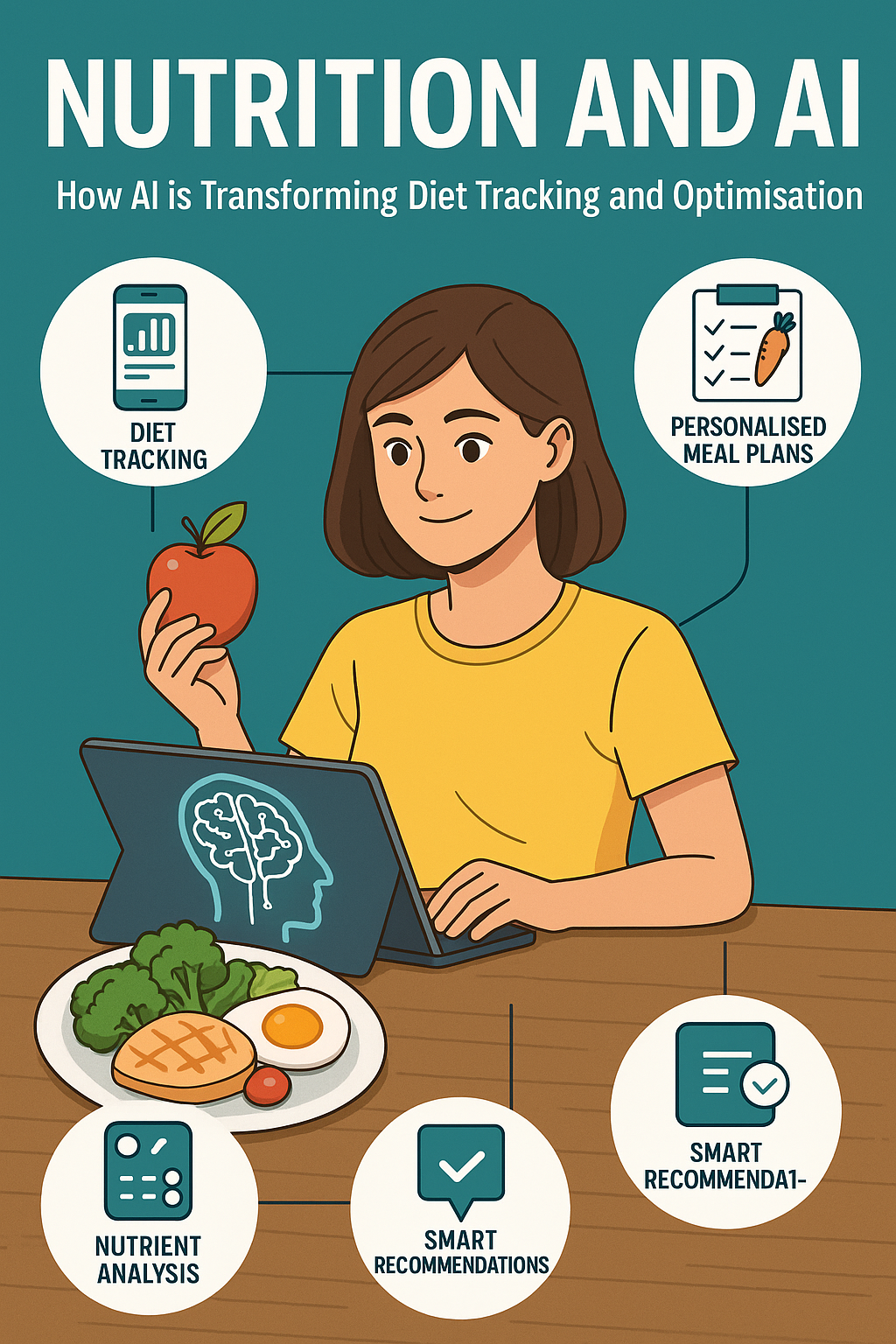
AI Nutrition Tracking Transforming Diets and Optimisation

AI Nutrition Tracking
#image_title

Why AI is Changing How We Approach Nutrition

AI Nutrition Tracking is keeping track of nutrition used to mean scribbling notes in a food diary or calculating calories by hand. Today, AI-driven apps are making it easier to monitor what we eat, analyse dietary habits, and make informed choices. By using advanced algorithms, these tools offer personalised recommendations based on real-time data, helping individuals optimise their diets without the guesswork.

How AI Nutrition Tracking Works

At the core of AI nutrition tracking are algorithms that process vast amounts of data. These systems gather information from wearable devices, health apps, and manual inputs, such as food logs. The data is then analysed to understand eating patterns, nutrient intake, and overall dietary habits. Based on this analysis, the app offers tailored meal suggestions, tracks calories, and even alerts users when they deviate from their goals.

Key Features of AI-Driven Nutrition Apps

AI-powered nutrition tools are designed to simplify diet management and promote healthier eating habits. Here are some key features:

  • Automated Calorie Counting: AI scans barcodes or recognises food items from photos to calculate calorie intake.
  • Personalised Meal Plans: Based on dietary preferences, goals, and allergies, AI creates customised meal suggestions.
  • Nutrient Analysis: Tracks macronutrients (like proteins, carbs, fats) and micronutrients (such as vitamins and minerals) to ensure balanced eating.
  • Health Integration: Syncs with fitness trackers to adjust nutritional goals based on activity levels.
  • Smart Recommendations: Learns from past eating patterns and suggests healthier alternatives.
  • Voice Assistance: Integrates with smart devices to log meals via voice commands.
  • Recipe Suggestions: AI curates recipes based on available ingredients, helping to reduce food waste.

Popular AI Nutrition Apps and Gadgets

Several apps and gadgets are leading the way in AI-powered nutrition:

  • MyFitnessPal: Uses AI to scan food labels and track calorie intake accurately.
  • Nutrino: Offers personalised meal plans using data from wearable devices.
  • Yazio: Integrates AI to analyse nutritional needs and suggest balanced meals.
  • Samsung Health: Tracks daily food intake and monitors progress through AI-driven insights.
  • FitGenie: Uses machine learning to suggest meal adjustments based on fitness goals.

How AI Enhances Personalised Dieting

One of the most significant advantages of AI in nutrition is personalisation. Rather than following generic diet plans, users receive advice tailored to their body type, metabolism, and lifestyle. For instance, AI can recommend higher protein intake for muscle gain or suggest reducing sugar for those managing diabetes. As the app learns more about the user, it refines its recommendations, becoming more accurate and relevant.

Scientific Backing: How Accurate Are AI Diet Recommendations?

Research shows that AI-driven nutrition apps can be remarkably accurate when trained on large, diverse datasets. A study published in the Journal of Medical Internet Research found that AI-powered diet tracking apps significantly improve adherence to nutritional goals compared to manual methods. By continuously updating with new data, these apps become more precise, offering dynamic adjustments rather than static meal plans.

Challenges and Considerations

Despite their advantages, AI nutrition tools have some challenges:

  • Data Privacy: Since these apps collect sensitive health data, users must be cautious about sharing information.
  • User Accuracy: The reliability of the recommendations depends on accurate data entry.
  • Algorithm Bias: Some apps may favour certain dietary practices if their training data is not diverse enough.
  • Motivation Factors: While AI can suggest, it cannot enforce healthy eating habits. Commitment from the user remains essential.

Expert Insight: Nutritionists Weigh In

Nutrition expert Dr. Alice Ford says, “AI can significantly enhance diet management, but it should complement, not replace, professional advice. Personalisation is key, and AI helps bridge the gap between generic diets and individual needs.” Meanwhile, tech developer John Roberts notes, “The future of AI nutrition lies in integrating more real-time data, allowing for quicker adjustments and greater personal relevance.”

Future Trends in AI Nutrition

Looking ahead, we can expect more sophisticated AI nutrition systems that predict dietary needs based on genetic information and real-time health metrics. Innovations may include:

  • Nutrigenomics: AI that tailors diets based on genetic markers.
  • Mood-Linked Diet Suggestions: Recommending foods that boost mood based on emotional data.
  • Real-Time Glucose Monitoring: Integrating blood sugar data to manage diabetes more efficiently.
  • Sustainable Eating Guides: Suggesting meal plans that align with environmental goals, reducing carbon footprints.

Final Thoughts for AI Nutrition Tracking

AI nutrition is not just a passing trend but a transformative approach to healthy living. As technology continues to advance, we can expect even more precise, data-driven solutions for optimising our diets. Whether you are looking to lose weight, build muscle, or simply eat healthier, AI is making nutrition tracking more intuitive and personalised than ever before.

AI-Powered Personalised Wellness