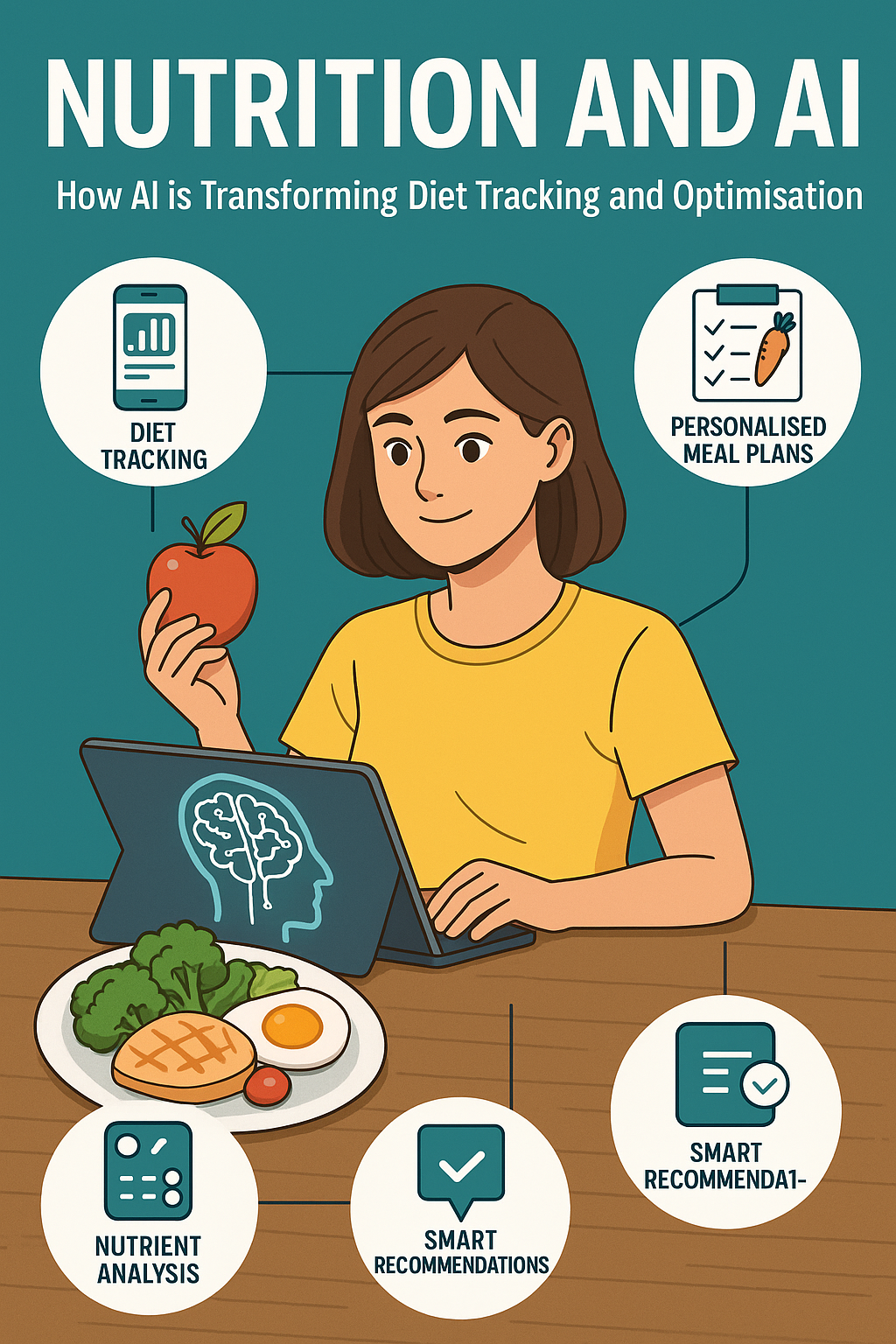
Introduction: Can AI Revolutionise How We Eat?
In the everevolving world of technology, have you ever wondered how AI might change your eating habits? Nutrition planning is increasingly becoming a personalised experience, thanks to technological advancements. With artificial intelligence shaping various facets of modern life, it’s no surprise it’s now venturing into the kitchen to offer bespoke dietary solutions. But how exactly does AI achieve this, and what benefits does it bring to the table?
Understanding AI in Nutrition
Artificial intelligence has the remarkable ability to analyse and process vast amounts of data quickly. In the realm of nutrition, AI examines an individual’s health data, dietary preferences, and nutritional needs. By doing so, it crafts personalised nutrition plans that cater to specific requirements. This can include everything from tailoring meals to accommodate allergies and intolerances to optimising nutrient intake for athletic performance.
For those with unique dietary restrictions, AI becomes an invaluable tool. It can sift through myriad food options and create a menu that not only meets dietary guidelines but also caters to personal taste preferences. This customisation ensures individuals are not only eating healthily but enjoying their meals.
AI’s capability extends to continuous learning and improvement. As more data becomes available, the AI system can refine its recommendations, ensuring dietary plans evolve with changing health goals and lifestyles. This dynamism positions AI as a pivotal player in the realm of nutrition.
The Science Behind AIDriven Meal Plans
What makes AIdriven meal planning possible is the integration of machine learning algorithms and nutritional science. These algorithms assess various parameters such as age, weight, activity level, and preexisting health conditions. The outcome is an evidencebased diet plan tailored to an individual’s unique profile.
Furthermore, AI applies predictive analytics to forecast health trends. For instance, if data indicates a potential vitamin deficiency, the AI can suggest food options rich in the required nutrients. This proactive approach not only ensures nutritional adequacy but also contributes to longterm wellness.
AI is also adept at adapting meal plans based on evolving health markers. For example, if a user’s blood pressure changes, the AI can adjust salt intake recommendations accordingly. Such precision is what sets AI apart from generic nutrition advice.
Benefits of AI for Nutrition Planning
There are numerous advantages to using AI for nutrition planning. One of the most significant is personalisation. Unlike traditional methods, AI doesn’t rely on onesizefitsall plans. Instead, it recognises the uniqueness of each individual, offering them flexibility and variety in their diet.
Another benefit is timesaving. With busy schedules, planning meals can be a daunting task. AI takes away this burden by generating meal plans with just a few clicks. This convenience ensures people can maintain a healthy diet without the hassle of daily meal planning.
Moreover, AI fosters a deeper understanding of nutrition. By providing detailed insights and feedback, users become more informed about their dietary choices. This educational component contributes to better longterm eating habits.
Challenges and Considerations
Despite its benefits, integrating AI into nutrition planning isn’t without challenges. One major concern is data privacy and security. Users must share sensitive health information to receive personalised plans, raising questions about how this data is stored and protected.
The accuracy of AI predictions also depends heavily on the quality of data inputted. Inaccurate or incomplete data can lead to suboptimal meal recommendations. Therefore, ensuring the reliability of data collection methods is crucial for effective AI implementation.
Finally, while AI can make recommendations, it lacks the human touch. Sometimes, the nuances of individual experiences and cultural preferences can be lost in algorithmic calculations. Thus, a hybrid approach, combining AI insights with human expertise, may be necessary for the best results.
Top Tips and FAQ
Top Tips:
1. Always verify the source and security of AI tools before sharing personal data.
2. Regularly update your health and dietary information to enhance AI accuracy.
3. Combine AI advice with professional health consultations for comprehensive care.
4. Take advantage of AI’s ability to learn and evolve by setting periodic health goals.
5. Use AI to explore new recipes and diversify your diet.
FAQ:
Q: How does AI gather data for nutrition planning?
A: AI systems use health records, dietary logs, and preference questionnaires to tailor nutrition plans.
Q: Is AI suitable for everyone?
A: While AI offers great benefits, it’s best used alongside professional advice, especially for specific health conditions.
Q: Can AI replace dietitians?
A: AI serves as a complement to professional dietary advice rather than a replacement.
Q: What are the costs associated with AI nutrition planning?
A: Costs vary depending on the service provider and the complexity of the personalised plan offered.
Q: How do I ensure my data’s privacy?
A: Choose AI platforms with robust data protection policies and clear privacy practices.
Conclusion: Embrace the Future of Eating
In conclusion, AI for nutrition planning offers a revolution in how we approach diet and health. By providing personalised, datadriven dietary advice, it helps individuals make smarter choices for their wellbeing. Have you thought about how AI could revolutionise your eating habits? Share your thoughts, and let’s explore the future of nutrition together. Remember, embracing new technology is about enhancing our lives, one meal at a time. Should you need more personalised health advice, consider checking out a people finder to connect with a nutrition expert.
For more, see this Wikipedia article on Fitness.