Category Archives: Food

AI Nutrition Tracking Transforming Diets and Optimisation

AI Nutrition Tracking
#image_title

Why AI is Changing How We Approach Nutrition

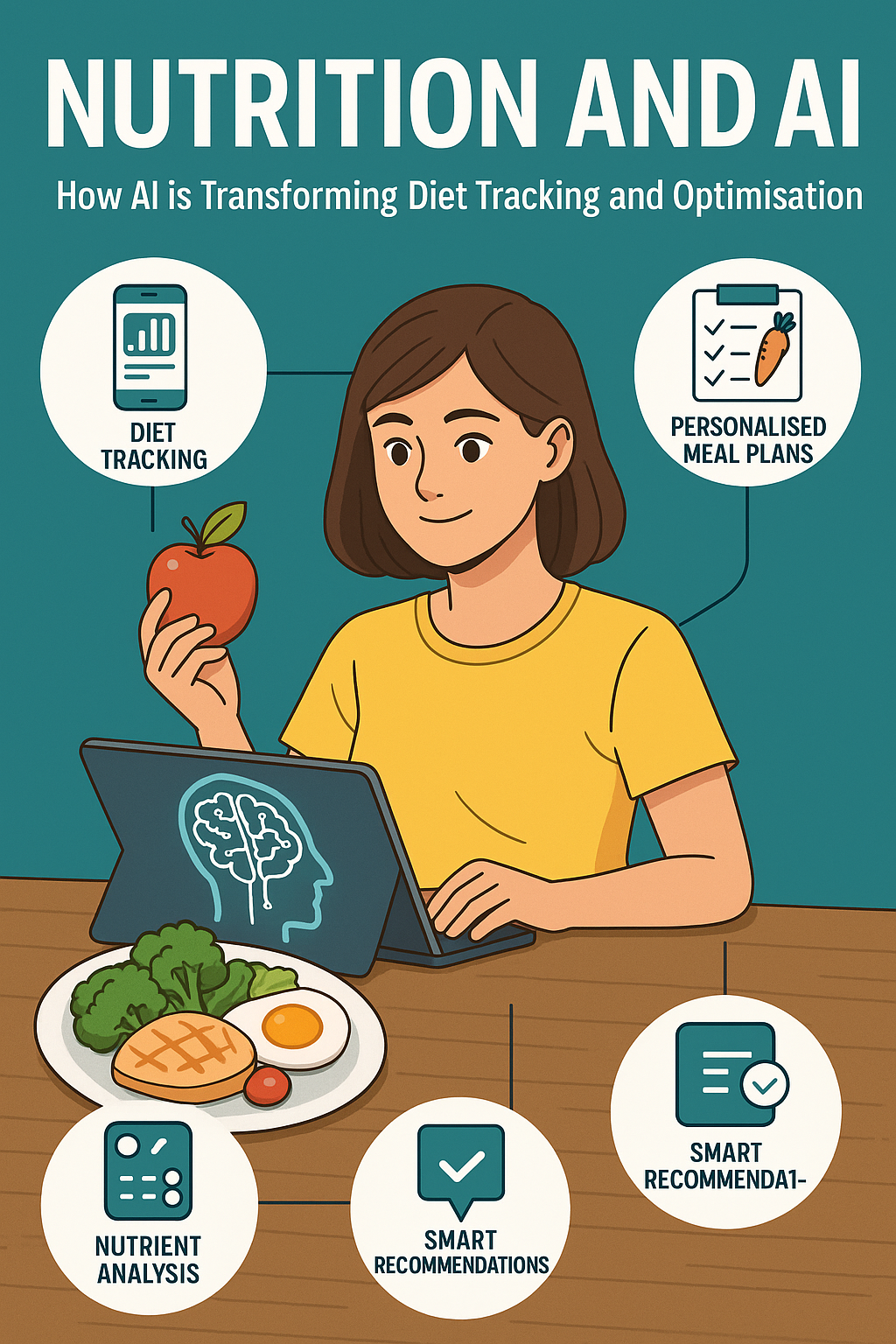
AI Nutrition Tracking is keeping track of nutrition used to mean scribbling notes in a food diary or calculating calories by hand. Today, AI-driven apps are making it easier to monitor what we eat, analyse dietary habits, and make informed choices. By using advanced algorithms, these tools offer personalised recommendations based on real-time data, helping individuals optimise their diets without the guesswork.

How AI Nutrition Tracking Works

At the core of AI nutrition tracking are algorithms that process vast amounts of data. These systems gather information from wearable devices, health apps, and manual inputs, such as food logs. The data is then analysed to understand eating patterns, nutrient intake, and overall dietary habits. Based on this analysis, the app offers tailored meal suggestions, tracks calories, and even alerts users when they deviate from their goals.

Key Features of AI-Driven Nutrition Apps

AI-powered nutrition tools are designed to simplify diet management and promote healthier eating habits. Here are some key features:

  • Automated Calorie Counting: AI scans barcodes or recognises food items from photos to calculate calorie intake.
  • Personalised Meal Plans: Based on dietary preferences, goals, and allergies, AI creates customised meal suggestions.
  • Nutrient Analysis: Tracks macronutrients (like proteins, carbs, fats) and micronutrients (such as vitamins and minerals) to ensure balanced eating.
  • Health Integration: Syncs with fitness trackers to adjust nutritional goals based on activity levels.
  • Smart Recommendations: Learns from past eating patterns and suggests healthier alternatives.
  • Voice Assistance: Integrates with smart devices to log meals via voice commands.
  • Recipe Suggestions: AI curates recipes based on available ingredients, helping to reduce food waste.

Popular AI Nutrition Apps and Gadgets

Several apps and gadgets are leading the way in AI-powered nutrition:

  • MyFitnessPal: Uses AI to scan food labels and track calorie intake accurately.
  • Nutrino: Offers personalised meal plans using data from wearable devices.
  • Yazio: Integrates AI to analyse nutritional needs and suggest balanced meals.
  • Samsung Health: Tracks daily food intake and monitors progress through AI-driven insights.
  • FitGenie: Uses machine learning to suggest meal adjustments based on fitness goals.

How AI Enhances Personalised Dieting

One of the most significant advantages of AI in nutrition is personalisation. Rather than following generic diet plans, users receive advice tailored to their body type, metabolism, and lifestyle. For instance, AI can recommend higher protein intake for muscle gain or suggest reducing sugar for those managing diabetes. As the app learns more about the user, it refines its recommendations, becoming more accurate and relevant.

Scientific Backing: How Accurate Are AI Diet Recommendations?

Research shows that AI-driven nutrition apps can be remarkably accurate when trained on large, diverse datasets. A study published in the Journal of Medical Internet Research found that AI-powered diet tracking apps significantly improve adherence to nutritional goals compared to manual methods. By continuously updating with new data, these apps become more precise, offering dynamic adjustments rather than static meal plans.

Challenges and Considerations

Despite their advantages, AI nutrition tools have some challenges:

  • Data Privacy: Since these apps collect sensitive health data, users must be cautious about sharing information.
  • User Accuracy: The reliability of the recommendations depends on accurate data entry.
  • Algorithm Bias: Some apps may favour certain dietary practices if their training data is not diverse enough.
  • Motivation Factors: While AI can suggest, it cannot enforce healthy eating habits. Commitment from the user remains essential.

Expert Insight: Nutritionists Weigh In

Nutrition expert Dr. Alice Ford says, “AI can significantly enhance diet management, but it should complement, not replace, professional advice. Personalisation is key, and AI helps bridge the gap between generic diets and individual needs.” Meanwhile, tech developer John Roberts notes, “The future of AI nutrition lies in integrating more real-time data, allowing for quicker adjustments and greater personal relevance.”

Future Trends in AI Nutrition

Looking ahead, we can expect more sophisticated AI nutrition systems that predict dietary needs based on genetic information and real-time health metrics. Innovations may include:

  • Nutrigenomics: AI that tailors diets based on genetic markers.
  • Mood-Linked Diet Suggestions: Recommending foods that boost mood based on emotional data.
  • Real-Time Glucose Monitoring: Integrating blood sugar data to manage diabetes more efficiently.
  • Sustainable Eating Guides: Suggesting meal plans that align with environmental goals, reducing carbon footprints.

Final Thoughts for AI Nutrition Tracking

AI nutrition is not just a passing trend but a transformative approach to healthy living. As technology continues to advance, we can expect even more precise, data-driven solutions for optimising our diets. Whether you are looking to lose weight, build muscle, or simply eat healthier, AI is making nutrition tracking more intuitive and personalised than ever before.

AI-Powered Personalised Wellness

AI-Powered Home Chefs: The Smart Kitchen Revolution

AI-Powered Home Chefs

The Rise of AI-Powered Home Chefs

In 2025, the integration of artificial intelligence into home kitchens is transforming how people cook and eat. Gone are the days of laboriously following recipes or guessing ingredient quantities. With AI-powered home chefs, preparing gourmet meals is as simple as pressing a button. These smart kitchen devices utilise machine learning to adapt to personal tastes, dietary requirements, and even mood, making cooking not just more efficient but also more enjoyable.

What Are AI-Powered Home Chefs?

AI-powered home chefs are smart appliances and devices designed to assist with meal planning, preparation, and cooking. From voice-activated recipe guidance to fully automated cooking systems, these devices are redefining home cooking. Integrated with smart home ecosystems, they can monitor ingredients, suggest meals based on what’s in the fridge, and even order groceries when supplies are low. Whether it’s a smart oven that adjusts temperature automatically or a blender that tailors smoothie recipes to your nutritional needs, AI is making cooking smarter and simpler.

Key Features of AI-Powered Kitchens

The appeal of an AI-powered kitchen lies in its ability to reduce effort while enhancing meal quality. Some common features include:

  • Personalised Recipe Suggestions: AI systems analyse dietary preferences and nutritional needs to recommend meals.
  • Automated Cooking Programs: Smart ovens and multi-cookers can automatically adjust settings for perfect results.
  • Voice Control and Hands-Free Operation: Devices like Amazon Alexa and Google Home can guide you through recipes step by step.
  • Meal Planning Integration: Apps sync with your calendar to plan meals around your schedule.
  • Grocery Management: Track ingredients and suggest recipes to use up what you have before it expires.
  • AI Recipe Recommendations: Based on your cooking history and ingredient availability, the system suggests new dishes to try.

Popular AI Cooking Devices

Tech companies and appliance manufacturers are leading the way in AI cooking innovation:

  • Samsung Smart Oven: Uses AI to recognise food items and automatically set the cooking mode.
  • NVIDIA AI Chef: An AI-powered kitchen assistant that learns your cooking habits and suggests improvements.
  • CookAI by LG: A smart kitchen system that plans meals, monitors cooking, and even sets timers via voice command.
  • Suvie Kitchen Robot: Prepares meals from prepped ingredients stored in the appliance, ensuring perfect timing and temperature.
  • June Smart Oven: Uses camera recognition to identify food and suggest cooking times and temperatures.

How AI Chefs Enhance the Cooking Experience

Imagine arriving home to a freshly prepared meal because your AI chef knew you would be late and adjusted the cooking time. Or picture a busy morning where your smart coffee machine brews your favourite blend without you lifting a finger. These conveniences are becoming commonplace as AI-powered devices learn preferences and predict needs. Whether you’re looking to improve your culinary skills or simply save time, AI chefs are adaptable to your lifestyle.

Health Benefits of AI Cooking

Smart kitchens not only make cooking easier but also healthier. AI systems analyse ingredients for nutritional value and can suggest healthier alternatives or portion sizes. They also monitor calorie intake and provide guidance on balanced meal planning, making it easier to maintain a healthy diet without sacrificing taste. As more households adopt this technology, the focus on health-conscious cooking is likely to grow.

Challenges and Considerations

Despite the convenience, AI-powered kitchens come with challenges. Privacy concerns arise as devices collect data on eating habits. Additionally, not everyone is comfortable with machines making culinary choices. As manufacturers refine algorithms and enhance security, these concerns are being addressed. Users are encouraged to review data sharing policies and choose devices that offer robust security measures.

Future of AI in Home Cooking

The smart kitchen revolution is just beginning. As AI continues to evolve, future innovations may include fully autonomous kitchen robots that handle meal prep from start to finish. Moreover, as sustainability becomes a priority, AI systems will likely incorporate eco-friendly meal planning, reducing food waste by recommending recipes that utilise leftover ingredients. This forward-thinking approach aligns with the growing trend of sustainable living.

Final Thoughts

AI-powered home chefs are not just a novelty; they are practical solutions for modern living. By making meal preparation more efficient and tailored to individual preferences, these smart devices are enhancing everyday life. As the technology becomes more affordable, AI cooking tools will become staples in homes worldwide. Whether you’re a culinary novice or an experienced home cook, integrating AI into your kitchen could change how you prepare and enjoy food.

White Pages Hull

AI-Powered Home Chefs