Tag Archives: Health Data Analysis

AI Nutrition Tracking Transforming Diets and Optimisation

AI Nutrition Tracking
#image_title

Why AI is Changing How We Approach Nutrition

AI Nutrition Tracking is keeping track of nutrition used to mean scribbling notes in a food diary or calculating calories by hand. Today, AI-driven apps are making it easier to monitor what we eat, analyse dietary habits, and make informed choices. By using advanced algorithms, these tools offer personalised recommendations based on real-time data, helping individuals optimise their diets without the guesswork.

How AI Nutrition Tracking Works

At the core of AI nutrition tracking are algorithms that process vast amounts of data. These systems gather information from wearable devices, health apps, and manual inputs, such as food logs. The data is then analysed to understand eating patterns, nutrient intake, and overall dietary habits. Based on this analysis, the app offers tailored meal suggestions, tracks calories, and even alerts users when they deviate from their goals.

Key Features of AI-Driven Nutrition Apps

AI-powered nutrition tools are designed to simplify diet management and promote healthier eating habits. Here are some key features:

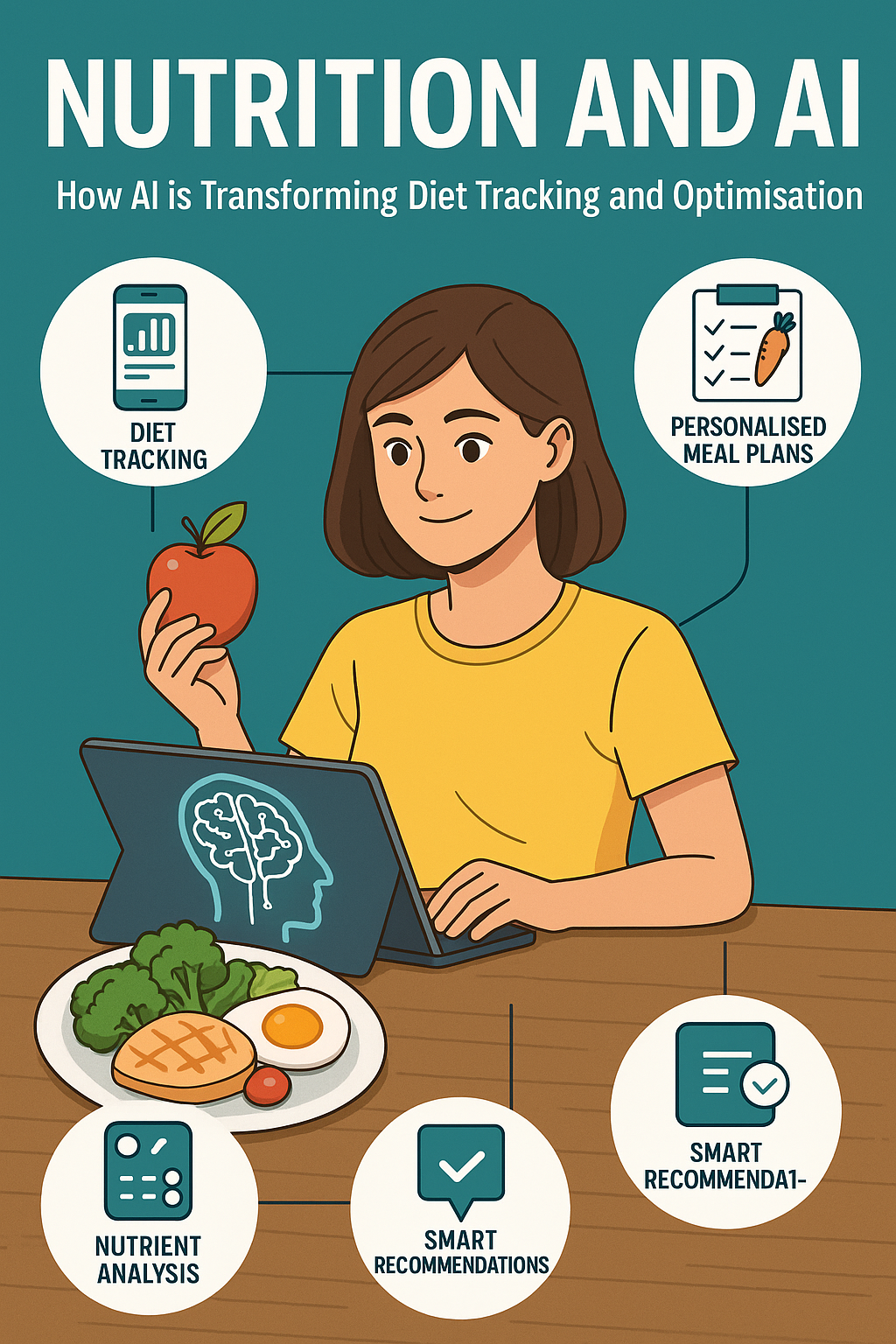
  • Automated Calorie Counting: AI scans barcodes or recognises food items from photos to calculate calorie intake.
  • Personalised Meal Plans: Based on dietary preferences, goals, and allergies, AI creates customised meal suggestions.
  • Nutrient Analysis: Tracks macronutrients (like proteins, carbs, fats) and micronutrients (such as vitamins and minerals) to ensure balanced eating.
  • Health Integration: Syncs with fitness trackers to adjust nutritional goals based on activity levels.
  • Smart Recommendations: Learns from past eating patterns and suggests healthier alternatives.
  • Voice Assistance: Integrates with smart devices to log meals via voice commands.
  • Recipe Suggestions: AI curates recipes based on available ingredients, helping to reduce food waste.

Popular AI Nutrition Apps and Gadgets

Several apps and gadgets are leading the way in AI-powered nutrition:

  • MyFitnessPal: Uses AI to scan food labels and track calorie intake accurately.
  • Nutrino: Offers personalised meal plans using data from wearable devices.
  • Yazio: Integrates AI to analyse nutritional needs and suggest balanced meals.
  • Samsung Health: Tracks daily food intake and monitors progress through AI-driven insights.
  • FitGenie: Uses machine learning to suggest meal adjustments based on fitness goals.

How AI Enhances Personalised Dieting

One of the most significant advantages of AI in nutrition is personalisation. Rather than following generic diet plans, users receive advice tailored to their body type, metabolism, and lifestyle. For instance, AI can recommend higher protein intake for muscle gain or suggest reducing sugar for those managing diabetes. As the app learns more about the user, it refines its recommendations, becoming more accurate and relevant.

Scientific Backing: How Accurate Are AI Diet Recommendations?

Research shows that AI-driven nutrition apps can be remarkably accurate when trained on large, diverse datasets. A study published in the Journal of Medical Internet Research found that AI-powered diet tracking apps significantly improve adherence to nutritional goals compared to manual methods. By continuously updating with new data, these apps become more precise, offering dynamic adjustments rather than static meal plans.

Challenges and Considerations

Despite their advantages, AI nutrition tools have some challenges:

  • Data Privacy: Since these apps collect sensitive health data, users must be cautious about sharing information.
  • User Accuracy: The reliability of the recommendations depends on accurate data entry.
  • Algorithm Bias: Some apps may favour certain dietary practices if their training data is not diverse enough.
  • Motivation Factors: While AI can suggest, it cannot enforce healthy eating habits. Commitment from the user remains essential.

Expert Insight: Nutritionists Weigh In

Nutrition expert Dr. Alice Ford says, “AI can significantly enhance diet management, but it should complement, not replace, professional advice. Personalisation is key, and AI helps bridge the gap between generic diets and individual needs.” Meanwhile, tech developer John Roberts notes, “The future of AI nutrition lies in integrating more real-time data, allowing for quicker adjustments and greater personal relevance.”

Future Trends in AI Nutrition

Looking ahead, we can expect more sophisticated AI nutrition systems that predict dietary needs based on genetic information and real-time health metrics. Innovations may include:

  • Nutrigenomics: AI that tailors diets based on genetic markers.
  • Mood-Linked Diet Suggestions: Recommending foods that boost mood based on emotional data.
  • Real-Time Glucose Monitoring: Integrating blood sugar data to manage diabetes more efficiently.
  • Sustainable Eating Guides: Suggesting meal plans that align with environmental goals, reducing carbon footprints.

Final Thoughts for AI Nutrition Tracking

AI nutrition is not just a passing trend but a transformative approach to healthy living. As technology continues to advance, we can expect even more precise, data-driven solutions for optimising our diets. Whether you are looking to lose weight, build muscle, or simply eat healthier, AI is making nutrition tracking more intuitive and personalised than ever before.

AI-Powered Personalised Wellness

Science Behind AI Wellness Algorithms & Healthcare

AI Wellness Algorithms

Understanding AI Wellness Algorithms

In recent years, AI has become an essential tool in healthcare, shaping how we monitor, diagnose, and treat health conditions. At the heart of this revolution are AI wellness algorithms. These complex mathematical models process vast amounts of health data to deliver personalised insights and predictions. By analysing patterns, they can make accurate predictions about health risks, recommend preventive measures, and even assist in crafting tailored wellness plans.

How AI Algorithms Are Developed

Creating an AI wellness algorithm begins with data collection. Developers gather health data from diverse sources such as wearables, electronic health records (EHRs), and patient-reported outcomes. The data is then cleaned, organised, and fed into machine learning models. These models learn from the data by identifying patterns and correlations, allowing the algorithm to make predictions or recommendations. Over time, as more data is introduced, the model becomes increasingly accurate and reliable.

Types of AI Algorithms Used in Wellness

There are several types of algorithms commonly applied to health and wellness:

  • Supervised Learning: These algorithms are trained on labelled data, such as heart rate readings paired with activity levels, to predict health outcomes.
  • Unsupervised Learning: Used to detect anomalies or uncover hidden patterns in large, unlabelled health datasets.
  • Deep Learning: Utilises neural networks to process complex data, ideal for interpreting medical images or genomic sequences.
  • Reinforcement Learning: Algorithms learn by trial and error, commonly used in AI-driven fitness applications that adapt to user performance.
  • Natural Language Processing (NLP): Used to analyse patient feedback or medical notes, identifying symptoms or conditions.

How AI Algorithms Enhance Personalised Wellness

AI wellness algorithms excel at providing tailored health advice. For example:

  • Sleep Monitoring: Analyses sleep patterns to suggest routines that improve rest.
  • Fitness Tracking: Learns physical activity patterns to recommend workouts that match energy levels.
  • Mental Health Insights: Monitors mood variations and offers coping strategies when stress levels rise.
  • Chronic Disease Management: Predicts potential flare-ups in conditions like diabetes by tracking blood sugar trends.
  • Nutrition Guidance: Analyses dietary data to propose meal plans aligned with fitness goals.

Case Studies and Real-World Examples

One notable example is the AI wellness platform Ada Health, which uses machine learning to assess symptoms and suggest possible conditions. Another is Fitbit’s Health Metrics Dashboard, where AI algorithms analyse breathing rate, heart rate variability, and oxygen saturation to flag potential health issues.
Meanwhile, the Samsung Health Monitor uses AI to interpret ECG readings, helping users track their heart health in real time. These applications demonstrate how AI algorithms turn raw data into actionable insights.

The Role of Big Data and Predictive Analytics

Big data plays a crucial role in enhancing AI wellness algorithms. By integrating data from millions of users, algorithms can detect patterns that might go unnoticed in smaller datasets. Predictive analytics then comes into play, using these patterns to forecast potential health changes. For instance, AI-powered wellness apps can predict stress spikes based on past behavioural data and alert users to take preventive actions.

Challenges and Ethical Considerations

While AI wellness algorithms offer significant benefits, they also raise ethical questions. One key concern is data privacy. Since algorithms rely on personal health information, protecting user data is paramount. Furthermore, there’s the issue of algorithmic bias. If the training data lacks diversity, the predictions may not be accurate for all demographic groups. To address this, developers are working to create more inclusive datasets and implement robust data protection measures.

Expert Perspectives on AI Wellness

Dr. Emily Carter, a data scientist specialising in healthcare AI, highlights the importance of transparency. “AI wellness algorithms must be explainable. Users should understand how the algorithm arrived at a recommendation,” she notes. Additionally, Dr. Andrew Malik, a clinical researcher, emphasises that human oversight is essential. “While AI can flag potential issues, healthcare professionals must validate these insights before making clinical decisions.”

Future Implications of AI in Personal Wellness

As AI wellness algorithms continue to evolve, they are likely to become more integrated into daily life. Future developments may include:

  • Hyper-Personalisation: AI that adjusts wellness plans in real time based on continuous data input.
  • Advanced Mental Health Monitoring: Algorithms that detect subtle mood changes before symptoms escalate.
  • Comprehensive Health Ecosystems: Integration of fitness, sleep, diet, and mental health data into a single wellness profile.
  • Virtual Health Coaches: AI-driven advisors that provide ongoing guidance and motivation based on real-time insights.

Final Thoughts

AI wellness algorithms are reshaping how we manage health, offering a more personalised and data-driven approach. By continuously learning and adapting, these technologies make wellness more accessible and precise. As the science behind AI algorithms advances, we can expect even more sophisticated and reliable solutions that enhance our quality of life.

Watch the video – AI wellness algorithms

White Pages Hull