Tag Archives: AI in Health

Digital Skin Health: Future of Wellness

Discover digital skin health analyzers and their role in revolutionising skincare, offering precise insights and personalised solutions.

Introduction

Have you ever wondered how advanced technology can transform your skincare routine? In recent years, digital skin health analyzers have emerged as a groundbreaking innovation, offering precise insights into skin health that were once only possible in dermatologists’ offices. With these devices becoming increasingly accessible, let’s explore how they can elevate your skincare game.

What Are Digital Skin Health Analyzers?

Digital skin health analyzers are innovative devices designed to evaluate various aspects of your skin. These devices use advanced technologies such as artificial intelligence, imaging, and sensors to provide detailed insights into your skin’s condition. From hydration levels to acne prediction, these analyzers offer a wealth of information right at your fingertips.

Typically portable and userfriendly, digital skin health analyzers come equipped with highresolution cameras and sensors. These tools capture your skin’s surface, providing an array of data points. The data is then processed using algorithms to assess and predict skin health, offering tailored advice and recommendations.

The appeal of these devices lies in their ability to offer personalised insights without the need for a professional consultation. This empowers users to make informed decisions about their skincare routines, adapting them to suit their unique needs and goals.

How Do These Devices Work?

The technology behind digital skin health analyzers is both sophisticated and intriguing. Most devices utilise a combination of highresolution imaging and sensors to capture minute details of the skin. They often measure parameters such as moisture levels, pore size, pigmentation, and even UV damage.

After scanning, the device analyses the data using AI algorithms trained on vast datasets. These algorithms compare your skin’s characteristics against established benchmarks to determine its condition and potential issues. The output is typically displayed through a userfriendly app or interface, offering you accessible explanations and actionable advice.

Some advanced analyzers even track skin changes over time, offering insights into the effectiveness of skincare products or lifestyle changes. By monitoring these parameters, you can tweak your skincare regimen for optimal results, ensuring that each product delivers its maximum potential.

Benefits of Using Digital Skin Health Analyzers

Digital skin health analyzers offer numerous advantages for users seeking to refine their skincare approach. Firstly, they provide highly accurate assessments that are often more reliable than selfevaluations. This precision allows for more targeted skincare strategies, potentially saving time and money on ineffective products.

The convenience of home diagnostics is another significant benefit. With these analyzers, there’s no need to schedule frequent dermatologist visits. Users can regularly monitor their skin at home, making it easier to detect changes early and respond appropriately.

Furthermore, many devices offer customised skincare recommendations. Based on your skin analysis, the accompanying app might suggest suitable products or lifestyle adjustments. This level of personalisation can greatly enhance the effectiveness of your skincare routine, leading to healthier, more vibrant skin.

Top Tips for Optimal Skin Health

Digital skin health analyzers are powerful tools, but they work best as part of a holistic approach to skincare. Here are some top tips to enhance your skin health journey:

1. Stay hydrated: Drink plenty of water every day to maintain skin hydration from the inside out.
2. Protect from the sun: Use sunscreen daily to prevent UV damage, a leading cause of premature skin ageing.
3. Follow a balanced diet: Include foods rich in antioxidants and essential fatty acids to support skin health.
4. Regularly cleanse: Use gentle cleansers to remove dirt and pollutants, keeping pores clear and skin fresh.
5. Get enough sleep: Ensure adequate rest, as sleep is crucial for skin repair and rejuvenation.

FAQ

What is the primary function of a digital skin health analyzer?

The primary function is to assess various skin health parameters, providing users with precise insights and personalised skincare advice.

Can these analyzers replace dermatologist visits?

While they provide valuable information, they cannot entirely replace professional medical advice. Regular dermatologist visits are still recommended for comprehensive skin health evaluations.

Are digital skin health analyzers suitable for all skin types?

Yes, most analyzers are designed to accommodate various skin types, offering tailored insights based on individual needs.

How often should I use a digital skin health analyzer?

Usage frequency can vary, but once a week is generally sufficient for monitoring changes and adjusting skincare routines effectively.

Conclusion

Digital skin health analyzers are revolutionising the way we approach skincare, offering a blend of science and convenience. By providing detailed insights directly to users, these devices empower us to take control of our skin health like never before. Whether you’re a skincare enthusiast or a casual user, have you considered how a digital skin health analyzer could transform your routine? Share your thoughts on integrating this tech into your daily wellness journey.

For more information on finding local skincare experts, utilize our people finder service to connect with professionals in your area.

For more, see this Wikipedia article on visionary ideas.

The Rise of Heart Rate Variability Tracking

Discover how heart rate variability tracking is reshaping personal health and wellness, offering insights into stress, recovery, and overall wellbeing.

Understanding Heart Rate Variability

Have you ever wondered how deeply your heart speaks about your wellbeing? Heart rate variability (HRV) might be the answer to deciphering these whispers. HRV refers to the variation in the time interval between heartbeats. Unlike the constant ticking of a clock, a healthy heart beats with a subtle variation. These fluctuations are crucial as they reflect how your autonomic nervous system responds to various stimuli, both internal and external.

In recent years, HRV has gained traction as a valuable tool in health and fitness tracking. It offers insights into stress levels, recovery status, and overall health, providing a comprehensive view of one’s physical and emotional state. With the advent of wearable technology, tracking HRV has become accessible to everyone, no longer an exclusive domain of elite athletes or clinical settings.

Understanding your HRV can help you make informed decisions about your health and lifestyle. For instance, a low HRV might indicate a need to focus more on recovery and stress management, whereas a high HRV suggests resilience and good recovery status. Let’s delve deeper into how HRV tracking could revolutionise your wellness journey.

The Science Behind HRV

HRV is rooted in the intricate workings of the autonomic nervous system, which controls involuntary functions like heart rate, digestion, and respiratory rate. This system is divided into two branches: the sympathetic (fight or flight) and parasympathetic (rest and digest). A balanced interaction between these branches is crucial for maintaining health, and HRV is a key metric reflecting this balance.

Generally, a higher HRV indicates a predominance of parasympathetic activity, suggestive of a relaxed, recuperative state. On the other hand, lower HRV signals sympathetic dominance, pointing to stress or physical exertion. By continually measuring HRV, you can assess how well your body adapts to stress and recovers, thus providing a practical gauge of your wellbeing.

Modern technology has paved the way for HRV to be monitored in realtime through wearable devices, offering a personalised window into your physiological state. These insights can empower individuals to make lifestyle changes that benefit their health, such as adjusting physical activity, improving sleep quality, and managing stress effectively.

HRV in Everyday Life

How can you integrate HRV tracking into your daily routine? Wearable tech such as smartwatches and fitness bands has made this process seamless. Many devices now include HRV tracking features, providing users with instant feedback on their health metrics. By analysing this data, individuals can tailor their daily activities and optimise their wellness.

For example, if your HRV indicates you’re under significant stress, you might decide to incorporate mindfulness practices or adjust your workload. Similarly, athletes use HRV data to finetune their training schedules, ensuring they push their limits without overtraining. The ultimate goal is to strike a balance between activity and recovery, promoting longterm health and performance enhancement.

Moreover, HRV tracking is not just limited to athletes or fitness enthusiasts. It holds potential benefits for everyone, including those managing chronic conditions or looking to maintain a healthy lifestyle. With these insights at your fingertips, you can navigate everyday challenges with a greater understanding of your body’s needs.

Tech Gadgets and Wearables

The market for HRV tracking devices is rapidly expanding, offering a wide range of options suited to different needs and preferences. From advanced smartwatches to dedicated heart rate monitors, there’s a gadget for everyone interested in monitoring their HRV. These devices use sophisticated sensors and algorithms to provide accurate and realtime data.

When selecting a device, consider factors such as ease of use, data accuracy, and app integration. Many wearables sync with mobile applications, allowing users to track trends and receive personalised insights over time. This connectivity can facilitate a deeper understanding of how lifestyle choices affect your physiological state.

Investing in a reliable HRV tracking device could be a gamechanger in achieving your health goals. It provides the means to monitor your body’s responses and make informed decisions, ultimately supporting a balanced and healthy lifestyle.

Top Tips:

1. Choose a wearable device that suits your daily routine and comfort preferences.
2. Regularly check your HRV data to understand your baseline and monitor changes.
3. Use HRV insights to balance activity levels with adequate recovery.
4. Incorporate relaxation techniques if your HRV indicates rising stress levels.
5. Consult healthcare professionals if significant changes in HRV persist.

FAQ:

What is heart rate variability? Heart rate variability (HRV) measures the variation in time between heartbeats, reflecting the autonomic nervous system’s balance. For more, see this Wikipedia article on alternitive therapies.

Why is HRV important? HRV provides insights into stress levels, recovery, and overall health, helping individuals make informed lifestyle decisions.

Can anyone track their HRV? Yes, with modern wearable technology, anyone can monitor their HRV and gain valuable health insights.

Does HRV tracking require special equipment? While specific wearable devices offer HRV tracking, many modern smartwatches, and fitness bands include this feature.

How can I improve my HRV? Regular exercise, sufficient sleep, and stress management practices can enhance HRV over time.

Conclusion

Heart rate variability tracking is revolutionising personal health and wellness. As technology advances, it offers a practical means of understanding and improving one’s physiological state. Whether you strive to enhance athletic performance or manage daily stress, HRV provides essential insights to guide your journey.

So, are you ready to dive into the world of HRV tracking and unlock a new level of health awareness? How do you think understanding your heart’s rhythm can impact your daily life? Share your thoughts and experiences in the comments below.

Feel free to explore how people finder tools can connect you with professionals to guide your HRV journey further.

AI in Health Diagnostics: Revolutionizing Disease Detection

Discover how AIpowered health diagnostics are transforming disease detection and improving healthcare outcomes for millions worldwide.

Introduction

Artificial Intelligence (AI) is reshaping the landscape of health diagnostics, offering promising advancements in disease detection and patient care. With AI’s capability to analyze vast data sets quicker and more accurately than traditional methods, healthcare providers can diagnose and treat conditions with unparalleled precision. This blog post explores the transformative impact of AI in health diagnostics and the potential benefits it brings to patients and medical professionals alike.

AIPowered Disease Detection

AI’s prowess in pattern recognition makes it an invaluable tool in disease detection. By analyzing complex medical data, AI algorithms can identify patterns and anomalies that might be missed by the human eye. This capability is particularly significant in fields like radiology, where AI can assist in detecting early signs of diseases such as cancer, enhancing early intervention and improving survival rates.

Moreover, AI’s ability to process and learn from vast datasets allows for continuous improvement in diagnostic accuracy. As more data is fed into AI systems, these tools become even more precise and reliable, offering the promise of personalizing healthcare for individual patients.

Enhancing Efficiency in Healthcare

AIpowered diagnostics not only improve accuracy but also enhance efficiency within healthcare systems. Traditional diagnostic processes can be timeconsuming and laborintensive. AI can streamline these processes, delivering faster results and freeing up medical professionals to focus on patient care rather than administrative tasks.

Additionally, AI systems can operate 24/7, analyzing data and generating insights without the need for breaks. This continuous operation capability means diagnoses can be made rapidly, leading to quicker treatment decisions and potentially better health outcomes.

Challenges and Ethical Considerations

While the benefits of AI in health diagnostics are substantial, there are challenges and ethical considerations to address. Ensuring patient data privacy and managing algorithmic bias are critical concerns. It’s essential for AI systems to be transparent and for healthcare professionals to understand how these tools arrive at their conclusions to maintain trust and reliability in AI diagnostics.

Furthermore, integrating AI into existing healthcare frameworks requires careful planning and collaboration between technologists, medical professionals, and policymakers to ensure smooth implementation and acceptance within medical communities.

Top Tips:

When considering AIpowered diagnostic tools, evaluate the system’s data privacy measures.
Stay informed about the latest AI advancements in healthcare to understand their potential impact.
Engage with healthcare providers to discuss how AI might be integrated into your treatment.

Conclusion

AIpowered health diagnostics hold the key to a new era of precision medicine. By improving diagnostic accuracy and efficiency, AI has the potential to revolutionize how we detect and treat diseases. As AI technology continues to evolve, it will undoubtedly play an integral role in transforming healthcare for future generations. To learn more about advancements in the field, you can visit this people finder resource for additional insights.

Stay informed, ask questions, and advocate for the use of innovative technologies that promise better health outcomes. Embrace the future of healthcare with AI, and be a part of this transformative journey.

Image Prompt: A futuristic healthcare lab with advanced AI technology, diverse doctors analyzing data, hightech diagnostic equipment, digital health interface, modern and clean aesthetic.

The Future of Wellbeing: Tech for Healthy Ageing

Discover how modern technology is revolutionizing healthy ageing. From smart devices to AI, explore tech innovations that support longevity.

Introduction

In an era where technology permeates every aspect of our lives, it’s no surprise that it’s transforming the way we approach ageing. With advancements in AI, smart devices, and digital health solutions, ageing gracefully while maintaining a high quality of life is more achievable than ever before. This article explores how technology is revolutionizing healthy ageing, offering innovative solutions to enhance longevity and overall wellbeing.

Smart Home Devices for Safe Living

One of the key technologies aiding healthy ageing is smart home devices. These gadgets provide safety, convenience, and independence for older adults. From voiceactivated assistants to automated lighting and smart thermostats, these devices not only enhance comfort but also ensure a safe living environment.

For instance, smart home devices like fall detectors and emergency alert systems can notify family members or caregivers immediately in case of an emergency, allowing for quick and effective response. As these technologies continue to evolve, they are expected to offer even more tailored solutions for the ageing population.

Wearable Technology for Monitoring Health

Wearable technology has become a cornerstone in the realm of health management. Devices such as fitness trackers and smartwatches offer realtime health monitoring, providing valuable insights into physical activity, heart rate, sleep patterns, and more.

These wearable gadgets empower individuals to track their health metrics and make informed decisions about their wellbeing. Moreover, they enable healthcare professionals to monitor patients remotely, ensuring timely interventions when necessary. This seamless integration of wearable tech in daily life helps promote a proactive approach to health management for older adults.

AIPowered Solutions for Personal Health

Artificial Intelligence (AI) is playing a pivotal role in personalizing healthcare for the elderly. AIdriven applications are designed to analyze vast amounts of health data, offering personalized recommendations and predictive insights for better health outcomes.

From AIbased virtual assistants that offer health advice to tools that predict medical conditions, AI is enhancing the ability to provide preventative care. By integrating AI into digital health platforms, older adults can benefit from tailored health plans and timely medical insights, fostering a healthier lifestyle.

Top Tips:

1. Consider integrating smart home devices to create a safer and more comfortable living environment.
2. Use wearable technology to stay informed about your health metrics and engage in proactive health management.
3. Explore AIdriven applications for personalized health insights and recommendations.
4. Stay informed about the latest tech advancements to continually enhance your wellbeing.

Conclusion

As technology continues to advance, its role in promoting healthy ageing becomes increasingly significant. By embracing these innovations, we can enhance our quality of life, maintain independence, and ensure comprehensive health management. Explore these technologies and take charge of your ageing process for a vibrant and fulfilling life. To discover how technology can help you connect with loved ones, check out this people finder resource.

Image Prompt: A futuristic scene showing elderly people engaging with smart devices and technology in a modern home environment, illustrating tech for healthy ageing, with warm, inviting lighting and a sense of connection.

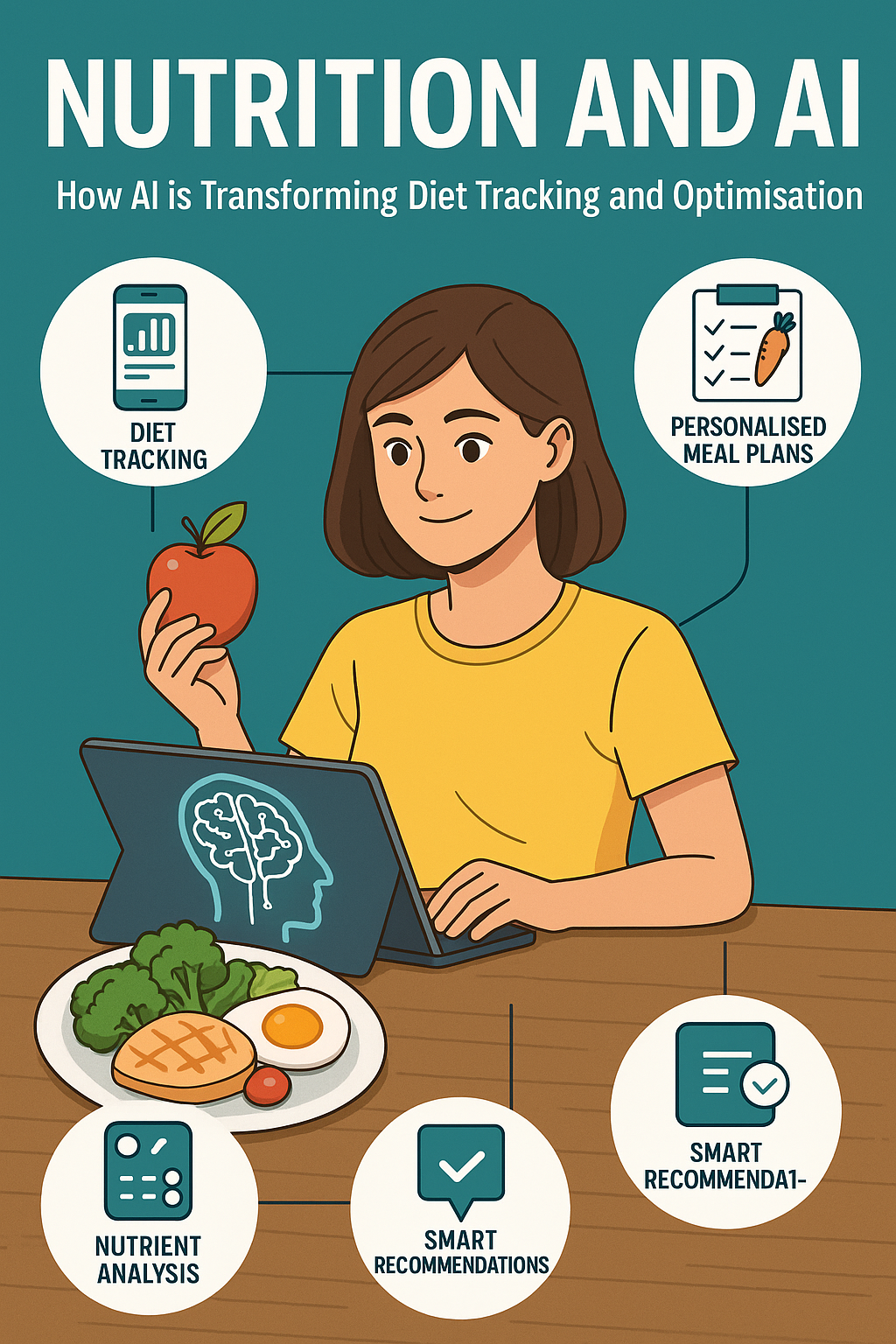
AI Nutrition Tracking Transforming Diets and Optimisation

AI Nutrition Tracking
#image_title

Why AI is Changing How We Approach Nutrition

AI Nutrition Tracking is keeping track of nutrition used to mean scribbling notes in a food diary or calculating calories by hand. Today, AI-driven apps are making it easier to monitor what we eat, analyse dietary habits, and make informed choices. By using advanced algorithms, these tools offer personalised recommendations based on real-time data, helping individuals optimise their diets without the guesswork.

How AI Nutrition Tracking Works

At the core of AI nutrition tracking are algorithms that process vast amounts of data. These systems gather information from wearable devices, health apps, and manual inputs, such as food logs. The data is then analysed to understand eating patterns, nutrient intake, and overall dietary habits. Based on this analysis, the app offers tailored meal suggestions, tracks calories, and even alerts users when they deviate from their goals.

Key Features of AI-Driven Nutrition Apps

AI-powered nutrition tools are designed to simplify diet management and promote healthier eating habits. Here are some key features:

  • Automated Calorie Counting: AI scans barcodes or recognises food items from photos to calculate calorie intake.
  • Personalised Meal Plans: Based on dietary preferences, goals, and allergies, AI creates customised meal suggestions.
  • Nutrient Analysis: Tracks macronutrients (like proteins, carbs, fats) and micronutrients (such as vitamins and minerals) to ensure balanced eating.
  • Health Integration: Syncs with fitness trackers to adjust nutritional goals based on activity levels.
  • Smart Recommendations: Learns from past eating patterns and suggests healthier alternatives.
  • Voice Assistance: Integrates with smart devices to log meals via voice commands.
  • Recipe Suggestions: AI curates recipes based on available ingredients, helping to reduce food waste.

Popular AI Nutrition Apps and Gadgets

Several apps and gadgets are leading the way in AI-powered nutrition:

  • MyFitnessPal: Uses AI to scan food labels and track calorie intake accurately.
  • Nutrino: Offers personalised meal plans using data from wearable devices.
  • Yazio: Integrates AI to analyse nutritional needs and suggest balanced meals.
  • Samsung Health: Tracks daily food intake and monitors progress through AI-driven insights.
  • FitGenie: Uses machine learning to suggest meal adjustments based on fitness goals.

How AI Enhances Personalised Dieting

One of the most significant advantages of AI in nutrition is personalisation. Rather than following generic diet plans, users receive advice tailored to their body type, metabolism, and lifestyle. For instance, AI can recommend higher protein intake for muscle gain or suggest reducing sugar for those managing diabetes. As the app learns more about the user, it refines its recommendations, becoming more accurate and relevant.

Scientific Backing: How Accurate Are AI Diet Recommendations?

Research shows that AI-driven nutrition apps can be remarkably accurate when trained on large, diverse datasets. A study published in the Journal of Medical Internet Research found that AI-powered diet tracking apps significantly improve adherence to nutritional goals compared to manual methods. By continuously updating with new data, these apps become more precise, offering dynamic adjustments rather than static meal plans.

Challenges and Considerations

Despite their advantages, AI nutrition tools have some challenges:

  • Data Privacy: Since these apps collect sensitive health data, users must be cautious about sharing information.
  • User Accuracy: The reliability of the recommendations depends on accurate data entry.
  • Algorithm Bias: Some apps may favour certain dietary practices if their training data is not diverse enough.
  • Motivation Factors: While AI can suggest, it cannot enforce healthy eating habits. Commitment from the user remains essential.

Expert Insight: Nutritionists Weigh In

Nutrition expert Dr. Alice Ford says, “AI can significantly enhance diet management, but it should complement, not replace, professional advice. Personalisation is key, and AI helps bridge the gap between generic diets and individual needs.” Meanwhile, tech developer John Roberts notes, “The future of AI nutrition lies in integrating more real-time data, allowing for quicker adjustments and greater personal relevance.”

Future Trends in AI Nutrition

Looking ahead, we can expect more sophisticated AI nutrition systems that predict dietary needs based on genetic information and real-time health metrics. Innovations may include:

  • Nutrigenomics: AI that tailors diets based on genetic markers.
  • Mood-Linked Diet Suggestions: Recommending foods that boost mood based on emotional data.
  • Real-Time Glucose Monitoring: Integrating blood sugar data to manage diabetes more efficiently.
  • Sustainable Eating Guides: Suggesting meal plans that align with environmental goals, reducing carbon footprints.

Final Thoughts for AI Nutrition Tracking

AI nutrition is not just a passing trend but a transformative approach to healthy living. As technology continues to advance, we can expect even more precise, data-driven solutions for optimising our diets. Whether you are looking to lose weight, build muscle, or simply eat healthier, AI is making nutrition tracking more intuitive and personalised than ever before.

AI-Powered Personalised Wellness