Tag Archives: healthy eating

Simplify Mealtime with Automated Planners

Discover how automated meal planners and grocery lists revolutionise modern dining, saving time and promoting healthy eating.

Is Meal Planning Taking Too Much of Your Time?

In today’s fastpaced world, many find themselves overwhelmed by the constant need to plan meals and grocery shop. Are you tired of spending hours each week trying to figure out what to cook while ensuring you buy the right ingredients? What if technology could not only simplify but enhance your culinary experience?

Enter automated meal planners and grocery lists, a modern solution that combines the convenience of technology with healthcentred living. This digital innovation offers a new way to approach one of our most vital daily tasks: eating. By automating the meal planning process, these tools aim to free up time and reduce stress while supporting your nutritional goals.

The Rise of Automated Meal Planners

Automated meal planners have swiftly gained popularity, transforming how individuals approach cooking and meal preparation. These tools use algorithms to create custom meal plans based on dietary preferences, health goals, and even budget constraints. With just a few clicks, you can have an entire week’s worth of meals tailored to your needs.

The real beauty of these planners lies in their adaptability. Whether you’re vegan, glutenfree, or focused on highprotein diets, these digital companions adjust the menu to fit your lifestyle. By understanding user preferences through initial setup questionnaires, they suggest meals that align with your tastes while ensuring dietary diversity.

Moreover, many of these planners integrate nutritional insights, helping users maintain balanced diets without the hassle of calorie counting or nutrient monitoring. This combination of personalisation and health focus makes them an invaluable tool for those looking to improve their eating habits effortlessly.

Embracing Technology in the Kitchen

The integration of technology into our kitchen routines marks a significant shift towards smart living. Automated meal planners are part of a broader trend where technology aids in daily activities, enhancing both efficiency and enjoyment. Gone are the days of manually drafting meal plans or jotting down shopping lists; instead, these tools digitise and optimise the process.

Many meal planning apps now sync with smart kitchen gadgets, allowing seamless integration of recipes with appliances like smart ovens and refrigerators. The result is a harmonious kitchen experience where meals are not only planned but also executed with minimal user input.

By reducing the guesswork, these technologies empower individuals to make healthier choices, all while simplifying kitchen tasks. This aspect is particularly beneficial for busy families or careerfocused individuals who want to maintain healthy eating patterns without dedicating significant effort.

Conveniently Creating Grocery Lists

An automated grocery list is one of the noteworthy features of these meal planners. Once your meals are set, these tools generate a comprehensive list of ingredients needed for the week. This functionality eliminates the common issue of forgetting essential items or making multiple trips to the store.

Additionally, some apps offer a pantrytracking feature, ensuring you use existing ingredients before buying more. This not only reduces food waste but also helps manage the household budget effectively.

Furthermore, these planners often come with a sharing feature, allowing you to sync your shopping list with family members. This way, anyone can access the list, making collaborative shopping easier and more efficient.

How Automated Meal Planning Supports Wellbeing

Meal planners do more than save time; they support overall wellbeing by promoting mindful eating habits. By having a structured meal plan, individuals can focus on maintaining a balanced diet, which is increasingly important in our healthconscious society.

These planners also teach portion control and meal variation, both of which are crucial for nutritional balance. By introducing a variety of meals, they help users avoid dietary monotony and encourage the exploration of new foods and recipes, contributing to a more enjoyable and satisfying culinary experience.

Moreover, when combined with fitness trackers or wellness apps, meal planners provide a holistic approach to health management. Tracking both physical activity and dietary intake can lead to better health outcomes, making it easier to achieve personal wellness goals.

Top Tips and FAQ

Top Tips:

Start with a clear understanding of your dietary preferences and health goals before using a meal planner.
Choose apps that offer grocery list syncing with your smartphone for efficient shopping.
Explore planners with pantry tracking to minimise food waste.
Integrate meal planners with fitness apps for a comprehensive health approach.
Regularly update your preferences to keep meal plans aligned with your needs.

FAQ:

Q: Are automated meal planners suitable for families?
A: Yes, they can help manage family meals by accommodating various dietary needs and simplifying grocery shopping.

Q: Do these planners require internet access?
A: While many features work offline, updates and syncing typically require an internet connection.

Q: How do I ensure the app’s suggestions align with my tastes?
A: Most apps offer customisation options based on your initial setup preferences.

Q: Can these planners help with weight management?
A: Yes, by providing nutritional insights and portion control, they support weight management goals.

Q: Are there costs associated with these apps?
A: Many offer free versions, with premium options available for advanced features.

Conclusion: Embrace the Future of Meal Planning

Automated meal planners and grocery lists represent the future of culinary convenience and healthy living. By leveraging technology, they transform meal preparation from a chore into a seamless, enjoyable experience. Whether you’re a seasoned cook or new to meal planning, these tools can revolutionise your approach to food.

Have you tried an automated meal planner? What features are most important to you? Consider how integrating such technology could enhance your daily routine and contribute to a healthier lifestyle. To further explore modern conveniences, you might be interested in our article on finding the perfect people finder tool for your needs.

For more, see this Wikipedia article on Fitness.

Track Your Nutrition: A Modern Path to Health

Discover how nutrition tracking can transform your health journey, improve wellbeing, and empower better eating habits with simple tools and tips.
Have you ever wondered how to truly understand what you eat daily? Nutrition tracking might be your answer. In today’s fastpaced world, staying on top of your dietary intake can feel like a daunting task. However, with the right approach, it’s easier than you think. In this post, we’ll explore practical tips and tools to help you track your nutrition effectively, making it a seamless part of your daily routine.

Understanding Nutrition Tracking

Nutrition tracking involves diligently recording your food and drink intake to monitor nutritional values like calories, macronutrients, and micronutrients. With the rise of technology, this task has become much more manageable, thanks to various apps and tools designed to simplify the process.

By understanding what you consume, you can make informed decisions about your diet. This awareness fosters healthier eating habits and can help you achieve your wellness goals, whether they involve weight management, muscle gain, or general wellbeing.

Importantly, nutrition tracking is not just for those on a diet. It can provide valuable insights for anyone looking to live a healthier lifestyle or to understand the impact of specific foods on their body.

The Benefits of Tracking Your Nutrition

Why should you consider tracking your nutrition? For starters, it offers accountability. When you write down everything you eat, you’re more conscious of sneaky extra snacks or occasional indulgences that might otherwise go unnoticed.

Moreover, nutrition tracking helps identify trends in your eating habits. Are there times of the day when you’re more prone to unhealthy choices? With this knowledge, you can make targeted adjustments to your routine and reduce such tendencies.

Additionally, the data can reveal deficiencies in your diet. Perhaps you’re missing out on essential vitamins or minerals, or you’re consuming too much of one nutrient. Pinpointing these gaps allows you to make necessary adjustments and optimise your health.

Tools and Technology to Simplify Nutrition Tracking

Thanks to technology, nutrition tracking has never been easier. A plethora of apps are available, each offering unique features like barcode scanning, meal planning, and realtime feedback. Popular apps like MyFitnessPal, LoseIt, and Cronometer provide comprehensive databases, making it easier to find and log your meals.

These tools often include goalsetting features, allowing you to personalise your nutrition plan. Whether you aim to lose weight, gain muscle, or maintain a balanced diet, they offer tailored insights to help you stay on track.

Further, many apps integrate with fitness trackers and smartwatches, providing a holistic view of your health. By linking these devices, you can correlate your nutrition data with physical activity, offering a complete picture of your wellbeing.

How to Start Your Nutrition Tracking Journey

Embarking on your nutrition tracking journey doesn’t require drastic changes. Begin by selecting an app that aligns with your goals and preferences. Start logging every meal and snack, paying attention to portion sizes and nutritional content.

To ease into the habit, set realistic and achievable targets. Rather than overhauling your diet overnight, make small, incremental changes. For instance, if your goal is to reduce sugar intake, begin by cutting back on sugary beverages.

Consistency is key. Aim to log your meals daily, even on weekends. The more data you collect, the better insights you’ll gain, empowering you to make informed dietary decisions.

Potential Challenges and Solutions

Despite its benefits, nutrition tracking can present challenges. Time constraints, forgetfulness, or even the complexity of some tools can hinder your efforts. However, these obstacles are surmountable with a few strategies.

First, consider setting reminders on your phone or app to prompt you to log meals. Integrating this task with meal times can help establish it as a habit.

Second, start small. If tracking every detail feels overwhelming, focus on key meals or ingredients. As you become comfortable, expand your tracking to cover more aspects of your diet.

Finally, embrace the learning curve. It may take time to familiarise yourself with your chosen tool. Most apps offer tutorials or support communities, which can be invaluable resources when questions arise.

Top Tips:

1. Choose a userfriendly app that suits your lifestyle.
2. Set clear, attainable goals to keep you motivated.
3. Use reminders to establish a consistent tracking habit.
4. Review your data regularly to identify trends and make adjustments.
5. Integrate nutrition tracking with physical activity data for a holistic health view.

FAQ:

Q: Is it necessary to track every single meal?
A: While ideal, it’s okay to start small. Focus on tracking key meals and gradually increase.

Q: How accurate are nutrition tracking apps?
A: Apps rely on user input and database data, so accuracy can vary. Doublecheck entries for reliability.

Q: Can I use nutrition tracking for weight gain?
A: Yes, tracking helps manage caloric intake and macronutrient balance for weight gain or muscle building.

Q: Do I need to track forever?
A: Not necessarily. Once you develop healthy habits, you can reduce reliance on tracking apps.

Q: How do I handle dining out?
A: Use app databases for common restaurant items or estimate based on similar homemade meals.

Conclusion: Ready to Take Control of Your Health?

Now that you understand the benefits and practicality of nutrition tracking, are you ready to make it a part of your life? By integrating this tool into your routine, you can gain valuable insights into your eating habits and propel your wellness journey forward. Share your experiences or questions below, and let’s continue the conversation on achieving optimal health together.

Image Prompt: An ultrarealistic image of a diverse group of people using smartphones and tablets to track their nutrition, surrounded by healthy foods like fruits, vegetables, and grains, set in a modern kitchen environment.

For more, see this Wikipedia article on Nutrition.

Optimise Your Health with Effective Nutrition Tracking

Discover the art of nutrition tracking and how it can enhance your health. Learn tips, tools, and FAQs to get started on your wellness journey today.

Introduction

Have you ever wondered if you’re getting the most out of what you eat? Nutrition tracking is increasingly popular as people strive to optimise their health and wellness. This form of monitoring can offer insights into your dietary habits, helping you make informed decisions about your food intake. Let’s delve into the world of nutrition tracking and explore its benefits, tools, and tips for getting started.

The Benefits of Nutrition Tracking

Nutrition tracking isn’t just for those looking to lose weight. It’s a powerful tool for anyone wanting to live a healthier life. By monitoring your food intake, you gain valuable insights into your dietary patterns. This can help identify nutritional deficiencies and imbalances.

When you track your nutrition, you’re better equipped to make changes that support your health goals. This might include increasing your intake of vegetables and fruits or reducing processed foods. Moreover, consistent tracking can lead to more mindful eating, fostering a better relationship with food.

Additionally, tracking your nutrition can complement specific dietary needs. Whether you follow a vegan diet, are gluten intolerant, or need to manage a medical condition like diabetes, understanding your food intake can aid in ensuring you meet your nutritional needs effectively.

Tools for Effective Nutrition Tracking

The digital age offers a multitude of tools for nutrition tracking. Many mobile apps are designed to simplify the process. Popular apps like MyFitnessPal, Lose It!, and Cronometer provide extensive food databases and intuitive interfaces for logging meals.

These tools often include features such as bar code scanning, which simplifies entering packaged foods. They can also incorporate your physical activity level, giving you a more comprehensive view of your health. By using these apps, you can track calories, macronutrients, and even micronutrients with ease.

In addition to apps, wearable technology can support your nutrition tracking efforts. Devices like the Fitbit or Apple Watch can sync with nutrition apps, providing an integrated approach to health management.

Challenges and Solutions in Nutrition Tracking

While the benefits of nutrition tracking are clear, some challenges may arise. One common obstacle is the time and effort required to log meals daily. Initially, this can seem overwhelming, but as you become more familiar with the process, it becomes second nature.

Another challenge is the potential for becoming too focused on numbers, leading to obsessive behaviour. It’s crucial to maintain a balanced approach and view tracking as a tool, not a strict dietary dictator. Setting realistic goals and allowing flexibility in your diet can mitigate this issue.

To overcome these challenges, consider starting with simpler tracking methods. For example, begin by noting down your meals in a journal before transitioning to digital tools. This helps build the habit gradually.

Nutritional Tracking for Different Goals

Nutrition tracking can be tailored to different health goals. If weight loss is your objective, focusing on calorie intake and creating a deficit is essential. Tracking can help identify where excess calories are coming from and suggest healthier alternatives.

For those interested in muscle gain, tracking protein intake becomes crucial. Ensuring your diet supports muscle recovery and growth can be effectively managed through precise nutrition tracking.

If general health improvement is your aim, tracking can foster awareness of your eating patterns. This awareness often serves as the catalyst for healthier choices and improved wellbeing.

Top Tips and FAQ

Top Tips:

Start small, and gradually increase the details you track.
Use reliable apps to streamline the process.
Set achievable goals and celebrate small victories.
Stay flexible to maintain a positive mindset.
Pair tracking with regular exercise for optimal results.

FAQ:

Q: Do I need to track every meal?
A: While tracking every meal provides more accuracy, focus on tracking the majority to build a habit.
Q: What should I do if I miss a day?
A: Don’t worry about missed days; just continue the next day without judgement.
Q: Is nutrition tracking suitable for everyone?
A: Generally, yes, but consult a healthcare professional if you have specific health conditions.
Q: Can tracking help with food allergies?
A: Absolutely, it increases awareness of food intake and potential allergens.
Q: Does nutrition tracking mean I can’t indulge?
A: Indulgence is fine in moderation, as long as it fits within your overall dietary plan.

Conclusion

As you navigate your nutrition tracking journey, remember it’s about creating a healthier lifestyle, not just counting numbers. The insights gained can be transformative, leading to better health and wellbeing. What are your nutrition goals, and how can tracking help you achieve them? Share your experiences and thoughts on incorporating this practice into your life. For more insights on finding support, consider checking out this people finder to connect with a nutritionist or dietitian who can guide you further.

For more, see this Wikipedia article on Technology.

Smarter Eating: AI for Personalised Nutrition Plans

Discover how AI is revolutionising nutrition planning with tailored diet plans to suit your unique health needs and preferences.

Introduction: Can AI Revolutionise How We Eat?

In the everevolving world of technology, have you ever wondered how AI might change your eating habits? Nutrition planning is increasingly becoming a personalised experience, thanks to technological advancements. With artificial intelligence shaping various facets of modern life, it’s no surprise it’s now venturing into the kitchen to offer bespoke dietary solutions. But how exactly does AI achieve this, and what benefits does it bring to the table?

Understanding AI in Nutrition

Artificial intelligence has the remarkable ability to analyse and process vast amounts of data quickly. In the realm of nutrition, AI examines an individual’s health data, dietary preferences, and nutritional needs. By doing so, it crafts personalised nutrition plans that cater to specific requirements. This can include everything from tailoring meals to accommodate allergies and intolerances to optimising nutrient intake for athletic performance.

For those with unique dietary restrictions, AI becomes an invaluable tool. It can sift through myriad food options and create a menu that not only meets dietary guidelines but also caters to personal taste preferences. This customisation ensures individuals are not only eating healthily but enjoying their meals.

AI’s capability extends to continuous learning and improvement. As more data becomes available, the AI system can refine its recommendations, ensuring dietary plans evolve with changing health goals and lifestyles. This dynamism positions AI as a pivotal player in the realm of nutrition.

The Science Behind AIDriven Meal Plans

What makes AIdriven meal planning possible is the integration of machine learning algorithms and nutritional science. These algorithms assess various parameters such as age, weight, activity level, and preexisting health conditions. The outcome is an evidencebased diet plan tailored to an individual’s unique profile.

Furthermore, AI applies predictive analytics to forecast health trends. For instance, if data indicates a potential vitamin deficiency, the AI can suggest food options rich in the required nutrients. This proactive approach not only ensures nutritional adequacy but also contributes to longterm wellness.

AI is also adept at adapting meal plans based on evolving health markers. For example, if a user’s blood pressure changes, the AI can adjust salt intake recommendations accordingly. Such precision is what sets AI apart from generic nutrition advice.

Benefits of AI for Nutrition Planning

There are numerous advantages to using AI for nutrition planning. One of the most significant is personalisation. Unlike traditional methods, AI doesn’t rely on onesizefitsall plans. Instead, it recognises the uniqueness of each individual, offering them flexibility and variety in their diet.

Another benefit is timesaving. With busy schedules, planning meals can be a daunting task. AI takes away this burden by generating meal plans with just a few clicks. This convenience ensures people can maintain a healthy diet without the hassle of daily meal planning.

Moreover, AI fosters a deeper understanding of nutrition. By providing detailed insights and feedback, users become more informed about their dietary choices. This educational component contributes to better longterm eating habits.

Challenges and Considerations

Despite its benefits, integrating AI into nutrition planning isn’t without challenges. One major concern is data privacy and security. Users must share sensitive health information to receive personalised plans, raising questions about how this data is stored and protected.

The accuracy of AI predictions also depends heavily on the quality of data inputted. Inaccurate or incomplete data can lead to suboptimal meal recommendations. Therefore, ensuring the reliability of data collection methods is crucial for effective AI implementation.

Finally, while AI can make recommendations, it lacks the human touch. Sometimes, the nuances of individual experiences and cultural preferences can be lost in algorithmic calculations. Thus, a hybrid approach, combining AI insights with human expertise, may be necessary for the best results.

Top Tips and FAQ

Top Tips:

1. Always verify the source and security of AI tools before sharing personal data.
2. Regularly update your health and dietary information to enhance AI accuracy.
3. Combine AI advice with professional health consultations for comprehensive care.
4. Take advantage of AI’s ability to learn and evolve by setting periodic health goals.
5. Use AI to explore new recipes and diversify your diet.

FAQ:

Q: How does AI gather data for nutrition planning?
A: AI systems use health records, dietary logs, and preference questionnaires to tailor nutrition plans.

Q: Is AI suitable for everyone?
A: While AI offers great benefits, it’s best used alongside professional advice, especially for specific health conditions.

Q: Can AI replace dietitians?
A: AI serves as a complement to professional dietary advice rather than a replacement.

Q: What are the costs associated with AI nutrition planning?
A: Costs vary depending on the service provider and the complexity of the personalised plan offered.

Q: How do I ensure my data’s privacy?
A: Choose AI platforms with robust data protection policies and clear privacy practices.

Conclusion: Embrace the Future of Eating

In conclusion, AI for nutrition planning offers a revolution in how we approach diet and health. By providing personalised, datadriven dietary advice, it helps individuals make smarter choices for their wellbeing. Have you thought about how AI could revolutionise your eating habits? Share your thoughts, and let’s explore the future of nutrition together. Remember, embracing new technology is about enhancing our lives, one meal at a time. Should you need more personalised health advice, consider checking out a people finder to connect with a nutrition expert.

For more, see this Wikipedia article on Fitness.

Unlocking the Power of Nutrition Tracking

Discover how nutrition tracking can transform your health journey. Learn tips and benefits for a balanced diet in the digital age.

Why Is Nutrition Tracking Important?

Have you ever wondered how to effectively manage your diet in today’s fastpaced world? Nutrition tracking offers a practical solution for those looking to optimise their health and achieve dietary goals. With the advancement of technology, tracking what you eat has never been easier or more accessible.

Modern nutrition tracking apps and tools can help you keep an eye on your caloric intake, nutrient consumption, and even your water intake. By understanding what you consume, you can make informed decisions about your diet and lifestyle. This awareness often leads to healthier choices and tangible improvements in wellbeing.

Moreover, nutrition tracking can support weight management, enhance energy levels, and even improve mental health. By logging your meals and snacks, you can identify patterns and adjust your eating habits accordingly. Whether you’re looking to lose weight, gain muscle, or simply maintain your current physique, nutrition tracking can be a valuable ally in your wellness arsenal.

The Benefits of Digital Nutrition Tools

The digital age brings a plethora of tools designed to make nutrition tracking straightforward and engaging. From smartphone apps to wearable devices, these innovations offer userfriendly interfaces and a wide range of functionalities that cater to individual needs.

One significant advantage of digital nutrition tools is their ability to provide realtime feedback. Apps like MyFitnessPal and Cronometer allow users to scan barcodes, log meals, and receive immediate insights into their dietary habits. This immediacy can be incredibly motivating, driving users to stick to their health plans.

Furthermore, many apps offer personalised recommendations based on your specific goals. Whether you’re aiming for weight loss, muscle gain, or maintenance, these technologies adjust your daily caloric and nutritional targets. This tailormade approach helps ensure you’re meeting your unique dietary needs.

Digital tools also facilitate community engagement. The ability to share progress with friends or join online groups can provide accountability and support, essential components for longterm success in any health journey.

How to Effectively Log Your Meals

To make the most out of nutrition tracking, it’s essential to implement effective logging habits. A common challenge is the meticulous nature of recording every meal and snack. However, with practice and routine, it becomes second nature.

Start by setting reminders to log your meals immediately after eating. Consistency is key, and forming a habit of timely logging increases accuracy. Many apps allow for prelogging meals, which can help you plan and stick to your dietary intentions.

While logging, pay attention to portion sizes. Many apps include visual guides for estimating portions, ensuring you’re accurately recording your intake. Be honest in your entries; underreporting may skew your data and hinder progress.

Finally, don’t forget to log beverages and condiments, which can be overlooked but significantly impact your nutritional balance.

Overcoming Common Tracking Challenges

As with any endeavour, nutrition tracking can present challenges. One common obstacle is data inaccuracy, which can stem from incorrect food entries or misunderstanding nutritional information.

To overcome this, take advantage of the extensive food databases found in popular apps. These databases are continually updated, offering reliable information. If you’re preparing meals from scratch, consider using a digital food scale for precise measurements.

Another challenge is maintaining motivation. It’s easy to fall off track when life gets busy. Combat this by setting achievable goals and celebrating small victories. Even if you miss a day of logging, don’t be discouraged. Get back on track and remind yourself of your why — the reason you started this journey.

Top Tips: Maximising Your Nutrition Tracking

Top Tips:
Set realistic and specific dietary goals.
Use apps with barcode scanners for quick logging.
Join community forums for support and motivation.
Regularly review your progress and adjust as needed.
Prioritise consistency over perfection.

FAQ: Nutrition Tracking Queries

FAQ:
How do I start with nutrition tracking?
Begin by downloading a reliable app, set your dietary goals, and start logging all meals and snacks.

Can nutrition tracking help with weight loss?
Yes, by providing insights into your eating habits, enabling you to make informed dietary changes.

Do I need to log every meal?
For best results, aim to log everything, but focus on consistency rather than perfection.

What if I don’t have time to log daily?
Set reminders and prelog meals when possible to save time and maintain tracking consistency.

Can I track my hydration too?
Many apps include water intake logs, helping you ensure adequate daily hydration.

Conclusion: Make Nutrition Tracking Your Ally

Nutrition tracking is more than just counting calories; it’s about fostering a deeper understanding of your dietary habits and their effects on your health. By leveraging technology to track your nutrition, you can make informed choices that align with your health goals.

Ready to take control of your health journey? Start exploring nutrition tracking tools today and see how they can transform your lifestyle. Do you have tips or experiences to share about nutrition tracking? What challenges have you faced, and how did you overcome them? Feel free to share your thoughts and join the conversation.

For those interested in finding support communities, you can explore options like the people finder for connecting with likeminded individuals.

For more, see this Wikipedia article on Nutrition.

Transform Your Diet with Nutrition Tracking Apps

Discover how nutrition tracking apps can revolutionise your eating habits and help you lead a healthier lifestyle today.
Have you ever wondered how a simple app on your smartphone could transform your eating habits and overall wellbeing? Nutrition tracking apps are gaining popularity as savvy tools for health enthusiasts and casual dieters alike. By seamlessly integrating into daily routines, these apps promise to revolutionise how you approach nutrition.

Understanding Nutrition Tracking Apps

Nutrition tracking apps are digital tools designed to help users monitor their food intake, understand nutritional content, and achieve specific dietary goals. Whether you’re aiming to lose weight, maintain your current state, or simply eat healthier, these apps provide valuable insights.

Most of these apps offer a userfriendly interface that allows you to log your meals, drinks, and snacks. Once food is logged, the app breaks down the nutritional content, tracking aspects like calories, macronutrients, and even vitamin intake. This personalised data can be used to make informed dietary decisions.

The Benefits of Using Nutrition Apps

One significant advantage of using a nutrition tracking app is the accountability it fosters. By actively logging what you consume, you’re more aware of your eating habits, which can lead to healthier choices. The visual representation of your dietary patterns encourages users to stay on track with their nutritional goals.

Additionally, these apps often feature community platforms where users can share experiences, trade meal ideas, and garner motivation. This social aspect not only makes dieting less lonely but also more rewarding.

How to Choose the Right App for You

Selecting the ideal nutrition tracking app depends on your specific needs and preferences. Some apps cater to detailed nutrient breakdowns, while others focus on simpler calorie tracking. Consider a trial period with a few apps to find which interface and features resonate with you.

It’s also advisable to ensure the app has a comprehensive food database and the ability to scan barcodes for easy entry. Customisable goal settings and compatibility with other fitness devices can enhance your overall experience.

Integrating Nutrition Apps into Your Lifestyle

Incorporating a nutrition tracking app into your routine doesn’t have to be a daunting task. Start by setting clear, realistic goals. Begin logging meals regularly, making it part of your daily routine, like checking emails or social media.

An app can serve as a guide, providing tips and reminders to help you stay committed. Over time, app use becomes second nature, and users often find themselves more aware of nutritional values even when not actively logging.

Top Tips:

Set achievable goals to prevent burnout.
Regularly update your app for the latest features and food databases.
Engage with the app’s community for support and new ideas.
Use apps in conjunction with fitness trackers for comprehensive health monitoring.
Review your data regularly to see progress and adjust your goals as needed.

FAQ:

Q: Do I need a paid version of these apps to benefit from them?
A: Many nutrition tracking apps offer free versions that are sufficient for basic tracking. Paid versions typically offer additional features like detailed reports and meal planning.

Q: Are these apps suitable for those with dietary restrictions?
A: Yes, most apps allow you to customise dietary goals, making them suitable for vegetarians, vegans, and those with food allergies or intolerances.

Q: How accurate are the nutrient data in these apps?
A: While there can be some variations, most apps use extensive databases and barcode scanning to provide accurate nutritional information.

Wrapping up, nutrition tracking apps offer a modern solution for dietary improvement, providing both data insights and lifestyle integration. Have you tried any of these apps, or do you have questions about how to start tracking your diet? Share your experiences and thoughts with our community. Plus, if you’re curious about different apps, check out this people finder tool to connect with other users.

Image Prompt: A diverse group of people using smartphones with vibrant screens, surrounded by fresh fruits and vegetables on a kitchen countertop, showcasing various nutrition tracking apps.

For more, see this Wikipedia article on Nutrition.

AI Revolution in Personalised Nutrition Planning

Discover how AI is transforming nutrition planning and helping you achieve personalised health goals with greater ease and accuracy.
Have you ever wondered how artificial intelligence can improve your diet? As we dive further into the digital age, AI is revolutionising many sectors, including health and nutrition. This technology is quickly becoming a goto solution for creating personalised nutrition plans that cater to individual needs and lifestyle choices. Let’s explore how AI is transforming the way we approach nutrition.

Understanding AI in Nutrition

AI in nutrition planning utilises algorithms to analyse data and provide personalised dietary recommendations. By processing vast amounts of nutritional data, AI systems can tailor meal plans based on individual health goals, dietary preferences, and lifestyle.

These AI tools consider numerous factors such as age, activity level, allergies, and even specific health conditions. This personalised approach ensures that each individual’s dietary needs are met more accurately than traditional methods.

The result? A highly customised nutrition plan that maximises health benefits while accommodating personal tastes and requirements.

The Benefits of Personalised AI Nutrition Plans

One of the significant advantages of using AI for nutrition planning is its ability to provide precise dietary recommendations. Traditional methods often rely on general guidelines that may not be effective for everyone. AI, however, takes a tailored approach, offering solutions that fit your specific needs.

Moreover, AIdriven nutrition plans can adapt to your changing lifestyle. Whether you’re preparing for a marathon or managing a health condition, AI can adjust your plan to support your goals effectively.

Another benefit is the convenience offered by these systems. With easy access through apps and digital platforms, maintaining a healthy diet becomes more manageable and less timeconsuming.

How AI Analyses Your Nutritional Needs

AI technology evaluates your dietary habits by using data from various sources. Wearable devices, food diaries, and even genetic information can feed into these systems, providing a comprehensive view of your nutritional needs.

Through machine learning, AI can identify patterns and trends within this data. This enables the system to predict your dietary requirements and suggest suitable meals, ensuring you receive the necessary nutrients.

Additionally, AI can track and evaluate your progress over time, making realtime adjustments to your nutrition plan as needed.

AI Tools and Apps Making Waves

Several AIpowered apps are designed to help users manage their diets more effectively. These tools offer features like meal tracking, calorie counting, and nutrient analysis, all tailored to the user’s dietary goals.

Some popular AI nutrition apps even allow you to scan food labels, offering immediate insights into nutritional content, which can assist in making healthier choices while shopping.

By integrating these tools into daily life, users gain more control over their nutrition and overall health, proving AI’s potential to enhance wellbeing.

AI’s Role in Future Food Trends

The influence of AI on nutrition is bound to grow, shaping the future of food trends and health consciousness. As technology evolves, AI will continue to refine its ability to offer more sophisticated insights and recommendations.

This evolution is likely to lead to increased consumer demand for personalised nutrition services. As people become more aware of the benefits, the integration of AI into everyday health practices will become more widespread.

AI’s role in nutrition planning isn’t just about convenience; it’s about empowering individuals to make informed choices for a healthier lifestyle.

Top Tips:

1. Regularly update your AI nutrition app with accurate data for the best results.
2. Pair AI insights with advice from healthcare professionals for comprehensive health management.
3. Use AIgenerated meal suggestions to try new recipes and diversify your diet.

FAQ:

Q: How accurate is AI in creating nutrition plans?
A: AI systems use extensive data analysis to provide highly accurate and tailored nutrition plans.

Q: Can AI help with managing specific health conditions?
A: Yes, AI can adapt diet plans to cater to various health conditions, offering personalised recommendations.

Q: Do I need special equipment for AI nutrition planning?
A: Smartphone apps or devices you already own are typically sufficient to use AI for nutrition planning.

In conclusion, AI has emerged as a powerful tool for personalising nutrition plans, offering precision and convenience that traditional methods cannot. Are you ready to embrace AI for your nutrition needs? Share your thoughts and experiences, and explore how AI could transform your approach to healthy eating.

For those seeking additional resources, check out our people finder tool to connect with nutrition experts nearby.

For more, see this Wikipedia article on Nutrition.

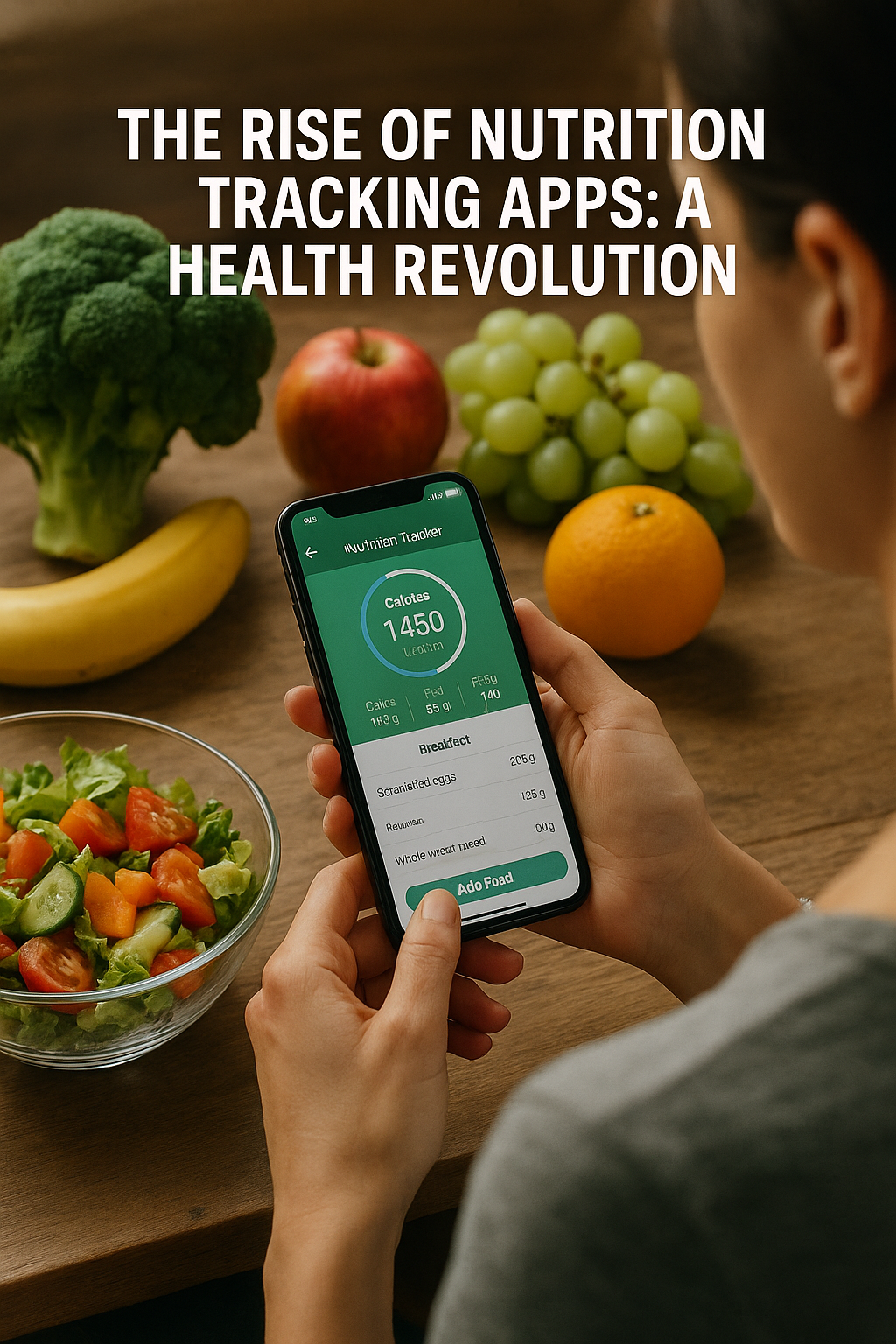
The Rise of Nutrition Tracking Apps: A Health Revolution

#image_title

Introduction

In today’s fastpaced world, maintaining a healthy diet can often become an afterthought. Thankfully, nutrition tracking apps have emerged as valuable tools for individuals eager to balance their wellness goals with their busy lifestyles. These digital companions are transforming how we manage our health, making it easier to stay on top of our dietary habits and make informed nutritional choices.

The Basics of Nutrition Tracking Apps

Nutrition tracking apps allow users to log their daily food intake, providing a comprehensive overview of their dietary habits. These apps come equipped with extensive food databases that make calorie counting and nutrient tracking simpler and more efficient. By offering insights into the nutritional value of various foods, users can better understand their eating patterns and make healthier choices.

These apps often include features like barcode scanners for quick food entry and personalized recommendations based on the user’s dietary goals. Whether aiming to lose weight, gain muscle, or maintain a balanced diet, nutrition tracking apps can be tailored to suit individual needs.

Key Features and Benefits

One of the standout features of these apps is their ability to provide personalized feedback and progress tracking. Users can set personal goals and monitor their achievements over time, which fosters motivation and accountability. Many apps also offer insights into macronutrient ratios and suggest dietary adjustments to enhance health outcomes.

Moreover, nutrition tracking apps often integrate with other health devices and apps, creating a holistic view of one’s health. This integration allows users to see their dietary habits alongside metrics like physical activity and sleep patterns, delivering a comprehensive health snapshot.

How to Choose the Right App

With a plethora of nutrition apps available, selecting the right one can be daunting. Start by evaluating your specific health goals. Are you focused on weight loss, muscle gain, or simply improving your overall health? Features like goal setting, detailed food databases, and progress tracking should align with your objectives.

Consider the user interface and ease of use, as a more intuitive app can simplify the tracking process. Furthermore, check for app compatibility with other devices and services you use, such as fitness trackers or health monitoring apps, to enhance your health management strategy.

Top Tips:

1. Set Realistic Goals: Begin with manageable goals to maintain motivation and gradually increase complexity as you adapt.
2. Log Consistently: Make logging your meals a routine to ensure accurate tracking and meaningful insights.
3. Use Barcode Scanning: Utilize barcode scanning features for quick entry and verification of nutritional information.
4. Stay Informed: Regularly update the app to benefit from new features and improved food databases.

Conclusion

Nutrition tracking apps represent a pivotal advancement in health technology, empowering individuals to take control of their dietary habits. By providing tools to make informed decisions and stay motivated, these apps can significantly enhance your journey towards better health. Start using a nutrition tracking app today to unlock your potential for healthier living. For those interested in viewing other health and wellness resources, check out this people finder tool to connect with reputable health professionals.

Make the leap towards a healthier lifestyle and let these digital tools guide you on the path to nutritional wellness.

For more, see this Wikipedia article on Health.

AI and Nutrition: Revolutionizing Your Diet Plan

Discover how AI transforms nutrition planning, offering personalized, adaptive diet strategies for a healthier lifestyle.

Understanding AI in Nutrition Planning

In the era of digital advancement, AI is progressively transforming various facets of our lives, including nutrition planning. AIdriven platforms analyze data to offer personalized dietary recommendations, catering to individual needs, preferences, and health goals. This fusion of technology and nutrition is setting a new standard for healthy eating.

AI systems use machine learning algorithms to track your dietary habits and health metrics, proposing tailored meal plans. By evaluating vast amounts of nutritional data, these tools can make precise, personalized recommendations that align with your unique lifestyle.

Benefits of AIDriven Nutrition Plans

One of the primary advantages of an AIbased nutrition plan is its adaptability. Unlike traditional diet charts, AI plans can consistently update as they gain more data about your eating habits and physical activity. This dynamic approach ensures that dietary recommendations are always aligned with your current health requirements.

Moreover, AIdriven nutrition plans foster accountability and encourage healthier choices. With constant guidance and updates, users are less likely to deviate from their dietary goals, ultimately promoting sustained wellness improvements.

Key Features of Modern AI Nutritional Tools

Many AI nutrition tools incorporate features such as barcode scanning, which allows users to log food intake automatically. This function is instrumental in ensuring precise dietary tracking, making it easier to stick to planned nutritional goals.

Another noteworthy feature is the integration of social elements, such as food communities or the ability to find a “people finder” who shares similar dietary interests. Engaging with a community can provide motivation, tips, and support, significantly enhancing the diet planning experience. For example, check this people finder to connect with likeminded individuals.

Overcoming Challenges with AI Nutrition Support

While AI offers many promising benefits, some users might encounter challenges in adapting to technologically driven nutrition plans. Concerns about privacy or reliance on technology could deter some individuals from fully embracing AI tools.

Nevertheless, transparency in data handling and usercentric design can alleviate many of these apprehensions. By prioritizing security and ease of use, AI platforms can foster trust and widespread adoption among users seeking improved dietary management.

Top Tips:

1. Consistently update your health profile on the AI platform for more accurate recommendations.
2. Explore various AI tools to find one that best suits your lifestyle and dietary needs.
3. Engage with dietary communities to boost motivation and expand your nutritional knowledge.

Conclusion: Embrace AI for a Healthier Tomorrow

AI for nutrition planning is revolutionizing the way we approach healthy eating. With personalized, adaptable plans and community engagement, individuals can take charge of their dietary wellbeing more effectively than ever before. Start exploring AI solutions today and transform your nutrition journey for a healthier tomorrow.

Nutrition Tracking Apps: Your Guide to Better Health

Discover the benefits of nutrition tracking apps, how they improve your wellbeing, and get tips for choosing the best app for your needs.

Unlocking the Power of Nutrition Tracking Apps

In today’s fastpaced world, staying on top of your nutrition and maintaining a balanced diet can be challenging. Nutrition tracking apps offer a convenient solution by helping you monitor your food intake, understand nutritional values, and make healthier choices. These apps empower users to take control of their diet and overall health with just a few taps on their smartphones.

Benefits of Using Nutrition Tracking Apps

One of the main advantages of nutrition tracking apps is their ability to provide detailed insights into your dietary habits. By logging meals and snacks, you gain a better understanding of your daily calorie consumption, macronutrient distribution, and vitamin intake. This data can help you identify nutritional deficiencies and adjust your eating habits accordingly.

Moreover, many apps offer personalized recommendations and meal plans, tailored to your specific health goals, such as weight loss, muscle gain, or simply maintaining a healthy lifestyle. With these tools, you can easily stay motivated and track your progress over time, making it easier to achieve your wellness objectives.

Features to Look for in a Nutrition Tracking App

When selecting a nutrition tracking app, consider features that align with your personal needs and preferences. Look for apps with comprehensive food databases, barcode scanning capabilities, and integration with other health monitoring devices, such as fitness trackers and smart scales.

Additionally, userfriendly interfaces and customizable dashboards can enhance your experience, making it easier to log meals and track your progress. Some apps also offer social features, allowing you to share your achievements with friends and join supportive communities, fostering a sense of accountability and encouragement.

How Nutrition Tracking Apps Enhance Wellbeing

Beyond just tracking food intake, these apps contribute to overall digital wellbeing by promoting mindful eating practices. By logging meals and reflecting on your eating habits, you become more conscious of your choices and their impact on your health. This mindfulness can lead to healthier eating patterns and a more balanced lifestyle.

Furthermore, nutrition tracking apps often include educational resources, such as articles and videos, to help users deepen their understanding of nutrition science and its importance. This knowledge empowers individuals to make informed decisions about their diet and embrace a healthier way of living.

Top Tips for Choosing the Right Nutrition Tracking App

When exploring nutrition tracking apps, consider the following tips to find the best fit for your lifestyle:
1. Determine your primary health goals and choose an app that caters to them.
2. Look for apps with positive user reviews and high ratings for reliability and functionality.
3. Test the free version of the app, if available, before committing to a premium subscription.
4. Ensure the app offers accurate and uptodate nutritional information for a wide variety of foods.

Conclusion: Take Control of Your Nutrition Today

Nutrition tracking apps offer a practical and effective way to enhance your diet and overall wellbeing. By leveraging the power of technology, you can develop healthier eating habits and achieve your personal wellness goals. Ready to start your journey? Explore different apps, find the perfect fit, and transform your dietary habits for a healthier future. For more personalized guidance, consider using a people finder to connect with a nutritionist or dietitian.

Image Prompt: An illustration of a smartphone displaying a colorful and detailed nutrition tracking app interface, surrounded by fresh fruits, vegetables, and kitchenware.