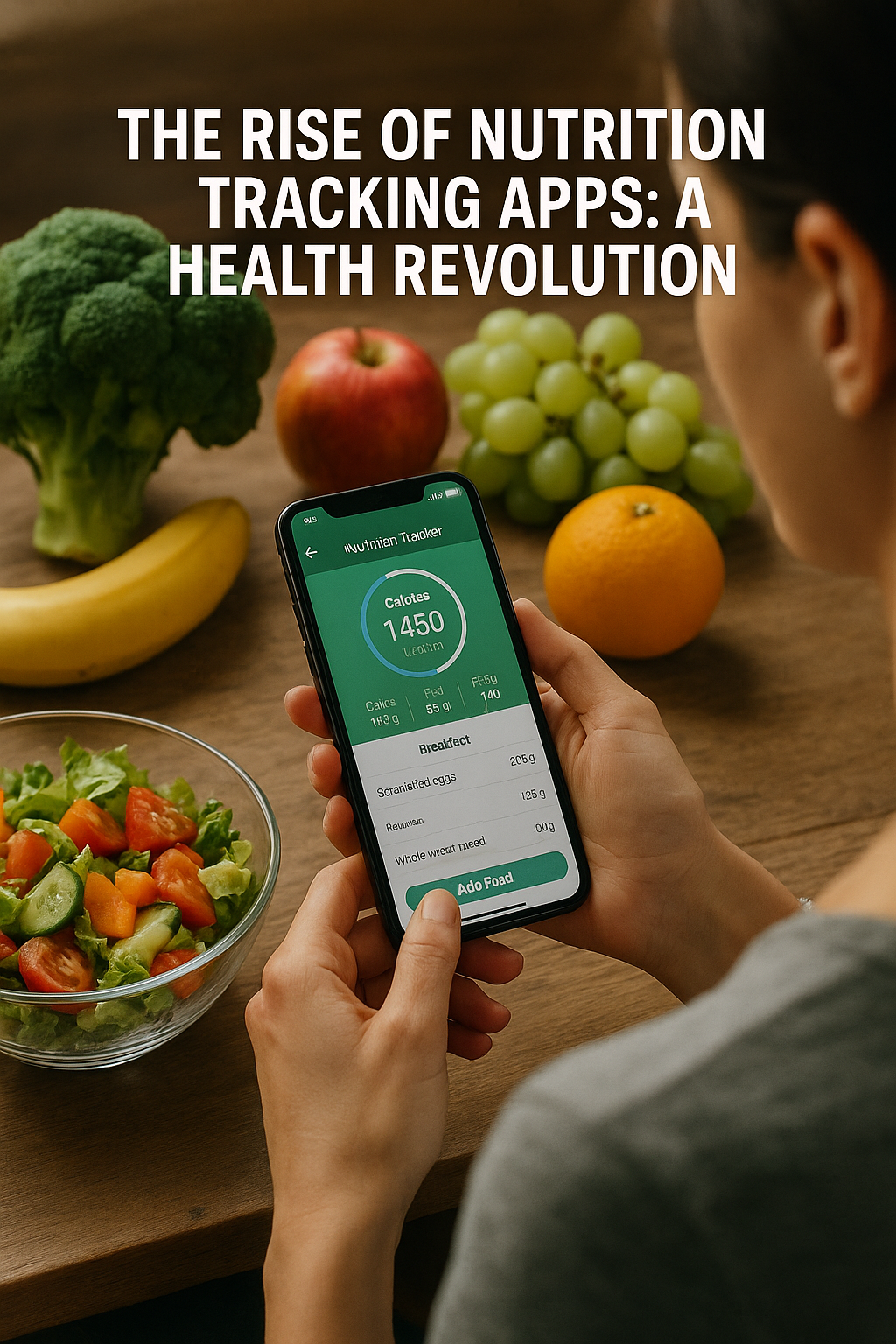
Have you ever wondered how to truly understand what you eat daily? Nutrition tracking might be your answer. In today’s fastpaced world, staying on top of your dietary intake can feel like a daunting task. However, with the right approach, it’s easier than you think. In this post, we’ll explore practical tips and tools to help you track your nutrition effectively, making it a seamless part of your daily routine.
Understanding Nutrition Tracking
Nutrition tracking involves diligently recording your food and drink intake to monitor nutritional values like calories, macronutrients, and micronutrients. With the rise of technology, this task has become much more manageable, thanks to various apps and tools designed to simplify the process.
By understanding what you consume, you can make informed decisions about your diet. This awareness fosters healthier eating habits and can help you achieve your wellness goals, whether they involve weight management, muscle gain, or general wellbeing.
Importantly, nutrition tracking is not just for those on a diet. It can provide valuable insights for anyone looking to live a healthier lifestyle or to understand the impact of specific foods on their body.
The Benefits of Tracking Your Nutrition
Why should you consider tracking your nutrition? For starters, it offers accountability. When you write down everything you eat, you’re more conscious of sneaky extra snacks or occasional indulgences that might otherwise go unnoticed.
Moreover, nutrition tracking helps identify trends in your eating habits. Are there times of the day when you’re more prone to unhealthy choices? With this knowledge, you can make targeted adjustments to your routine and reduce such tendencies.
Additionally, the data can reveal deficiencies in your diet. Perhaps you’re missing out on essential vitamins or minerals, or you’re consuming too much of one nutrient. Pinpointing these gaps allows you to make necessary adjustments and optimise your health.
Tools and Technology to Simplify Nutrition Tracking
Thanks to technology, nutrition tracking has never been easier. A plethora of apps are available, each offering unique features like barcode scanning, meal planning, and realtime feedback. Popular apps like MyFitnessPal, LoseIt, and Cronometer provide comprehensive databases, making it easier to find and log your meals.
These tools often include goalsetting features, allowing you to personalise your nutrition plan. Whether you aim to lose weight, gain muscle, or maintain a balanced diet, they offer tailored insights to help you stay on track.
Further, many apps integrate with fitness trackers and smartwatches, providing a holistic view of your health. By linking these devices, you can correlate your nutrition data with physical activity, offering a complete picture of your wellbeing.
How to Start Your Nutrition Tracking Journey
Embarking on your nutrition tracking journey doesn’t require drastic changes. Begin by selecting an app that aligns with your goals and preferences. Start logging every meal and snack, paying attention to portion sizes and nutritional content.
To ease into the habit, set realistic and achievable targets. Rather than overhauling your diet overnight, make small, incremental changes. For instance, if your goal is to reduce sugar intake, begin by cutting back on sugary beverages.
Consistency is key. Aim to log your meals daily, even on weekends. The more data you collect, the better insights you’ll gain, empowering you to make informed dietary decisions.
Potential Challenges and Solutions
Despite its benefits, nutrition tracking can present challenges. Time constraints, forgetfulness, or even the complexity of some tools can hinder your efforts. However, these obstacles are surmountable with a few strategies.
First, consider setting reminders on your phone or app to prompt you to log meals. Integrating this task with meal times can help establish it as a habit.
Second, start small. If tracking every detail feels overwhelming, focus on key meals or ingredients. As you become comfortable, expand your tracking to cover more aspects of your diet.
Finally, embrace the learning curve. It may take time to familiarise yourself with your chosen tool. Most apps offer tutorials or support communities, which can be invaluable resources when questions arise.
Top Tips:
1. Choose a userfriendly app that suits your lifestyle.
2. Set clear, attainable goals to keep you motivated.
3. Use reminders to establish a consistent tracking habit.
4. Review your data regularly to identify trends and make adjustments.
5. Integrate nutrition tracking with physical activity data for a holistic health view.
FAQ:
Q: Is it necessary to track every single meal?
A: While ideal, it’s okay to start small. Focus on tracking key meals and gradually increase.
Q: How accurate are nutrition tracking apps?
A: Apps rely on user input and database data, so accuracy can vary. Doublecheck entries for reliability.
Q: Can I use nutrition tracking for weight gain?
A: Yes, tracking helps manage caloric intake and macronutrient balance for weight gain or muscle building.
Q: Do I need to track forever?
A: Not necessarily. Once you develop healthy habits, you can reduce reliance on tracking apps.
Q: How do I handle dining out?
A: Use app databases for common restaurant items or estimate based on similar homemade meals.
Conclusion: Ready to Take Control of Your Health?
Now that you understand the benefits and practicality of nutrition tracking, are you ready to make it a part of your life? By integrating this tool into your routine, you can gain valuable insights into your eating habits and propel your wellness journey forward. Share your experiences or questions below, and let’s continue the conversation on achieving optimal health together.
Image Prompt: An ultrarealistic image of a diverse group of people using smartphones and tablets to track their nutrition, surrounded by healthy foods like fruits, vegetables, and grains, set in a modern kitchen environment.
For more, see this Wikipedia article on Nutrition.