Tag Archives: Wellness Trends

Revolutionising Health: Remote Monitoring

Discover the latest in remote health monitoring tools, enhancing personal wellbeing and healthcare from the comfort of your home.

Introduction

Have you ever wondered how your health could be managed more effectively without frequent hospital visits or tedious appointments? The advent of remote health monitoring tools is transforming the landscape of personal health management, making it easier for individuals to track their wellness and receive care from the comfort of home. Let’s explore how these cuttingedge solutions are supporting healthier lifestyles and reshaping healthcare.

What Are Remote Health Monitoring Tools?

Remote health monitoring tools are a blend of technology and healthcare designed to track and report health data from a distance. These tools range from wearable devices to smartphone applications that gather information about an individual’s health status. Whether it’s monitoring blood pressure, glucose levels, or heart rate, these devices offer realtime insights into personal health data.

The ability to remotely monitor health not only empowers individuals to take charge of their own wellness, but also facilitates better communication with healthcare providers. By sharing this data, doctors can offer personalised advice and interventions, enhancing the quality of care and outcomes.

The Benefits of Remote Monitoring

One of the most significant advantages of remote health monitoring tools is the convenience they offer. Individuals can manage their health without constantly visiting healthcare facilities, saving time and resources. This is particularly beneficial for those with chronic conditions who require regular monitoring.

Moreover, these tools can lead to earlier detection of potential health issues, allowing for timely intervention. This proactive approach can significantly reduce the risk of complications and improve the overall health of users.

Smart Devices: The Future of Health Management

With the rise of smart technology, remote health monitoring devices have become more sophisticated. Wearables like smartwatches and fitness trackers offer a range of health metrics, from heart rate variability to sleep patterns. These insights are invaluable for those looking to maintain a healthy lifestyle.

Furthermore, these devices are increasingly integrating artificial intelligence to predict health trends and offer personalised advice. As technology advances, the capabilities of these tools will only continue to expand, offering even more comprehensive health management solutions.

Privacy and Security Concerns

While the benefits of remote health monitoring are evident, there are valid concerns regarding data privacy and security. As these devices collect sensitive health information, ensuring this data remains confidential and protected is crucial. Manufacturers and healthcare providers must prioritise security measures to protect users’ information from potential breaches.

Users can also take steps to safeguard their data by understanding the privacy settings of their devices and choosing those that offer robust security features. As the industry grows, so too will the focus on enhancing the security of these vital tools.

Top Tips:

1. Choose devices with strong privacy policies and security features.
2. Regularly update your devices and apps to maintain security.
3. Share your health data with trusted healthcare providers only.
4. Stay informed about the latest advancements in remote health tech.

FAQ:

What kind of data can remote health monitoring tools track?

Remote health monitoring tools can track various health metrics, including heart rate, blood pressure, glucose levels, and more.

Are these devices suitable for everyone?

While many can benefit, users with specific health conditions should consult healthcare providers to ensure suitability.

How can I ensure my health data remains private?

Opt for devices with strong privacy settings and regularly update them to protect your data.

Do these tools replace regular healthcare visits?

They complement traditional care, offering convenience but not completely replacing the need for professional medical consultations.

Conclusion

Remote health monitoring tools are dramatically enhancing how individuals manage their health, offering convenience, efficiency, and improved outcomes. As technology evolves, so does the potential for these devices to provide even more dynamic and personalised health care solutions. What are your thoughts on embracing this technology? Would you consider integrating such tools into your lifestyle? Share your experiences and insights in the comments below. Interested in learning more about health technology? Check out this people finder to connect with experts and enthusiasts in the field.

For more, see this Wikipedia article on Health.

Tracking Your Microbiome: The New Wellness Frontier

Discover how microbiome tracking platforms are revolutionising health and wellness, offering insights for better lifestyle choices and personalised nutrition.

Understanding the Microbiome Revolution

Have you ever wondered what goes on inside your gut? The microbiome, a complex community of trillions of microorganisms, plays a vital role in maintaining our health. In recent years, microbiome tracking platforms have emerged as innovative solutions for those seeking to better understand this inner ecosystem. As we dive into the world of gut health, these platforms are pioneering new ways to improve wellness through personalised insights.

Microbiome tracking platforms analyse the bacteria, viruses, and fungi living in your gut. These platforms offer customised recommendations on diet, lifestyle, and even mental health based on your unique microbial makeup. This personalised approach has the potential to revolutionise how we view nutrition and manage our wellbeing.

The interest in microbiome tracking is largely driven by the increasing awareness of how gut health impacts overall health. From influencing mood and energy levels to immune function, a wellbalanced microbiome is essential for optimal wellness. As we explore this emerging field, it’s clear that microbiome tracking holds promise for those seeking to take control of their health.

How Microbiome Tracking Platforms Work

Microbiome tracking platforms work by collecting samples, usually through a simple athome test kit. Users send their samples to a laboratory where the microbial DNA is sequenced and analysed. The results provide a comprehensive snapshot of the user’s gut microbiome, which is then used to generate personalised health insights.

These platforms often utilise advanced algorithms and artificial intelligence to decipher the complex data. By comparing your microbiome profile with extensive datasets, they can offer recommendations tailored to your specific needs. This can include dietary adjustments, supplements, and lifestyle changes aimed at enhancing your gut health.

With the increasing demand for personalised health solutions, microbiome tracking platforms are becoming more accessible and userfriendly. Many platforms now offer mobile apps that allow users to track their progress and access their data in realtime. As these technologies evolve, they are set to become integral tools in personalised healthcare.

The Benefits of Monitoring Your Microbiome

Monitoring your microbiome can provide a range of benefits, from improving digestion to boosting mental wellbeing. By understanding the unique composition of your gut, you can make informed decisions about your diet and lifestyle, leading to better health outcomes.

One of the key advantages of microbiome tracking is the ability to receive personalised dietary recommendations. Many platforms can identify which foods are beneficial or potentially problematic based on your gut profile. This personalised approach can help address issues such as bloating, food intolerances, and even mood swings, leading to an overall improvement in quality of life.

In addition to dietary insights, microbiome tracking platforms can provide suggestions for supplements and probiotics that may enhance your gut health. These recommendations are designed to optimise your microbial balance, supporting your immune system and reducing the risk of chronic diseases.

Challenges and Considerations

While microbiome tracking platforms offer exciting opportunities, potential challenges must be considered. The science behind the gut microbiome is still relatively new, and our understanding of it continues to evolve. This means that while these platforms provide valuable insights, they should be used as part of a broader health strategy rather than a standalone solution.

The accuracy of microbiome data can also vary between platforms. Users should research and choose reputable services that use scientifically validated methods. Additionally, privacy concerns regarding genetic data should not be overlooked. As data privacy becomes an increasing concern, it’s essential to understand how your data will be used and protected by the platform provider.

For those interested in exploring microbiome tracking, consulting with healthcare professionals can be beneficial. This ensures that any recommendations align with your overall health goals and medical needs.

Top Tips:

1. Research different microbiome tracking platforms to find one that suits your needs.
2. Consider your health goals when interpreting microbiome data.
3. Consult a healthcare professional for tailored advice.
4. Stay informed about the latest research in gut health and microbiome science.
5. Be cautious of unrealistic claims and ensure you choose a reputable service.

FAQ:

Q: What exactly is the microbiome?
A: The microbiome refers to the community of microorganisms, including bacteria, viruses, and fungi, that live in and on our bodies, particularly in the gut.

Q: How can microbiome tracking platforms benefit my health?
A: These platforms provide insights into your gut health, allowing for personalised dietary and lifestyle recommendations, which can improve digestion, immunity, and overall wellbeing.

Q: Are these platforms suitable for everyone?
A: Most people can benefit from microbiome insights, but it’s important to consult a healthcare provider, especially if you have existing health conditions.

Q: How do I choose the right platform for me?
A: Consider factors such as the platform’s scientific validation, user reviews, and privacy policies. It’s also helpful to determine your specific health goals and needs.

Conclusion

In an era where personalised health is becoming increasingly important, microbiome tracking platforms offer a new frontier for understanding and managing our wellbeing. By unlocking the secrets of our gut, these platforms empower us to make informed decisions about our health. Are you ready to explore the world of microbiome tracking? How might these insights change your approach to wellness? Share your thoughts and experiences, and let’s continue the conversation about this exciting innovation.

Discover how insights like these can impact your wellbeing and explore more about the technologies shaping our health. For those curious about how this emerging field could benefit you, a people finder can connect you with experts in nutrition and wellness.

For more, see this Wikipedia article on Nutrition.

Personalised Wellness: Tailored Health Solutions

Discover how personalised wellness is revolutionising health with tailored solutions for your unique body and mind needs.
Are you tired of generic health advice that never seems to work for you? You’re not alone. As individuals, we each have unique bodies, genetics, and lifestyles. Enter personalised wellness—a growing trend that’s all about catering to your individual health needs. But what exactly is personalised wellness, and why is it becoming the goto solution for health enthusiasts? In this deep dive, we’ll unravel the essence of personalised wellness and explore how it can make a real difference in your life.

What Is Personalised Wellness?

Personalised wellness involves tailoring health solutions to your individual needs. Unlike the onesizefitsall approach, it considers your genetic makeup, lifestyle habits, and personal preferences. This approach merges modern technology and traditional health practices to offer a bespoke experience. Imagine having a nutrition plan that’s as unique as your thumbprint; this is the promise of personalised wellness.

Recent advancements in technology, like AI and machine learning, are the driving forces behind personalised wellness. These technologies analyse vast amounts of data to offer insights into your health. For instance, wearable tech can monitor your heart rate, sleep patterns, and physical activity to provide realtime feedback and recommendations.

The Science Behind Personalised Solutions

The science of personalised wellness is rooted in genetics. Studies suggest that our genetic makeup plays a significant role in determining how our bodies respond to different foods and exercises. DNA testing and analysis help in understanding these genetic predispositions. This information can then be used to create a health plan that’s in sync with your body’s natural disposition.

Once your genetic data is analysed, nutritionists and wellness experts curate plans that align with your genetic profile. It’s not just about losing weight or building muscle. It’s about enhancing your overall wellbeing by aligning strategies with your body’s unique requirements. This can lead to better health outcomes and improved satisfaction because the plan feels more natural and less forced.

The Role of AI in Personalised Wellness

Artificial Intelligence is at the heart of personalised wellness. AI technologies can assess your current health metrics and predict future trends. For example, an AI tool might alert you about potential health risks based on your lifestyle and genetics, allowing you to take preventive measures. The ability to monitor and predict is transforming health management from reactive to proactive.

Moreover, AIdriven applications can provide continuous support. By analysing your daily habits, these tools can give you recommendations that are easy to follow and adapt into your routine. This seamlessly blends health management into daily life, making it less of a chore and more of an integrated practice.

Nutrition and Personalised Wellness

Nutrition is a cornerstone of personalised wellness. Tailored nutrition plans consider your genetic predispositions, lifestyle, and goals. With help from nutritional AI tools, personalised diets offer a more efficient route to achieving health goals by eliminating the trial and error associated with traditional diets.

These plans aren’t just tailored to weight loss or muscle gain—they are designed to improve overall health and prevent diseases. By aligning your dietary habits with your genetic and lifestyle needs, personalised nutrition plans offer a holistic approach to wellness that feels intuitive and achievable.

Top Tips:

Consult a qualified health professional before beginning any personalised wellness program.
Use a combination of genetic analysis and AI tools for the most accurate health insights.
Regularly update your wellness plan to accommodate changes in lifestyle or health goals.
Remain open to new technologies and findings in the wellness arena.
Remember that wellness is a journey, not a destination; patience and perseverance will pay off.

FAQ:

What is the main advantage of personalised wellness?
It provides health solutions tailored to your unique genetic and lifestyle needs.
Can AI really predict health outcomes?
While not infallible, AI can provide insights and forecasts by analysing trends in your health data.
Do I need to take a DNA test for personalised wellness?
Not necessarily, but DNA testing can significantly enhance the accuracy of personalised health plans.
Is personalised wellness expensive?
Costs can vary, but many affordable tools and services are available today compared to a few years ago.
How soon can I expect results from a personalised wellness plan?
Results vary, but many report noticeable benefits within weeks of implementing a tailored plan.

In conclusion, personalised wellness represents a paradigm shift in how we approach health. It’s about recognising that onesizefitsall isn’t always the best fit. Embracing this personalised approach can lead to more effective health outcomes and a more enjoyable wellness journey. Are you ready to explore a wellness path that prioritises your unique needs? Share your thoughts in the comments and tell us how you plan to integrate personalised solutions into your routine. For more information on finding resources that can guide you on this journey, visit our people finder page.

For more, see this Wikipedia article on mindfullness.

AI Body Composition: Revolutionising Health

Explore AIdriven body composition analysis and how it's revolutionising wellness and health management.
Have you ever wondered how technology can provide accurate insights into your body composition without a visit to a healthcare professional? AIdriven body composition analysis is now revolutionising how we understand our bodies, providing personalised data and insights with just a click.

Understanding AIDriven Body Composition Analysis

AIdriven body composition analysis employs machine learning algorithms to interpret data collected from various health metrics. This includes assessing body fat percentage, muscle mass, and bone density. Such insights are invaluable for anyone looking to improve their health and wellness.

The technology utilises scans from smart devices like fitness trackers and phones, which analyse detailed biometric data. These devices can collect and process vast amounts of information quickly, offering an indepth view of physical health that was previously only available through medical diagnostics.

This revolutionary method allows users to understand their body dynamics better. Unlike traditional scales, AIdriven analysis provides comprehensive feedback. It transcends the limitations of simple weight measurement, focusing on detailed body composition aspects that contribute significantly to our overall health.

How AI Technology Collects and Analyses Data

The cornerstone of AIdriven body composition technology is its sophisticated algorithms. These algorithms are programmed to learn and adapt, making them incredibly efficient at analysing the intricate data collected from various inputs.

Devices equipped with AI technology can collect data such as heart rate variability, metabolic rate, and physical activity levels. By processing this data, AI can accurately determine different body composition parameters, offering realtime analysis and feedback.

For example, AI can provide insights into muscle growth and fat loss trends over time, helping users to modify their lifestyle choices. With such precision, it becomes easier for individuals to set realistic health goals and monitor progress effectively.

Benefits of AIDriven Body Composition Analysis

One of the primary benefits of AIdriven body composition analysis is its accessibility. Individuals no longer need to visit clinics for comprehensive physical assessments. This saves time and provides convenience, allowing users to monitor their health from the comfort of their home.

Additionally, the personalisation aspect of AI technology cannot be understated. Each analysis tailors itself to the user, providing specific recommendations based on personal health data. This approach empowers individuals to make informed decisions regarding their health and fitness regimes.

Moreover, AI technology can help identify potential health risks early on. By recognising patterns in body composition, users can potentially address issues before they become serious. This preventative measure is a significant advantage of AI innovation in health.

The Impact on Lifestyle and Fitness

With AIdriven body composition analysis becoming more prevalent, there has been a noticeable shift in how people approach fitness and lifestyle choices. The detailed insights aid individuals in selecting workouts tailored to their specific body composition needs.

In addition, the motivation to achieve fitness goals is increased when individuals have access to precise data. The availability of realtime feedback and progress tracking leads to higher engagement levels and sustained lifestyle changes.

Moreover, this innovation fosters a greater understanding of how various factors—such as diet, exercise, and rest—impact overall wellness. Equipped with this knowledge, individuals can optimise their routines for maximum health benefits.

Top Tips: Using AI for Better Health Insights

Consider integrating AIdriven body composition analysis into your routine for a holistic approach to wellness. Embrace the data to tailor your fitness plan, ensuring it aligns with your health goals.

Regularly review your body composition metrics and adjust your lifestyle accordingly. Use insights to focus on areas needing improvement, whether it’s increasing muscle mass or reducing body fat.

Explore the compatibility of AI devices with other health apps to enhance tracking and gain comprehensive health insights. This integration can provide a more cohesive view of your wellness journey.

FAQs:

Can AI analysis replace professional medical evaluations?

While AI analysis offers detailed insights, it’s not a substitute for professional medical evaluations. It complements traditional methods by providing additional data to discuss with healthcare professionals.

Are AI body composition devices difficult to use?

Most devices are userfriendly, designed for ease of use, and equipped with intuitive interfaces. Many come with guides or apps to assist users.

How frequently should I use AIdriven analysis for best results?

Regular usage, such as weekly assessments, helps track progress effectively and adjust lifestyle changes accordingly. However, frequency may vary based on personal health goals.

Conclusion

AIdriven body composition analysis is paving the way for more personalised healthcare. Whether you are just starting your wellness journey or are a seasoned health enthusiast, these insights can empower you to take actionable steps towards better health. Have you considered integrating AI technology into your health routine? Share your thoughts and experiences.

For more personalised connections, use our people finder to stay informed about new health tech.

For more, see this Wikipedia article on Wellness.

AI for Personalised Nutrition

Discover how AI is revolutionising nutrition planning and helping people achieve healthier lifestyles through personalised dietary recommendations.

Can Artificial Intelligence Revolutionise Your Eating Habits?

Have you ever wondered if there’s a more personalised way to manage your diet? In an age where technology increasingly influences our daily lives, artificial intelligence (AI) offers innovation in the realm of nutrition planning. As people become more healthconscious, AI’s potential to create tailored dietary solutions is gaining traction. How exactly can AI enhance your nutritional journey? Let’s explore.

Understanding the Role of AI in Nutrition

Artificial intelligence has been making strides across various fields, including health and nutrition. But what exactly does AI do for your dietary needs? At its core, AI analyses data from multiple sources, such as health apps and wearable devices, to create customised nutritional recommendations. Imagine AI as your virtual nutritionist, but with the capability to process vast amounts of data in seconds.

AI systems consider your personal health data, dietary preferences, and even genetic predispositions to suggest foods that best meet your nutritional requirements. This means not only getting the nutrients your body needs but also aligning your meals with personal goals, such as weight loss or muscle gain. Moreover, AI can adapt to your changing preferences and health conditions, offering a dynamic approach to nutrition.

Benefits of Personalised AI Nutrition Planning

One of the significant advantages of AI in nutrition is personalisation. Many existing dietary plans are broad and may not suit individual needs, but AI tailors each plan for uniqueness. By leveraging machine learning algorithms, AI can discern patterns and predict future dietary needs, thus helping you stay ahead of health concerns.

Furthermore, AIenhanced nutrition can track progress with greater accuracy. This ongoing monitoring allows for adjustments and improvements to be made in realtime, ensuring that your dietary goals are on track. Additionally, AI can provide educational insights, promoting better understanding of nutritional content and its effects on your health.

The Integration of Wearable Tech and AI

Wearable technology, such as fitness trackers and smartwatches, plays a vital role in AIdriven nutrition planning. These devices collect data on activity levels, heart rate, and other health metrics. When integrated with AI, this data provides a deeper insight into your health status and nutritional needs.

Imagine starting your day with meal suggestions sent directly to your device, based on the prior day’s activity level and current health metrics. This seamless integration allows for a proactive approach to health management, making it easier to adhere to dietary plans and improve overall wellbeing.

Challenges and the Future of AI in Nutrition

Despite its promise, AI in nutrition comes with challenges. Data privacy stands out as a significant concern. Users need reassurance that their personal health data will be stored securely and used ethically. Also, while AI offers personalised recommendations, it should not replace professional medical advice.

Moving forward, the adoption of AI in nutrition planning is expected to grow. As technology advances, AI will likely become more precise in its recommendations, incorporating wider aspects of individual health. With AI’s help, the future of nutrition planning looks promising, empowering individuals to make informed dietary choices.

Top Tips:

1. Leverage AI apps for meal planning to fit your lifestyle.
2. Always consult healthcare professionals for diet changes.
3. Ensure the AI app you use respects data privacy.
4. Keep track of your progress for optimal results.
5. Stay informed about the latest AI nutrition trends.

FAQ:

What is AI nutrition planning? For more, see this Wikipedia article on Meditation.

AI nutrition planning uses artificial intelligence to create customised dietary recommendations based on personal health data and preferences.

Can AI replace a nutritionist?

AI can complement nutritional guidance but should not replace professional advice.

Are AIgenerated meal plans safe?

AIgenerated plans are generally safe, but verify them with a healthcare provider.

How does AI address dietary restrictions?

AI considers dietary restrictions by analysing personal preferences and health data to provide suitable meal options.

Is AI nutrition planning effective?

It is effective in offering personalised dietary advice, helping individuals achieve their health goals.

Conclusion

AI in nutrition planning offers an exciting glimpse into the future of health and wellness. By providing personalised dietary solutions, it empowers individuals to make informed decisions that align with their health goals. Are you ready to embrace AI for a healthier lifestyle? What’s your biggest challenge with meal planning, and how do you think AI could help? Share your thoughts and continue the conversation. If you’re curious about how technology can further personalise your daily life, explore this people finder tool, which showcases the potential of digital innovation.

Discover Modern Biohacking Techniques

Explore effective biohacking strategies for your wellness journey. Learn how to enhance your health with practical, everyday biohacks.


Have you ever wondered how to take control of your health and wellbeing in a rapidly evolving world? Biohacking might just be the answer. By exploring innovative ways to optimise the body and mind, biohacking has gained popularity among wellness enthusiasts. Let’s delve into the modern techniques that are shaping the future of personal health.

Understanding Biohacking

Biohacking, at its core, is the practice of using science and technology to make small, incremental changes to your body and lifestyle. These hacks can range from simple dietary adjustments to advanced technological interventions, all aimed at improving health, performance, and wellbeing. By understanding the basics of biohacking, individuals can tailor strategies that fit their unique needs and goals.

The concept of biohacking isn’t new, but it’s gaining momentum as more people seek out ways to enhance their health and wellness. Modern advances in technology and science have made biohacking more accessible than ever, allowing individuals to experiment with various techniques safely and effectively. From nutrition to smartphone apps, there are numerous ways to personalise your wellness journey.

With the rise of digital platforms and devices, tracking and monitoring one’s health has never been easier. From wearable fitness trackers to smartphone apps that monitor sleep patterns, technology plays a significant role in modern biohacking, offering realtime data and insights. This allows individuals to make informed decisions about their health and wellbeing.

Furthermore, biohacking encourages a holistic approach to wellness, integrating physical, mental, and emotional health. By focusing on the interconnectedness of these aspects, individuals can achieve balance and harmony in their lives. Ultimately, biohacking is about empowerment – giving you the tools and knowledge to take charge of your health.

Everyday Biohacks for Better Health

Biohacking doesn’t have to be complicated or expensive. Many everyday practices can significantly enhance your health and wellbeing. One of the simplest yet most effective biohacks is adjusting your diet to include whole foods rich in nutrients. This includes fresh fruits, vegetables, whole grains, and lean proteins, which provide the body with the essential building blocks for optimal function.

Hydration is another critical component of biohacking. By ensuring adequate water intake, you can support bodily functions, improve skin health, and boost energy levels. It’s a simple hack, but its benefits are profound. Additionally, incorporating a regular exercise routine tailored to your lifestyle can enhance both physical and mental health.

Sleep is often overlooked, but it’s a crucial element of modern biohacking. Quality sleep supports cognitive function, emotional wellbeing, and physical recovery. Creating a sleepfriendly environment by minimising screen time before bed, ensuring a comfortable sleep setting, and maintaining a consistent sleep schedule can drastically improve sleep quality.

Moreover, stress management techniques such as meditation, mindfulness, and deep breathing exercises can greatly benefit mental health. By integrating these practices into daily life, you can reduce stress levels, improve focus, and increase resilience.

Technology’s Role in Biohacking

Technology is at the forefront of modern biohacking, providing innovative solutions and insights into personal health. Wearable devices, such as fitness trackers and smartwatches, offer a convenient way to monitor physical activity, heart rate, and sleep patterns. These devices provide valuable data that can help you make informed decisions about your health routine.

Additionally, smartphone apps offer a wide range of biohacking tools, from guided meditation sessions to nutrition tracking and personalised fitness plans. By leveraging these digital innovations, individuals can create customised health strategies that cater to their unique needs and preferences.

The integration of artificial intelligence in personal health also plays a pivotal role in modern biohacking. AIdriven applications can analyse data patterns to offer tailored advice, predict potential health issues, and suggest preventative measures. This personalised approach can enhance the effectiveness of biohacking efforts significantly.

Furthermore, technology provides access to a wealth of educational resources on biohacking. Online platforms and communities allow individuals to share experiences, tips, and insights, fostering a supportive environment for those interested in biohacking.

The Science Behind Biohacking

Understanding the science behind biohacking is essential to maximise its benefits. Biological research continually uncovers new insights into how the body works, which can inform effective biohacking strategies. By leveraging this scientific knowledge, individuals can implement evidencebased practices to enhance their health and wellbeing.

For instance, understanding the role of genetics in health can guide personalised biohacking approaches. Genetic testing can reveal predispositions to certain conditions, allowing individuals to tailor their lifestyle choices to mitigate risks. This information can lead to more targeted and effective biohacking practices.

Furthermore, neuroscience research provides insights into how the brain functions, offering strategies to enhance cognitive performance. Techniques such as neurofeedback can help optimise brain activity, improving focus, memory, and overall brain health.

Additionally, research in nutrition science continually offers new findings on the impact of diet on health. By staying informed on the latest developments, individuals can make smarter dietary choices that align with their health goals.

Integrating Biohacking into Your Lifestyle

Successfully integrating biohacking into your lifestyle requires a balanced approach. Start by identifying areas where you would like to see improvement, whether it’s physical fitness, mental clarity, or emotional resilience. Set realistic goals and take incremental steps to achieve them.

Experimentation is a key component of biohacking. Try different techniques and tools to see what works best for you. Keep in mind that biohacking is a personal journey, and what works for one person may not work for another. Be patient and openminded as you discover what biohacks yield the best results for your unique body and lifestyle.

It’s important to track progress and make adjustments as needed. By monitoring your health metrics, you can assess the effectiveness of your biohacking efforts and make datadriven decisions. This approach ensures that your biohacking journey remains dynamic and responsive to your evolving needs.

Finally, seek out community support and educational resources. Engaging with others who have similar interests can provide motivation, inspiration, and valuable insights. Online forums, local meetups, and workshops can offer opportunities to connect with likeminded individuals and learn from their experiences.

Top Tips:

Begin your biohacking journey with small, achievable goals.
Utilise technology to monitor and track your health metrics.
Stay informed on the latest scientific research and developments.
Experiment with different biohacks to find what suits you best.
Integrate stress management techniques into your daily routine for optimal mental health.

FAQ:

Q: Is biohacking safe for everyone?
A: Generally, yes, but it’s important to tailor biohacking practices to your individual needs and consult healthcare professionals when necessary.

Q: Do I need expensive equipment to start biohacking?
A: No, many effective biohacks are simple lifestyle changes that don’t require costly equipment.

Q: How can technology help with biohacking?
A: Technology offers tools for tracking health metrics, accessing educational resources, and connecting with biohacking communities.

Q: Can biohacking improve mental health?
A: Yes, incorporating biohacks like mindfulness and stress management can significantly enhance mental wellbeing.

Q: How can I measure the success of my biohacking efforts?
A: Track your progress through health metrics, selfassessment, and regular consultation with healthcare professionals.

In conclusion, biohacking provides a unique opportunity for individuals to take control of their health and wellbeing in an increasingly complex world. By embracing modern techniques and leveraging technology, you can embark on a personalised wellness journey. What aspects of your life are you keen to improve through biohacking? How will you start integrating these practices into your daily routine? Explore the possibilities and transform your health today! For assistance in connecting with experts or likeminded individuals, consider using an online people finder to enhance your support network.

For more, see this Wikipedia article on Wellness.


Embracing Smart Wellness: The Future of Wellbeing

Discover how smart wellness tech is changing the landscape of health and wellbeing for a balanced, healthier life.
Are you curious about how technology is shaping the wellness landscape? As our lives become increasingly intertwined with digital innovation, traditional concepts of wellbeing are evolving. Smart wellness is more than just a trend; it’s a new way to enhance your health and achieve balance.

The Rise of Smart Wellness

The integration of technology into our everyday routines is paving the way for smart wellness. But what does this mean for you? In essence, smart wellness utilises technology to aid traditional health practices, providing improved accuracy, accessibility, and personalisation. From wearable devices that monitor physical activity to apps offering guided meditation sessions, the options are endless.

The allure of smart wellness lies in its ability to adapt to individual needs. Imagine customising your meditation sessions based on your stress levels or receiving realtime feedback on your sleeping patterns. Technology is no longer just a tool; it’s a partner in achieving your wellness goals.

Smart Devices in Everyday Life

Smart devices are revolutionising how we approach health and wellness. These gadgets, ranging from smartwatches to fitness trackers, offer insights into our daily habits, allowing us to make informed decisions about our wellbeing. Wearable technology monitors everything from heart rate to calorie intake, while mobile apps suggest personalised exercise routines.

However, smart devices go beyond physical health. Many apps focus on mental wellbeing, offering resources for stress management and emotional balance. These tools are designed to fit seamlessly into your life, encouraging healthier habits without overwhelming your schedule.

The Role of AI in Personalised Health

Artificial Intelligence (AI) is a gamechanger in the realm of personal health. Its ability to analyse vast amounts of data means AI can provide tailored health solutions. AIdriven platforms can predict potential health issues, recommend preventative measures, and even offer customised diet plans.

The integration of AI with smart wellness technologies ensures that your health decisions are informed and effective. The future of wellness lies in personalisation, and AI is at the forefront, crafting experiences that recognise and respond to your unique needs.

Mental Health and Smart Wellness

Mental health is a crucial component of overall wellbeing, and smart wellness technologies are playing a significant role in this area. Apps designed to promote mental health offer everything from mindfulness exercises to virtual therapy sessions. These applications are not just reactive but proactive, helping users build resilience and manage stress effectively.

Moreover, the convenience of accessing mental health resources on your device makes them more accessible to a wider audience. By breaking down barriers to mental health support, smart wellness technologies are fostering a healthier society.

Challenges and Considerations

While the benefits of smart wellness are clear, there are challenges to consider. Dependence on technology for health management could lead to a lack of personal interaction and possibly overreliance on digital solutions. Privacy and data security are also significant concerns, as the collection and analysis of personal health information must be handled with care.

To navigate these challenges, it’s essential to maintain a balance between technology use and traditional wellness practices. Being informed about how your data is used and choosing reputable platforms can mitigate risks.

Top Tips:

Explore different smart wellness tools to find what works best for you.
Balance digital wellness with offline practices such as nature walks or social activities.
Stay informed about data privacy and choose platforms that prioritise security.

FAQ:

What is smart wellness?
Smart wellness refers to using technology to enhance traditional health practices, offering personalisation and accessibility.

Are there any risks associated with smart wellness technologies?
Potential risks include data privacy concerns and overreliance on technology. Balancing digital and traditional wellness practices can help mitigate these risks.

How can smart wellness benefit mental health?
Smart wellness tools offer resources for managing stress and promoting mental resilience, making mental health support more accessible.

In conclusion, smart wellness is an exciting development in the pursuit of health and balance. As technology continues to evolve, so too will our approach to wellbeing. Are you ready to embrace this future? Share your thoughts and explore further by trying out smart wellness tools today. You may also want to connect with likeminded individuals and discover innovative solutions on the people finder platform.

For more, see this Wikipedia article on visionary ideas.

Meditation and Smart Wellness

Explore the intersection of meditation and smart wellness, and discover how technology is enhancing mindfulness practices for a healthier you.
Have you ever wondered how the world of meditation is being transformed by modern technology? As more people turn to meditation for stress relief and mental clarity, the integration of smart wellness devices and applications is creating a new realm of possibilities. This article dives into how technological advancements are enhancing traditional meditation practices, providing an enhanced wellness journey for those seeking inner peace.

The Evolution of Meditation Practices

Meditation itself is an ancient practice with roots that trace back thousands of years. Traditionally, it has been a simple discipline focused on mindfulness and conscious breathing. However, as society becomes more fastpaced, the need for accessible and efficient ways to meditate has grown. This is where technology steps in, offering tools that make meditation more adaptable to our modern lifestyles.

In recent years, meditation apps have emerged as popular tools for those new to meditation or those seeking guided sessions. These apps offer a variety of meditation techniques, allowing users to explore different methods until they find what works best for them. Additionally, smart devices like wearables provide feedback on heart rate and stress levels, helping individuals understand their physiological responses to meditation.

Smart Devices Enhancing Mindfulness

Wearable tech has taken the world by storm, and meditation is no exception. Devices such as smartwatches and headbands equipped with sensors can monitor a user’s relaxation levels, providing realtime data on the effectiveness of their meditation sessions. These smart devices offer insights that can help improve one’s meditation techniques over time.

Moreover, many of these wearables are designed to provide gentle reminders to meditate throughout the day, ensuring that users maintain a consistent practice. The integration of biofeedback and meditation tools enables a personalised meditation experience, guiding individuals to a deeper state of mindfulness.

Personalised Meditation Experiences

One of the most significant advantages of using technology in meditation is the ability to personalise experiences. Meditation apps often utilise user data to tailor meditation sessions that cater to individual needs, preferences, and schedules. By offering customised content, users feel more engaged and motivated to continue their practice.

Furthermore, AIdriven apps are capable of offering voiceguided sessions that adjust in real time based on user input. Whether a person is seeking stress relief after a hectic day or desires a focused session to start their morning, technology ensures that they have access to the right meditation practice at the right time.

The Role of Community and Connectivity

As with many wellness activities, community plays a vital role in meditation. Technology has made it easier for individuals to connect with likeminded people, share progress, and participate in group meditations, regardless of physical location. Online platforms and social media offer forums where users can exchange tips, participate in challenges, and support one another’s meditation journeys.

By fostering a sense of community, technology enhances the meditation experience, making it more rewarding and sustainable. This connectivity ensures that users remain motivated and feel a part of something larger than themselves.

Potential Challenges and Considerations

While the intersection of technology and meditation offers many benefits, it also comes with potential challenges. Some individuals may find the constant connectivity and data tracking overwhelming, creating a counterproductive effect on their mindfulness efforts. Therefore, it’s crucial to strike a balance between utilising technology and practising traditional meditation techniques.

Additionally, privacy concerns can arise when using apps and wearable devices that collect personal data. It’s important for users to research and select platforms that prioritise data security and user confidentiality.

Top Tips:

Start small: Use technology to ease into meditation, but remember to integrate traditional practices as you progress.
Set boundaries: Ensure your meditation time is distractionfree, even from the technology designed to assist you.
Select trustworthy apps: Choose platforms with good reviews and clear privacy policies.
Participate in online communities: Engage with fellow meditators for support and inspiration.
Use feedback wisely: Don’t get overwhelmed by data; focus on gradual improvement.

FAQ:

Q: Do I need technology to meditate effectively?
A: No, traditional meditation practices are effective alone, but technology can enhance and personalise your experience.

Q: Can technologybased meditation be as effective as traditional methods?
A: Yes, with the right tools, many find technologyenhanced meditation to be equally beneficial.

Q: What should I consider when choosing a meditation app?
A: Look for apps with varied content, positive user feedback, and strong data protection policies.

Q: How do wearables measure meditation effectiveness?
A: Wearables track physiological indicators such as heart rate variability and stress levels to provide insights.

Q: Is it possible to mediate without being in a quiet environment?
A: Absolutely, with practice, one can learn to meditate and find calm even in less than ideal settings.

Conclusion: Discover Your Path to Peace

As we have seen, meditation and smart wellness offer numerous benefits for those seeking a more profound sense of inner peace. Have you tried integrating technology into your meditation practice? How has it impacted your journey towards mindfulness? We encourage you to explore the intersection of meditation and technology to find what resonates with you, and share your experiences with others. For more insights and tips on enhancing your wellness journey, why not use a people finder to connect with likeminded individuals in your area?

For more, see this Wikipedia article on Nutrition.

Biohacking: The Cutting-Edge Path to Wellness

Discover how biohacking is transforming modern wellness with innovative strategies for optimizing health and longevity.

In the quest for optimal health and longevity, biohacking has emerged as a revolutionary trend. By leveraging modern science and technology, individuals are taking control of their own biology to enhance wellness and performance. This guide explores the exciting world of biohacking and how it is reshaping modern wellness. For more, see this Wikipedia article on Fitness.

What is Biohacking?

Biohacking refers to the practice of making small, incremental changes to one’s lifestyle to optimize health and enhance the body’s performance. This can involve dietary adjustments, supplementation, and the use of technology to gain insights into biological functions.

Biohackers often rely on datadriven decisions to personalize their approach, making use of wearable technology, genetic testing, and routine health monitoring to achieve their wellness goals.

Innovations in Biohacking

Recent advancements in technology have significantly expanded the possibilities within biohacking. Wearables are now equipped with sensors that can track everything from sleep patterns to heart rate variability, providing valuable data to inform lifestyle choices.

Another frontier is the use of genetic information to tailor nutrition and fitness plans. By understanding the genetic makeup, individuals can optimize their diet and exercise routines for better results.

The Role of Nutrition in Biohacking

Nutrition is a critical component of biohacking. Diet plans that focus on nutrient density, like ketogenic or plantbased diets, are popular among biohackers seeking to fuel their bodies efficiently.

Supplements also play a crucial role, particularly those targeting specific health goals such as cognitive enhancement, energy boosts, or antiaging effects.

Challenges and Considerations

While biohacking offers exciting possibilities, it also comes with challenges. The sheer volume of data available can be overwhelming, and not all interventions are suitable for everyone. Personalized approaches are key.

It’s also important to consult healthcare professionals before making significant changes, especially when it involves supplements or drastic dietary shifts.

Top Tips:

1. Start small: Begin with simple changes, such as adjusting sleep patterns or meditation, before moving on to more complex interventions.

2. Stay informed: Keep up with the latest research and trends in biohacking to make informed decisions.

3. Use technology wisely: Leverage wearables and health apps to track progress and adjust strategies as needed.

4. Prioritize safety: Always consider potential risks and consult with healthcare providers when necessary.

Conclusion: Your Path to Enhanced Wellness

Biohacking is more than a trend; it’s a movement towards taking control of one’s health through knowledge and innovation. Whether you’re looking to boost your energy levels, improve cognitive function, or find sustainable ways to enhance personal health, biohacking offers a wealth of strategies to explore.

Ready to embrace biohacking? Begin by exploring tools and methods that fit your lifestyle and goals. For those curious about integrating technology into their health journey, consider utilizing resources like a people finder to connect with experts and communities.

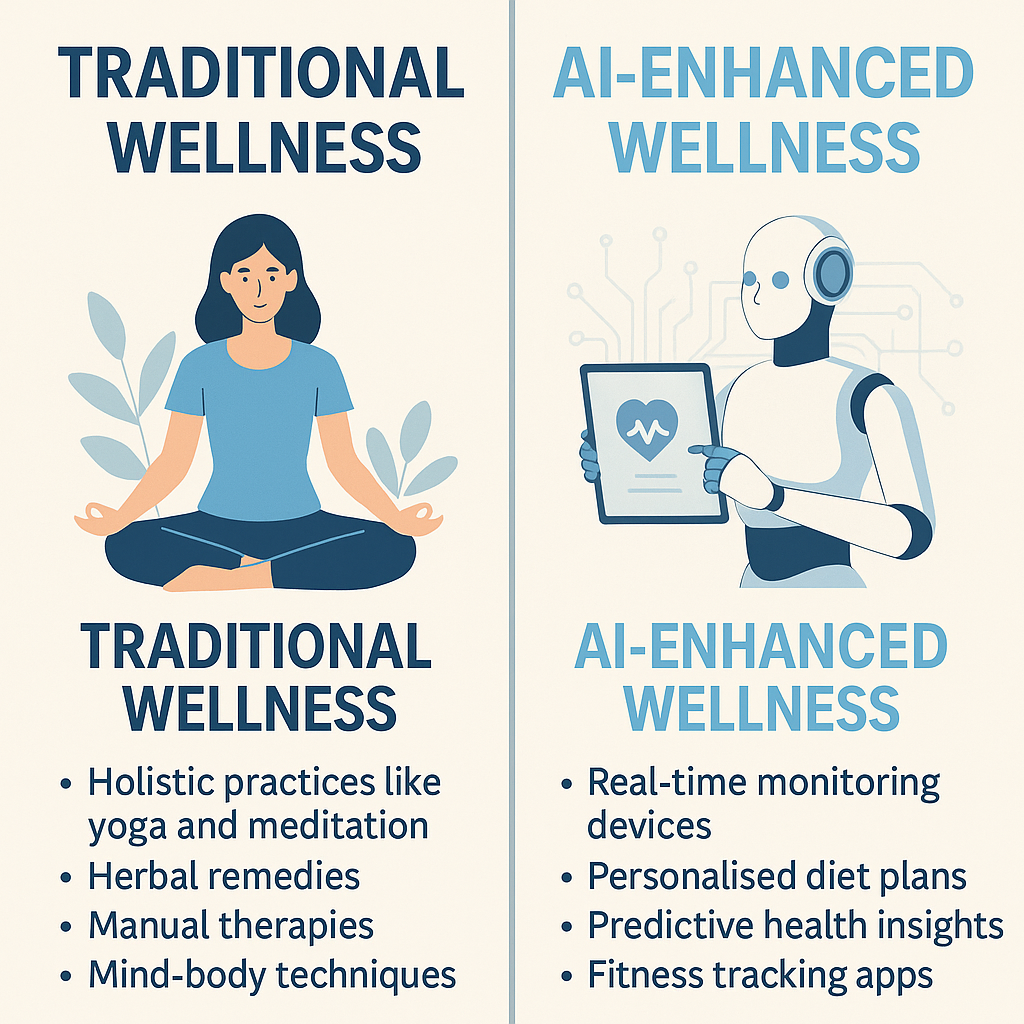
Traditional Wellness vs. AI Wellness

AI Wellness
#image_title

Why Compare Traditional and AI-Enhanced Wellness?

Wellness practices have evolved significantly over the decades. While traditional methods focus on holistic, often natural approaches, AI Wellness or AI-enhanced wellness utilises cutting-edge technology to personalise and optimise health. Comparing these methods helps us understand their benefits and challenges, guiding us towards making informed choices in our wellness journeys.


What Is Traditional Wellness?

Traditional wellness practices typically encompass holistic methods rooted in ancient cultures and practices. They include approaches like:

  • Yoga and Meditation: Enhancing mental and physical well-being through mindfulness and movement.
  • Herbal Remedies: Using natural plants and herbs to support health.
  • Acupuncture and Traditional Chinese Medicine (TCM): Balancing the body’s energy for improved wellness.
  • Manual Therapies: Including massage, chiropractic adjustments, and reflexology.
  • Mind-Body Techniques: Practices like tai chi and breathing exercises that foster relaxation.

The core philosophy of traditional wellness is balance—both within the body and between body and mind. These practices focus on natural healing, prevention, and lifestyle harmony.


What Is AI-Enhanced Wellness?

In contrast, AI-enhanced wellness harnesses technology to deliver personalised health solutions. Key aspects include:

  • Real-Time Monitoring: Wearable devices track heart rate, sleep patterns, and stress levels.
  • Personalised Diet Plans: AI analyses eating habits and provides tailored nutrition advice.
  • Fitness Tracking: Apps monitor exercise performance, suggest improvements, and set goals.
  • Predictive Health Insights: Algorithms analyse data to predict potential health issues before symptoms arise.
  • Smart Therapy Recommendations: AI-driven apps suggest mindfulness or stress management techniques based on real-time data.

The appeal of AI-enhanced wellness lies in its precision. By collecting and analysing data, AI offers insights that are specifically tailored to an individual’s lifestyle, health status, and goals.


Head-to-Head Comparison: Traditional vs. AI-Enhanced Wellness

AspectTraditional WellnessAI-Enhanced Wellness
PersonalisationCustomisation through holistic assessmentsUses real-time data for precision
AccessibilityRequires practitioners or in-person sessionsAccessible through apps and wearable devices
Data IntegrationLimited, often anecdotalComprehensive data tracking and analysis
EffectivenessProven in cultural contexts, results may varyScientifically driven, adaptable to personal metrics
Time CommitmentOften requires regular, long sessionsShort, efficient tracking with automated insights
CostCan be costly due to one-on-one sessionsVaries; many apps are affordable or subscription-based
Mental Well-beingFocus on mindfulness and holistic balanceMonitors mental health via data analysis and suggestions
Physical WellnessEmphasis on natural movement and balanceUses data-driven fitness insights for targeted improvements

Benefits of Traditional Wellness

  • Holistic Approach: Emphasises the interconnectedness of mind, body, and spirit.
  • Cultural and Historical Roots: Many practices are based on centuries of experience.
  • Accessible Without Technology: Suitable for those preferring a low-tech lifestyle.
  • Mindfulness-Centric: Encourages a slower, more reflective approach to health.

Benefits of AI-Enhanced Wellness

  • Precision and Customisation: Tailors advice to individual data.
  • Efficiency: Automates tracking and insights, saving time.
  • Advanced Monitoring: Detects subtle changes in health, allowing for proactive care.
  • Goal-Oriented: Sets measurable health targets and tracks progress.

Challenges to Consider

Traditional Wellness:

  • Lack of Data: Relying on anecdotal or experiential knowledge.
  • Inconsistency: Results can vary between individuals.
  • Limited Modern Validation: Some methods lack scientific evidence.

AI-Enhanced Wellness:

  • Data Privacy: Concerns over the safety of health data.
  • Dependency: Users may overly rely on tech for health decisions.
  • Lack of Human Touch: Some may find it impersonal compared to traditional methods.

Expert Insights

Dr. Mark Bennett, a wellness expert, notes, “Traditional methods remind us to listen to our bodies, while AI wellness adds scientific precision. A combination of both may offer the most balanced approach.”
On the other hand, tech specialist Lisa Tran suggests, “AI-enhanced wellness is practical for those with busy lives. It’s not about replacing tradition but augmenting it with data-driven insights.”


Finding the Right Balance

Both traditional and AI-enhanced wellness approaches offer unique advantages. Integrating elements from both may provide a more comprehensive approach to health. For instance, practising yoga while using a smart fitness tracker can combine mindfulness with precise physical data. Choosing methods that resonate personally ensures a sustainable and fulfilling wellness journey.


Final Thoughts

As technology continues to evolve, the intersection of traditional wellness and AI-enhanced practices will likely become more nuanced. By recognising the strengths of each, individuals can craft a wellness routine that supports their physical, mental, and emotional health. Whether you lean towards the wisdom of ancient practices or the innovation of modern tech, the goal remains the same—living a balanced, healthy life.

AI Powered Wellness