Tag Archives: Health Innovation

Virtual Reality: Revolutionizing Rehabilitation

Discover how virtual reality is transforming rehabilitation, enhancing recovery experiences, and offering new hope for patients.

Introduction to VR in Rehabilitation

Virtual reality (VR) is no longer just a futuristic concept found in science fiction movies. It’s rapidly becoming a transformative tool in various fields, especially in healthcare. In rehabilitation, VR is opening new doors to innovative treatments, offering patients enhanced recovery experiences. But how does virtual reality fit into the world of rehabilitation, and what benefits does it offer?

The Science Behind VR in Rehab

Virtual reality works by creating immersive environments that patients can interact with, simulating reallife activities in a controlled, safe setting. For example, stroke survivors can relearn motor skills by performing exercises tailored to their specific rehabilitation needs. Through VR, patients engage in tasks that mimic their daytoday activities, while therapists monitor their progress in realtime. This techdriven approach enhances motivation, which is a crucial component in effective rehabilitation.

Benefits of VR for Patients and Practitioners

The integration of VR in rehabilitation offers numerous benefits. For patients, it means improved engagement and motivation, as they find the virtual environments more enjoyable and less tedious than traditional exercises. VR can also offer personalized therapy sessions tailored to the patient’s unique recovery goals. From the perspective of healthcare providers, VR allows for precise tracking of patient progress, providing valuable data that can refine treatment plans.

Integrating VR with Traditional Rehab Methods

While VR provides cuttingedge options for rehabilitation, it is most effective when integrated with traditional therapy methods. The combination allows patients to benefit from the best of both worlds: the structured, evidencebased methods of conventional rehabilitation, and the innovative, interactive nature of VR. This blend of techniques ensures a comprehensive approach that can significantly enhance patient outcomes.

Top Tips: Making the Most of VR in Rehab

1. Consult with Professionals: Always work with healthcare professionals who are experienced in VR technology to design an appropriate program.
2. Focus on Engagement: Choose VR programs that offer immersive and enjoyable experiences to keep motivation levels high.
3. Track Progress: Use VR analytics features to monitor your progress and adjust the therapy accordingly.

Conclusion

Virtual reality is transforming the landscape of rehabilitation, offering new hope and improved recovery experiences for patients. As this technology continues to evolve, it promises to revolutionize the way we approach therapy, leading to more effective and personalized patient care. If you want to learn more about the latest in health technology, explore resources like a people finder to connect with specialists in your area.

Image Prompt:
A person in a modern rehabilitation center using virtual reality goggles, surrounded by medical professionals and advanced rehabilitation equipment.
AI Diagnostics: Pioneering Health Insights

Discover how AIpowered diagnostics are transforming healthcare with faster, more accurate insights for better health outcomes.

Introduction to AIPowered Health Diagnostics

Artificial intelligence is revolutionizing the way we approach healthcare, particularly through AIpowered health diagnostics. These cuttingedge technologies are providing faster, more accurate insights into our health, paving the way for early interventions and better outcomes. In this article, we’ll explore how AI diagnostics is transforming the healthcare landscape.

From Symptoms to Solutions: The Power of AI

AI diagnostics tools have the remarkable ability to process vast amounts of data quickly and accurately. With AI, health professionals can detect patterns and anomalies in medical data that might take humans much longer to identify. This leads to earlier detection of conditions, allowing for more timely intervention.

These technologies can analyze everything from imaging data, such as Xrays and MRIs, to genetic information. By leveraging machine learning algorithms, AI can predict the likelihood of certain conditions, giving doctors valuable information to guide treatment decisions.

Personalized Healthcare Through AI Insights

One of the greatest benefits of AIpowered diagnostics is the ability to offer personalized healthcare solutions. By analyzing individual health data, AI can tailor recommendations and treatments to suit specific needs. This personalized approach increases the effectiveness of treatments and minimizes potential side effects.

Moreover, AI can continuously learn and adapt, improving its accuracy over time. This means that as more data becomes available, AI diagnostics tools can offer increasingly precise insights, leading to better health management.

Challenges and Ethical Considerations

While AIpowered diagnostics offer numerous benefits, there are also challenges and ethical considerations to address. Data privacy is a significant concern, as AI systems require access to personal health information. Ensuring that this data is protected is crucial to maintain patient confidentiality.

Additionally, the integration of AI in healthcare must be approached with caution, ensuring that human oversight is maintained. AI should support, not replace, medical professionals—providing them with tools to enhance their work rather than diminish their role.

FAQ: Navigating AI Diagnostics

Q: How reliable are AI diagnostics?
A: AI diagnostics are highly reliable, often matching or exceeding human accuracy. However, they are best used in conjunction with human expertise for the best outcomes.

Q: Can AI replace doctors?
A: No, AI is designed to assist doctors, providing them with valuable insights that enhance decisionmaking but not replacing their expertise.

Q: Is my data safe with AI diagnostic tools?
A: Most AI tools adhere to strict data privacy regulations, ensuring that personal health information is securely stored and used only for diagnostic purposes.

Conclusion: Embracing the Future of Healthcare

AIpowered diagnostics are already transforming healthcare, offering significant advancements in precision, speed, and personalized care. As these technologies continue to evolve, they promise to make healthcare more efficient and accessible to all. If you’re interested in learning more about how technology impacts wellness, explore our complete guide on finding healthcare resources through our people finder service. Embrace the future of health diagnostics and stay informed for a healthier tomorrow.

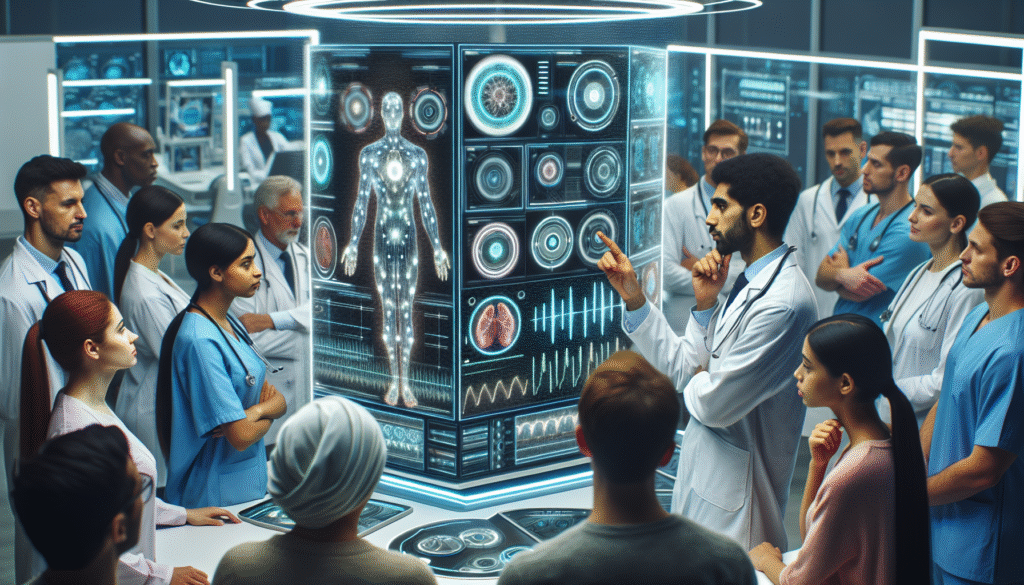
Digital Twins for Personal Health: The Future of Personalised Wellness

Digital Twins

The Rise of Digital Twins in Personal Health

In 2025, the integration of digital twin technology into personal health management is transforming the way individuals monitor and maintain their wellbeing. Originally developed for industries like aerospace and manufacturing, digital twins are now being harnessed to create virtual replicas of human bodies. These digital models collect real-time data from wearable devices, health apps, and medical records to provide a comprehensive overview of an individual’s physical and mental health. The primary goal is to predict health changes, detect issues early, and offer tailored wellness advice.

What Are Digital Twins for Personal Health?

A digital twin in healthcare is a virtual representation of a person’s physical and biological state. By continuously receiving data from health monitoring devices—such as smartwatches, fitness trackers, or even implanted sensors—the digital twin evolves alongside the individual. This continuous flow of data enables healthcare providers to make data-driven decisions, offer precise treatments, and optimise long-term wellness. Digital twins essentially act as a digital health assistant, constantly evaluating vital signs, sleep patterns, physical activity, and more.

Applications of Digital Twins in Healthcare

Digital twins are proving to be revolutionary in various areas of personal health and wellness:

  • Personalised Health Monitoring: Individuals can track their physical condition in real-time, with AI-driven insights into sleep quality, stress levels, and daily physical activity.
  • Predictive Health Models: By analysing patterns, digital twins can predict potential health issues before they manifest, allowing for preventive measures.
  • Chronic Disease Management: For conditions like diabetes or hypertension, digital twins monitor critical metrics and send alerts when readings fall outside safe ranges.
  • Rehabilitation and Recovery: Patients recovering from surgery can use digital twins to track healing progress, guided by data from wearables that monitor movement and vital signs.
  • Mental Health Support: Mood tracking and stress analysis are incorporated into digital twins, helping to identify triggers and recommend relaxation techniques.

How Digital Twins Enhance Personalised Wellness

Unlike generic health advice, digital twins provide recommendations tailored to an individual’s unique biology and lifestyle. For instance, if someone’s digital twin detects irregular sleep patterns, it might suggest adjustments in routine, dietary changes, or sleep-enhancing exercises. Furthermore, the technology can integrate dietary preferences, fitness goals, and mental well-being metrics, creating a holistic health profile that adapts over time.

Data Privacy and Ethical Considerations

With the vast amount of personal data involved, privacy remains a significant concern. Digital twin platforms are designed with robust security measures, including encryption and secure data sharing. However, users must be vigilant about who has access to their health data. Many platforms are working towards offering users full control over their information, ensuring that data is only accessible to authorised healthcare providers.

Real-World Examples and Innovations

Several tech companies are pioneering this solution for personal health. For example, Philips has introduced a digital twin prototype that tracks cardiovascular health by analysing heart rate variability and blood pressure data from wearable devices. Similarly, Fitbit’s new wellness platform uses twins to predict stress levels based on activity and sleep data.

Why Digital Twins Are a Game-Changer

The potential of twins in personal health lies in their ability to offer real-time insights that evolve as the user’s health changes. Instead of reactive healthcare, which addresses problems after they occur, digital twins promote proactive and preventive care. As wearable technology and AI advance, twins will become more precise and accessible, revolutionising how we approach wellness.

Future Implications for Personal Health Management

As digital twin technology becomes mainstream, healthcare will increasingly focus on predictive and personalised care. Integrating data from multiple sources—including genetic profiles and environmental factors—will make twins even more accurate. Individuals will benefit from more informed healthcare decisions, leading to a longer, healthier life. Brands that invest in digital twin technology now will lead the future of personalised wellness, offering innovative solutions that align with the modern demand for health optimisation.

white pages hull