Tag Archives: modern living

Balancing Life and Tech in the Modern Age

Discover how technology can help maintain worklife balance with practical tips and insights for modern life.
Have you ever wondered if it’s possible to achieve worklife balance in our techdriven world? With devices always within reach, the lines between work and personal life often blur. Yet, technology can also be the key to finding harmony. In this article, we explore how to leverage technology for a balanced lifestyle.

Understanding WorkLife Balance

Worklife balance is the equilibrium between professional and personal responsibilities. In today’s connected world, it can seem elusive. However, balance doesn’t mean equal time—it means satisfaction and fulfillment. It’s important to identify what matters most to you. Are you spending enough time on activities you enjoy? Is work encroaching on family time? Taking stock of your priorities is the first step.

Technology can play an integral role in achieving balance. It provides tools to streamline tasks, manage time, and enhance productivity. Embracing the right tech can help allocate more time to what truly matters: family, hobbies, or even just relaxation.

Tech Tools for Time Management

Managing time effectively is crucial for maintaining balance. Here, technology offers various solutions. Calendars and scheduling apps like Google Calendar or Microsoft Outlook can be lifesavers. These tools help visualise time commitments, set reminders, and even suggest optimal meeting times.

Task management apps, such as Todoist or Trello, help organise tasks into manageable lists. These apps allow for setting priorities, deadlines, and even breaking tasks into smaller, achievable steps. With the right tools, it’s easier to prevent work from overshadowing personal life and vice versa.

Enhancing Productivity with Technology

Productivity is not just about getting more done; it’s about doing the right things. Many apps focus on enhancing productivity by cutting distractions. Applications like Focus@Will use music to improve concentration, while apps like RescueTime provide insights on how you spend time on digital devices.

Another way technology aids productivity is through automation. Automating repetitive tasks using tools like IFTTT or Zapier frees up time for activities that require more focus. The key is to use technology to work smarter, not harder.

Setting Boundaries with Technology

While technology offers numerous benefits, it can also blur boundaries. Setting clear lines between work and personal life is essential. Use technology to your advantage by setting up work hours on communication platforms like Slack or Microsoft Teams.

Consider adopting the ‘do not disturb’ mode on your smartphone during personal time. Furthermore, unplugging regularly—be it an hour a day or a techfree weekend—can recharge you mentally and emotionally. Balance is easier to achieve when boundaries are respected.

Top Tips and FAQ

Top Tips:

Use scheduling apps to organise your day.
Automate repetitive tasks to save time.
Set boundaries for technology use.
Regularly evaluate your worklife satisfaction.

FAQ:

Q: Can technology truly help with worklife balance?
A: Yes, when used correctly, technology can streamline tasks and manage time more effectively.

Q: What if I find technology overwhelming?
A: Start with one or two tools that meet your needs and gradually expand as you become comfortable.

Q: How can I set boundaries effectively?
A: Use tech settings like ‘do not disturb’ and schedule personal time as you would work meetings.

Conclusion

In conclusion, while technology can complicate worklife balance, it can also facilitate it. By using tech tools to manage time, enhance productivity, and establish boundaries, you can create a more balanced and fulfilled life. What challenges have you faced in balancing work and life, and how have you overcome them? Share your thoughts and continue the conversation. Discover how technology can help by using a people finder to connect with resources and support.

For more, see this Wikipedia article on Biohacking.

Smart Home Devices: Revolutionising Health

Discover how smart home health devices are transforming daily life, enhancing wellbeing and making homes healthier, safer, and more comfortable.
Do you find yourself wondering how technology can enhance your wellbeing at home? Smart home health devices are at the forefront of this transformation, integrating seamlessly into our lifestyles and enabling us to live healthier, more comfortable lives. From monitoring vital signs to ensuring our environment is safe and supportive, these devices are revolutionising home health management.

Understanding Smart Home Health Devices

Smart home health devices are more than just gadgets; they are a bridge between health and technology. These devices are designed to help you monitor, track, and manage your health from the comfort of your home. With the rise of the Internet of Things (IoT), smart health devices have become more interconnected, offering users personalised insights and recommendations.

One of the major advantages of these devices is their ability to provide realtime health analytics. Wearables, for example, can track your heart rate, sleep patterns, and physical activity levels. This data is invaluable for maintaining a healthy lifestyle and can be shared with healthcare providers for more informed medical decisions.

Moreover, smart home devices contribute to a safer environment. For instance, smart air purifiers can monitor air quality and adjust settings to reduce allergens and pollutants. Similarly, smart lighting systems can help regulate sleep patterns by adjusting light intensity and colour temperatures based on the time of day.

Enhancing Home Safety and Comfort

Smart home health devices extend beyond individual health to the overall safety and comfort of your living space. Devices like smart smoke detectors and water leak sensors help prevent accidents by alerting you to potential dangers in realtime. This proactive approach to home safety can provide peace of mind, particularly for families with young children or elderly members.

Temperature control is another area where smart devices excel. Smart thermostats learn your daily routines and adjust heating and cooling systems accordingly. This not only optimises comfort but also contributes to energy efficiency, reducing your carbon footprint and utility bills.

Additionally, for individuals with mobility issues or disabilities, smart home devices can offer significant assistance. Voiceactivated systems and automated appliances can simplify daily tasks, allowing users to maintain independence and improve their quality of life.

Personalising Your Health Journey

One of the standout features of smart home health devices is their ability to personalise your health journey. By analysing data collected from various devices, these systems provide tailored advice and recommendations. Whether it’s adjusting your diet based on nutritional needs or modifying exercise routines to improve fitness, smart devices offer a bespoke approach to health management.

Moreover, personalisation extends to mental health. Some smart devices include features that track mood and stress levels, offering guided meditations and relaxation techniques to improve mental wellbeing. These holistic solutions ensure that all aspects of a person’s health are addressed, fostering a balanced lifestyle.

Integrating Technology Into Daily Routines

Integrating smart home health devices into daily routines has become increasingly seamless. Many devices are compatible with smartphones, allowing users to receive notifications, track progress, and manage settings remotely. This integration ensures that health management does not interfere with daily activities but instead complements them.

The convenience of smart home devices is particularly beneficial for busy individuals who may struggle to find time for regular health checkups. By having essential data at their fingertips, users can make informed decisions and stay on top of their health without the need for frequent doctor visits.

Furthermore, as technology advances, the accessibility of these devices is improving. With a growing range of affordable options, more people can benefit from the advantages of smart health technology, making it a valuable addition to any household.

Top Tips and FAQ

Top Tips:
1. Start small by integrating one or two smart devices into your home and gradually expand as needed.
2. Regularly update your devices to ensure they are operating with the latest technology and security features.
3. Take advantage of mobile app integrations to monitor and control your devices remotely.
4. Consider ecofriendly options to make your smart home setup more sustainable.
5. Share data with healthcare providers to enhance medical care and advice.

FAQ:
How secure are smart home health devices?
Smart devices often include robust security measures, but it’s essential to use strong passwords and keep devices updated to protect data.

Are smart health devices suitable for everyone?
Yes, they can be beneficial for individuals of all ages, especially those looking to monitor and improve their health.

Can smart devices replace regular health checkups?
While they offer valuable insights and convenience, they should complement, not replace, regular medical consultations.

Embracing the Future of Health at Home

In conclusion, smart home health devices are paving the way for a healthier future at home. By offering realtime health monitoring, enhancing safety, and integrating seamlessly into daily routines, these devices empower individuals to take charge of their wellbeing. Are you ready to embrace this technological revolution? Consider starting your smart home journey today and explore how these devices can transform your life. What smart health device would you like to try first? How do you envision your home evolving with this technology?

For more personalised wellness tools, explore our handy people finder to connect with experts who can guide you on your wellness journey.

For more, see this Wikipedia article on alternitive therapies.

Tech-Driven Personal Growth

Discover how modern technology can enhance personal development. Embrace new tools and methods for growth in today's digital age.
Have you ever wondered how modern technology can play a vital role in personal development? In an era where digital innovations are rapidly transforming every aspect of life, it’s no surprise that tech is also influencing our personal growth journeys. From mobile apps that boost productivity to platforms fostering lifelong learning, the opportunities for selfimprovement have never been more accessible or exciting.

Embracing Digital Learning Platforms

In recent years, digital learning platforms have transformed how we acquire new skills and knowledge. These platforms offer a wide variety of courses from language learning to professional development, making education more accessible than ever. Whether you’re looking to upskill in your career or explore new hobbies, platforms like Coursera and Udemy provide a wealth of resources at your fingertips.

The flexibility offered by these platforms is unparalleled. Learners can access course materials anytime, anywhere, allowing for a personalised learning experience that fits individual schedules. Additionally, the interactive nature of online learning often fosters a more engaging experience, with multimedia content and community forums enhancing the process.

Moreover, as technology continues to advance, the learning experience becomes more immersive. Virtual reality and augmented reality are beginning to integrate into educational platforms, offering simulations and experiences that enhance understanding and retention. Thus, digital learning is not just about convenience; it’s about enriching the educational experience in profoundly new ways.

Utilising Productivity Apps

Productivity apps are revolutionising how we manage our time and tasks. Tools like Todoist, Trello, and Evernote have become essential in helping individuals organise their lives efficiently. These applications enhance productivity by providing features like task lists, reminders, and collaborative tools.

With the ability to sync across multiple devices, productivity apps ensure that users remain organised whether they’re at home, at work, or on the go. The integration of AI into these apps also means they can now offer smart suggestions and automate routine tasks, saving time and mental energy.

By offloading organisational tasks to these apps, individuals can focus more on what truly matters, whether it’s professional development or personal time for hobbies and relaxation. This effective management of one’s time and resources is essential for fostering personal growth and wellbeing.

Exploring Mindfulness and Wellness Tools

In recent years, technology has introduced innovative ways to support mindfulness and wellness. Apps such as Headspace and Calm provide guided meditation sessions that help users manage stress and improve mental clarity. These tools have made mindfulness accessible to a broader audience, allowing individuals to incorporate mental wellness into their daily routines.

Wearable technology also plays a crucial role in promoting physical health. Fitness trackers monitor everything from steps and heart rate to sleep quality, offering insights into personal health metrics. This data empowers individuals to make informed decisions about their lifestyle choices, enhancing both physical and mental wellbeing.

By integrating these tools into our lives, we can create a balanced routine that supports overall health and personal development. The ease of accessibility and userfriendly design of these tech solutions make it simpler than ever to prioritise wellness.

Connecting with Virtual Communities

Technology facilitates connections with likeminded individuals around the world. Online communities and social media platforms allow people to share experiences, insights, and support, fostering an environment conducive to personal growth.

Platforms like Reddit and Facebook groups create spaces for discussion, where users can seek advice, share success stories, and motivate one another. These virtual communities offer a sense of belonging and are invaluable in providing diverse perspectives and encouragement.

Furthermore, the ability to connect globally means that there’s always someone available to lend support or offer guidance. This network of encouragement and shared knowledge is a testament to the positive impact of technology on personal development.

Integrating Smart Solutions for Continuous Improvement

Smart technology in the home and workplace provides endless opportunities for selfimprovement. Smart speakers, for example, can streamline daily routines by scheduling reminders, playing educational podcasts, or even helping with language translation.

Using such technology allows users to optimise their environment for learning and development. Smart lighting can adjust to improve focus, while automated systems can manage tasks like grocery shopping or cleaning, freeing up time for personal growth activities.

By leveraging these smart solutions, individuals can create an environment that supports continuous improvement and fosters personal development.

Top Tips

Explore various digital platforms to find the ones that best meet your personal growth goals.
Set clear objectives for using productivity apps to maximise their effectiveness.
Incorporate mindfulness and wellness tools into your daily routine for balanced wellbeing.
Engage with virtual communities to gain support and broaden your perspectives.
Utilise smart technology to optimise your environment for continuous improvement.

FAQ

Q: How do digital learning platforms compare to traditional education?
A: They offer flexibility and often provide a more interactive, personalised learning experience.

Q: Are productivity apps useful for everyone?
A: Yes, they can be tailored to individual needs, making them beneficial for various tasks and goals.

Q: How can mindfulness apps improve mental wellbeing?
A: They provide guided practices that help reduce stress and enhance focus, contributing to overall mental health.

Q: What benefits do virtual communities offer for personal development?
A: They provide support, diverse perspectives, and opportunities to share knowledge and experiences.

Q: Can smart technology aid in personal growth?
A: Absolutely, smart solutions can optimise environments and streamline tasks, allowing more focus on selfimprovement.

In conclusion, modern technology presents endless opportunities to enhance personal development. By embracing digital tools and platforms, we can create a balanced approach to growth that fits into our dynamic lives. How have you used technology to aid your personal development journey? Share your thoughts and experiences in the comments below. For those interested in connecting with likeminded individuals, you might want to explore a people finder tool to expand your network.

For more, see this Wikipedia article on Meditation.

Voice Assistants: Mastering Your Day

Discover how voice assistants can boost your daily productivity, streamline tasks, and enhance your lifestyle with simple voice commands.
Have you ever wondered how you can make your daily routines more efficient without adding more stress? The answer might lie in the small, smart devices that sit on your kitchen counter or living room table. Voice assistants are not just for playing your favourite tunes or setting alarms anymore; they have evolved into powerful tools that can significantly enhance your productivity.

Streamlining Task Management

Voice assistants can revolutionise how you manage your daily todo list. Imagine effortlessly adding tasks to your list while preparing breakfast, or scheduling reminders while you get ready for work. With just a few simple voice commands, you can manage your entire day handsfree. This convenience extends beyond personal tasks. You can automate reminders for household chores or even create recurring calendar events.

The integration of voice assistants with various applications enhances their utility. You can link them to your email or calendar apps, allowing you to seamlessly check your schedule or send quick emails. This means no more missed meetings or forgotten appointments. By centralising your task management, voice assistants provide a smooth and efficient way to handle your daily responsibilities.

Enhancing Communication

Communication becomes a breeze with voice assistants. They can make phone calls, send texts, or even connect with your smart home intercom systems. This is particularly helpful for those who often find themselves multitasking or in situations where their hands are occupied. With voice commands, staying in touch with family and friends is no longer a task that requires your full attention.

Voice assistants can also read your messages aloud or dictate them, facilitating effective communication without interrupting your workflow. This feature is particularly beneficial for those who need to communicate rapidly and efficiently, such as during work hours or while managing family coordination.

Optimising Daily Routines

Creating daily routines that stick can be challenging, but voice assistants make it simpler. By setting up routines, you can trigger multiple actions with a single command. For example, saying “Good morning” could prompt your assistant to turn on the lights, read the news, and start your coffee maker. This not only saves time but also reduces decision fatigue by automating repetitive tasks.

Moreover, voice assistants can be tailored to your personal preferences, gradually learning and adapting to your habits. This allows for an optimised and personalised daily routine that caters to your unique productivity needs.

Enhancing Learning and Personal Development

Voice assistants can be instrumental in personal development and continuous learning. They can set timers for study sessions, help you practice new languages, or even provide information on topics you’re curious about. This handsfree access to information encourages spontaneous learning and can transform mundane moments into productive ones.

Furthermore, voice assistants can recommend educational podcasts, audio books, or provide daily motivational quotes, making personal development a seamless part of your daily life. By embedding these learning tools into your routines, you pave the way for a more enriching and productive lifestyle.

Connecting With Smart Home Technology

Voice assistants are often the central hub of smart home systems, offering control over various smart devices. From adjusting the thermostat to controlling lighting and playing music, these devices simplify interaction with technology. This is particularly useful when managing a busy household, allowing you to efficiently manage your environment.

Integrating voice assistants with smart home technology empowers you to create a home that responds to your needs in realtime. Whether it’s setting the perfect ambience for relaxation or ensuring your home is secure, voice assistants offer a seamless way to enhance your living space.

Top Tips:

Create daily and evening routines to automate your tasks.
Integrate your voice assistant with task management apps for seamless productivity.
Regularly update your device to access new features.
Customise your assistant’s settings to fit your personal lifestyle.
Explore thirdparty apps to expand your assistant’s capabilities.

FAQ:

How do voice assistants improve productivity?

Voice assistants streamline task management, enhance communication, and automate daily routines, allowing users to manage their time more efficiently.

Can voice assistants help with learning?

Yes, they can provide educational resources such as podcasts and audiobooks, and facilitate active learning through interactive features.

Are voice assistants compatible with smart home devices?

Most voice assistant devices are compatible with a wide range of smart home technologies, making them a central hub for home automation.

How do I integrate voice assistants with my calendar?

You can link your assistant to your email or calendar app through its settings, allowing you to manage events and reminders via voice commands.

Conclusion

Incorporating voice assistants into your daily routine can transform the way you handle tasks, communicate, and live your life. By offering handsfree operation and seamless integration with various technologies, these devices make everyday tasks simpler and more efficient. Are you ready to embrace the convenience of voice assistants? Consider trying out these features and share your experiences. How have voice assistants changed your daily routine? Let us know! And if you need to find someone, try using a people finder.

For more, see this Wikipedia article on Technology.

Managing Digital Stress in the Modern World

Discover effective digital stress management tools to improve your wellbeing amidst the techdriven world. Learn how to regain balance and focus.
Have you ever wondered how digital stress affects your everyday life? In today’s techdriven society, we are more connected than ever, but this comes with its own set of challenges. Persistent notifications, constant updates, and the pressure to stay connected can lead to overwhelming stress. This article will explore various digital stress management tools to help you navigate the digital age with more ease and clarity.

Understanding Digital Stress

Digital stress is a modernday phenomenon that arises from our interactions with technology. While technology has enhanced our lives in many ways, it also demands our constant attention. The pressure to respond to emails quickly, keep up with social media, and manage multiple digital platforms can be exhausting. The key to managing this stress is to understand its nature and its impact on our mental health.

Research suggests that the constant influx of information can lead to attention fatigue, disrupting our ability to focus and think creatively. This ultimately affects our productivity and mental health. However, acknowledging this stress is the first step towards managing it effectively. By recognising the symptoms of digital stress, we can begin to find solutions and set boundaries to protect our wellbeing.

Mindfulness Apps for Digital Stress

Mindfulness is a powerful tool against digital stress. With the rise of mindfulness apps, it’s easier than ever to incorporate mindfulness practices into your daily routine. These apps offer guided meditations, breathing exercises, and relaxation techniques that can help you regain focus and manage stress levels.

For instance, apps like Headspace and Calm provide a variety of meditation sessions tailored to different needs: from dealing with anxiety to enhancing sleep quality. Using these apps regularly encourages you to step back from the digital chaos and reconnect with the present moment. The convenience of having a mindfulness coach in your pocket makes it a practical solution for stress relief.

Setting Digital Boundaries

One of the most effective ways to manage digital stress is to set clear boundaries with your devices. Setting specific times for checking emails and social media can prevent digital overload. Moreover, turning off unnecessary notifications reduces distractions and allows you to focus on more important tasks.

Creating techfree zones in your home or having devicefree hours, such as 30 minutes before bed, can also significantly reduce stress levels. These practices help establish a healthier relationship with technology, giving you more control over your digital consumption.

Using Technology to Your Advantage

Not all technology contributes to stress; some tools are designed to help manage it. Productivity apps like Trello and Asana can assist in organising tasks and setting realistic goals, which can alleviate the stress of managing workloads. Similarly, using scheduling apps to plan breaks ensures you take time away from screens to refresh your mind.

Additionally, implementing software that limits screen time or monitors usage can help you maintain a balanced digital diet. By being intentional with the technology you use, you can turn potential stressors into helpful allies in your daily life.

The Role of Physical Activity

Physical activity is a natural stress reliever, and incorporating movement into your daily routine can counteract the effects of digital stress. Exercise releases endorphins, which improve mood and reduce stress. Engaging in regular physical activities, such as walking, yoga, or cycling, can provide a necessary break from screens.

Moreover, there are numerous apps designed to encourage fitness and movement, such as Strava or Fitbit. These tools can track your progress, motivate you, and remind you to take regular breaks from digital devices. By integrating activity into your routine, you can effectively manage digital stress while enhancing your physical health.

Top Tips:

1. Schedule regular digital detoxes to reconnect with the offline world.
2. Use apps that limit screen time to maintain a healthy digital balance.
3. Incorporate mindfulness practices into your daily routine to reduce stress.
4. Set boundaries on device usage to prevent digital burnout.

FAQ:

Q: What are digital detoxes?

A: Digital detoxes are periods where you refrain from using digital devices to reduce stress and improve mental wellbeing.

Q: How do mindfulness apps help with digital stress?

A: Mindfulness apps offer guided practices that can help you relax and focus, reducing the stress associated with constant digital interactions.

Q: Can setting boundaries with technology really make a difference?

A: Yes, setting boundaries can prevent digital overload, reduce distractions, and improve overall mental health.

Conclusion

Digital stress is a reality of modern life, but it doesn’t have to control you. By understanding its effects and exploring various management tools, you can regain control and improve your wellbeing. Engage with mindfulness apps, set digital boundaries, and incorporate physical activity into your routine to create a healthier relationship with technology. Have you tried any of these strategies? How do you manage digital stress in your life? Share your experiences and let’s continue the conversation on how to thrive in a digital world.

For additional support, you might consider using a people finder to reconnect with loved ones offline, enhancing your social support network.

For more, see this Wikipedia article on alternitive therapies.

Boosting Your Financial Wellbeing: Simple Steps to Take

Discover practical steps to improve your financial wellbeing and manage your finances for a more secure future.

Why Focus on Financial Wellbeing?

Do you often feel anxious about your finances? You’re not alone. Many people experience stress over money, which can greatly impact their overall wellbeing. In today’s fastpaced world, achieving financial security is a common goal. People wonder how they can better manage their finances to live comfortably now and prepare for the future. Enhancing your financial wellbeing is key to reducing stress and gaining peace of mind.

Financial wellbeing is more than just having a steady income. It involves a comprehensive approach to managing your money, ensuring you can meet your current needs while planning for future goals. From understanding your spending habits to setting aside savings, adopting effective money management practices can make a significant difference.

Let’s explore some practical steps that can help you improve your financial wellbeing, allowing you to live a more balanced and fulfilling life.

Understand Your Financial Habits

Start by examining your current financial habits. Are you aware of where your money goes each month? Understanding your spending patterns is crucial in identifying areas where you can cut back. Keep track of your expenses for a few weeks to get a realistic picture of your spending.

Consider categorising your expenses into essentials and nonessentials. This exercise will help you identify unnecessary expenditures and prioritise your spending. Additionally, by recognising impulse purchases, you can develop strategies to avoid them in the future, thereby enhancing your financial health.

With a clear grasp of your financial habits, you can begin to implement changes that align with your longterm goals. This foundation is essential for improving your financial wellbeing.

Set Realistic Financial Goals

Setting achievable financial goals is essential for maintaining motivation and direction. Start with shortterm goals, such as reducing debt or saving a specific amount each month. These smaller goals will build a sense of accomplishment and encourage you to keep going.

As you achieve your shortterm objectives, you can begin working towards larger, longterm goals. Whether it’s buying a home, funding a child’s education, or saving for retirement, having clear goals will guide your financial decisions and help you prioritise effectively.

Remember to regularly review and adjust your goals as needed. Life changes, and so do your financial needs. Keeping your goals relevant ensures you remain focused on what truly matters.

Create and Stick to a Budget

A wellstructured budget is the cornerstone of financial wellbeing. It helps you allocate your income towards expenses, savings, and investments. Begin by listing your sources of income and categorising your fixed and variable expenses.

One popular budgeting method is the 50/30/20 rule. Allocate 50% of your income to necessities, 30% to wants, and 20% to savings and debt repayment. This method offers a balanced approach to spending and saving.

Commit to reviewing your budget regularly and making adjustments as your financial situation evolves. Sticking to a budget requires discipline but is essential for achieving longterm financial security.

Build an Emergency Fund

An emergency fund acts as a financial safety net, providing peace of mind when unexpected expenses arise. Aim to save three to six months’ worth of living expenses in a separate, easily accessible account.

Start small if necessary, by setting aside a modest amount each month. Over time, your fund will grow, offering you security against unforeseen circumstances such as job loss or medical emergencies.

Having an emergency fund will reduce your reliance on credit, helping you maintain financial stability and reduce debt.

Seek Professional Financial Advice

If managing your finances feels overwhelming, consider seeking advice from a financial professional. A qualified advisor can provide personalised guidance, helping you develop a tailored financial plan that suits your needs and goals.

A financial advisor can offer insights into investment opportunities, tax strategies, and retirement planning. Their expertise can help you make informed decisions, ensuring that you maximise your financial potential.

In addition, accessing resources such as a people finder can also be beneficial in reconnecting with valuable networks and contacts that might lend financial advice or support.

Top Tips:

Track your expenses diligently.
Prioritise debt repayment.
Automate savings to build an emergency fund.
Review financial goals regularly.
Seek professional guidance when needed.

FAQ:

Q: What is financial wellbeing?

A: Financial wellbeing refers to the state of being in control of your financial situation, enabling you to meet your current and future financial obligations comfortably.

Q: How can I improve my financial habits?

A: Start by tracking your expenses, categorising them, and identifying areas where you can reduce unnecessary spending.

Q: Why is having an emergency fund important?

A: An emergency fund provides financial security against unexpected expenses, reducing the need for highinterest borrowing and ensuring stability.

Q: How do I find a reliable financial advisor?

A: Seek recommendations from friends, family, or use online resources to find trusted financial advisors who are accredited and experienced.

Conclusion

Enhancing your financial wellbeing requires a proactive approach to managing your money. By understanding your financial habits, setting realistic goals, and creating a budget, you are taking essential steps towards financial security. Building an emergency fund and seeking professional advice can further solidify your financial foundation. Begin your journey to financial wellbeing today by implementing these practical strategies and share your progress with us. How have you boosted your financial wellbeing? What are your biggest financial goals? Feel free to engage and share your thoughts!

For more, see this Wikipedia article on Nutrition.

Exploring the Future: Biohacking and Modern Wellness

Delve into biohacking and modern wellness, discovering how simple lifestyle changes can enhance health. Start your journey towards a healthier you today!

Have you ever wondered how you can optimise your health and wellness through innovative methods? Enter the world of biohacking. This modern approach to wellness is capturing the attention of health enthusiasts worldwide, promising the enhancement of physical and mental wellbeing with a blend of science, technology, and lifestyle changes. But what exactly is biohacking, and how can it fit into your daily life? For more, see this Wikipedia article on Biohacking.

Understanding Biohacking

Biohacking is a broad term referring to the practice of using science, biology, and technology to enhance the body and improve performance. It involves a variety of lifestyle changes, from diet and exercise modifications to the use of hightech gadgets and supplements. The goal is to optimise health through personalised approaches tailored to individual needs and goals.

This concept has gained traction as people look for ways to improve their quality of life without relying solely on traditional medicine. Whether it’s bulletproof coffee, nootropic supplements, or light therapy, biohacking offers diverse tools for those seeking better health.

One of the appealing aspects of biohacking is its adaptability. People can choose methods that suit their personal lifestyles and health goals, making it a flexible option for wellness enthusiasts. Additionally, technology plays a significant role, with gadgets that track sleep, monitor heart rates, and even provide meditation guidance.

Embracing biohacking means embracing a proactive approach to health and wellness. It’s about experimenting with different techniques and technologies to see what works best for you.

Simple Lifestyle Hacks

Not all biohacks require hightech equipment. Many effective strategies involve simple lifestyle changes that anyone can implement. For instance, intermittent fasting has become popular for its potential to improve metabolism and aid weight loss. It’s a straightforward method of adjusting eating patterns rather than changing what you eat.

Similarly, practising mindfulness and meditation can significantly impact mental health. These practices help reduce stress and anxiety, enhancing overall wellbeing and promoting a more balanced life.

Exercise remains a cornerstone of any wellness plan. By incorporating regular physical activity into your routine, you can boost both physical fitness and mental clarity. Activities like yoga, pilates, or even brisk walking can have positive outcomes on your biohacking journey.

Moreover, ensuring adequate sleep is crucial for optimal health. Biohackers often focus on improving sleep quality through techniques like setting consistent sleep schedules or utilising blue lightblocking glasses to promote restful nights.

Utilising Technology for Better Health

Technology has brought new dimensions to biohacking, with devices designed to monitor and improve various aspects of health. Wearable fitness trackers like Fitbits or Apple Watches provide valuable insights into physical activity, heart rate, and sleep patterns, helping users make informed decisions about their health.

Additionally, smart home devices, such as air purifiers and smart mattresses, contribute to creating environments conducive to better sleep and overall wellness. These technologies seamlessly integrate into daily lives, offering continuous support in achieving health goals.

Light therapy devices are another technological innovation embraced by biohackers. These devices simulate natural sunlight, which can boost mood and regulate circadian rhythms, especially during darker months.

With technology becoming ever more sophisticated, biohackers have a wealth of tools at their disposal to advance their wellness journeys and personalise their approaches to health.

EcoFriendly Wellness Practices

In today’s ecoconscious world, many biohackers are also focusing on sustainable practices. This includes adopting plantbased diets, supporting environmentally friendly products, and reducing waste.

Ecofriendly biohacking is about finding ways to enhance wellbeing while being mindful of our impact on the planet. For instance, choosing organic produce not only benefits personal health but also supports sustainable agriculture.

Furthermore, reducing plastic usage and opting for reusable products helps minimise environmental impact. Many biohackers are also engaging in activities like growing their own herbs or creating home compost systems.

By aligning wellness goals with ecofriendly practices, individuals can contribute to global sustainability while enhancing their personal health.

The Role of Community in Biohacking

Biohacking isn’t just an individual endeavour; it’s a communitydriven movement. Online forums and social media groups provide platforms for biohackers to share experiences, tips, and successes, fostering a sense of community and collaboration.

These platforms allow individuals to find likeminded enthusiasts and learn from each other. Whether seeking advice on the latest supplements or discussing the benefits of cold showers, the biohacking community is a vibrant space for knowledge exchange.

Moreover, attending workshops or conferences dedicated to biohacking can offer valuable insights and inspire new approaches to personal wellness.

Being part of a community enhances the biohacking experience, offering support and motivation to continue exploring this innovative health pursuit.

Top Tips:

1. Start small: Integrate one or two biohacks into your routine and assess their impact on your health.

2. Track progress: Use fitness trackers or journaling to monitor changes and adjust your approach accordingly.

3. Stay informed: Follow reliable sources to keep up with new developments in the biohacking world.

4. Personalise your journey: Choose methods that work for your unique needs and lifestyle.

5. Consider consulting a healthcare professional before making significant changes to your regimen.

FAQ:

What is biohacking?

Biohacking is the practice of using science, technology, and lifestyle changes to optimise health and improve performance.

Do I need expensive equipment to start biohacking?

No, many effective biohacks are simple lifestyle changes like diet and exercise modifications.

Are there risks associated with biohacking?

As with any health practices, there may be risks, so it’s important to research thoroughly and consult professionals if necessary.

How can I get started?

Begin by identifying your health goals and exploring basic biohacks like sleep optimisation or mindfulness.

Is biohacking scientifically proven?

Some biohacking methods are supported by scientific research, while others are more experimental. It’s important to stay informed and critical.

Conclusion

Biohacking and modern wellness offer unparalleled opportunities to take control of your health and wellbeing. By embracing both technology and simple lifestyle changes, individuals can pave the way for a healthier future. Ready to start your biohacking journey? Share your thoughts or questions in the comments below, and let’s explore this exciting world together.

Looking to connect with others on this path? Check out people finder services to meet likeminded wellness enthusiasts.

Biohacking: Modern Ways to Enhance Your Wellness

Discover biohacking techniques that enhance wellness by optimising your body's functions through diet, technology, and lifestyle changes.

Introduction: What is Biohacking?

Have you ever wondered how you can take control of your body’s biology to improve your health and wellbeing? Biohacking might be the answer. This modern wellness trend uses various techniques to optimise your body’s functions, enhance physical and mental performance, and improve overall quality of life. By exploring diet, lifestyle changes, and cuttingedge technology, biohacking empowers individuals to make informed decisions about their health.

The Science Behind Biohacking

Biohacking is all about understanding how our bodies work at a molecular level and using that knowledge to our advantage. By leveraging scientific research, biohackers experiment with different strategies to maximise their potential. This could include dietary changes, supplements, and even wearable technology to monitor health markers in realtime.

Recent advancements in biotechnology have made it easier to track personal health data, leading to more effective biohacking practices. From tracking heart rate variability to monitoring sleep patterns, these techniques provide insights into how our bodies respond to various stimuli and help us make datadriven decisions.

Diet and Nutrition: A Key Component

One of the most popular biohacking practices involves optimising diet and nutrition. By understanding how different foods affect your body’s performance, you can tailor your diet to suit your specific needs. Some biohackers experiment with intermittent fasting, ketogenic diets, or plantbased nutrition to improve energy levels and cognitive function.

Moreover, the concept of “nutrigenomics” explores how individual genetic makeup influences the way we metabolise nutrients, allowing for a more personalised approach to nutrition. By integrating these insights, biohackers can create diets that enhance their wellbeing and longevity.

Mind and Body: Enhancing Mental Wellness

Biohacking isn’t just about physical health; it’s also about enhancing mental wellness. Techniques such as mindfulness, meditation, and braintraining apps have gained popularity as effective ways to boost cognitive function and reduce stress. By incorporating these practices into daily routines, individuals can improve focus, creativity, and emotional balance.

Additionally, new wearable tech, like EEG headsets, can provide insights into brainwave activity, enabling biohackers to finetune their mental states and optimise productivity.

Technological Tools for Biohacking

With the rise of digital health tools, biohackers have access to a plethora of technology designed to enhance wellness. Wearables like smartwatches and fitness trackers offer realtime data on activity, sleep, and heart rate. Meanwhile, smartphone apps provide personalised feedback on everything from nutrition to stress levels.

These technologies not only offer convenience but also empower users to track their progress and adjust their biohacking strategies accordingly. By staying informed, individuals can make smarter choices that contribute to a healthier lifestyle.

Top Tips: Effective Biohacking Practices

Start with small changes: Begin by tweaking one aspect of your routine, such as diet or exercise, and track the results.
Use technology wisely: Leverage apps and wearables to gain insights into your health and adjust your practices as needed.
Stay informed: Keep up with the latest research and trends to ensure your biohacking strategies are supported by science.
Listen to your body: Pay attention to how your body responds to different experiments and make adjustments accordingly.
Seek expert advice: Consult with healthcare professionals or experienced biohackers for guidance and to avoid potential pitfalls.

FAQ: Common Questions About Biohacking

What is biohacking? Biohacking involves using science and technology to enhance and optimise the body’s performance and wellbeing.
Is biohacking safe? When practiced responsibly, biohacking can be safe. It’s essential to research and consult professionals.
Can anyone try biohacking? Yes, with the right information and resources, anyone can begin incorporating biohacking techniques.
What are the benefits of biohacking? Benefits include improved energy, cognitive function, sleep quality, and overall health.
How do I start biohacking? Begin by identifying areas of improvement and experimenting with small, manageable changes.

Conclusion: Embrace Biohacking for a Better You

Biohacking offers a unique approach to wellness, enabling individuals to take control of their health and achieve their full potential. By exploring diet, technology, and lifestyle adjustments, you can make informed decisions that enhance your wellbeing. Have you tried any biohacking techniques? What changes have you noticed in your health? Share your experiences and thoughts with us!

For more information on personal health and wellbeing, visit our page on finding support resources using a people finder.

For more, see this Wikipedia article on Wellness.

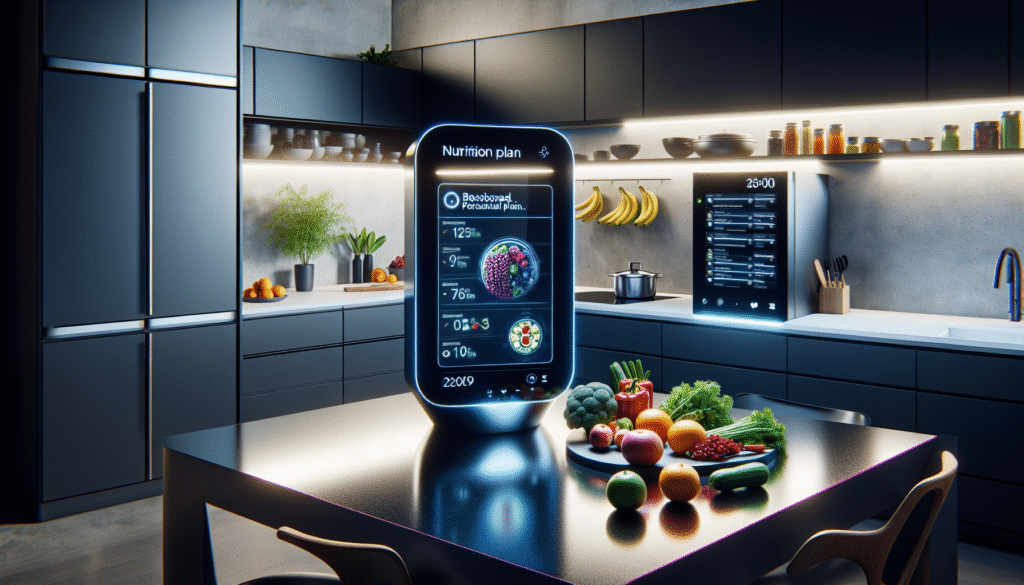
Smarter Eating: AI for Personalised Nutrition Plans

Discover how AI is revolutionising nutrition planning with tailored diet plans to suit your unique health needs and preferences.

Introduction: Can AI Revolutionise How We Eat?

In the everevolving world of technology, have you ever wondered how AI might change your eating habits? Nutrition planning is increasingly becoming a personalised experience, thanks to technological advancements. With artificial intelligence shaping various facets of modern life, it’s no surprise it’s now venturing into the kitchen to offer bespoke dietary solutions. But how exactly does AI achieve this, and what benefits does it bring to the table?

Understanding AI in Nutrition

Artificial intelligence has the remarkable ability to analyse and process vast amounts of data quickly. In the realm of nutrition, AI examines an individual’s health data, dietary preferences, and nutritional needs. By doing so, it crafts personalised nutrition plans that cater to specific requirements. This can include everything from tailoring meals to accommodate allergies and intolerances to optimising nutrient intake for athletic performance.

For those with unique dietary restrictions, AI becomes an invaluable tool. It can sift through myriad food options and create a menu that not only meets dietary guidelines but also caters to personal taste preferences. This customisation ensures individuals are not only eating healthily but enjoying their meals.

AI’s capability extends to continuous learning and improvement. As more data becomes available, the AI system can refine its recommendations, ensuring dietary plans evolve with changing health goals and lifestyles. This dynamism positions AI as a pivotal player in the realm of nutrition.

The Science Behind AIDriven Meal Plans

What makes AIdriven meal planning possible is the integration of machine learning algorithms and nutritional science. These algorithms assess various parameters such as age, weight, activity level, and preexisting health conditions. The outcome is an evidencebased diet plan tailored to an individual’s unique profile.

Furthermore, AI applies predictive analytics to forecast health trends. For instance, if data indicates a potential vitamin deficiency, the AI can suggest food options rich in the required nutrients. This proactive approach not only ensures nutritional adequacy but also contributes to longterm wellness.

AI is also adept at adapting meal plans based on evolving health markers. For example, if a user’s blood pressure changes, the AI can adjust salt intake recommendations accordingly. Such precision is what sets AI apart from generic nutrition advice.

Benefits of AI for Nutrition Planning

There are numerous advantages to using AI for nutrition planning. One of the most significant is personalisation. Unlike traditional methods, AI doesn’t rely on onesizefitsall plans. Instead, it recognises the uniqueness of each individual, offering them flexibility and variety in their diet.

Another benefit is timesaving. With busy schedules, planning meals can be a daunting task. AI takes away this burden by generating meal plans with just a few clicks. This convenience ensures people can maintain a healthy diet without the hassle of daily meal planning.

Moreover, AI fosters a deeper understanding of nutrition. By providing detailed insights and feedback, users become more informed about their dietary choices. This educational component contributes to better longterm eating habits.

Challenges and Considerations

Despite its benefits, integrating AI into nutrition planning isn’t without challenges. One major concern is data privacy and security. Users must share sensitive health information to receive personalised plans, raising questions about how this data is stored and protected.

The accuracy of AI predictions also depends heavily on the quality of data inputted. Inaccurate or incomplete data can lead to suboptimal meal recommendations. Therefore, ensuring the reliability of data collection methods is crucial for effective AI implementation.

Finally, while AI can make recommendations, it lacks the human touch. Sometimes, the nuances of individual experiences and cultural preferences can be lost in algorithmic calculations. Thus, a hybrid approach, combining AI insights with human expertise, may be necessary for the best results.

Top Tips and FAQ

Top Tips:

1. Always verify the source and security of AI tools before sharing personal data.
2. Regularly update your health and dietary information to enhance AI accuracy.
3. Combine AI advice with professional health consultations for comprehensive care.
4. Take advantage of AI’s ability to learn and evolve by setting periodic health goals.
5. Use AI to explore new recipes and diversify your diet.

FAQ:

Q: How does AI gather data for nutrition planning?
A: AI systems use health records, dietary logs, and preference questionnaires to tailor nutrition plans.

Q: Is AI suitable for everyone?
A: While AI offers great benefits, it’s best used alongside professional advice, especially for specific health conditions.

Q: Can AI replace dietitians?
A: AI serves as a complement to professional dietary advice rather than a replacement.

Q: What are the costs associated with AI nutrition planning?
A: Costs vary depending on the service provider and the complexity of the personalised plan offered.

Q: How do I ensure my data’s privacy?
A: Choose AI platforms with robust data protection policies and clear privacy practices.

Conclusion: Embrace the Future of Eating

In conclusion, AI for nutrition planning offers a revolution in how we approach diet and health. By providing personalised, datadriven dietary advice, it helps individuals make smarter choices for their wellbeing. Have you thought about how AI could revolutionise your eating habits? Share your thoughts, and let’s explore the future of nutrition together. Remember, embracing new technology is about enhancing our lives, one meal at a time. Should you need more personalised health advice, consider checking out a people finder to connect with a nutrition expert.

For more, see this Wikipedia article on Fitness.

Reclaim Your Life: Digital Detox for Wellbeing

Discover the benefits of a digital detox for mental clarity and improved wellbeing. Learn how to disconnect and rejuvenate today!

Why Consider a Digital Detox?

In today’s fastpaced world, many people find themselves tethered to their digital devices. But at what cost? This dependency can lead to stress, anxiety, and even a lack of focus. A digital detox offers a chance to disconnect, promoting mental clarity and overall wellbeing. By stepping away from screens, you allow your mind and body to rejuvenate, ultimately leading to a more balanced life.

The Impact of Too Much Screen Time

Excessive screen time has been linked to a myriad of health issues, both mental and physical. Prolonged exposure to screens can strain your eyes, disrupt your sleep patterns, and contribute to a sedentary lifestyle. Mentally, it can increase stress levels, hamper concentration, and foster a sense of isolation. These factors combined make it crucial to take regular breaks for a digital detox, allowing the mind and body some muchneeded rest.

Recognizing the Signs You Need a Break

How do you know when it’s time for a digital detox? Look out for signs such as constant fatigue, difficulty concentrating, and feeling overwhelmed by notifications. Another indicator is the compulsion to check your phone or computer frequently, even when unnecessary. Recognising these signs early can help you take proactive steps toward a healthier digital balance.

Strategies for a Successful Digital Detox

Embarking on a digital detox doesn’t mean you must disconnect entirely or permanently. Start by setting specific goals: perhaps begin with reducing screen time by an hour each day. Establish techfree zones in your home or schedule regular ‘noscreen’ periods, such as during meals or before bed. Engage in activities that don’t involve screens, like reading, walking, or meditating, helping you reconnect with the physical world.

Balancing Technology and Real Life

While technology has its benefits, balance is key. Utilise tools that monitor and limit your screen time, helping you stay mindful of your tech use. You might also consider a ‘phonefree’ challenge during social gatherings to enhance personal interactions. By consciously managing your digital consumption, you can enjoy the best of both worlds: the convenience of technology and the richness of reallife experiences.

Top Tips:

Plan regular breaks from screens, incorporating outdoor activities or hobbies.
Establish techfree zones in your home to encourage physical interaction.
Use apps to monitor and limit screen time effectively.
Encourage facetoface interactions, fostering genuine connections.
Be mindful of tech use, seeking balance and moderation.

FAQ:

Q: How long should a digital detox last? For more, see this Wikipedia article on Meditation.

A: It’s subjective; start with small, manageable durations and adjust according to your needs.

Q: Can a digital detox help with anxiety?

A: Yes, disconnecting from constant digital stimuli can alleviate stress and improve mental clarity.

Q: What activities are best during a detox?

A: Consider activities like reading, exercising, practising mindfulness, or engaging in creative hobbies.

Q: Is it okay to use technology for work during a detox?

A: Yes, balance is key. Limit personal screen time and focus on essential work tasks only.

Conclusion

A digital detox can feel like a daunting task, but its benefits for mental health and wellbeing are undeniable. Are you ready to reclaim your life from the clutches of technology? Start small and embrace the world beyond the screen. How has technology impacted your life, and what steps will you take toward a digital detox? Share your thoughts and experiences in the comments below!

people finder