Category Archives: Digital Wellbeing

Mindful Tech: Enhancing Your Wellbeing

Discover how mindfulness technology can improve your mental health, support your meditation practice, and boost your overall wellbeing.
Have you ever wondered how technology can enhance your mindfulness practice? In our fastpaced, digital world, mindfulness technology is emerging as a powerful tool to help us slow down, focus, and find peace. This article explores the fascinating intersection of mindfulness and technology, delving into how these innovative solutions can support your mental wellness journey.

The Rise of Mindfulness Apps

Mindfulness apps have become incredibly popular, offering guided meditations, relaxation exercises, and mindfulness reminders. These apps make it easier than ever to integrate meditation into your daily routine, providing a convenient way to practice mindfulness anytime, anywhere. With options ranging from short, focused breathing exercises to longer, immersive sessions, you can tailor your mindfulness practice to suit your lifestyle.

Many of these apps also offer tracking features, allowing you to monitor your progress and stay motivated. By setting goals and tracking your meditation sessions, you can develop a consistent routine that supports your wellbeing.

As technology evolves, mindfulness apps are incorporating advanced features like AIguided meditations and personalisation based on user feedback, enabling a more tailored experience.

Smart Devices for Mindfulness

Beyond apps, a variety of smart devices are designed to enhance your mindfulness practice. Wearable tech, like smartwatches and fitness trackers, now include features that monitor stress levels and encourage mindful breathing exercises. These devices provide realtime feedback, helping you become more aware of your body’s responses and adjust your practice accordingly.

Smart speakers and home assistants are also joining the mindfulness movement, offering guided meditation sessions and ambient soundscapes to create a calming environment in your home. With voice commands, you can easily initiate a session or set reminders to take mindful breaks throughout the day.

Some companies are developing dedicated mindfulness devices that use biofeedback to guide you towards a more relaxed state. These innovations blend technology with ageold practices to deepen your mindfulness journey.

Virtual Reality Meditation

Virtual reality (VR) is opening new doors in the realm of mindfulness. VR meditation apps create immersive environments that transport you to tranquil locations, such as serene beaches or lush forests. By engaging your senses, VR can help you detach from distractions and deepen your meditation experience.

VR meditation is especially beneficial for those who find it challenging to focus in traditional settings. The immersive nature of VR can facilitate a heightened state of relaxation and presence, making mindfulness more accessible for everyone.

As VR technology becomes more widespread, we can expect to see more innovative applications that enhance mental wellbeing and mindfulness practices.

Mindful Living with Smart Home Tech

Smart home technology is transforming the way we live and can play a significant role in fostering a mindful environment. Smart lighting systems, for instance, can mimic natural sunlight to enhance your mood and concentration. You can programme them to gradually brighten in the morning for a gentler wakeup or dim in the evening to signal it’s time to unwind.

Smart thermostats, air purifiers, and sound systems can also contribute to creating a calm, healthy atmosphere. By controlling your environment with ease, you can reduce stress triggers and promote a more peaceful living space.

Incorporating mindful practices into your daily routine becomes seamless with these technologies, helping you maintain focus and tranquillity.

Top Tips: Integrating Mindfulness Technology

1. Start small: Begin with a simple mindfulness app to integrate meditation into your routine.
2. Set reminders: Use smart devices to remind you to take mindful breaks throughout the day.
3. Create a calm environment: Use smart home tech to design a space conducive to relaxation and focus.
4. Explore VR meditation: If you’re curious, try a VR app for an immersive mindfulness experience.
5. Monitor progress: Track your mindfulness journey with app features to stay motivated and consistent.

FAQ: Mindfulness Technology

1. What is mindfulness technology?
Mindfulness technology includes apps, devices, and platforms designed to support mindfulness practices, such as meditation and relaxation.

2. Which mindfulness apps are the most popular?
Popular apps include Headspace, Calm, and Insight Timer, each offering unique features to enhance your practice.

3. How can smart devices improve mindfulness?
Smart devices provide tools for monitoring stress, setting reminders, and creating a calming environment, all of which support a mindful lifestyle.

4. Is VR meditation effective?
Yes, VR meditation can be effective for creating immersive experiences that enhance focus and relaxation.

5. Can technology replace traditional mindfulness practices?
Technology complements, rather than replaces, traditional practices, making mindfulness more accessible and engaging.

In conclusion, mindfulness technology is revolutionising the way we approach mental wellness, offering tools and techniques to make mindfulness practices more accessible and effective. By embracing these innovations, you can enhance your wellbeing, improve focus, and reduce stress in your daily life. How do you incorporate technology into your mindfulness practice? Share your experiences and thoughts with us in the comments below.

Find people who share your interests in mindfulness technology and start your journey to digital wellbeing today.

For more, see this Wikipedia article on Technology.
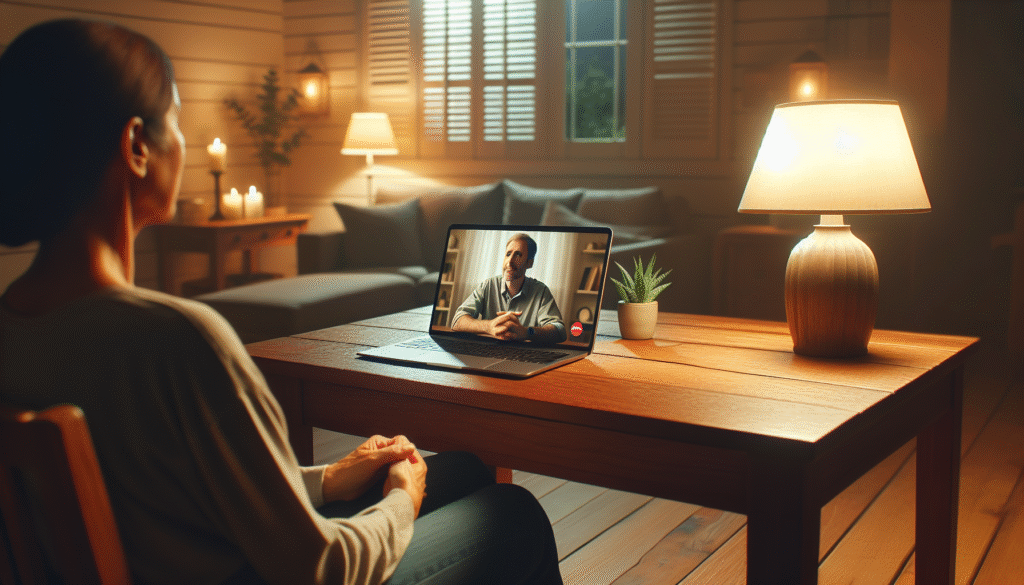
Navigating the World of Online Therapy Platforms

Explore how online therapy platforms are revolutionising mental health care, offering accessible and affordable support for everyone.
Have you ever wondered how technology is transforming the way we approach mental health care? In today’s digital age, online therapy platforms are making it easier than ever to access mental health support from the comfort of your home. This post explores how these platforms work, their benefits, how to choose the right one, and common questions people have about this innovative approach to therapy.

What Are Online Therapy Platforms?

Online therapy platforms are digital services that connect individuals with licensed therapists via the internet. Utilising video calls, chat, and audio sessions, they offer a modern solution to traditional facetoface therapy. With growing demand for mental health support, these platforms are making therapy more accessible to people worldwide.

These platforms are designed to make the therapy process as seamless as possible. Whether you’re looking for regular therapy sessions or immediate support, online platforms cater to various needs, making them an appealing option for many.

Benefits of Online Therapy

One of the main advantages of online therapy is accessibility. People living in remote areas or those with mobility issues can easily access mental health support. Furthermore, online platforms often offer flexible scheduling, accommodating busy lifestyles.

Another benefit is the comfort of accessing therapy from your own space. Many individuals find the experience less intimidating and more convenient, encouraging them to engage regularly with their therapy sessions.

Moreover, online therapy can often be more affordable than traditional facetoface sessions, with a variety of pricing structures to suit different budgets. This financial accessibility opens the doors for many to seek the help they need.

Choosing the Right Platform

With so many online therapy platforms available, choosing the right one might feel overwhelming. Start by identifying what you’re looking for in a therapist. Is it specific expertise, a particular therapeutic approach, or perhaps a flexible schedule?

Once you’ve identified your needs, research various platforms. Look for reviews and testimonials from other users to gauge the platform’s reliability and effectiveness. Also, ensure the platform has appropriately licensed and accredited therapists.

Trial periods offered by some platforms can also be a valuable resource, allowing you to experience sessions before committing financially.

Ensuring Privacy and Security

Privacy and security are crucial when it comes to online therapy. Reputable platforms use encryption and secure connections to ensure that all communications remain confidential. Before signing up, check the platform’s privacy policy to understand how your data will be handled.

It’s also essential to ensure that the platform complies with regulations such as the General Data Protection Regulation (GDPR) or the Health Insurance Portability and Accountability Act (HIPAA), depending on your location.

Top Tips:

Assess your therapy needs before choosing a platform.
Verify the credentials of therapists available on the platform.
Check for trial periods to try out the service.
Understand the platform’s privacy and security measures.
Use people finder tools to verify therapist’s credentials if needed.

FAQ:

Q: Are online therapy platforms effective?
A: Yes, studies show they can be as effective as traditional therapy for various mental health issues.

Q: Can I use online therapy for immediate crisis support?
A: While online therapy offers great support, immediate crisis needs should be directed to emergency services.

Q: How do I know if the therapist is qualified?
A: Reputable platforms ensure all therapists are licensed and accredited. Always verify their credentials.

Conclusion

Online therapy platforms are revolutionising the way we approach mental health care, bringing accessibility, convenience, and affordability to the forefront. As you consider this modern approach to therapy, reflect on what you need and how these platforms can cater to it. Have you tried online therapy, or are you considering it? Share your thoughts and experiences with us!

For more, see this Wikipedia article on Technology.

Virtual Reality: Transforming Rehabilitation Practices

Discover how virtual reality is revolutionising rehab, providing engaging therapy options and aiding faster recovery for patients.
Have you ever wondered how virtual reality (VR) can transform rehabilitation practices? As technology advances, VR is making waves in the world of health and wellness, offering innovative solutions for rehabilitation. This technology not only enhances patient engagement but also facilitates faster recovery. Let’s explore how VR is changing the landscape of rehabilitation and what this means for patients and therapists alike.

Understanding Virtual Reality in Rehabilitation

Virtual reality is an immersive technology that enables users to engage in a computergenerated environment. In rehabilitation, VR creates simulated environments that replicate realworld scenarios. This innovative approach aids patients in regaining their physical or cognitive abilities by providing a tailored and engaging therapeutic experience. Unlike traditional methods, VR offers a controlled and repeatable environment, essential for consistent therapy outcomes.

VR applications in rehabilitation are diverse, ranging from physical exercises to neurological recovery. Patients recovering from strokes or injuries can benefit tremendously, as VR offers a safe space to practise movements and tasks. Furthermore, VR can track progress and adapt therapy sessions to meet the patients’ evolving needs, ensuring a personalised rehabilitation programme.

The Benefits of VR in Therapy

The integration of VR into rehabilitation practices brings numerous benefits. Firstly, it significantly increases patient motivation. The gamification elements within VR exercises make the rehab process more engaging, encouraging patients to actively participate in their recovery journey.

Moreover, VR allows for the customisation of therapy sessions. Therapists can tailor virtual environments and exercises to suit the specific needs of each patient, offering a more targeted approach to rehabilitation. This personalisation is key to addressing unique challenges faced by individuals, leading to more effective recovery outcomes.

VR also provides realtime data feedback, crucial for therapists to monitor progress and adjust treatment plans accordingly. This aspect of VR ensures that rehabilitation is not only efficient but also adaptable to the changing requirements of patients over time.

Challenges in Deploying VR for Rehab

Despite its numerous advantages, the implementation of VR in rehabilitation presents several challenges. One significant hurdle is the cost associated with VR technology. Highquality VR equipment and software can be expensive, making it less accessible for smaller clinics or individual practitioners.

Another challenge is the need for specialised training. Therapists and healthcare professionals must be wellversed in using VR technology to ensure its effective deployment in rehabilitation settings. This requires additional time and resources for training and development, which can be a barrier for some institutions.

Lastly, there is the issue of technology acceptance. Some patients and practitioners may be sceptical about the efficacy of VR, preferring traditional rehabilitation methods. Overcoming these perceptions through education and demonstration of VR’s benefits is essential for widespread adoption.

Case Studies: VR Success Stories in Rehabilitation

Numerous studies highlight the success of VR in rehabilitation. For instance, a clinical trial involving stroke patients demonstrated significant improvements in motor function when VR was integrated into their therapy regimen. The immersive nature of VR allowed patients to immerse themselves in therapeutic exercises, leading to improved engagement and recovery rates.

Similarly, VR has shown promising results in helping patients with neurological disorders. By engaging with virtual environments, patients can practise cognitive tasks, aiding in memory retention and cognitive function improvement. These realworld examples underscore VR’s potential in revolutionising rehabilitation practices.

Top Tips:

Explore how VR can complement traditional rehabilitation methods for optimal outcomes. Ensure proper training for therapists to maximise the benefits of VR technology. Stay updated on the latest advancements in VR tech to leverage new features for enhanced therapy sessions.

FAQ:

Q: Is VR rehabilitation suitable for all types of patients?
A: While VR can be beneficial for many, it’s important to assess individual patient needs and conditions to determine suitability.

Q: How does VR compare to traditional rehabilitation methods?
A: VR offers an engaging and personalised therapeutic approach, though traditional methods remain essential and often complement VR therapy.

Q: Can VR be used for home rehabilitation?
A: Yes, some VR systems are designed for home use, allowing patients to continue therapy outside clinical settings.

Q: Are there any side effects of using VR in rehabilitation?
A: Most patients tolerate VR well, though some may experience motion sickness or fatigue. It’s important to monitor patient responses.

Conclusion

Virtual reality is undeniably transforming the field of rehabilitation by enhancing patient engagement and providing personalised therapy options. As the technology continues to develop, its role in helping individuals recover and regain their abilities will only grow. Have you or someone you know experienced VR in rehab? How do you think VR will evolve in healthcare? Share your thoughts and explore possibilities in this exciting intersection of technology and health.

For those looking to reconnect with lost acquaintances as they embrace new technologies, a look into a people finder can be a useful step.

For more, see this Wikipedia article on Biohacking.

Staying Connected: Navigating Social Bonds Online

Explore how we can maintain strong social connections in the digital age, enhancing our sense of community and wellbeing.
Have you ever wondered how to maintain meaningful connections in a world dominated by screens? As we navigate the digital age, the art of forming and sustaining social bonds is evolving. Our smartphones and computers pave the way for us to interact with friends, family, and colleagues, but how can we ensure these connections remain as strong as ever?

The Importance of Social Connection

Our sense of social connection significantly impacts our overall wellbeing. From childhood friendships to familial ties, these relationships help us navigate the complexities of life. In the digital era, our social landscapes have expanded. However, balancing quality with quantity in our interactions is key. The depth of our relationships often determines how connected we feel, not just the number of people we know.

In this constant digital buzz, it’s easy to overlook the genuine connections we are capable of forming online. The trick lies in using technology to complement—rather than replace—facetoface interactions. Purposeful online engagement can support and enhance our social fabric.

Tools for Building Meaningful Relationships

Today, countless digital tools are at our disposal to keep relationships thriving. Video call platforms allow us to bridge long distances, rendering family reunions and friendly catchups just a click away. Social media keeps us updated on the lives of those we care about, enabling us to share in their joys and challenges.

Yet, it’s essential to use these tools thoughtfully. Schedule regular catchups with loved ones, and use social media to foster genuine conversations. Introducing intention to your digital interactions can make all the difference between a fleeting message and a meaningful chat.

The Role of Virtual Communities

The internet has given rise to a plethora of virtual communities, each catering to specific interests and lifestyles. From hobbyist forums to professional networks, these spaces provide a platform for likeminded individuals to connect. Participating in such communities can fulfil our inherent need for belonging and support.

Engaging actively in these groups can provide emotional sustenance and a sense of belonging. However, as with all online interactions, it is crucial to choose spaces that are positive and uplifting.

Balancing Online and Offline Interactions

While digital connections offer many benefits, they should not entirely replace offline interactions. Facetoface companionship rekindles our innate social instincts and enriches our relationships. It is within these moments, sharing a meal or a laugh, that we often find the greatest fulfilment.

Aim to strike a balance by planning activities that bring you and your loved ones together in person. Even spontaneous meetups can invigorate your connections, whether through shared interests or everyday experiences.

Top Tips:

Schedule regular video calls with loved ones.
Engage in meaningful conversations on social media.
Join online communities that reflect your interests.
Balance your time between digital and facetoface interactions.
Use the people finder to reconnect with old friends.

FAQ:

Why is social connection important?
Social connection supports mental health, provides us with a sense of belonging, and helps us navigate life’s challenges.

How can I maintain friendships online?
Regularly engage in meaningful conversations, schedule video chats, and participate in shared online activities.

What are some good online tools for connection?
Video call apps, social media platforms, and online forums are great for maintaining and strengthening connections.

How do I balance online and offline relationships?
Set aside time for inperson meetings and use digital tools to complement your social interactions.

Conclusion

In our increasingly digital world, nurturing social bonds is more crucial—and possible—than ever. By valuing both online and offline interactions, we can foster deep, meaningful connections that enhance our wellbeing. How do you maintain your connections in the digital age? Are there tools and strategies you swear by? Engage with your community and share your thoughts—let’s strengthen our bonds together.

For more, see this Wikipedia article on Meditation.

Stress Management in the Digital Age

Discover the latest digital tools for managing stress. Explore innovative solutions to maintain mental health and improve your quality of life.

Introduction: How Can Digital Tools Help Manage Stress?

In today’s fastpaced world, managing stress is more important than ever. But how can we leverage technology to aid in this battle against stress? The digital age offers a slew of innovative tools designed to help us navigate and reduce stress. Let’s dive into these modern solutions and see how they can transform our approach to mental wellbeing.

Exploring Mindfulness Apps

Mindfulness apps have experienced a surge in popularity, providing guided meditations, breathing exercises, and relaxation techniques at your fingertips. These apps are an ideal way to incorporate mindfulness into your daily routine, even if you’re a beginner. By offering a variety of tools and techniques, they help users explore different facets of mindfulness to find what suits them best.

The convenience of having a mindfulness coach in your pocket cannot be overstated. These apps track your progress, allowing you to see improvements over time. With reminders and alerts, you’re gently nudged to take those crucial pauses throughout your hectic day.

Furthermore, many apps offer community features where users can share experiences and support each other, fostering a sense of belonging and communal growth.

Wearable Technology for Stress Monitoring

Wearable tech offers unique insights into your body’s stress signals. Devices like smartwatches can monitor heart rate variability, skin temperature, and sleep patterns. By analysing this data, these devices provide a comprehensive picture of your stress levels.

With this information, wearables give personalised recommendations on lifestyle adjustments to help manage stress. Whether it’s a reminder to take a short walk or breath deeply, these subtle nudges contribute significantly to reducing stress levels.

Additionally, wearables often integrate with health apps, allowing you to view your stress data alongside other health metrics, offering a holistic view of your wellbeing.

Virtual Reality Relaxation Experiences

Imagine escaping to a peaceful forest or beach without leaving your living room. Virtual reality (VR) offers immersive relaxation experiences that transport you to calming environments. These VR experiences can help in detaching from daily stressors and providing a mental reset.

Users report feeling more relaxed and refreshed after just a short VR session. The ability to combine visual stimuli with soothing audio enhances the overall relaxation effect. Furthermore, VR experiences can be tailored according to individual preferences, making them a highly personalised stress management tool.

As VR technology continues to evolve, expect even more innovative and effective ways to tackle stress using virtual environments.

Digital Journaling Platforms

Writing about your feelings can be a powerful stressrelief tool. Digital journaling apps offer a modern twist on this traditional practice. With features like mood tracking, prompts, and multimedia entries, these platforms provide a dynamic way to express and process emotions.

Journaling digitally allows you to integrate photos, voice notes, and even music into your entries, making the experience more engaging and reflective of your complex emotions. Many platforms also offer privacy features to ensure your thoughts remain confidential.

The habit of journaling can lead to increased selfawareness and a greater understanding of stress triggers. By revisiting past entries, users can observe patterns and develop strategies to manage stress more effectively over time.

Top Tips: Maximising Digital Tools for Stress Management

Explore and trial different apps to find what works best for you.
Set digital reminders to ensure regular breaks and relaxation.
Combine digital tools with offline activities like exercise or socialising.
Use devices responsibly to avoid digital overwhelm.
Integrate relaxation into your daily routine for cumulative benefits.

FAQ: Common Questions About Digital Stress Management Tools

What is a good mindfulness app for beginners? Many apps like Headspace and Calm cater specifically to beginners with structured programs.

How accurate are wearables in measuring stress? While not 100% accurate, they provide useful indicators that help identify stress patterns.

Is VR useful for everyone? Not all individuals respond the same to VR; trial different experiences to find what works for you.

Conclusion: Embrace the Digital Age for Better Stress Management

Digital stress management tools offer innovative solutions to maintain mental health and improve your quality of life. Whether integrating mindfulness apps or exploring virtual reality, there’s a digital tool to suit everyone’s needs. Are you ready to embrace these technologies for stress management? Share your experiences and thoughts below. For more on staying connected in today’s world, check out our guide on finding people with a people finder.

By combining the best of technology and traditional practices, we can pave the way to a healthier, happier life. What tools have you found most helpful? Let us know in the comments!

For more, see this Wikipedia article on Wellness.

AI Revolution in Personalised Nutrition Planning

Discover how AI is transforming nutrition planning and helping you achieve personalised health goals with greater ease and accuracy.
Have you ever wondered how artificial intelligence can improve your diet? As we dive further into the digital age, AI is revolutionising many sectors, including health and nutrition. This technology is quickly becoming a goto solution for creating personalised nutrition plans that cater to individual needs and lifestyle choices. Let’s explore how AI is transforming the way we approach nutrition.

Understanding AI in Nutrition

AI in nutrition planning utilises algorithms to analyse data and provide personalised dietary recommendations. By processing vast amounts of nutritional data, AI systems can tailor meal plans based on individual health goals, dietary preferences, and lifestyle.

These AI tools consider numerous factors such as age, activity level, allergies, and even specific health conditions. This personalised approach ensures that each individual’s dietary needs are met more accurately than traditional methods.

The result? A highly customised nutrition plan that maximises health benefits while accommodating personal tastes and requirements.

The Benefits of Personalised AI Nutrition Plans

One of the significant advantages of using AI for nutrition planning is its ability to provide precise dietary recommendations. Traditional methods often rely on general guidelines that may not be effective for everyone. AI, however, takes a tailored approach, offering solutions that fit your specific needs.

Moreover, AIdriven nutrition plans can adapt to your changing lifestyle. Whether you’re preparing for a marathon or managing a health condition, AI can adjust your plan to support your goals effectively.

Another benefit is the convenience offered by these systems. With easy access through apps and digital platforms, maintaining a healthy diet becomes more manageable and less timeconsuming.

How AI Analyses Your Nutritional Needs

AI technology evaluates your dietary habits by using data from various sources. Wearable devices, food diaries, and even genetic information can feed into these systems, providing a comprehensive view of your nutritional needs.

Through machine learning, AI can identify patterns and trends within this data. This enables the system to predict your dietary requirements and suggest suitable meals, ensuring you receive the necessary nutrients.

Additionally, AI can track and evaluate your progress over time, making realtime adjustments to your nutrition plan as needed.

AI Tools and Apps Making Waves

Several AIpowered apps are designed to help users manage their diets more effectively. These tools offer features like meal tracking, calorie counting, and nutrient analysis, all tailored to the user’s dietary goals.

Some popular AI nutrition apps even allow you to scan food labels, offering immediate insights into nutritional content, which can assist in making healthier choices while shopping.

By integrating these tools into daily life, users gain more control over their nutrition and overall health, proving AI’s potential to enhance wellbeing.

AI’s Role in Future Food Trends

The influence of AI on nutrition is bound to grow, shaping the future of food trends and health consciousness. As technology evolves, AI will continue to refine its ability to offer more sophisticated insights and recommendations.

This evolution is likely to lead to increased consumer demand for personalised nutrition services. As people become more aware of the benefits, the integration of AI into everyday health practices will become more widespread.

AI’s role in nutrition planning isn’t just about convenience; it’s about empowering individuals to make informed choices for a healthier lifestyle.

Top Tips:

1. Regularly update your AI nutrition app with accurate data for the best results.
2. Pair AI insights with advice from healthcare professionals for comprehensive health management.
3. Use AIgenerated meal suggestions to try new recipes and diversify your diet.

FAQ:

Q: How accurate is AI in creating nutrition plans?
A: AI systems use extensive data analysis to provide highly accurate and tailored nutrition plans.

Q: Can AI help with managing specific health conditions?
A: Yes, AI can adapt diet plans to cater to various health conditions, offering personalised recommendations.

Q: Do I need special equipment for AI nutrition planning?
A: Smartphone apps or devices you already own are typically sufficient to use AI for nutrition planning.

In conclusion, AI has emerged as a powerful tool for personalising nutrition plans, offering precision and convenience that traditional methods cannot. Are you ready to embrace AI for your nutrition needs? Share your thoughts and experiences, and explore how AI could transform your approach to healthy eating.

For those seeking additional resources, check out our people finder tool to connect with nutrition experts nearby.

For more, see this Wikipedia article on Nutrition.

Embrace Digital Detox for a Healthier Mind and Body

Discover the benefits of a digital detox for enhancing your wellbeing and learn practical tips to unplug and rejuvenate.

The Importance of a Digital Detox

In our modern, techdriven world, screens dominate our lives, from smartphones to laptops. While technology offers numerous benefits, the constant connectivity can take a toll on our mental and physical health. A digital detox, which involves taking a break from electronic devices, can greatly enhance your wellbeing.

Detoxing from digital devices allows you to reset, fostering mindfulness and giving your brain the rest it needs. It can also help reduce stress levels, improve sleep quality, and increase productivity and focus.

By unplugging regularly, you give yourself the opportunity to reconnect with the physical world, promoting balance and overall health. Whether it’s taking a digitalfree weekend or setting specific screenfree hours daily, the benefits of a digital detox are profound.

Signs You Need a Digital Detox

Constantly checking your phone or feeling anxious when you’re away from it are clear indicators that a digital detox might be necessary. Other signs include eye strain from prolonged screen time, trouble sleeping, and feeling overwhelmed by constant notifications.

If your daytoday interactions are being disrupted by digital distractions, or if you find it hard to engage in offline activities, it’s a signal to unplug. Taking notice of these signs is essential for maintaining your mental health and fostering a healthier relationship with technology.

Recognizing these symptoms is the first step toward making a positive change. By acknowledging the impact of excessive screen time, you can create a plan to reduce it and improve your overall quality of life.

How to Start Your Digital Detox

Embarking on a digital detox doesn’t have to be daunting. Start with small, manageable goals, such as designating techfree zones in your home or scheduling daily screen breaks. These changes can lead to significant improvements in how you feel.

Consider engaging in offline activities that bring joy and fulfillment, such as reading, exercising, or spending time outdoors. This can help redirect your focus from screens to activities that nourish your mind and body.

Setting boundaries around technology use, like turning off nonessential notifications or using apps to monitor screen time, can aid in maintaining a balanced digital diet. Prioritize your wellbeing by making intentional choices about how and when you use technology.

Top Tips:

Create a techfree hour before bedtime to improve sleep quality.
Use apps to track screen time and set goals for reduction.
Engage in hobbies that don’t involve screens to boost creativity.
Schedule regular digital detox days for mental clarity and relaxation.

Conclusion: Take Charge of Your Wellbeing

A digital detox is a powerful tool for enhancing your wellbeing. By consciously deciding to step away from screens, you prioritize your mental health and foster a more balanced lifestyle. Take the first step today by creating your own digital detox plan and experience the peace and benefits that come with it.

For more ways to enhance your wellbeing and reconnect with the world around you, explore our resources like the people finder to connect with loved ones offline.

Image Prompt: A serene natural landscape with a person meditating on a hilltop at sunrise, surrounded by lush greenery, signifying peace and digital detox.

For more, see this Wikipedia article on Health.

Embrace Digital Detox: The Power of Unplugging

Discover the transformative benefits of digital detoxing and learn how to unplug for better wellbeing and mental clarity.

In today’s hyperconnected world, taking a step back from our screens can be both challenging and beneficial. A digital detox can provide a muchneeded break, offering mental clarity and improved wellbeing. Let’s explore the power of unplugging and how it can enrich your life. For more, see this Wikipedia article on Fitness.

What is a Digital Detox?

A digital detox involves taking a deliberate break from using electronic devices, such as smartphones, tablets, and computers. It’s about disconnecting from the digital world to reconnect with our surroundings. This break can last a few hours, a day, or even a week, depending on personal needs and goals.

The main objective of a digital detox is to reduce stress levels and encourage mindfulness. By temporarily stepping away from screens, individuals often find themselves more present, creative, and engaged in their everyday activities.

Benefits of Unplugging

One of the most significant advantages of digital detoxing is improved mental health. Reduced screen time can lead to decreased anxiety and enhanced mood. Without the constant notifications and pressures of social media, individuals often experience a sense of relief and improved focus.

Additionally, unplugging allows for more meaningful social interactions and deeper connections with family and friends. By engaging in facetoface conversations, relationships are strengthened, fostering a greater sense of community and support.

How to Start Your Digital Detox

Beginning a digital detox doesn’t have to be overwhelming. Start small by setting specific times during the day to be techfree. This could be during meals or an hour before bedtime to encourage better sleep quality.

Consider engaging in activities that don’t involve screens, such as reading a book, going for a walk, or practicing yoga. These activities not only reduce screen dependency but also promote relaxation and mindfulness.

Maintaining Balance in a Digital World

Incorporating regular digital detoxes into your routine helps maintain a healthy balance between technology use and daily life. It’s about finding what works best for you and making adjustments as needed.

Remember, the goal is not to eliminate technology entirely but to use it in a way that enhances rather than hinders your wellbeing. By setting boundaries and being intentional with screen time, you can enjoy the benefits of both the digital and real worlds.

Top Tips:

  • Set specific times for techfree periods to ease into the detox.
  • Engage in alternative activities like hiking or cooking to enjoy offline time.
  • Establish techfree zones, such as the bedroom, to promote relaxation.

For more information on staying connected beyond the digital realm, consider exploring how a people finder service can reconnect you with longlost friends or family.

Embarking on a digital detox journey can be transformative, providing clarity, improved mental health, and stronger relationships. Challenge yourself to unplug and embrace the benefits of living a balanced and mindful life. Start your digital detox today and see how it can positively impact your wellbeing!

Exploring Online Therapy Platforms: A Path to Mental Well…

Discover how online therapy platforms are revolutionizing mental health care with accessibility, flexibility, and privacy.
Online therapy platforms are transforming the way we access mental health care, providing convenient, flexible, and private options for people seeking support. These platforms harness the power of technology to connect individuals with licensed therapists, making therapy more accessible than ever before.

Understanding Online Therapy Platforms

Online therapy platforms offer a virtual space where clients can communicate with therapists through video calls, messaging, or phone calls. These platforms are designed to break down geographical and logistical barriers, ensuring that people from all walks of life have access to mental health support. The popularity of online therapy has surged recently, as more individuals recognize the benefits of this modern approach to mental wellness.

In addition to convenience, online therapy provides a range of therapeutic options. Clients can choose from various types of therapy, such as cognitivebehavioral therapy (CBT), psychodynamic therapy, or mindfulnessbased therapy, allowing for a personalized approach to mental health care.

The Benefits of Online Therapy

One of the primary advantages of online therapy is its accessibility. People who live in rural areas or have limited mobility can connect with a therapist from the comfort of their homes. Additionally, those who face social anxiety may find it easier to engage in therapy sessions online, where they can maintain a sense of security and privacy.

Flexibility is another key benefit. Online therapy platforms often offer extended hours, making it easier for individuals with busy schedules to find time for sessions. This flexibility can be particularly beneficial for working professionals and parents.

Ensuring Privacy and Confidentiality

Privacy is a significant concern for many people considering therapy. Online therapy platforms prioritize confidentiality, using secure, encrypted communication channels to protect users’ information. This assurance can help create a safe space for clients to openly discuss their thoughts and feelings without fear of their information being shared.

Furthermore, online therapy allows for increased anonymity, as there is no need to visit a physical office. This anonymity can encourage individuals who feel uncomfortable with facetoface interactions to seek the help they need.

Choosing the Right Platform for You

Selecting the right online therapy platform is crucial in ensuring a positive therapeutic experience. Consider factors such as the types of therapy offered, the qualifications of therapists, and the platform’s privacy policies. It’s important to take the time to research different options and read reviews to find a platform that suits your needs.

If you’re unsure where to start, using a people finder can help you locate trustworthy platforms and qualified therapists.

Top Tips:

Research various online therapy platforms to find one that fits your needs.
Ensure the platform uses secure, encrypted communication channels to protect your privacy.
Check the qualifications and credentials of the therapists available on the platform.
Take advantage of free trials or consultations if offered to determine if the platform is a good fit for you.

Online therapy platforms are reshaping mental health care, making it more accessible and flexible for people around the world. By embracing this innovative approach, you can take an important step towards improving your mental wellbeing. If you’re ready to explore your options, reach out to a reputable platform today and discover the benefits of online therapy for yourself.

The Digital Detox: Revitalize Your Wellbeing

Discover the benefits of a digital detox, helping you disconnect and rejuvenate your mind and body in today's techdriven world.

Embracing the Need for a Digital Detox

In our hyperconnected world, the digital realm offers endless opportunities for engagement. Yet, this constant connectivity can lead to overstimulation, impacting our mental and physical health. A digital detox, therefore, becomes essential in reclaiming our wellbeing. By consciously stepping away from screens, we allow ourselves to rejuvenate, reconnect with nature, and enhance our mental clarity.

The pressures of being constantly online can elevate stress and anxiety. Taking time to disconnect, even if just for a few hours, can reduce these stressors significantly. A digital detox enables individuals to focus more on facetoface interactions, hobbies, and other offline pursuits that contribute positively to mental health.

Benefits of Unplugging

Disconnecting from digital devices offers substantial benefits. Firstly, it improves sleep quality. Exposure to blue light from screens can disrupt our natural sleep cycle, leading to poor rest. By limiting screen time, especially before bed, we can promote better sleep hygiene.

Moreover, unplugging enhances our focus and productivity. Without the constant distraction of notifications, we can devote more attention to tasks at hand, fostering a more fulfilling work or study environment. This focused attention not only boosts productivity but also enhances creativity and problemsolving skills.

Simple Steps to Start Your Digital Detox

Embarking on a digital detox need not be daunting. Start small by setting boundaries—designate techfree zones at home or schedule specific periods in the day for digital use. Physical activities such as walking, yoga, or meditation can be excellent substitutes for screen time, promoting overall wellness.

Consider adopting hobbies that do not require digital engagement. Reading a book, drawing, or cooking are enjoyable activities that can seamlessly replace time spent online. These activities help nurture mindfulness and encourage a more balanced lifestyle.

Top Tips:

1. Designate techfree zones such as the bedroom and dining area.
2. Use apps that monitor and limit your screen time.
3. Schedule regular offline activities to replace digital routines.
4. Turn off nonessential notifications to minimize distractions.
5. Involve your friends or family to detox together for mutual support.

Reconnect and Refresh

A digital detox is an empowering step towards improved mental and physical health. By taking intentional breaks from technology, we allow ourselves the opportunity to relax and recharge. As you embrace a digital detox, you may find yourself reaching out to connect with old friends. If you’re looking to contact someone, consider using a people finder service.

In conclusion, prioritizing a digital detox can have profound effects on your wellbeing. Begin today by taking small steps towards a less digitaldependent lifestyle, and watch as your stress levels decrease and your overall happiness increases.

Image Prompt: A serene, naturefilled landscape depicting a person enjoying a peaceful moment, away from digital devices, surrounded by lush greenery and a flowing river.