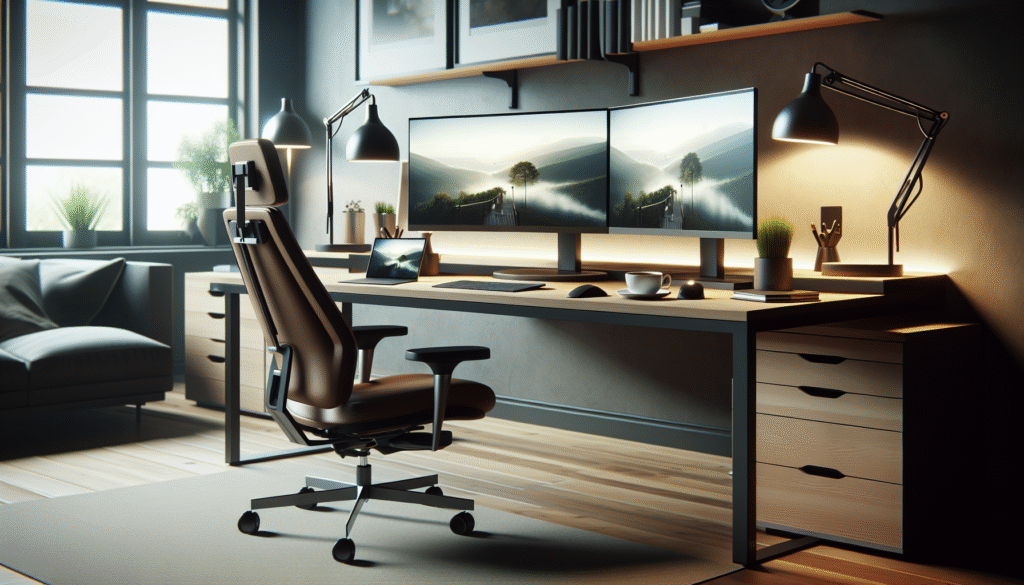
Category Archives: Technology

Enhance Your Wellbeing with Smart Home Health Devices

Discover how smart home health devices can enhance your lifestyle. Explore top gadgets that promote a healthier, more connected living experience.
Have you ever wondered how technology could transform your home into a centre for health and wellness? In the modern world, smart home health devices are revolutionising the way we approach our wellbeing, offering innovative solutions that cater to our individual health needs. As the internet of things continues to evolve, the availability of these devices expands, making it easier than ever to integrate them into everyday life.

The Rise of Smart Home Health Devices

In recent years, there has been a surge in the development of smart home health devices, driven by a growing interest in personal health management and technological advancements. These devices range from fitness trackers and smart scales to air purifiers and sleep monitors, all designed to enhance our everyday lives. They not only provide insights into our health but also empower us to make informed decisions about our wellbeing.

As technology becomes more embedded in our daily routines, it offers a seamless way to track and improve our health. For instance, smart scales now do more than just measure weight; they analyse body composition, offer hydration levels, and sync the data to apps where you can track progress over time. This interconnected environment facilitates a holistic approach to health, integrating data from various sources to provide comprehensive insights.

One of the main benefits of these devices is the convenience they offer. With realtime data and intuitive interfaces, users can easily monitor their health metrics from their smartphones or tablets. Additionally, the ability to connect multiple devices in one ecosystem ensures a cohesive and streamlined experience.

Improving Air Quality and Sleep

Having clean air to breathe is essential for health, and smart air purifiers are playing a crucial role in managing indoor air quality. These devices not only filter out pollutants and allergens but also provide updates on air quality via connected apps, helping users take proactive steps to maintain a healthy home environment.

Sleep is another critical component of overall wellness, and smart sleep monitors are helping users optimise their rest. By tracking sleep patterns, these devices offer insights into sleep quality and duration, allowing for personalised recommendations to improve sleep hygiene. Some even integrate with other smart home systems to adjust lighting and temperature for the ideal sleeping environment.

A New Era in Personal Health Monitoring

Smart home health devices are also paving the way for personalised health monitoring. Wearable devices and homebased health kits provide users with critical information about their health, from heart rate and blood pressure to glucose levels and more. Many of these devices are equipped with AI algorithms that deliver personalised feedback, making it easier to detect anomalies and seek professional advice promptly.

Moreover, the integration of these devices with health apps creates a comprehensive health profile, enabling users to track their progress over time. With datadriven insights, individuals can make informed decisions about their lifestyle choices, diet, and exercise routines, fostering a proactive approach to health management.

Creating a HealthConscious Home

Incorporating smart health devices into the home fosters a culture of health consciousness, encouraging family members to adopt healthier habits. Devices like smart water bottles and fitness equipment help motivate users to stay hydrated and active, contributing to an overall improvement in quality of life.

These technologies also bring families together, allowing them to set collective health goals and support one another’s progress. The convenience and accessibility of these devices mean that everyone, regardless of age or fitness level, can participate in a shared journey towards better health.

Embracing the Future with Smart Technology

As we look to the future, the potential for smart home health devices is vast. Ongoing advancements in AI and machine learning will continue to enhance these technologies, offering even more personalised solutions tailored to individual needs. The integration of voice assistants and wearable tech within the home environment is likely to become more sophisticated, providing intuitive, seamless user experiences.

For those interested in exploring these cuttingedge technologies, there are numerous options available in the market. It’s important to research and choose devices that align with your specific health and lifestyle goals. And remember, while these gadgets offer valuable insights and convenience, they should complement, not replace, professional medical advice.

Top Tips:

1. Identify your health goals to choose the right smart devices.
2. Integrate devices within a single ecosystem for streamlined data.
3. Maintain device connectivity for realtime health updates.
4. Choose devices with userfriendly interfaces for easy monitoring.
5. Regularly update device software for optimal performance.

FAQ:

Q: Are smart home health devices secure?
A: Manufacturers implement security measures, but users should also practice good security habits, like using strong passwords and keeping software updated.

Q: Do these devices replace regular health checkups?
A: No, they provide supplementary data and insights but should not replace professional medical advice or regular health checkups.

Q: Can all family members use the same devices?
A: Yes, many devices accommodate multiple users, but individual accounts may be needed for personalised insights.

Q: Are smart health devices easy to set up?
A: Most are designed for easy setup and intuitive use, often guided by app instructions.

Q: How do I choose the right device for me?
A: Consider your health priorities and research devices that offer the features and measurements you need.

Incorporating smart home health devices into your life can significantly enhance your personal wellness and overall lifestyle. By choosing the right gadgets tailored to your needs, you can foster a healthier, more connected living environment. We would love to hear your thoughts—what smart health devices have you integrated into your home? Share your experiences and insights in the comments below!

And for more personalised assistance, consider exploring a people finder service to connect with health professionals in your area.

For more, see this Wikipedia article on Health.
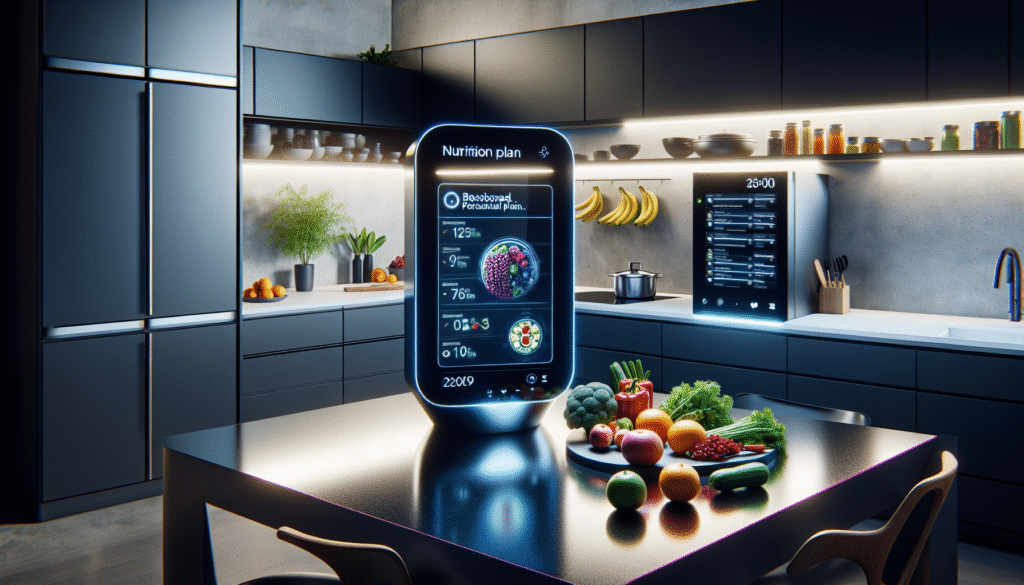
Smarter Eating: AI for Personalised Nutrition Plans

Discover how AI is revolutionising nutrition planning with tailored diet plans to suit your unique health needs and preferences.

Introduction: Can AI Revolutionise How We Eat?

In the everevolving world of technology, have you ever wondered how AI might change your eating habits? Nutrition planning is increasingly becoming a personalised experience, thanks to technological advancements. With artificial intelligence shaping various facets of modern life, it’s no surprise it’s now venturing into the kitchen to offer bespoke dietary solutions. But how exactly does AI achieve this, and what benefits does it bring to the table?

Understanding AI in Nutrition

Artificial intelligence has the remarkable ability to analyse and process vast amounts of data quickly. In the realm of nutrition, AI examines an individual’s health data, dietary preferences, and nutritional needs. By doing so, it crafts personalised nutrition plans that cater to specific requirements. This can include everything from tailoring meals to accommodate allergies and intolerances to optimising nutrient intake for athletic performance.

For those with unique dietary restrictions, AI becomes an invaluable tool. It can sift through myriad food options and create a menu that not only meets dietary guidelines but also caters to personal taste preferences. This customisation ensures individuals are not only eating healthily but enjoying their meals.

AI’s capability extends to continuous learning and improvement. As more data becomes available, the AI system can refine its recommendations, ensuring dietary plans evolve with changing health goals and lifestyles. This dynamism positions AI as a pivotal player in the realm of nutrition.

The Science Behind AIDriven Meal Plans

What makes AIdriven meal planning possible is the integration of machine learning algorithms and nutritional science. These algorithms assess various parameters such as age, weight, activity level, and preexisting health conditions. The outcome is an evidencebased diet plan tailored to an individual’s unique profile.

Furthermore, AI applies predictive analytics to forecast health trends. For instance, if data indicates a potential vitamin deficiency, the AI can suggest food options rich in the required nutrients. This proactive approach not only ensures nutritional adequacy but also contributes to longterm wellness.

AI is also adept at adapting meal plans based on evolving health markers. For example, if a user’s blood pressure changes, the AI can adjust salt intake recommendations accordingly. Such precision is what sets AI apart from generic nutrition advice.

Benefits of AI for Nutrition Planning

There are numerous advantages to using AI for nutrition planning. One of the most significant is personalisation. Unlike traditional methods, AI doesn’t rely on onesizefitsall plans. Instead, it recognises the uniqueness of each individual, offering them flexibility and variety in their diet.

Another benefit is timesaving. With busy schedules, planning meals can be a daunting task. AI takes away this burden by generating meal plans with just a few clicks. This convenience ensures people can maintain a healthy diet without the hassle of daily meal planning.

Moreover, AI fosters a deeper understanding of nutrition. By providing detailed insights and feedback, users become more informed about their dietary choices. This educational component contributes to better longterm eating habits.

Challenges and Considerations

Despite its benefits, integrating AI into nutrition planning isn’t without challenges. One major concern is data privacy and security. Users must share sensitive health information to receive personalised plans, raising questions about how this data is stored and protected.

The accuracy of AI predictions also depends heavily on the quality of data inputted. Inaccurate or incomplete data can lead to suboptimal meal recommendations. Therefore, ensuring the reliability of data collection methods is crucial for effective AI implementation.

Finally, while AI can make recommendations, it lacks the human touch. Sometimes, the nuances of individual experiences and cultural preferences can be lost in algorithmic calculations. Thus, a hybrid approach, combining AI insights with human expertise, may be necessary for the best results.

Top Tips and FAQ

Top Tips:

1. Always verify the source and security of AI tools before sharing personal data.
2. Regularly update your health and dietary information to enhance AI accuracy.
3. Combine AI advice with professional health consultations for comprehensive care.
4. Take advantage of AI’s ability to learn and evolve by setting periodic health goals.
5. Use AI to explore new recipes and diversify your diet.

FAQ:

Q: How does AI gather data for nutrition planning?
A: AI systems use health records, dietary logs, and preference questionnaires to tailor nutrition plans.

Q: Is AI suitable for everyone?
A: While AI offers great benefits, it’s best used alongside professional advice, especially for specific health conditions.

Q: Can AI replace dietitians?
A: AI serves as a complement to professional dietary advice rather than a replacement.

Q: What are the costs associated with AI nutrition planning?
A: Costs vary depending on the service provider and the complexity of the personalised plan offered.

Q: How do I ensure my data’s privacy?
A: Choose AI platforms with robust data protection policies and clear privacy practices.

Conclusion: Embrace the Future of Eating

In conclusion, AI for nutrition planning offers a revolution in how we approach diet and health. By providing personalised, datadriven dietary advice, it helps individuals make smarter choices for their wellbeing. Have you thought about how AI could revolutionise your eating habits? Share your thoughts, and let’s explore the future of nutrition together. Remember, embracing new technology is about enhancing our lives, one meal at a time. Should you need more personalised health advice, consider checking out a people finder to connect with a nutrition expert.

For more, see this Wikipedia article on Fitness.

Managing Digital Stress: Tools for a Healthier Mind

Discover top digital stress management tools to promote mental wellbeing and balance in a techdriven world. Embrace healthy habits for a stressfree life.

Understanding Digital Stress

In our hyperconnected world, digital stress is becoming increasingly prevalent. But what exactly is digital stress, and how does it impact your life? As we navigate the modern landscape brimming with gadgets and constant connectivity, understanding this form of stress is crucial. Digital stress arises from the overwhelming demands and stimuli we encounter daily via our devices, such as endless notifications, emails, and social media updates.

The effects can range from anxiety and sleep disturbances to reduced productivity and impaired relationships. However, by acknowledging the problem and taking proactive steps, you can mitigate digital stress. This article explores digital tools designed to help you regain control and enhance mental balance.

Embracing Mindfulness Apps

Mindfulness apps have emerged as powerful allies in combatting digital stress. These apps provide guided meditation, breathing exercises, and techniques to promote relaxation and focus. A popular choice is Headspace, which offers a vast library of guided sessions tailored to various needs and time frames.

Using mindfulness apps regularly can create a sense of calm and detachment from the digital chaos. They encourage users to take a step back, fostering a more balanced relationship with technology. Additionally, these apps often include features like progress tracking and reminders, helping you stay committed to your wellbeing journey.

Digital Detox: Scheduling Breaks

While technology is indispensable, taking breaks from screens is vital for reducing digital stress. Scheduling regular digital detox sessions can significantly enhance your mental health. Apps like Freedom and Offtime allow you to block distracting websites and apps, promoting focused and productive periods.

During a digital detox, engage in offline activities that promote relaxation and enjoyment. Whether it’s reading a book, going for a walk, or practising a hobby, these activities can enhance your mood and provide muchneeded respite from digital demands. Consistency is key, so integrate these breaks into your daily routine for maximum benefit.

Utilising Stress Tracking Tools

To effectively manage your stress levels, understanding your triggers is essential. Stress tracking tools like the Fitbit Charge series and Apple Watch help monitor physiological signs of stress, such as heart rate variability. By analysing this data, you can identify patterns and factors contributing to your stress levels.

Armed with this information, you can make informed decisions to reduce stressors in your life. Incorporate relaxation techniques, adjust your workload, or seek support when necessary. Stress tracking tools empower you with insights to foster a healthier lifestyle, promoting longterm mental wellbeing.

Enhancing Sleep with Technology

Good sleep is a cornerstone of stress management. Yet, digital devices often disrupt our sleep patterns. Fortunately, technology can also aid in improving sleep quality. Apps like Sleep Cycle and Calm offer features like sleep tracking, relaxing sounds, and bedtime stories to optimise your rest.

Incorporate these tools into your nightly routine, and experiment with different settings to find what works best for you. Prioritising sleep allows your mind and body to recover, significantly reducing digital stress. Remember, a wellrested mind is better equipped to handle daily challenges with resilience and clarity.

Top Tips:

1. Set regular reminders to take screen breaks.
2. Schedule techfree times each day.
3. Utilize apps that promote relaxation and mindfulness.
4. Track your stress levels to identify and manage triggers.
5. Ensure good sleep hygiene by limiting screen time before bed.

FAQ:

Q: What is digital stress?
A: Digital stress arises from the overload of digital interactions and the pressure to stay constantly connected.

Q: How can mindfulness apps help with digital stress?
A: They provide guided techniques to promote relaxation and reduce anxiety caused by digital overexposure.

Q: Why are digital detoxes important?
A: They offer essential breaks from screens, enhancing mental wellbeing and focus.

Q: Can technology improve sleep quality?
A: Yes, sleep apps offer tools like relaxing sounds and tracking to improve sleep patterns.

Conclusion

Digital stress is a byproduct of our techdriven society, but with the right tools, it can be managed effectively. By incorporating mindfulness, scheduling breaks, and using technology to your advantage, you can promote a healthier, more balanced lifestyle. Share your experiences and thoughts on these methods or explore more by using a people finder to connect with those who inspire your journey. What steps will you take today to reduce digital stress? Let us know in the comments!

For more, see this Wikipedia article on Nutrition.

Top Remote Work Gadgets and Home Office Tips

Discover the best gadgets and tips to enhance your remote work experience, creating an efficient and comfortable home office setup.
Have you ever wondered what it takes to create the perfect workfromhome environment? With remote work becoming increasingly popular, setting up an efficient and comfortable home office is crucial. Let’s explore some essential gadgets and tips that can transform your home into a productive workspace.

Essential Gadgets for a Productive Home Office

Investing in the right gadgets can significantly enhance your remote work experience. Consider starting with ergonomic essentials, such as a comfortable office chair that supports your posture throughout the day. Pair this with an adjustable standing desk, which allows you to alternate between sitting and standing, promoting better circulation and reducing fatigue.

Next, look into dual monitors, which can boost productivity by providing ample screen space for multitasking. Additionally, a quality webcam and microphone are indispensable for clear virtual meetings, ensuring you stay connected with colleagues.

Smart lighting solutions, such as adjustable desk lamps with various colour temperatures, can help reduce eye strain and improve focus. Finally, noisecancelling headphones can minimise distractions, allowing you to concentrate on important tasks.

Optimising Your Home Office Layout

Designing a functional home office layout is key to achieving maximum productivity. Start by selecting a quiet location away from household distractions. Natural light is beneficial, so try to position your desk near a window to harness its energising effects.

Keep your workspace organised by using cable management solutions and storage options, such as shelves or filing cabinets, to declutter your desk. A clean environment can boost mental clarity and productivity.

Consider incorporating plants or artwork into your office decor to create an inviting atmosphere. Personal touches can enhance motivation and comfort, making your workspace a reflection of your personality.

Digital Tools for Enhanced Workflow

Selecting the right digital tools can streamline your workflow and improve efficiency. Invest in project management software like Trello or Asana to keep track of tasks and deadlines, fostering better collaboration with remote teams.

Communication platforms, such as Slack or Microsoft Teams, facilitate seamless interaction with colleagues, ensuring you’re always in the loop. For document management, tools like Google Drive or Dropbox offer easy access to files, enabling efficient data sharing and storage.

Time management apps, such as RescueTime, can help monitor productivity and identify areas for improvement. By integrating these digital tools into your routine, you can enhance your remote work experience and maintain a balanced worklife dynamic.

Maintaining Digital Wellbeing

Remote work can blur the boundaries between personal and professional life, making it essential to prioritise digital wellbeing. Begin by setting clear work hours and communicate these boundaries with household members to minimise interruptions.

Incorporate regular breaks into your schedule to avoid burnout and maintain focus. Techniques like the Pomodoro Technique, which involves working in short bursts followed by brief rests, can improve productivity.

It’s also vital to stay connected with colleagues on a personal level. Virtual social interactions can help combat feelings of isolation, fostering a sense of community and support within your remote team.

Top Tips and FAQs

Top Tips:

Invest in ergonomic furniture to support physical health.
Create a clutterfree environment to boost mental clarity.
Utilise digital tools to streamline communication and workflow.
Prioritise digital wellbeing by setting boundaries and taking breaks.

FAQ:

Q: What are the most important gadgets for a home office?
A: Essential gadgets include ergonomic furniture, dual monitors, noisecancelling headphones, and smart lighting solutions.

Q: How can I create a productive home office environment?
A: Choose a quiet location with natural light, keep your workspace organised, and incorporate personal touches for comfort and motivation.

Q: Which digital tools are recommended for remote work?
A: Tools like Trello, Slack, Google Drive, and time management apps can enhance productivity and workflow.

Conclusion

Creating the perfect remote work environment involves selecting the right gadgets, optimising your layout, and prioritising digital wellbeing. As you adapt your home office to suit your needs, consider how these changes impact your productivity and worklife balance. What gadgets and tips do you find essential for your remote work success? Share your thoughts and experiences with us! Don’t forget to check out how a people finder can assist in enhancing your professional network.

For more, see this Wikipedia article on Biohacking.

Wearable Tech: Transforming Sports Performance

Discover how wearable tech is reshaping the sports world by enhancing performance, monitoring health, and providing valuable data insights for athletes.

Introduction: How is Wearable Tech Shaping Sports?

Have you ever wondered how athletes continue to push their limits and redefine what’s possible in sports? The secret may lie in wearable tech. Today, wearable technology is not just a trend; it is an integral part of an athlete’s toolkit, offering insights that were once unimaginable. From tracking health metrics to analysing performance, wearable tech is transforming the way sports are played and monitored.

The Rise of Wearable Technology in Sports

Over the past decade, wearable technology has seen unprecedented growth. Initially introduced as simple pedometers, these devices have evolved into sophisticated gadgets that can measure everything from heart rate and oxygen levels to sleep patterns and muscle activity. Athletes and coaches now rely on this cuttingedge technology to optimise performance and reduce injury risk.

One key area where wearable tech has made a significant impact is in realtime data collection. Devices like smartwatches and fitness trackers provide athletes with immediate feedback, allowing for quick adjustments and strategic planning. This constant flow of information is invaluable for finetuning training regimens and enhancing overall performance.

Moreover, the accessibility of data provided by these gadgets has revolutionised the way coaches and trainers monitor athlete progress. By utilising detailed analytics, they can identify areas of improvement, tailor training programs, and make datadriven decisions for each individual athlete.

Enhancing Sports Performance with Smart Gear

Imagine a world where clothing does more than just cover your body. In sports, smart clothing has become a gamechanger. Embedded with sensors, these garments collect data on movement and exertion, offering insights into an athlete’s biomechanics. This information helps detect inefficiencies and correct form, ultimately improving performance.

In addition to clothing, headgear equipped with sensors plays a crucial role in sports like American football and rugby. By monitoring impacts, these devices provide essential data to help prevent concussions and other injuries, ensuring player safety is always a priority.

Furthermore, the integration of augmented reality (AR) into smart glasses offers athletes a new dimension of training. By overlaying virtual information into realworld settings, athletes can practice drills and hone skills with enhanced visualisation, all in realtime.

Health Monitoring for Peak Performance

Maintaining optimal health is vital for any athlete, and wearable tech is at the forefront of health monitoring. Devices such as heart rate monitors and electrocardiogram (ECG) sensors help athletes keep track of their cardiovascular health, alerting them to potential issues before they escalate.

In addition to cardiovascular monitoring, hydration levels are crucial for maintaining performance, particularly in endurance sports. Wearable hydration trackers inform athletes of their fluid needs, preventing dehydration and enhancing stamina during competitions.

Sleep is another critical factor in athletic performance, and wearable sleep monitors offer insights into sleep quality and recovery. By understanding their sleep patterns, athletes can make necessary lifestyle adjustments to ensure they wake up refreshed and ready to perform.

Challenges and Future Prospects of Wearable Tech in Sports

While the benefits of wearable tech in sports are vast, there are challenges to consider. Data privacy and security are significant concerns, as personal health information must be protected to prevent misuse. Additionally, the accuracy of these devices can vary, making it essential for athletes to choose the right technology for their needs.

Looking to the future, the potential for wearable tech is limitless. As technology continues to advance, we can expect more seamless integration of devices into everyday athletic gear. This will likely lead to even more personalised and effective training programs, pushing the boundaries of human performance.

Top Tips: Embracing Wearable Tech in Sports

Start with a reliable and reputable brand for accurate data.
Ensure your chosen device suits your specific sport and training needs.
Regularly update your device’s software for optimal performance.
Use the data to make informed decisions about your health and training routines.
Consider privacy settings to protect your personal information.

FAQ: Wearable Tech in Sports

Q: How do wearable devices improve athletic performance?
A: Wearable devices provide realtime data and insights that help athletes adjust their training and optimise their performance.

Q: Are there any risks associated with using wearable tech in sports?
A: While generally safe, concerns include data privacy and the accuracy of the information provided by these devices.

Q: Can wearable tech prevent sports injuries?
A: Yes, by monitoring physical activity and providing data on exertion levels, wearable tech can help in reducing the risk of injuries.

Q: What sports benefit most from wearable tech?
A: Almost all sports can benefit, especially those focusing on endurance, agility, or impact sports.

Q: Can wearable technology replace traditional coaching?
A: No, it complements traditional coaching by providing additional data that can enhance training strategies.

Conclusion: The Future of Sports is Here

Wearable technology is undoubtedly changing the landscape of sports, providing athletes with the tools they need to excel. Whether you’re a professional athlete or an enthusiast, incorporating wearable tech can elevate your game to new heights. What aspect of wearable tech intrigues you the most? Share your thoughts and experiences, and let us know if you’ve tried any wearable tech in your athletic journey.

For more insights like these, you might find our people finder tool helpful.

Engage with the revolution of wearable technology and redefine your limits in the world of sports.

For more, see this Wikipedia article on Fitness.

Discovering Smart Wellness Through Meditation

Explore the fusion of meditation and smart wellness. Learn how technology enhances relaxation, mindfulness, and holistic health with our comprehensive guide.

Introduction: What is Smart Wellness?

Are you curious about how technology is revolutionising the way we achieve wellness in our daily lives? The quest for relaxation and mental clarity is ageold, yet modern technology is reshaping how we approach these ancient practices. In the bustling pace of today’s world, smart wellness tools aim to offer mindfulness and peace through innovative tech solutions. From adaptive meditation apps to smart home devices tailored for relaxation, this guide will delve into the fascinating realm of meditation within the context of smart wellness.

The Rise of Meditation Apps

In recent years, meditation apps have surged in popularity. Why, you might ask? These applications provide personalised guidance, making meditation accessible and adaptable to various lifestyles. Using advanced algorithms, apps like Calm and Headspace curate meditation sessions that cater to individual needs, whether you’re a beginner or an experienced practitioner.

Moreover, these apps utilise data analytics to refine their offerings. By tracking user patterns, they suggest meditation practices that best align with personal stress levels, sleep schedules, and emotional states. This kind of customised experience enhances adherence and maximises benefits, embedding mindfulness seamlessly into daily routines.

TechEnhanced Meditation Devices

Beyond apps, there are now devices specifically designed to elevate your meditation practice. Smart meditation cushions, for example, integrate biometric sensors to monitor your posture and breathing. By providing realtime feedback, these devices guide users toward optimal meditation postures, improving comfort and focus.

Similarly, smart lighting systems can create ambient environments conducive to relaxation. By simulating natural light cycles, they aid in setting the mood for meditation, synchronising your body’s circadian rhythms with your meditation practice. Ultimately, these devices promote a holistic approach to achieving mental clarity and relaxation.

Home Integration: Creating a Smart Sanctuary

Transforming your home into a sanctuary for relaxation is now more achievable with the integration of smart wellness technology. Smart speakers and virtual assistants can play calming sounds or guided meditation sessions at your command, promoting a calming atmosphere whenever desired.

Additionally, smart air purifiers help maintain indoor air quality, which is crucial for meditation practices. Clean air supports better breathing during meditation, fostering a serene and healthy environment. By incorporating these technologies, you cultivate a space that supports both your physical and mental wellbeing.

EcoFriendly Tech in Wellness

As we embrace smart wellness, it’s essential to consider the environmental impact of these technologies. Many tech companies are now focusing on sustainability, developing devices with ecofriendly materials and energyefficient designs. This alignment with ecoconscious practices ensures that our pursuit of wellbeing does not come at the planet’s expense.

Choosing products that prioritise energy efficiency and sustainable resources can contribute significantly to reducing your carbon footprint. Thus, smart wellness becomes not only a personal journey but a communal effort towards a healthier planet.

Top Tips: Maximising Your Meditation Practice

Start small: Begin with short meditation sessions and gradually increase the duration as you become more comfortable.
Consistency is key: Incorporate meditation into your daily schedule to build a habit.
Use smart tech wisely: Leverage technology to aid, not replace, personal meditation techniques.
Create a dedicated space: Establish a meditation zone in your home to facilitate focus and relaxation.
Be patient: Meditation benefits develop over time, so allow yourself the grace of gradual progress.

FAQ

What is smart wellness?

Smart wellness refers to the use of technology to enhance mental, physical, and emotional wellbeing.

How do meditation apps work?

Meditation apps use customisable content and data analytics to tailor sessions that match individual wellness goals.

Can technology really improve meditation?

Yes, by providing personalised guidance and creating environments that support mindfulness practices.

Is smart wellness environmentally friendly?

Many smart wellness devices are now made with ecofriendly materials and energyefficient technologies, promoting sustainability.

Conclusion: Embrace Smart Wellness

As you explore the world of smart wellness, consider how embracing these technologies can enhance your meditation practice and, by extension, your overall wellbeing. Share your experiences or questions in the comments below—how has smart wellness technology impacted your life? Are you ready to integrate these innovations into your routine for a more mindful and balanced lifestyle? Discover the peaceful possibilities that await in this digital age, and if you’re curious about finding tools and communities that support your journey, check out our people finder resource.

For more, see this Wikipedia article on Technology.

Tech Tools to Elevate Personal Development

Discover how modern technology can revolutionise personal development, offering tools and apps for growth, mindfulness, and a more fulfilling life.
Have you ever wondered how technology can help you unlock your full potential? In today’s fastpaced world, personal development is more important than ever. With modern technology, there are countless ways to enhance your growth journey. From mindfulness apps to productivity tools, tech is reshaping how we improve ourselves. Let’s explore how to leverage these innovations for a more fulfilling life.

Embracing Mindfulness through Apps

Mindfulness is a key component of personal development, offering numerous benefits for mental health and overall wellbeing. Thankfully, technology has made mindfulness accessible to everyone, regardless of their schedule or experience level. Apps like Headspace and Calm provide guided meditations, sleep stories, and breathing exercises, making it easy to incorporate mindfulness into your daily routine.

Moreover, these apps often feature reminders and prompts to encourage consistency, helping users develop a regular mindfulness practice. With a smartphone in hand, you can pause and centre yourself, whether you’re at home or on the go. As a result, you’ll find it easier to manage stress, increase focus, and cultivate a more positive mindset.

Boosting Productivity with Smart Tools

In the realm of personal development, boosting productivity is a top priority for many. Technology offers a plethora of tools designed to enhance focus and maximise efficiency. Apps like Todoist and Trello are perfect for managing tasks and projects, while tools like Forest help maintain concentration by gamifying the experience.

Smart devices also play a crucial role in enhancing productivity. For example, voiceactivated assistants like Amazon Alexa or Google Assistant can set reminders, answer questions, and even control your smart home devices, streamlining your daytoday tasks. By integrating these tools into your routine, you’ll have more time and energy for activities that truly matter.

Learning and Skill Development

With the vast amount of information available online, technology has turned the world into a classroom. Platforms like Coursera, Khan Academy, and Duolingo offer free or affordable courses on a wide range of subjects, allowing individuals to learn new skills and gain knowledge at their own pace.

Engaging in continuous learning not only enhances your personal development but also opens up new career opportunities. Whether you’re exploring a new hobby, such as coding or photography, or seeking to advance professionally, these platforms provide the resources needed to achieve your goals. The convenience of online learning ensures that education is accessible anytime, anywhere.

Achieving WorkLife Balance with Tech

Balancing work and personal life is essential for overall wellbeing, yet it’s often a challenge for many. Fortunately, technology can help achieve this balance. Tools like Slack and Zoom facilitate remote work, allowing for greater flexibility and autonomy. By leveraging these platforms, you can create a work environment that suits your lifestyle.

In addition, apps like RescueTime analyse your online habits, providing insights into how you spend your time. This awareness enables you to make adjustments, ensuring you allocate enough time for both work and leisure activities. By embracing these tools, you can achieve a more harmonious and productive life.

Staying Connected and Building Relationships

Building and maintaining relationships is a critical aspect of personal development. Modern technology has revolutionised the way we connect with others, making it easier to nurture friendships and professional networks. Social media platforms like LinkedIn and Facebook enable users to stay in touch with friends and colleagues, regardless of distance.

Additionally, video conferencing tools have become indispensable in both personal and professional settings. Platforms like Zoom and Microsoft Teams allow for facetoface communication, bridging the gap created by physical separation. By staying connected, you can foster meaningful relationships, which are vital for emotional wellbeing and personal growth.

Top Tips:

1. Start with one or two apps and gradually expand your digital toolkit.
2. Set reminders for mindfulness practices to ensure consistency.
3. Use productivity tools to organise tasks and keep track of progress.
4. Schedule regular learning sessions and explore various online platforms.
5. Prioritise worklife balance by setting clear boundaries and using tech wisely.

FAQ:

Q: How can I choose the right tech tools for personal development?
A: Consider your goals and identify areas where you need support. Start with apps that align with your objectives and gradually experiment with different tools to find what works best for you.

Q: Can technology replace traditional personal development practices?
A: While technology can enhance personal development, traditional practices like reading and inperson interactions remain valuable. Use technology as a complement to these existing methods.

Q: How can I maintain digital wellbeing while using tech for personal growth?
A: Set boundaries for tech use, schedule regular breaks, and practice mindfulness to ensure a balanced approach to digital wellbeing.

In conclusion, modern technology offers a plethora of opportunities to enhance personal development. By embracing these tools, you can unlock your potential, improve your wellbeing, and lead a more fulfilling life. What tech tools have you found most helpful? How do you incorporate them into your personal growth journey? Let us know in the comments below. For more tips on connecting with others, consider using a people finder to expand your network and nurture meaningful relationships.

For more, see this Wikipedia article on Wellness.

Healthy Cooking with Innovative Tech Gadgets

Discover how tech gadgets are transforming healthy cooking, making nutritious meals more accessible and enjoyable.

Embracing Technology in Your Culinary Journey

Have you ever wondered how technology could revolutionise your cooking habits, making them healthier and more efficient? In a world where technology influences every aspect of our lives, the kitchen is no exception. Modern tech gadgets are reshaping the way we approach cooking, offering innovative solutions to enhance our culinary experiences and promote a healthier lifestyle.

The integration of technology into cooking not only saves time but also encourages creativity and precision. From smart appliances to wearable nutrition trackers, the possibilities are endless. These gadgets are designed to empower users to make informed choices, simplify complex tasks, and ultimately enjoy the process of creating meals that are as nutritious as they are delicious.

Exploring Smart Kitchen Appliances

Smart kitchen appliances are at the forefront of this culinary transformation. Imagine having a refrigerator that not only keeps your food fresh but also suggests recipes based on the ingredients available. Or a blender that adjusts its speed based on the type of ingredients you are blending. These appliances are equipped with sensors and connectivity features that allow them to communicate with each other, providing a seamless cooking experience.

One such innovation is the smart oven, which can be controlled via a smartphone app. It allows you to preheat the oven before you even get home, ensuring that your dinner is ready when you are. Moreover, smart ovens come with preprogrammed settings for different types of dishes, guaranteeing perfect results every time.

The Role of Wearable Devices in Nutrition

Wearable devices have taken the fitness world by storm, and now they’re making their way into the kitchen. These devices provide valuable insights into your dietary habits, helping you track your calorie intake and nutrient levels. This information can be pivotal in planning meals that meet your nutritional needs.

For instance, a nutritional wristband can synchronise with a mobile app to offer personalised meal recommendations. By using a database of food items and their nutritional values, the app helps you select ingredients that align with your dietary goals. This is particularly beneficial for individuals with specific dietary requirements or those looking to improve their health through mindful eating.

Enhancing Meal Preparation with Tech Gadgets

Meal preparation doesn’t have to be a tedious chore. With the right tech gadgets, it can become a rewarding experience that brings out your inner chef. Devices like electric pressure cookers, sousvide machines, and induction cooktops have transformed the cooking landscape, offering precision and convenience.

Electric pressure cookers, for example, can reduce cooking time significantly while retaining the nutrients in food. They are perfect for preparing wholesome meals on busy weeknights. Similarly, sousvide machines allow for precise temperature control, ensuring that your meats and vegetables are cooked to perfection.

EcoFriendly Cooking: A Sustainable Approach

Sustainability is a key consideration in today’s world, and cooking is no exception. Ecofriendly tech gadgets not only promote a healthier lifestyle but also contribute to environmental conservation. Induction cooktops, for instance, are energyefficient and reduce cooking time, leading to lower energy consumption.

Moreover, smart dishwashers and refrigerators come with energysaving modes, minimising their environmental impact. These appliances help you make ecoconscious choices in the kitchen, aligning with your values and the global push for sustainability.

Top Tips and FAQs

Top Tips:

Invest in smart appliances that fit your cooking needs.
Use wearable devices to monitor your nutrition and adjust your diet accordingly.
Learn to operate new gadgets with tutorials and apps for a smoother experience.
Experiment with recipes to fully utilise your tech gadgets.
Opt for ecofriendly appliances to support sustainability.

FAQ:

Q: Are smart kitchen appliances expensive?
A: While some may have a higher upfront cost, they offer savings in time and energy efficiency in the long run.

Q: How can wearable devices help in cooking?
A: They track your dietary intake and offer personalised meal suggestions based on your nutritional needs.

Q: Are ecofriendly appliances truly effective?
A: Yes, they are designed to reduce energy consumption and environmental impact without compromising performance.

Conclusion: Transform Your Kitchen Today!

As we embrace technology in every facet of life, the kitchen stands as a beacon of innovation and modernity. With the advent of smart appliances and wearable devices, healthy cooking has never been more accessible or exciting. Begin your culinary transformation today and enjoy the benefits of a techenhanced lifestyle. What tech gadgets are you eager to try in your kitchen? Share your thoughts and experiences with us! And if you’re curious about finding more ways to connect with modern technology, explore the people finder for further inspiration.

For more, see this Wikipedia article on Health.

Manage Screen Time for Optimal Wellbeing

Discover effective strategies for managing screen time across all ages to ensure digital wellbeing and a healthier lifestyle.
Have you ever wondered how much screen time is too much? In our digitallydriven world, screens are an integral part of daily life, from work and education to leisure activities. Yet, with benefits come challenges, particularly in managing screen time effectively across different age groups. Understanding the impact of screen usage on our health and wellbeing is essential for fostering a balanced lifestyle.

The Impact of Screen Time on Health

Screen time has become ubiquitous in our modern lifestyle. But what does science say about its impact on our health? Prolonged exposure to screens can lead to several health issues, such as eye strain, sleep disruption, and reduced physical activity. These effects are not limited to adults; children and teenagers are also susceptible.

Research indicates that blue light emitted by screens can interfere with the production of melatonin, the hormone that regulates sleep. This can result in poor sleep quality, affecting mood and productivity. Moreover, excessive screen time can contribute to a sedentary lifestyle, leading to an increased risk of obesity and related health problems.

Digital wellbeing involves finding harmony between online and offline activities. It’s crucial to establish boundaries to mitigate these health risks. Regular screen breaks, conscious usage of technology, and encouraging outdoor activities can significantly improve overall wellbeing.

Screen Time Guidelines by Age Group

Managing screen time starts with understanding the recommended guidelines for different age groups. For young children, the emphasis is on interactive play and social interactions. The World Health Organisation suggests avoiding screens for children under two years, except for video chatting.

For schoolaged children and teenagers, it is advisable to limit recreational screen time to two hours a day. Encouraging educational and creative screen usage can be beneficial, but balance is key. Adults should also be mindful of their screen habits, especially when it comes to workrelated usage.

Creating a family media plan can aid in setting appropriate boundaries and ensuring everyone adheres to healthy screen time limits. This plan should be flexible, adjusting as children grow and technology evolves.

Balancing Screen Time with Physical Activity

Integrating physical activity with screen time management is crucial for holistic health. Engaging in regular exercise not only combats the sedentary nature of screen usage but also boosts mental health. Encourage active screen interactions by participating in physical video games or utilising fitness apps.

Parents can set an example by prioritising physical activities, such as walking, biking, or playing sports as a family. Outdoor excursions and nature activities not only limit screen usage but also create lasting memories and skills. Balance can be achieved through structured schedules that allocate specific times for screen use and physical activities.

Strategies for Reducing Screen Dependency

In a world driven by constant connectivity, reducing screen dependency is challenging yet achievable. Start by assessing current screen habits and identifying patterns that need adjustment. Setting noscreen zones or times, especially during meals and before bed, can significantly reduce dependency.

Encouraging hobbies and offline activities is beneficial. Art, music, reading, and sports offer diverse experiences that enrich life beyond screens. Reducing notifications and managing digital distractions can also promote focused, quality screen time.

Technology itself can aid in managing screen time. Many devices offer features that track usage and enforce limits. Utilising these tools can help individuals and families make informed decisions about their screen habits.

Top Tips:

Set clear boundaries and stick to screen time limits.
Create a family media plan that involves all members.
Promote activities that balance physical and online interactions.
Utilise apps and device settings to monitor and control screen use.
Lead by example and foster an environment supportive of healthy digital habits.

FAQ:

1. What is the recommended screen time for adults?
Adults should aim for balanced screen time with regular breaks, particularly if extended screen use is workrelated.

2. How can I reduce my child’s screen time?
Encourage alternatives like outdoor play, puzzles, and reading, and set clear screen time boundaries.

3. Can technology help in managing screen time?
Yes, many apps can track and limit screen time to aid in better management.

4. What are some signs of excessive screen time?
Symptoms include eye strain, sleep disturbances, and decreased physical activity.

Conclusion

Managing screen time for all ages is about finding the right balance and cultivating healthy digital habits. As screens continue to be a major part of our lives, it’s essential to navigate their usage thoughtfully. What are your current screen time habits, and how might you improve them for a healthier lifestyle? Please share your thoughts and strategies in the comments below. For detailed advice on fostering healthier screen habits, consider using resources such as people finder tools to connect with experts in digital wellbeing.

For more, see this Wikipedia article on Meditation.

Innovative Gadgets for Your Pet’s Wellbeing

Discover the latest pet health and wellness gadgets designed to enhance your furry friend's life, from smart collars to interactive toys.
Have you ever wondered how technology can improve your pet’s life? As the world of gadgets and smart living advances, pet owners are increasingly turning to innovative solutions for their furry friends’ wellbeing. In this article, we’ll explore some of the latest pet health and wellness gadgets that can bring a new level of care and joy to your pets.

Smart Collars: More Than Just a Stylish Accessory

Smart collars have taken the pet world by storm. These gadgets do more than just make your pet look trendy. Equipped with GPS tracking, activity monitoring, and even health insights, smart collars are a gamechanger for pet owners. They allow you to keep track of your pet’s location, ensuring their safety and giving you peace of mind.

But that’s not all—some smart collars also monitor your pet’s activity levels, helping you to ensure they’re getting the exercise they need. By providing insights into their health, such as heart rate and calories burned, you can tailor activities to match your pet’s needs, keeping them healthy and happy.

Moreover, these collars often come with mobile apps, allowing you to access all this information with ease. Whether you’re at work or on holiday, you’ll always know how your pet is doing. It’s truly a revolutionary way to care for your pet.

Interactive Toys: Keeping Your Pet Engaged

Boredom can be a significant issue for pets, leading to unwanted behaviour and stress. Interactive toys are a fantastic solution to this problem. Designed to stimulate your pet’s mind and keep them active, these toys can provide endless entertainment.

From treatdispensing puzzles to motionactivated lasers, interactive toys cater to a variety of interests. They can keep your pet engaged for hours, whether they’re home alone or you just need a break. These gadgets not only entertain but also promote physical activity, ensuring a healthy lifestyle for your furry companion.

Furthermore, many interactive toys come with adjustable settings, allowing you to modify the difficulty level as your pet’s skills improve. This adaptability ensures that your pet remains challenged and entertained over time.

Health and Nutrition Trackers: Monitoring Your Pet’s Wellbeing

Just like humans, pets can benefit from keeping track of their health and nutrition. Health and nutrition trackers are becoming increasingly popular among pet owners who seek to optimise their pet’s diet and overall wellbeing.

These trackers can monitor your pet’s weight, calorie intake, and physical activity, offering personalised recommendations for improving their health. By analysing this data, you can make informed decisions about your pet’s diet, helping them maintain a healthy weight and avoid issues such as obesity.

Moreover, some advanced trackers even provide alerts for potential health issues, allowing you to address them before they become serious. This proactive approach ensures your pet stays healthy and happy.

Pet Surveillance Cameras: Keeping an Eye on Your Loved One

For pet owners who spend long hours away from home, pet surveillance cameras offer valuable peace of mind. These devices allow you to watch over your pet remotely, ensuring they are safe and comfortable while you’re away.

Many cameras come equipped with twoway audio, letting you talk to your pet and hear them in return. This interaction can help alleviate separation anxiety, providing comfort to both you and your pet. Some cameras even come with treat dispensers, so you can reward your pet for good behaviour from afar.

By using a pet surveillance camera, you can ensure your pet is safe and happy, no matter where you are.

Top Tips:

1. Choose gadgets that suit your pet’s specific needs and personality.
2. Keep gadgets updated to ensure they function correctly.
3. Use gadgets as a supplement to, not a replacement for, quality time with your pet.
4. Research product reviews to ensure you invest in reliable devices.

FAQ:

1. How do smart collars help in monitoring my pet’s health?
Smart collars offer features like GPS tracking, activity monitoring, and health insights, helping you keep track of your pet’s wellbeing and safety.

2. Are interactive toys suitable for all pets?
Yes, interactive toys come in various types, making them suitable for most pets. It’s important to choose toys that match your pet’s size and activity level.

3. Can pet surveillance cameras help with separation anxiety?
Yes, twoway audio cameras allow you to communicate with your pet, offering comfort and reducing anxiety when you’re not home.

In conclusion, pet health and wellness gadgets offer incredible benefits for both pets and owners. By incorporating these technological innovations into your daily routine, you can enhance your pet’s quality of life and ensure their wellbeing. What gadgets have you tried for your pet? Share your experiences in the comments below!

people finder can help you connect with local pet communities to discuss these gadgets.

For more, see this Wikipedia article on Meditation.