Tag Archives: tech trends

Discover the Future: Home Automation for Comfort and Secu…

Explore how home automation enhances safety, comfort, and efficiency while revolutionising modern living. Discover practical tips for a smarter home today.
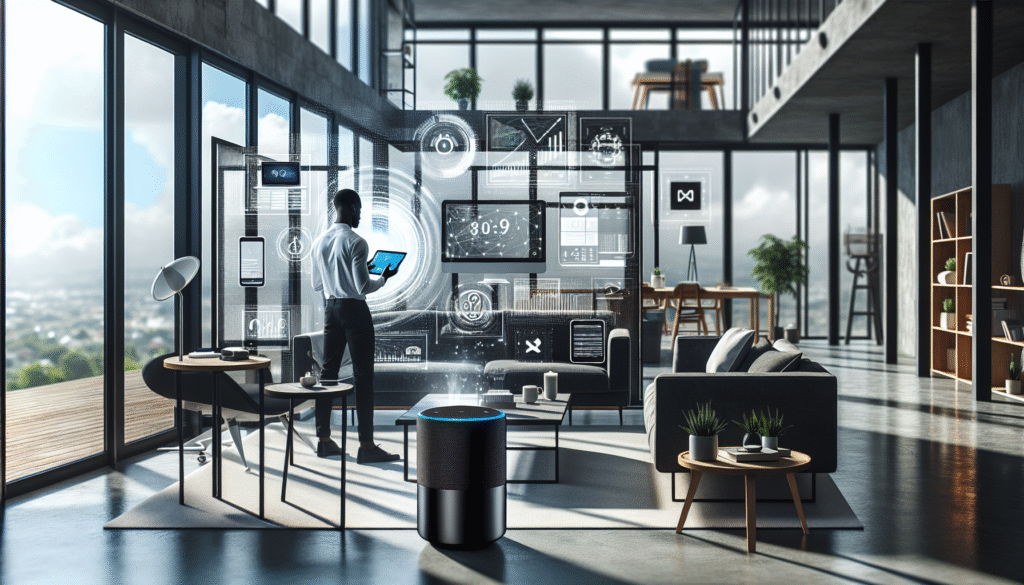
Are you considering how to make your living space more secure and comfortable? Home automation might just be the answer. As the world rapidly embraces technology, our homes are transforming into smarter, more efficient havens. In this article, we’ll explore how home automation can enhance your comfort and security while revolutionising modern living.

The Rise of Home Automation

In recent years, home automation has transcended being a futuristic concept to become a practical and essential part of our daily lives. The integration of smart technology into our homes not only simplifies tasks but also enhances the overall quality of life. With increasing affordability and accessibility, more households are jumping onto the smart home bandwagon.

Many homeowners are now investing in systems that allow them to control everything from lighting and temperature to security and entertainment, all via their smartphones. This level of control ensures that our homes are not only more convenient but also more energyefficient. Moreover, the peace of mind that comes with automated security features cannot be understated.

Enhancing Security with Smart Solutions

Security is a paramount concern for any homeowner. The advent of home automation offers a plethora of options to fortify your abode effectively. Smart locks, for instance, can allow you to control access remotely, while video doorbells offer realtime surveillance of your doorstep. In addition, integrated security cameras and motion detectors provide comprehensive monitoring, ensuring that you are always aware of any unusual activity.

The beauty of these systems lies in their customisability. Users can set alerts and automate responses, such as activating lights when motion is detected, to deter potential intruders. Advanced systems can also integrate with local authorities, providing an extra layer of security.

Comfort Beyond Imagination

While security is crucial, comfort plays an equally significant role in home automation. Imagine walking into a room where the lights automatically adjust to your preference, or waking up to the perfect temperature. Smart thermostats, automated lighting, and voicecontrolled assistants bring a personalised touch to living spaces, adapting to your habits and routines effortlessly.

These technologies do more than just enhance comfort—they contribute to energy savings by optimising the usage of different devices. For example, smart thermostats can learn your schedule, ensuring that energy is not wasted on heating or cooling an empty home.

Integrating Entertainment and Lifestyle

Home automation is not just about security and comfort—it’s also about enhancing your lifestyle. Smart home entertainment systems can synchronise with your devices, offering seamless control over your media consumption. Whether it’s streaming music, managing your favourite shows, or setting the perfect ambience for a gathering, these systems make it easy and enjoyable.

Furthermore, the integration of smart kitchens is revolutionising how we cook and eat. From smart fridges that suggest recipes based on ingredients you have, to appliances you can control with your voice, the culinary possibilities are endless.

Practical Steps to Automate Your Home

Embracing home automation doesn’t mean you need to overhaul your entire household overnight. Begin by identifying areas in your home that could benefit most from automation. Are security and surveillance your top priority, or are you looking for convenience and energy efficiency? Once you have a clear idea, invest in devices that align with your needs.

Start small with devices like smart plugs or bulbs, and gradually integrate more advanced systems such as security cameras and smart thermostats. Always ensure that your devices are compatible with each other, and consider consulting professionals if you wish to implement a comprehensive system.

Top Tips:

Begin with simple devices like smart plugs or bulbs and expand gradually.
Ensure compatibility between devices for seamless integration.
Prioritise your needs: security, convenience, or energy efficiency.
Stay updated with the latest smart home trends for optimal solutions.
Consider professional installation for complex systems.

FAQ:

Q: How expensive is it to automate a home?
A: Costs vary, but starting small with essential devices can be budgetfriendly. Full home automation systems can be more costly.

Q: Are smart home devices secure?
A: Yes, but it’s important to keep software updated and use strong passwords for added protection.

Q: Can I control my smart home remotely?
A: Most systems offer remote control via smartphone apps, allowing you to manage your home from anywhere.

Q: What if a device stops working?
A: Most smart home devices come with warranties and support services for troubleshooting.

In conclusion, delving into home automation opens up a world of possibilities for enhancing comfort and security in your living space. Whether you’re looking to streamline daily routines or bolster your home’s defences, smart technology provides a versatile solution. What aspects of your home would you like to automate first? Share your thoughts and experiences, and consider exploring a people finder here to connect with others who share your interests.

For more, see this Wikipedia article on Fitness.

Enhance Comfort and Security with Home Automation

Discover how home automation can improve your comfort and security. Explore the latest trends and tips for a smarter, safer home environment.

What is Home Automation?

Are you intrigued by how technology can make your home more comfortable and secure? Home automation is transforming the way we interact with our living spaces. By integrating smart technology into everyday tasks, we can enhance convenience, safety, and efficiency in our homes.

Home automation involves the use of internetconnected devices to manage and control household systems like lighting, heating, security, and entertainment. These devices are often controlled via apps on smartphones or by voice commands through smart speakers, making them userfriendly and accessible to all age groups.

The essence of home automation lies in its ability to seamlessly integrate into your daily routines, offering a level of personalisation that traditional systems can’t match. Whether it’s adjusting the thermostat from across the room or checking security cameras while on holiday, automation brings comfort and peace of mind right to your fingertips.

The Rise of Smart Security Systems

A major component of home automation is security. With advanced smart security systems, homeowners can monitor their properties in realtime, receive alerts of suspicious activities, and even simulate their presence when away, deterring potential intruders.

Modern security systems include smart cameras, video doorbells, and motion sensors that integrate seamlessly with your smartphone. This technology not only records footage but also provides instant alerts, enabling homeowners to act swiftly in case of any anomalies. For instance, the integration of AI allows these systems to distinguish between common movements, like a pet moving around, and potential threats.

Moreover, smart locks and access control systems have redefined traditional locks. You can now control entry to your home from anywhere in the world, thus assuring that your home is safe while you are away. These features, combined with a userfriendly interface, ensure that smart home security systems not only safeguard your home but do so with ease and efficiency.

Comfort at Your Command

Aside from enhancing security, home automation significantly boosts comfort within the home environment. Imagine controlling the ambiance of your living space at the touch of a button. Smart lighting systems allow you to set the mood by adjusting the brightness and colour of your lights according to your preferences or even the time of day.

Smart thermostats, another component of home automation, learn your schedule and temperature preferences, adjusting automatically to provide optimal comfort while maximising energy efficiency. This not only keeps your home cosy but also results in significant savings on energy bills.

Voicecontrolled devices further enhance convenience by allowing you to manage your home effortlessly. From playing your favourite music to getting weather updates or controlling other smart devices, voice assistants like Alexa or Google Home make it all possible without lifting a finger.

Building a Smarter Ecosystem

Creating a cohesive smart home ecosystem is key to maximising the benefits of home automation. When your devices communicate and collaborate, the experience is seamless. Integrating products from different brands can sometimes pose a challenge; however, many devices today are designed to be compatible with major smart home hubs.

For instance, linking your smart lights with your security system can create scenarios where lights turn on automatically when motion is detected outside. This not only provides security but also convenience as you arrive home. Similarly, connecting your smart thermostat with your home schedule can ensure a warm welcome during winter evenings without wasting energy during the day.

Incorporating smart appliances in the kitchen and living spaces, like connected refrigerators or entertainment systems, further enhances the modern living experience by incorporating efficiency and connectivity into daily routines.

Top Tips:

Start small: Gradually integrate smart devices to find what best suits your needs.
Prioritise security: Choose systems with encrypted connections to protect personal data.
Ensure compatibility: Use devices that work together for a seamless smart home experience.
Keep software updated: Regular updates ensure your devices run efficiently and securely.
Utilise voice control: Enhance convenience by setting up voice commands for routine tasks.

FAQ:

What is home automation?

Home automation refers to using smart devices to control and automate household systems like lighting, heating, and security, typically via apps or voice control.

Are smart security systems worth it?

Yes, they provide enhanced security, allowing remote monitoring and realtime alerts, which can deter potential intrusions and increase safety.

How can home automation save energy?

Automated systems like smart thermostats and lighting optimise energy usage by adjusting to your schedule and preferences, reducing wastage and costs.

Is home automation expensive?

Initial costs can vary, but starting with essential devices and gradually expanding allows for budgetfriendly automation that offers longterm savings.

Can I automate my home myself?

Yes, many devices are designed for easy doityourself installation, making it possible to set up a smart home without professional help.

Conclusion

Home automation is redefining comfort and security, offering a personalised and efficient living experience. From smart security systems to comfortdriven devices, technology is transforming our homes into intelligent environments. Are you ready to start your smart home journey? Explore the possibilities and let technology enhance your living experience. How would you like to integrate comfort and security in your home? Share your thoughts!

For more ideas on connecting with your community or finding local contacts, explore our people finder services.

For more, see this Wikipedia article on Meditation.

Track Your Nutrition: A Modern Path to Health

Discover how nutrition tracking can transform your health journey, improve wellbeing, and empower better eating habits with simple tools and tips.
Have you ever wondered how to truly understand what you eat daily? Nutrition tracking might be your answer. In today’s fastpaced world, staying on top of your dietary intake can feel like a daunting task. However, with the right approach, it’s easier than you think. In this post, we’ll explore practical tips and tools to help you track your nutrition effectively, making it a seamless part of your daily routine.

Understanding Nutrition Tracking

Nutrition tracking involves diligently recording your food and drink intake to monitor nutritional values like calories, macronutrients, and micronutrients. With the rise of technology, this task has become much more manageable, thanks to various apps and tools designed to simplify the process.

By understanding what you consume, you can make informed decisions about your diet. This awareness fosters healthier eating habits and can help you achieve your wellness goals, whether they involve weight management, muscle gain, or general wellbeing.

Importantly, nutrition tracking is not just for those on a diet. It can provide valuable insights for anyone looking to live a healthier lifestyle or to understand the impact of specific foods on their body.

The Benefits of Tracking Your Nutrition

Why should you consider tracking your nutrition? For starters, it offers accountability. When you write down everything you eat, you’re more conscious of sneaky extra snacks or occasional indulgences that might otherwise go unnoticed.

Moreover, nutrition tracking helps identify trends in your eating habits. Are there times of the day when you’re more prone to unhealthy choices? With this knowledge, you can make targeted adjustments to your routine and reduce such tendencies.

Additionally, the data can reveal deficiencies in your diet. Perhaps you’re missing out on essential vitamins or minerals, or you’re consuming too much of one nutrient. Pinpointing these gaps allows you to make necessary adjustments and optimise your health.

Tools and Technology to Simplify Nutrition Tracking

Thanks to technology, nutrition tracking has never been easier. A plethora of apps are available, each offering unique features like barcode scanning, meal planning, and realtime feedback. Popular apps like MyFitnessPal, LoseIt, and Cronometer provide comprehensive databases, making it easier to find and log your meals.

These tools often include goalsetting features, allowing you to personalise your nutrition plan. Whether you aim to lose weight, gain muscle, or maintain a balanced diet, they offer tailored insights to help you stay on track.

Further, many apps integrate with fitness trackers and smartwatches, providing a holistic view of your health. By linking these devices, you can correlate your nutrition data with physical activity, offering a complete picture of your wellbeing.

How to Start Your Nutrition Tracking Journey

Embarking on your nutrition tracking journey doesn’t require drastic changes. Begin by selecting an app that aligns with your goals and preferences. Start logging every meal and snack, paying attention to portion sizes and nutritional content.

To ease into the habit, set realistic and achievable targets. Rather than overhauling your diet overnight, make small, incremental changes. For instance, if your goal is to reduce sugar intake, begin by cutting back on sugary beverages.

Consistency is key. Aim to log your meals daily, even on weekends. The more data you collect, the better insights you’ll gain, empowering you to make informed dietary decisions.

Potential Challenges and Solutions

Despite its benefits, nutrition tracking can present challenges. Time constraints, forgetfulness, or even the complexity of some tools can hinder your efforts. However, these obstacles are surmountable with a few strategies.

First, consider setting reminders on your phone or app to prompt you to log meals. Integrating this task with meal times can help establish it as a habit.

Second, start small. If tracking every detail feels overwhelming, focus on key meals or ingredients. As you become comfortable, expand your tracking to cover more aspects of your diet.

Finally, embrace the learning curve. It may take time to familiarise yourself with your chosen tool. Most apps offer tutorials or support communities, which can be invaluable resources when questions arise.

Top Tips:

1. Choose a userfriendly app that suits your lifestyle.
2. Set clear, attainable goals to keep you motivated.
3. Use reminders to establish a consistent tracking habit.
4. Review your data regularly to identify trends and make adjustments.
5. Integrate nutrition tracking with physical activity data for a holistic health view.

FAQ:

Q: Is it necessary to track every single meal?
A: While ideal, it’s okay to start small. Focus on tracking key meals and gradually increase.

Q: How accurate are nutrition tracking apps?
A: Apps rely on user input and database data, so accuracy can vary. Doublecheck entries for reliability.

Q: Can I use nutrition tracking for weight gain?
A: Yes, tracking helps manage caloric intake and macronutrient balance for weight gain or muscle building.

Q: Do I need to track forever?
A: Not necessarily. Once you develop healthy habits, you can reduce reliance on tracking apps.

Q: How do I handle dining out?
A: Use app databases for common restaurant items or estimate based on similar homemade meals.

Conclusion: Ready to Take Control of Your Health?

Now that you understand the benefits and practicality of nutrition tracking, are you ready to make it a part of your life? By integrating this tool into your routine, you can gain valuable insights into your eating habits and propel your wellness journey forward. Share your experiences or questions below, and let’s continue the conversation on achieving optimal health together.

Image Prompt: An ultrarealistic image of a diverse group of people using smartphones and tablets to track their nutrition, surrounded by healthy foods like fruits, vegetables, and grains, set in a modern kitchen environment.

For more, see this Wikipedia article on Nutrition.

Top Remote Work Gadgets and Home Office Tips

Discover the best gadgets and tips to enhance your remote work experience, creating an efficient and comfortable home office setup.
Have you ever wondered what it takes to create the perfect workfromhome environment? With remote work becoming increasingly popular, setting up an efficient and comfortable home office is crucial. Let’s explore some essential gadgets and tips that can transform your home into a productive workspace.

Essential Gadgets for a Productive Home Office

Investing in the right gadgets can significantly enhance your remote work experience. Consider starting with ergonomic essentials, such as a comfortable office chair that supports your posture throughout the day. Pair this with an adjustable standing desk, which allows you to alternate between sitting and standing, promoting better circulation and reducing fatigue.

Next, look into dual monitors, which can boost productivity by providing ample screen space for multitasking. Additionally, a quality webcam and microphone are indispensable for clear virtual meetings, ensuring you stay connected with colleagues.

Smart lighting solutions, such as adjustable desk lamps with various colour temperatures, can help reduce eye strain and improve focus. Finally, noisecancelling headphones can minimise distractions, allowing you to concentrate on important tasks.

Optimising Your Home Office Layout

Designing a functional home office layout is key to achieving maximum productivity. Start by selecting a quiet location away from household distractions. Natural light is beneficial, so try to position your desk near a window to harness its energising effects.

Keep your workspace organised by using cable management solutions and storage options, such as shelves or filing cabinets, to declutter your desk. A clean environment can boost mental clarity and productivity.

Consider incorporating plants or artwork into your office decor to create an inviting atmosphere. Personal touches can enhance motivation and comfort, making your workspace a reflection of your personality.

Digital Tools for Enhanced Workflow

Selecting the right digital tools can streamline your workflow and improve efficiency. Invest in project management software like Trello or Asana to keep track of tasks and deadlines, fostering better collaboration with remote teams.

Communication platforms, such as Slack or Microsoft Teams, facilitate seamless interaction with colleagues, ensuring you’re always in the loop. For document management, tools like Google Drive or Dropbox offer easy access to files, enabling efficient data sharing and storage.

Time management apps, such as RescueTime, can help monitor productivity and identify areas for improvement. By integrating these digital tools into your routine, you can enhance your remote work experience and maintain a balanced worklife dynamic.

Maintaining Digital Wellbeing

Remote work can blur the boundaries between personal and professional life, making it essential to prioritise digital wellbeing. Begin by setting clear work hours and communicate these boundaries with household members to minimise interruptions.

Incorporate regular breaks into your schedule to avoid burnout and maintain focus. Techniques like the Pomodoro Technique, which involves working in short bursts followed by brief rests, can improve productivity.

It’s also vital to stay connected with colleagues on a personal level. Virtual social interactions can help combat feelings of isolation, fostering a sense of community and support within your remote team.

Top Tips and FAQs

Top Tips:

Invest in ergonomic furniture to support physical health.
Create a clutterfree environment to boost mental clarity.
Utilise digital tools to streamline communication and workflow.
Prioritise digital wellbeing by setting boundaries and taking breaks.

FAQ:

Q: What are the most important gadgets for a home office?
A: Essential gadgets include ergonomic furniture, dual monitors, noisecancelling headphones, and smart lighting solutions.

Q: How can I create a productive home office environment?
A: Choose a quiet location with natural light, keep your workspace organised, and incorporate personal touches for comfort and motivation.

Q: Which digital tools are recommended for remote work?
A: Tools like Trello, Slack, Google Drive, and time management apps can enhance productivity and workflow.

Conclusion

Creating the perfect remote work environment involves selecting the right gadgets, optimising your layout, and prioritising digital wellbeing. As you adapt your home office to suit your needs, consider how these changes impact your productivity and worklife balance. What gadgets and tips do you find essential for your remote work success? Share your thoughts and experiences with us! Don’t forget to check out how a people finder can assist in enhancing your professional network.

For more, see this Wikipedia article on Biohacking.

Boost Your Day: Voice Assistants for Productivity

Discover how voice assistants can enhance daily productivity, from scheduling to smart home management. Unlock your potential with these digital helpers.
Have you ever wondered how to squeeze more productivity from your daily routine? As technology advances, voice assistants like Alexa, Google Assistant, and Siri have become integral to maximising our efficiency at home and work. These digital helpers can change how we manage tasks, communicate, and stay organised, making them indispensable in our daily lives.

Understanding Voice Assistants

Voice assistants are AIpowered software applications that understand and execute spoken commands. They are designed to perform various tasks such as setting reminders, sending messages, and controlling smart home devices. By using natural language processing, they can understand commands and provide responses almost instantaneously.

While initially designed for simple tasks, voice assistants have evolved to handle complex routines. They can sync with calendars, give weather updates, and even find answers to your most pressing queries. Their ability to integrate with various apps and devices makes them an essential tool for productivity.

Streamlining Daily Tasks

One of the primary benefits of voice assistants is their ability to streamline tasks. Imagine waking up and asking your voice assistant for a summary of your day. Within seconds, you can receive an overview of your schedule, the weather, and important news updates—an excellent start to any day.

Additionally, voice assistants can help manage your todo lists. By simply dictating tasks to your assistant, you can have a comprehensive list ready whenever you need it. This feature is particularly useful when your hands are full or when you’re on the move.

Enhancing Communication

Voice assistants are also revolutionising the way we communicate. They can make handsfree calls, send messages, and even read your emails. This functionality is especially useful during busy days when multitasking becomes a necessity. With a simple command, you can connect with colleagues, friends, or family without picking up your phone.

Moreover, many voice assistants can be used to set up conference calls or virtual meetings, which is a boon in the current era of remote work. This makes staying in touch with team members easier and more efficient.

Smart Home Integration

Today, voice assistants are not just confined to managing tasks; they are the key to smart home integration. By connecting them with smart devices, you can control lighting, temperature, security, and entertainment systems using only your voice. This level of control not only enhances convenience but also improves energy efficiency in your home.

For instance, if you’re reading in your living room and the lighting is too dim, simply ask your assistant to adjust the lights. This seamless integration is a testament to how voice technology can enhance our living spaces.

Overcoming Challenges

While voice assistants offer numerous advantages, they come with their challenges. Privacy concerns are paramount, as these devices are always listening. To mitigate this, ensure your devices are secured with strong passwords and regularly update their software.

There is also a learning curve involved in understanding and fully utilising these assistants. Start by exploring basic commands and gradually incorporate more complex routines. Many companies offer online resources and tutorials to help users master their voice assistants effectively.

Top Tips:

1. Spend time exploring your voice assistant’s capabilities to unlock its full potential.
2. Integrate tasks gradually and test their effectiveness in your routine.
3. Ensure all connected devices are compatible with your assistant for smooth operation.
4. Regularly review privacy settings to protect your information.
5. Use your assistant to help manage stress by scheduling breaks or short meditation sessions.

FAQ:

1. Can voice assistants understand different languages?
Yes, most voice assistants support multiple languages and can switch between them based on user preference.

2. Are voice assistants expensive to maintain?
Generally, they are low maintenance, but it’s important to keep them updated for optimal performance.

3. Do all voice assistants work with smart home devices?
Compatibility can vary, so it’s advisable to check whether your devices support your voice assistant.

4. Do I need an internet connection for voice assistants?
Yes, an internet connection is essential for most functionalities.

5. Can voice assistants help in managing children’s schedules?
Absolutely! They’re great for setting reminders and alarms to help children stay on track with their activities.

In conclusion, voice assistants are transforming how we manage our daily lives, significantly boosting productivity. Whether you’re a busy professional or managing a household, integrating these digital helpers can lead to more efficient and organised living. Have you tried using a voice assistant to boost your productivity? Share your experiences and let us know how it’s worked for you. For those interested in expanding their digital toolkit, check out this people finder tool for additional resources.

For more, see this Wikipedia article on Wellness.

Virtual Reality: Revolutionising Rehabilitation Now

Discover how virtual reality is transforming rehabilitation by enhancing patient engagement and recovery outcomes. Explore its benefits and innovations today.

Introduction

Have you ever wondered how technology is reshaping traditional rehabilitation practices? As virtual reality (VR) becomes increasingly intertwined with our daily lives, its potential in health sectors appears boundless. Virtual reality in rehabilitation is not only captivating patients’ attention but also improving therapeutic outcomes in remarkable ways.

Understanding Virtual Reality in Rehabilitation

Virtual reality, once a futuristic concept, is now a crucial tool in modern rehabilitation. It allows patients to engage with customised, immersive environments that aid recovery from various physical and mental conditions. Traditionally, rehab tasks can often be repetitive and dull, leading to disengagement. However, VR introduces interactive experiences that captivate patients’ focus, fostering higher motivation levels and ultimately enhancing the recovery process.

The technology works by simulating reallife scenarios, providing patients with a safe space to practice movements or cognitive tasks. This adaptability allows therapists to tailor sessions to individual needs, ensuring each patient progresses at their own pace. The immersive nature of VR also distracts from pain and discomfort, facilitating a more relaxed therapeutic experience.

Furthermore, VR in rehabilitation is proving beneficial not just for physical conditions but for addressing mental health issues too. Patients experiencing PTSD or anxiety, for instance, can be gradually exposed to triggers in controlled virtual settings, helping them develop coping mechanisms in a safe and monitored environment.

Technological Advancements Driving VR Rehab

As VR technology advances, so does its application in rehabilitation. Highresolution graphics and sophisticated motiontracking systems have significantly improved the realism and effectiveness of virtual rehab environments. Motion sensors precisely capture patients’ movements, allowing therapists to monitor and adjust treatments in realtime, enhancing recovery outcomes.

Moreover, the integration of artificial intelligence (AI) into VR systems is revolutionising data collection and analysis. AI algorithms can assess patients’ progress, identify patterns, and suggest adjustments to therapy plans, thus providing a more personalised treatment approach.

Interestingly, augmented reality (AR), a sister technology to VR, is also being utilised in rehab settings. By overlaying digital information onto realworld environments, AR can enhance patients’ interaction with physical spaces, guiding them through exercises or daily tasks with visual cues.

Benefits of VR in Rehabilitation

Implementing VR in rehabilitation offers several advantages that set it apart from traditional methods. One of the key benefits is improved patient engagement. When rehabilitation routines are enjoyable, patients tend to stick with them, reducing dropout rates and enhancing recovery prospects.

Another significant advantage is the ability to simulate realworld scenarios. For example, stroke patients can practice complex moves without the risk of physical consequences, gradually rebuilding their skills and confidence. Similarly, VR can help elderly patients maintain their balance and prevent falls by simulating challenging environments.

Cost efficiency is another benefit worth mentioning. Although the initial setup of VR systems may require investment, they can eventually reduce costs by minimising the need for physical equipment and enabling remote rehabilitation sessions, which can be a gamechanger for patients with mobility issues.

The Future of VR in Rehab

Looking ahead, the integration of VR in rehabilitation will likely become even more sophisticated. As VR and AI technologies continue to advance, we can expect to see more autonomous systems capable of delivering tailored rehab programs with minimal human intervention. This shift could democratise access to highquality rehabilitation services, making them available to a broader audience regardless of geographical location.

Furthermore, the social aspect of VR is expected to play a larger role. By integrating multiplayer or community features, patients can connect with others undergoing similar rehabilitation journeys. This sense of community support can be instrumental in maintaining motivation and promoting a positive outlook.

It is also likely that VR will expand into preventive health strategies. By simulating risky scenarios, individuals can learn safer behaviour patterns, potentially reducing the likelihood of injuries or health setbacks.

Top Tips:

1. Start slow: Gradually introduce VR in your rehab routine to acclimatise.
2. Customise experiences: Work with your therapist to tailor VR environments to your needs.
3. Stay consistent: Regular use of VR in rehab can significantly boost outcomes.
4. Embrace technology: Explore combining VR with other adjunctive technologies for enhanced results.

FAQ:

What conditions can VR rehabilitation help with?

Virtual reality rehabilitation is effective for physical injuries, neurological conditions, mental health disorders, and cognitive training.

Is VR rehabilitation safe?

Yes, VR rehabilitation is generally safe when used under professional guidance. It offers a controlled environment for practice and progress monitoring.

How can I access VR rehab services?

Many rehabilitation centres now offer VR as part of their services. Consult with healthcare providers to find facilities that provide VR technology.

Conclusion

Virtual reality is indeed revolutionising rehabilitation, offering a unique combination of engagement and efficacy that traditional methods struggle to match. As technology continues to evolve, so too will the potential for VR to reshape recovery journeys worldwide. Are you ready to embrace this innovative approach to healing? Share your thoughts and consider exploring how VR can enhance your rehabilitation journey.

People finder services are a handy tool when searching for local VR rehabilitation centres.

Image Prompt: A modern rehabilitation centre with a patient using a virtual reality headset, surrounded by digital interfaces and holographic medical data, showcasing an immersive healing environment.

For more, see this Wikipedia article on Health.

Latest Gadgets Revolutionising Your Everyday Life

Discover the latest gadgets and musthave devices enhancing lifestyle, productivity, and wellness. Dive into the world of innovation today!
Have you ever wondered about the next big gadget that could transform your daily routine? As technology evolves at an unprecedented pace, new devices are continually reshaping our lives in innovative ways. From digital assistants that manage tasks to smart home devices that provide security and convenience, let’s explore the latest musthave gadgets that are making waves in 2023.

Smart Assistants: The Heart of a Connected Home

Smart assistants have become a staple in modern households, offering handsfree help to manage tasks seamlessly. Devices like Amazon Echo and Google Nest not only play music and set reminders but also control other smart devices within your home. Imagine simply asking your assistant to adjust the lights, play your favourite podcast, or even order dinner, making daily life effortlessly convenient.

These assistants are not just about convenience. They have evolved to offer personalised recommendations based on your preferences and schedule. Enhanced AI capabilities enable them to learn your habits, thereby providing an experience tailored just for you. With continuous updates and integration capabilities, they are more relevant than ever.

A key trend is the integration of these devices with other smart home gadgets. For example, smart thermostats, lights, and even kitchen appliances can be controlled via voice commands, creating a fully automated home ecosystem. This interconnectedness provides a holistic approach to home management, enhancing both security and energy efficiency.

Furthermore, privacy concerns are an important consideration. Manufacturers are prioritising user privacy with features that allow you to control data sharing settings, ensuring that your personal information remains secure.

Wearable Tech: Health and Fitness Revolution

Wearable technology has moved beyond simple fitness tracking. Today, these devices offer comprehensive health monitoring, from heart rate to sleep analysis. Brands like Fitbit and Apple Watch are pushing the boundaries by incorporating advanced sensors and AIdriven insights.

These devices empower users to take charge of their health. By tracking metrics like blood oxygen levels and ECG readings, they provide critical data that can be shared with healthcare providers. Consequently, wearable tech is not just about fitness; it’s about overall wellbeing and preventive health care.

Moreover, they are becoming fashion statements, available in a variety of designs to suit any style. The trend towards customisation ensures your wearable tech can be as unique as you are, blending seamlessly with both casual and professional attire.

In addition, the development of discreet wearables like smart rings and smart clothing ensures that technology complements your lifestyle without being intrusive or cumbersome.

Smart Home Devices: Security and Comfort

Modern smart home devices are revolutionising how we secure and manage our living spaces. From smart locks to video doorbells, these gadgets offer peace of mind by allowing homeowners to monitor their property remotely. Live video streaming and motion detection alerts ensure you are always connected to your home’s security status.

Smart thermostats and lighting systems also play a crucial role. These devices learn your patterns and adjust settings for optimal comfort and energy efficiency. For instance, a smart thermostat can preemptively adjust heating or cooling based on your schedule, ensuring comfort the moment you walk in the door.

Furthermore, smart kitchen appliances are making everyday cooking a breeze. Imagine a refrigerator that not only keeps track of its contents but also suggests recipes or a smart oven that can be preheated remotely. These innovations are not only about convenience but also about creating a more efficient and enjoyable home environment.

The integration of these devices into a single ecosystem, controllable from a central hub or smartphone, is enhancing user experience by making smart home management intuitive and accessible.

Personal Gadgets: Enhancing Productivity and Leisure

The realm of personal gadgets extends far beyond simple smartphones and tablets. Laptops are now ultralight, offering powerful performance for both work and play. Devices like the Microsoft Surface and Apple’s MacBook line have set benchmarks for productivity and mobility.

Entertainment devices are also getting smarter. From streaming sticks that bring all your favourite content into one place to noisecancelling headphones that create a personal oasis, the options are endless. These gadgets are designed to enrich your leisure time while ensuring you stay connected to your entertainment world.

Additionally, ereaders like the Kindle have revolutionised how we consume books. With vast storage, adjustable reading settings, and integrated store access, these devices are a godsend for book lovers who travel or prefer a digital library.

Emerging trends in personal gadgets focus on sustainability, with more manufacturers opting for ecofriendly materials and energyefficient technology, aligning with global environmental awareness.

Top Tips:

Research your needs before integrating new gadgets into your life.
Ensure compatibility with your existing devices for a seamless experience.
Prioritise products from manufacturers that value user privacy and data security.
Consider ecofriendly options to contribute positively to environmental sustainability.
Regularly update device software to maintain optimal performance and security.

FAQ:

Q: Are smart assistants always listening?
A: While smart assistants are designed to listen for a wake word, many offer settings to disable this feature for added privacy.

Q: Can wearable tech replace regular checkups with a doctor?
A: Wearable technology can provide valuable data but should complement regular medical checkups rather than replace them.

Q: How do smart home devices save energy?
A: These devices learn your habits and adjust settings automatically, such as turning off lights or adjusting the thermostat, to optimise energy use.

Q: What is the best way to ensure my smart devices are secure?
A: Use strong, unique passwords for each device, enable twofactor authentication, and keep software up to date.

Conclusion

In conclusion, the latest gadgets redefine how we live, work, and play. From enhancing productivity to ensuring our safety and wellbeing, these devices are indispensable companions in our everyday lives. What will be your next essential gadget? How do you envision technology reshaping your lifestyle? Explore these innovations and embrace the possibilities they bring!

People finder tools, like smart gadgets, are becoming increasingly indispensable in modern life. They streamline processes and connect us to the information we need, showcasing the power of technology to simplify and enrich our lives.

For more, see this Wikipedia article on Fitness.

Navigating Family Tech: A Safe and Healthy Approach

Discover tips for integrating safe and healthy tech into family life, prioritising wellbeing and security. Learn to balance tech use effectively.

Introduction to Safe Family Tech

Are you concerned about how technology impacts your family? In today’s fastpaced digital world, technology plays a crucial role in our daytoday lives. However, it raises questions about how to use it safely and healthily within family settings. This guide explores strategies to ensure your family’s tech use enhances wellbeing and maintains security.

Setting Boundaries for Digital Wellbeing

When it comes to family tech use, setting clear boundaries is essential. Start by establishing “techfree zones” in your home, such as during meal times or before bed. This practice fosters facetoface interactions and ensures quality family time.

In addition, you might consider setting specific time limits on device usage for both children and adults. Balancing screen time with other activities promotes a healthy lifestyle and helps prevent digital fatigue. Consider using apps or device settings to manage and monitor these limits effectively.

Creating a schedule that incorporates technology breaks is vital. Encourage activities that don’t involve screens, such as outdoor play, reading, or board games. This balance between digital and physical activities supports family members’ mental and physical health.

Finally, lead by example. Demonstrate healthy tech habits and promote discussions about the benefits and challenges of technology. This candidness helps children understand the importance of moderation and responsible usage.

Choosing the Right Technology for Families

Selecting appropriate technology for family use can be challenging. Start by researching devices and apps that are both educational and ageappropriate. Educational tech can provide substantial learning opportunities while keeping children engaged.

When choosing devices, prioritise those with builtin parental controls and privacy settings. These features allow you to monitor activity and ensure your child’s online safety. Parental controls can also help prevent access to inappropriate content, giving you peace of mind.

Additionally, consider investing in gadgets that encourage family bonding. Devices such as smart speakers or interactive gaming consoles can bring families together, offering shared experiences that enrich connections.

Remember, not all technology needs to be “smart.” Plenty of traditional toys and games can be just as beneficial as the latest gadgets, fostering creativity and imagination without screen time.

Ensuring Online Safety for Kids

Online safety is a significant concern for families. Educating children about safe internet practices is paramount. Begin by discussing the importance of privacy and the risks associated with sharing personal information online.

Teach children to recognise and avoid suspicious content or individuals. Encourage them to be open about their online experiences, reinforcing that they should reach out if something seems amiss.

Utilise tools designed to enhance online safety. Web filters and monitoring tools can help you oversee online activities and block harmful content. However, these tools should complement, not replace, conversations about online safety.

Staying informed about the latest online trends and potential threats is crucial. As technology evolves, so do the risks, making continuous education and adaptation necessary for optimal protection.

Balancing Technology with Traditional Activities

While technology offers numerous advantages, traditional activities remain vital for holistic development. Encourage a balance by integrating both tech and nontech activities into your family’s routine.

Plan regular outdoor activities such as hiking, sports, or family picnics. These outings provide physical exercise and opportunities for bonding away from screens.

Incorporate creative tasks like arts and crafts or cooking together. These activities stimulate the mind and encourage teamwork while providing a break from digital devices.

Reading books as a family fosters a love for literature and an alternative to digital entertainment. Consider setting up a regular reading night to explore different genres and stories together.

Finally, encourage hobbies that don’t involve technology, whether it’s playing a musical instrument, gardening, or drawing. These pursuits can be deeply fulfilling and provide essential downtime from digital interactions.

Top Tips and FAQs

Top Tips:

1. Set clear screen time limits and enforce techfree zones.
2. Choose technology that aligns with your family’s values and needs.
3. Educate your children about online safety and privacy.
4. Balance digital activities with physical and creative pursuits.
5. Stay informed about new technology and potential online threats.

FAQ:

Q: How can I monitor my child’s screen time effectively?
A: Use builtin device features or thirdparty apps to track screen time and set usage limits.

Q: What should I do if my child encounters inappropriate content?
A: Discuss the incident calmly, reinforce safe internet practices, and adjust your monitoring settings if necessary.

Q: How often should we have techfree family time?
A: Aim for at least one techfree meal or activity session daily to ensure quality family interactions.

Conclusion: Embracing Safe and Healthy Tech Use

As you navigate the world of family technology, remember that the goal is to use tech to enhance, not hinder, family wellbeing. By setting boundaries, choosing appropriate technology, and fostering open communication, you can create a balanced digital environment. How do you incorporate technology into your family life? What steps will you take next to ensure its safe and healthy use? Share your thoughts with us and continue the conversation.

Explore this guide for building a secure family network and discover innovative ways to enhance your family’s digital wellbeing.

For more, see this Wikipedia article on Fitness.

Safe and Healthy Tech for Families

Discover how to maintain a techfriendly yet safe and healthy environment for your family. Explore practical tips for balanced digital wellbeing.

Introduction: Is Technology Safe for Families?

In today’s techdriven world, families often find themselves asking: how can we make technology a safe and healthy part of our daily lives? With the plethora of gadgets available, ensuring that technology adds value without compromising health can be challenging. From managing screen time to selecting ageappropriate devices, there’s a growing need for families to navigate the digital landscape wisely. This article will guide you through the essentials of safe and healthy tech for your family, ensuring everyone enjoys the benefits without the drawbacks.

Understanding the Role of Technology in Family Life

Technology plays a significant role in modern family life, offering countless benefits such as keeping track of schedules, helping with homework, and maintaining communication. But with these advantages, there are also challenges. It’s important for families to understand both the positives and negatives that tech brings into the home. By doing so, they can make informed decisions about how and when to use technology.

Families should aim for a balanced integration of technology. This involves setting boundaries, such as time limits on devices to prevent excessive screen time, which can lead to negative impacts on family relationships and individual health. Technology, when used correctly, can enhance learning, boost creativity, and support family bonding when engaging in activities like gaming or watching educational videos together.

Moreover, it’s crucial to choose the right gadgets and software that align with your family’s values and needs. Whether it’s an educational app for kids or a smart home device that promotes sustainability, selecting the right technology can significantly contribute to a healthier family environment.

Promoting Digital Wellbeing

Digital wellbeing is all about creating a healthy relationship with technology. Families can start this journey by encouraging open conversations about their online experiences and maintaining an understanding of each other’s digital habits. It helps cultivate an environment based on trust and support, reducing the secrecy that often surrounds technology issues.

One way to promote digital wellbeing is through setting clear expectations and guidelines. This can include establishing techfree zones or times, like during meals or outings, to ensure quality family interactions remain uninterrupted by digital distractions. Furthermore, parents can lead by example, demonstrating healthy digital habits themselves.

It’s also important for families to engage with digital content together, discussing what they see and learn online. Sharing these experiences can provide an opportunity to discuss values, discern misinformation, and develop critical thinking skills in an increasingly digital world.

Child Safety in the Digital Age

Child safety online is a prime concern for many families. With kids accessing the internet for schoolwork and leisure, parents need to ensure their children are equipped with the knowledge and tools to navigate the digital world safely. This includes educating them about online privacy, the risks of sharing personal information, and recognising inappropriate content.

Parental controls and monitoring software can provide additional layers of security, allowing parents to oversee their children’s online activities without being intrusive. However, the most effective strategy is fostering open communication, so children feel comfortable discussing their online encounters and asking questions.

Additionally, parents can teach children about the potential dangers of cyberbullying and how to respond if they encounter it. Encouraging kids to be kind and respectful online is essential for creating a safe and inclusive digital environment.

Creating the Right Home Environment

A techfriendly home doesn’t have to compromise on health. The key is designing spaces that promote both digital interaction and areas for unplugged time. For instance, setting up a family computer in a communal area can help monitor usage while encouraging shared activities.

Smart home devices can also contribute to a healthier living environment. From air purifiers to smart thermostats, these technologies can improve physical wellbeing at home. Moreover, ensuring adequate lighting and ergonomically designed furniture in techheavy areas can prevent physical strain and eye fatigue.

Families should also consider the environmental impact of their tech choices. Opting for energyefficient devices and promoting sustainable tech habits, such as recycling old gadgets, can teach children the importance of environmental stewardship.

Top Tips: Ensuring a Healthy Tech Balance

1. Establish techfree times to encourage family bonding.
2. Use parental controls but prioritise open discussions about safety.
3. Choose ageappropriate apps and devices that align with your family’s values.
4. Lead by example—demonstrate responsible digital behaviour to your children.
5. Create ergonomic spaces for tech use to prevent physical discomfort.

FAQ: Answering Your Questions

Q: How can I limit my child’s screen time effectively?
A: Set specific screen time rules, and use apps that help manage and monitor device usage.

Q: What are the best parental control tools?
A: Look for tools that offer content filtering, usage monitoring, and screen time management.

Q: How can technology improve family health?
A: Smart devices like air purifiers and fitness trackers can support a healthier lifestyle.

Q: Are there techfree activities that families can enjoy?
A: Encouraging outdoor activities, board games, and family outings can balance tech usage.

Q: How can I teach my children about online safety?
A: Discuss online privacy, set boundaries, and encourage kids to talk about their online activities.

Conclusion: Harnessing Tech for a Healthy Family Life

Incorporating technology into family life doesn’t have to be daunting. By promoting healthy digital habits, prioritising safety, and creating spaces that balance tech use, families can enjoy the benefits without the downsides. How does your family integrate technology into daily life? What steps have you taken to ensure it remains a positive presence? Share your experiences and thoughts below, and explore more resources such as our people finder for a techfriendly family life.

For more, see this Wikipedia article on Health.

Augmented Reality: Transforming Lifestyle and Learning

Discover how augmented reality is revolutionising lifestyle and education, enhancing our everyday experiences and learning processes.
Have you ever wondered how augmented reality (AR) can change the way we live and learn? In today’s digital era, AR is no longer just a futuristic concept; it is becoming an integral part of our lifestyle and educational systems. This fascinating technology blends the real and virtual worlds, providing immersive experiences that enhance our daily routines and learning environments. Let’s explore how AR is transforming these aspects of our lives.

The Evolution of Augmented Reality

Augmented reality has come a long way since its inception. Initially seen in the form of simple overlays in gaming and entertainment, AR has now found its way into various sectors, including education and lifestyle. Its evolving applications are increasingly practical, offering more than just entertainment but providing tools for practical learning and lifestyle enhancement.

The success and adoption of AR rest on its ability to visually enrich the real world with computergenerated information. This means that, unlike virtual reality, AR does not require users to immerse themselves in an entirely different environment. Instead, it enhances their existing surroundings, which is ideal for both educational and lifestyle applications.

Consider, for instance, students using AR to visualise complex scientific concepts. By superimposing digital information over physical objects, AR allows learners to interact with their subjects in a more visceral and engaging way. Similarly, for lifestyle purposes, AR enables virtual tryons in fashion or home decoration, offering users a practical glimpse of how items might fit into their lives.

AR in Education: A New Dimension of Learning

Educational institutions are beginning to recognise the potential of AR to transform traditional learning methods. This technology provides students with interactive content that is both engaging and informative. By simply using ARenabled devices, educators can bring textbooks to life, offering students an immersive learning experience.

One of the key advantages of AR in education is its ability to visualise abstract concepts. Imagine a biology lesson where students can explore a 3D model of a cell, observing its components and functions in realtime. Such interactive tools not only enhance understanding but also ignite curiosity and enthusiasm among students.

Moreover, AR can facilitate remote learning by providing virtual field trips to historical sites or geographical wonders, all from the comfort of a classroom or home. This not only broadens the horizon of students but does so in an environmentally friendly manner, reducing the need for travel.

Lifestyle Enhancement Through Augmented Reality

Beyond education, AR is making notable strides in enhancing lifestyle. From shopping to home design, AR applications are making everyday tasks more convenient and enjoyable. Retailers are leveraging this technology to offer customers virtual tryons, enabling them to see how clothes, makeup, or even furniture would look before making a purchase.

Additionally, AR apps are transforming interior design by allowing homeowners to experiment with different furniture arrangements or wall colours in their own spaces through their smartphones. This innovative approach not only saves time and effort but also encourages creativity and personalised styling.

Fitness is another area where AR is making a significant impact. With ARenabled apps, users can receive realtime feedback on their workouts, providing motivation and guidance to achieve their fitness goals. Such applications are becoming increasingly popular as they offer personalised experiences tailored to individual needs.

Overcoming Challenges and Realising Potential

While the benefits of augmented reality are evident, there are challenges to overcome for widespread adoption. One of the primary hurdles is the accessibility of ARcompatible devices. Although smartphones and tablets are becoming more equipped with AR capabilities, the cost and availability of more advanced AR devices can be limiting for many users.

There is also a need for developers to create standardised and userfriendly AR applications. Creating an intuitive user interface that seamlessly integrates with existing systems will be crucial in ensuring the technology’s success and user acceptance.

Despite these challenges, the potential for AR to transform our lifestyles and learning experiences is immense. The continued development and investment in AR technologies will likely bring forth new applications and use cases, further integrating this technology into our daily lives.

The Future of AR in Lifestyle and Learning

The future of augmented reality in lifestyle and learning looks promising. As the technology becomes more accessible and affordable, we can expect to see a wider array of applications that cater to various needs and interests. With advancements in AR wearables and software, the technology will become an even more integral part of our everyday lives.

Moreover, the use of AR in education will continue to evolve, with the potential to revolutionise traditional learning environments. As educators and developers collaborate to create enriching content, students worldwide will benefit from immersive and interactive learning experiences.

For lifestyle enhancement, AR will continue to offer practical solutions that simplify and improve our daily routines. From virtual assistants to smart home integrations, the possibilities are boundless, and the technology’s impact on lifestyle and wellbeing will only grow.

Top Tips:

1. Explore AR Apps: Discover various AR apps that can enhance your daily activities, from education to home design.
2. Stay Updated: Keep informed about the latest AR technologies, as they are continually evolving and offer new possibilities.
3. Experiment: Don’t be afraid to try out new AR applications and features, as they can provide innovative solutions to everyday challenges.
4. Invest in AR Gear: Consider investing in ARcompatible devices if you’re looking to fully immerse yourself in the experience.
5. Share Experiences: Discuss and share your AR experiences with friends and family to introduce them to the benefits of this incredible technology.

FAQ:

Q: Is augmented reality different from virtual reality?
A: Yes, augmented reality enhances the real world with digital information, while virtual reality creates an entirely separate, immersive environment.

Q: Can AR be used for remote learning?
A: Absolutely, AR facilitates remote learning by offering interactive and engaging content, such as virtual field trips and 3D models.

Q: Are AR apps available on all smartphones?
A: Most modern smartphones support AR apps, but the experience may vary depending on the device’s capabilities.

Q: How can AR improve my shopping experience?
A: AR allows for virtual tryons and product visualisations, enabling you to make informed purchasing decisions.

Q: Will AR become more accessible in the future?
A: Yes, as technology advances and costs decrease, AR is expected to become more accessible for a wider audience.

In conclusion, augmented reality is set to redefine the way we live and learn, offering possibilities that were once confined to the realm of science fiction. As the technology becomes more integrated into our daily lives, it presents an exciting opportunity for individuals and educators alike to embrace innovation and enhance their experiences. What AR applications are you most excited to try? Share your thoughts and let us know how AR could transform your lifestyle and learning journey.

For more information on how technology is shaping our world, check out our people finder tool.

For more, see this Wikipedia article on Meditation.