Category Archives: Lifestyle

Augmented Reality: Transforming Lifestyle and Learning

Discover how augmented reality is revolutionising lifestyle and education, enhancing our everyday experiences and learning processes.
Have you ever wondered how augmented reality (AR) can change the way we live and learn? In today’s digital era, AR is no longer just a futuristic concept; it is becoming an integral part of our lifestyle and educational systems. This fascinating technology blends the real and virtual worlds, providing immersive experiences that enhance our daily routines and learning environments. Let’s explore how AR is transforming these aspects of our lives.

The Evolution of Augmented Reality

Augmented reality has come a long way since its inception. Initially seen in the form of simple overlays in gaming and entertainment, AR has now found its way into various sectors, including education and lifestyle. Its evolving applications are increasingly practical, offering more than just entertainment but providing tools for practical learning and lifestyle enhancement.

The success and adoption of AR rest on its ability to visually enrich the real world with computergenerated information. This means that, unlike virtual reality, AR does not require users to immerse themselves in an entirely different environment. Instead, it enhances their existing surroundings, which is ideal for both educational and lifestyle applications.

Consider, for instance, students using AR to visualise complex scientific concepts. By superimposing digital information over physical objects, AR allows learners to interact with their subjects in a more visceral and engaging way. Similarly, for lifestyle purposes, AR enables virtual tryons in fashion or home decoration, offering users a practical glimpse of how items might fit into their lives.

AR in Education: A New Dimension of Learning

Educational institutions are beginning to recognise the potential of AR to transform traditional learning methods. This technology provides students with interactive content that is both engaging and informative. By simply using ARenabled devices, educators can bring textbooks to life, offering students an immersive learning experience.

One of the key advantages of AR in education is its ability to visualise abstract concepts. Imagine a biology lesson where students can explore a 3D model of a cell, observing its components and functions in realtime. Such interactive tools not only enhance understanding but also ignite curiosity and enthusiasm among students.

Moreover, AR can facilitate remote learning by providing virtual field trips to historical sites or geographical wonders, all from the comfort of a classroom or home. This not only broadens the horizon of students but does so in an environmentally friendly manner, reducing the need for travel.

Lifestyle Enhancement Through Augmented Reality

Beyond education, AR is making notable strides in enhancing lifestyle. From shopping to home design, AR applications are making everyday tasks more convenient and enjoyable. Retailers are leveraging this technology to offer customers virtual tryons, enabling them to see how clothes, makeup, or even furniture would look before making a purchase.

Additionally, AR apps are transforming interior design by allowing homeowners to experiment with different furniture arrangements or wall colours in their own spaces through their smartphones. This innovative approach not only saves time and effort but also encourages creativity and personalised styling.

Fitness is another area where AR is making a significant impact. With ARenabled apps, users can receive realtime feedback on their workouts, providing motivation and guidance to achieve their fitness goals. Such applications are becoming increasingly popular as they offer personalised experiences tailored to individual needs.

Overcoming Challenges and Realising Potential

While the benefits of augmented reality are evident, there are challenges to overcome for widespread adoption. One of the primary hurdles is the accessibility of ARcompatible devices. Although smartphones and tablets are becoming more equipped with AR capabilities, the cost and availability of more advanced AR devices can be limiting for many users.

There is also a need for developers to create standardised and userfriendly AR applications. Creating an intuitive user interface that seamlessly integrates with existing systems will be crucial in ensuring the technology’s success and user acceptance.

Despite these challenges, the potential for AR to transform our lifestyles and learning experiences is immense. The continued development and investment in AR technologies will likely bring forth new applications and use cases, further integrating this technology into our daily lives.

The Future of AR in Lifestyle and Learning

The future of augmented reality in lifestyle and learning looks promising. As the technology becomes more accessible and affordable, we can expect to see a wider array of applications that cater to various needs and interests. With advancements in AR wearables and software, the technology will become an even more integral part of our everyday lives.

Moreover, the use of AR in education will continue to evolve, with the potential to revolutionise traditional learning environments. As educators and developers collaborate to create enriching content, students worldwide will benefit from immersive and interactive learning experiences.

For lifestyle enhancement, AR will continue to offer practical solutions that simplify and improve our daily routines. From virtual assistants to smart home integrations, the possibilities are boundless, and the technology’s impact on lifestyle and wellbeing will only grow.

Top Tips:

1. Explore AR Apps: Discover various AR apps that can enhance your daily activities, from education to home design.
2. Stay Updated: Keep informed about the latest AR technologies, as they are continually evolving and offer new possibilities.
3. Experiment: Don’t be afraid to try out new AR applications and features, as they can provide innovative solutions to everyday challenges.
4. Invest in AR Gear: Consider investing in ARcompatible devices if you’re looking to fully immerse yourself in the experience.
5. Share Experiences: Discuss and share your AR experiences with friends and family to introduce them to the benefits of this incredible technology.

FAQ:

Q: Is augmented reality different from virtual reality?
A: Yes, augmented reality enhances the real world with digital information, while virtual reality creates an entirely separate, immersive environment.

Q: Can AR be used for remote learning?
A: Absolutely, AR facilitates remote learning by offering interactive and engaging content, such as virtual field trips and 3D models.

Q: Are AR apps available on all smartphones?
A: Most modern smartphones support AR apps, but the experience may vary depending on the device’s capabilities.

Q: How can AR improve my shopping experience?
A: AR allows for virtual tryons and product visualisations, enabling you to make informed purchasing decisions.

Q: Will AR become more accessible in the future?
A: Yes, as technology advances and costs decrease, AR is expected to become more accessible for a wider audience.

In conclusion, augmented reality is set to redefine the way we live and learn, offering possibilities that were once confined to the realm of science fiction. As the technology becomes more integrated into our daily lives, it presents an exciting opportunity for individuals and educators alike to embrace innovation and enhance their experiences. What AR applications are you most excited to try? Share your thoughts and let us know how AR could transform your lifestyle and learning journey.

For more information on how technology is shaping our world, check out our people finder tool.

For more, see this Wikipedia article on Meditation.

Balancing Screen Time for All Ages

Discover effective strategies to manage screen time for every age group, promoting digital wellbeing and maintaining a healthy lifestyle in the digital age.

Managing Screen Time: A Universal Challenge

Have you ever wondered how much screen time is too much for your family? As technology becomes increasingly ingrained in our daily lives, managing screen time effectively is crucial for maintaining balance. From toddlers to seniors, each age group faces unique challenges and opportunities related to digital consumption. Understanding the impact of screen time and adopting practical strategies can enhance family life and personal wellbeing.

Understanding Screen Time Across Generations

Screen time means different things to different age groups. For children, it’s about developing healthy habits early on. Educational apps and interactive games can offer benefits, but too much screen time can impact their focus and social skills. Teenagers, on the other hand, often use screens for social interaction, but excessive use might lead to anxiety or reduced physical activity. Adults face their own challenges, balancing work and leisure on screens. Seniors increasingly turn to digital devices for connection and learning, but they may also struggle with overuse.

The key is identifying the role screens play in each age group’s life and finding harmony. Recognising the benefits and potential pitfalls of screen time helps create a balanced approach for all family members.

TechFree Zones and Times

Creating techfree zones and times at home can be beneficial for everyone. Designating areas like the dining room or certain hours, such as meal times, as techfree can encourage more facetoface interactions and improve family bonding. This also sets a precedent for children, teaching them the importance of being present without digital distractions.

Implementing techfree evenings can promote relaxation and improve sleep quality by reducing blue light exposure from screens. This simple yet effective strategy can transform your home into a more connected and restful environment.

Screen Time Guidelines for Children and Teens

For children and teenagers, screen time guidelines should focus on quality over quantity. Encourage educational content and set specific time limits according to age. The American Academy of Pediatrics suggests no screen time for children under 18 months and limited, highquality screen time for older kids, balanced with physical and creative activities.

For teens, involve them in setting guidelines. Discuss the importance of balance and monitor their screen use collaboratively. Encourage offline activities that they enjoy, promoting a healthy lifestyle both online and offline.

Balancing Screen Use for Adults

Adults often juggle multiple devices for work and leisure, making it vital to maintain a balance to avoid burnout. Consider the 202020 rule—every 20 minutes, look away from your screen for 20 seconds at something 20 feet away. This can help reduce eye strain and mental fatigue.

Scheduling regular breaks during work hours and prioritising facetoface interactions over digital communications whenever possible can also mitigate the effects of prolonged screen use.

Keeping Seniors Digitally Savvy and Healthy

For seniors, screens open a world of possibilities, from staying connected with loved ones to exploring new hobbies. However, managing screen time is equally important to prevent potential isolation and maintain physical health. Encourage seniors to integrate screen time with other activities, like walking to a local café to video call a friend instead of staying indoors.

Providing guidance on using technology safely and effectively can enhance their digital experience, fostering a sense of inclusion and empowerment.

Top Tips:

Set consistent rules for screen use across the household.
Encourage open dialogue about digital habits and their impact.
Use parental controls and screen time apps to help manage usage.
Create engaging offline activities to reduce screen reliance.
Lead by example; your habits influence your family’s behavior.

FAQ:

What are the signs of excessive screen time?

Signs include increased irritability, trouble sleeping, reduced physical activity, and withdrawal from social interactions.

How can I encourage my children to spend less time on screens?

Introduce appealing nonscreen activities, foster a positive home environment, and set a good example by managing your own screen time.

Are all screen time restrictions the same for every family member?

No, each age group and individual requires tailored restrictions based on their unique needs and lifestyle.

Can screen time be beneficial?

Yes, when balanced, screen time offers educational, communication, and entertainment benefits.

Conclusion

Managing screen time for all ages is a dynamic and ongoing process. By understanding the unique needs and benefits for each family member, you can promote digital wellbeing and a balanced lifestyle. What strategies have you found effective in managing screen time in your home? How do you ensure everyone stays digitally healthy? Share your insights, and let’s keep the conversation going!

People finder services might also benefit those looking to reconnect offline.

For more, see this Wikipedia article on Nutrition.

Reclaim Your Life: The Power of a Digital Detox

Explore the benefits of a digital detox for mental and physical wellbeing. Learn practical steps to unplug, recharge and enhance your life.

Introduction: Why Consider a Digital Detox?

Are you feeling overwhelmed by constant notifications and screen time? In today’s hyperconnected world, the idea of a digital detox might seem daunting, yet it holds significant benefits for your overall wellbeing. From mental clarity to improved relationships, unplugging can help you regain control over your life. But what exactly is a digital detox, and how can it improve your health and happiness?

Understanding Digital Detox

A digital detox refers to a period during which a person refrains from using digital devices, such as smartphones, computers, and tablets. By taking a step back from the digital realm, you can experience a wealth of mental, emotional, and physical benefits. Studies have shown that limiting screen time can reduce stress, improve sleep quality, and even enhance productivity.

It’s important to recognise that a digital detox is not about completely abandoning technology. Instead, it’s about creating a balanced relationship with your devices and making more conscious choices about when and how to use them.

One way to approach a digital detox is to start small. Begin by setting aside specific times each day where you commit to being devicefree. Gradually increase these periods as you become more comfortable with the absence of digital distractions.

The Benefits of Going TechFree

Embarking on a digital detox can lead to numerous health benefits. Reducing screen time can lead to improved mental health. Constant connectivity often leads to anxiety, stress, and the fear of missing out (FOMO). By disconnecting, you give your mind the space to relax and recharge.

Physically, a break from screens can also enhance your wellbeing. Prolonged screen use can contribute to eye strain and tension headaches. By taking regular breaks, you can alleviate these issues and enhance your overall comfort.

Additionally, a digital detox encourages you to reconnect with your surroundings. By being present in the moment, you can nurture your relationships with family and friends, and even rediscover hobbies that bring you joy.

Practical Steps for a Successful Digital Detox

Preparing for a digital detox requires a plan. Start by identifying the areas of your life most affected by digital devices. Is it your worklife balance, quality time with family, or personal relaxation? Once you’ve pinpointed these areas, set realistic goals for reducing screen time.

Consider creating techfree zones in your home, such as the bedroom or dining area. This can help establish boundaries and encourage meaningful interactions with loved ones. You might also decide to dedicate specific hours of the day for devicefree activities, like reading, exercising, or enjoying nature.

To ensure your detox is effective, it can be helpful to inform those around you about your goals. Sharing your intentions with friends or family can provide accountability and support, making the process more manageable.

Top Tips: Embrace the Digital Detox

Set aside an hour each evening for a techfree routine.
Replace digital activities with hobbies like reading or gardening.
Use an analogue alarm clock instead of your phone.
Practise mindfulness and focus on being present in the moment.
Schedule regular ‘devicefree’ days to fully disconnect.

FAQ: Common Concerns About Digital Detox

Will a digital detox affect my work?

Not necessarily. With careful planning, you can maintain work responsibilities while reducing unnecessary screen time.

How do I stay connected without my phone?

Consider using a traditional phone people finder or plan facetoface meetings to stay in touch.

Is it possible to detox if I’m always on call?

Communicate with your employer about finding a balance or set specific times when you’re available for calls.

Conclusion: Take the First Step

Are you ready to reclaim your life from the grasp of digital devices? A digital detox might be the change you need to improve your mental health, enhance your relationships, and rediscover your passions. Start small, set achievable goals, and embrace the benefits of living in the moment. Have you tried a digital detox before? How did it impact your life? Share your experiences and tips in the comments below.

For more, see this Wikipedia article on Health.

Mastering Financial Wellbeing in Modern Times

Discover essential tips and strategies to enhance your financial wellbeing and emotional security in today's dynamic world.
Have you ever wondered how to achieve financial wellbeing in today’s fastpaced world? In an age where financial security is more crucial than ever, mastering your personal finances can be the key to a stable and fulfilling life. From understanding digital finance tools to incorporating mindful habits, let’s explore comprehensive approaches to enhance your financial health.

Understanding Financial Wellbeing

Financial wellbeing encompasses more than just having a hefty bank account; it’s about achieving a sense of security and peace of mind. It involves having control over your daytoday finances, having the capacity to absorb a financial shock, being on track to meet your financial goals, and having the freedom to make the choices that allow you to enjoy life. But why is it so important?

Firstly, financial wellbeing reduces stress. Many people experience anxiety related to their financial situation, which can adversely affect their mental and physical health. By focusing on improvement in this area, you can enhance overall life satisfaction and reduce stressrelated health issues.

Additionally, with the digital transformation, new tools make financial management accessible and efficient. By leveraging technology, you can track your spending, automate savings, and plan for the future effectively.

Digital Tools for Smart Money Management

The digital era has brought forth a suite of tools designed to simplify money management. Apps like Revolut, Monzo, and Yolt offer innovative ways to keep tabs on your spending and savings. These applications provide realtime transaction updates, categorise expenses, and even offer insights into spending patterns to help you make informed financial decisions.

Moreover, there are budgeting tools like Mint and You Need A Budget (YNAB) which allow you to set limits and goals tailored to your lifestyle. They help in visualising your finances and staying on track with your financial objectives.

Incorporating these tools can also encourage disciplined spending habits. Setting notifications for bills and subscriptions ensures you’re never caught off guard, helping to maintain control over your finances.

Creating a Balanced Budget

Budgeting is the cornerstone of financial wellbeing. It enables you to plan where your money goes instead of wondering where it went. A balanced budget considers all of your income and expenses, ensuring that your spending aligns with your priorities and goals.

Start by identifying your essential expenses such as rent, utilities, and groceries. Then, allocate a portion of your income towards savings and investments. This could be for retirement, education, or an emergency fund. The remaining should be your discretionary spending, which could include entertainment, dining out, or hobbies.

Remember, a budget is not about depriving yourself; it’s about making intentional choices that align with your values and longterm dreams.

Incorporating Mindful Spending

Mindful spending is a practice that supports financial wellbeing by encouraging you to make intentional decisions about where your money goes. It’s about questioning the necessity and value of each purchase, ensuring that your spending habits are aligned with your values and goals.

Ask yourself reflective questions before making a purchase: Does this align with my financial goals? Is it a need or a want? Could this money be better spent elsewhere? This mindful approach not only curtails impulsive spending but also amplifies the joy of necessary purchases.

Additionally, regularly reviewing your financial statements keeps you engaged and informed, helping to identify areas where spending can be adjusted to better meet your financial objectives.

The Emotional Aspect of Financial Wellbeing

Money is often an emotional topic. How you manage your finances can affect your mental health and overall wellbeing. Acknowledging the emotional component can help you develop a healthier relationship with money.

Start by understanding your financial behaviours and the emotions attached to them. Are you an emotional spender, or do you save excessively out of fear? Understanding these patterns can help you make more rational choices.

Moreover, discussing finances openly with your partner or family can foster a supportive environment. By sharing goals and challenges, you can work together towards shared objectives, enhancing not only financial wellbeing but also relational harmony.

Top Tips:

Regularly review your financial goals and adjust them as life changes.
Make use of digital budgeting tools for better financial visibility.
Practice mindful spending to align expenses with your values.
Build an emergency fund to handle unforeseen financial shocks.
Educate yourself consistently about personal finance.

FAQ:

What is financial wellbeing?

Financial wellbeing refers to a state of being where individuals have control over their finances, can handle financial shocks, and are on track to meet their financial goals.

How can technology aid in financial management?

Technology provides tools such as budgeting apps and financial planners that offer insights into spending patterns, help track expenses, and automate savings.

Why is budgeting important?

Budgeting ensures intentional spending, helps track financial goals, and prevents overspending, which contributes to overall financial security.

What is mindful spending?

Mindful spending involves making conscious decisions about purchases, ensuring they align with personal values and financial goals.

Conclusion

Achieving financial wellbeing is an ongoing journey that requires dedication and proactive management. By embracing digital tools, adopting mindful spending habits, and understanding the emotional side of finance, you can secure a bright financial future. How do you plan to improve your financial wellbeing? What steps will you take today to ensure a prosperous tomorrow? Your journey towards financial tranquillity begins now. For more insights on finding the right financial resources or professionals, check out people finder.

For more, see this Wikipedia article on Health.

Sleep Science: How Wearables Revolutionise Rest

Discover how sleep science wearables are transforming our rest, enhancing health, and improving daily life through advanced technology.
Have you ever wondered how technology is reshaping the way we sleep? With the rise of sleep science wearables, improving the quality of our rest has never been so attainable. These gadgets are not just fancy accessories; they furnish valuable insights into our sleep patterns, helping us refine our routines and bolster our overall health.

The Role of Sleep in Our Lives

Sleep is a cornerstone of health, influencing everything from mood and memory to immune function. Despite its importance, many struggle with suboptimal sleep due to stress, lifestyle, or other factors. This is where sleep science wearables step in, offering a solution tailored to individual needs.

These devices track various metrics, like heart rate, movement, and sleep stages, providing a comprehensive picture of how well we slumber. By analysing this data, users can pinpoint disruptions and adjust their habits for better rest.

How Wearables Track Sleep

Modern sleep wearables employ advanced technology to monitor users’ sleep. Using sensors, these devices collect data on movements and physiological signals throughout the night. Some also integrate with apps to provide detailed analytics.

The data collected generally includes the duration of sleep, time spent in each sleep phase (light, deep, and REM), and interruptions. This information is invaluable for individuals aiming to enhance their sleep hygiene and address issues like insomnia or sleep apnoea.

The Benefits of Sleep Wearables

The insights derived from sleep wearables offer many benefits. One major perk is the ability to establish a consistent sleep schedule. Many devices offer smart alarms that wake users during a light sleep phase, reducing grogginess upon waking.

Moreover, these wearables can identify patterns that might suggest lifestyle or health changes. For example, if poor sleep is consistently recorded after consuming caffeine late in the evening, adjustments can be made to improve sleep quality.

Choosing the Right Wearable

Selecting the right sleep wearable can be daunting given the multitude of options. Key factors to consider include comfort, accuracy, cost, and additional features like integration with smart home devices or health tracking apps.

Researching and comparing devices based on user reviews and expert recommendations can streamline the decisionmaking process. Remember, the best device is the one that meets your personal needs and preferences.

Integrating Wearables into Daily Life

Incorporating a sleep wearable into your routine can be seamless. Start by wearing the device consistently to allow it to gather accurate data. Regularly review the insights provided and adapt your lifestyle accordingly.

Using wearables alongside other digital wellness tools can further optimise your health. From meditation apps to nutrition trackers, integrating technology can create a holistic approach to improving both sleep and overall wellbeing.

Top Tips:

Choose a wearable that fits comfortably and suits your specific needs.
Regularly sync and review data to identify patterns and make informed adjustments.
Integrate findings from your wearable into a broader wellness routine for optimal results.

FAQ:

1. How accurate are sleep wearables?
Most wearables offer a high degree of accuracy, though results can vary based on the device and user adherence.

2. Are sleep wearables suitable for everyone?
Generally, yes. However, those with specific health conditions should consult a healthcare provider before use.

3. Can wearables improve sleep quality?
Yes, by providing valuable insights into sleep patterns, users can make informed changes to enhance sleep quality.

As technology continues to evolve, the potential for enhancing sleep health through wearables is boundless. What’s your experience with sleep tech, and how has it impacted your rest? Share your thoughts, and if you’re curious to find out more about how technology is improving our lives, consider exploring the latest advancements in your area through a people finder tool online.

For more, see this Wikipedia article on Health.

Family-Friendly Apps to Boost Health & Parenting

Discover the best family health and parenting apps to enhance your family's wellbeing and make parenting a breeze in the digital age.
Do you often wonder how technology can simplify family life while boosting your family’s health and wellbeing? As digital tools continue to evolve, apps geared towards family health and parenting are making significant impacts. Let’s dive into how these apps can support your parenting journey and contribute positively to your family’s health.

Enhancing Family Health Through Apps

In today’s fastpaced world, maintaining a balanced family life can be challenging. Family health apps are specifically designed to aid in managing and improving family wellness. They often include features such as meal planning, exercise routines, and mental health support. By utilising such apps, families can create a structured plan that promotes healthier lifestyles for every member.

Families can track nutritional intake through detailed meal logs, ensuring everyone’s dietary needs are met. Some apps offer tailored fitness routines suitable for children and adults alike, encouraging active participation across all ages. Additionally, mental health tools like meditation exercises can foster emotional balance, creating a more harmonious family environment.

Streamlining Parenting with Technology

Parenting has its ups and downs, but technology is here to help. Parenting apps provide support in various forms, from tracking developmental milestones to offering expert advice on common parenting challenges. These resources are a boon for new and seasoned parents alike, providing reassurance and guidance at the touch of a button.

Apps can act as digital organisers, helping parents schedule activities, appointments, and todo lists. With shared calendars and reminders, family life becomes more organised, allowing parents to balance their responsibilities more efficiently. Furthermore, engaging educational content available through apps can enhance children’s learning experiences.

Promoting Child Safety and Development

Child safety is a primary concern for all parents, and apps can play a crucial role here too. Many apps offer GPS tracking and safety features that allow parents to monitor their child’s location and wellbeing, providing peace of mind. These tools are invaluable, especially when children become more independent.

Moreover, apps that focus on developmental milestones and educational activities are beneficial for children’s growth. Parents can access a wealth of information regarding ageappropriate learning exercises that are both fun and educational, supporting cognitive and social development in young children.

Fostering Communication and Connection

In a world where digital communication is paramount, apps that enhance family connections are increasingly popular. Video calling and messaging apps create opportunities for family members to stay connected, regardless of physical distance. Such tools are vital for maintaining closeknit family bonds.

Parental platforms often include forums and support networks where parents can share experiences and advice. These communities foster a sense of belonging and provide valuable insights into various parenting styles and challenges.

Top Tips

Choose apps that cater to your family’s specific needs and preferences.
Encourage family participation in app activities to ensure everyone benefits.
Regularly update and review app settings for optimal data privacy and security.

FAQ

Q: Are these apps free to use?
A: Many family health and parenting apps offer free versions; however, some may require a subscription for premium features.

Q: How can I find a reliable app for my family?
A: Look for apps with positive reviews, a robust user base, and those recommended by parenting experts. Consider using a people finder to connect with other parents and get recommendations.

Q: Can these apps be used offline?
A: While some features may be available offline, most apps require an internet connection for full functionality.

In conclusion, family health and parenting apps are invaluable tools for modern families. They offer support, enhance wellbeing, and streamline daily routines, making parenting more manageable. Are you ready to embrace technology for your family’s health? What app will you try first? Let us know how it transforms your family’s daily life.

For more, see this Wikipedia article on Biohacking.

Embrace Digital Detox for a Healthier Mind and Body

Discover the benefits of a digital detox for enhancing your wellbeing and learn practical tips to unplug and rejuvenate.

The Importance of a Digital Detox

In our modern, techdriven world, screens dominate our lives, from smartphones to laptops. While technology offers numerous benefits, the constant connectivity can take a toll on our mental and physical health. A digital detox, which involves taking a break from electronic devices, can greatly enhance your wellbeing.

Detoxing from digital devices allows you to reset, fostering mindfulness and giving your brain the rest it needs. It can also help reduce stress levels, improve sleep quality, and increase productivity and focus.

By unplugging regularly, you give yourself the opportunity to reconnect with the physical world, promoting balance and overall health. Whether it’s taking a digitalfree weekend or setting specific screenfree hours daily, the benefits of a digital detox are profound.

Signs You Need a Digital Detox

Constantly checking your phone or feeling anxious when you’re away from it are clear indicators that a digital detox might be necessary. Other signs include eye strain from prolonged screen time, trouble sleeping, and feeling overwhelmed by constant notifications.

If your daytoday interactions are being disrupted by digital distractions, or if you find it hard to engage in offline activities, it’s a signal to unplug. Taking notice of these signs is essential for maintaining your mental health and fostering a healthier relationship with technology.

Recognizing these symptoms is the first step toward making a positive change. By acknowledging the impact of excessive screen time, you can create a plan to reduce it and improve your overall quality of life.

How to Start Your Digital Detox

Embarking on a digital detox doesn’t have to be daunting. Start with small, manageable goals, such as designating techfree zones in your home or scheduling daily screen breaks. These changes can lead to significant improvements in how you feel.

Consider engaging in offline activities that bring joy and fulfillment, such as reading, exercising, or spending time outdoors. This can help redirect your focus from screens to activities that nourish your mind and body.

Setting boundaries around technology use, like turning off nonessential notifications or using apps to monitor screen time, can aid in maintaining a balanced digital diet. Prioritize your wellbeing by making intentional choices about how and when you use technology.

Top Tips:

Create a techfree hour before bedtime to improve sleep quality.
Use apps to track screen time and set goals for reduction.
Engage in hobbies that don’t involve screens to boost creativity.
Schedule regular digital detox days for mental clarity and relaxation.

Conclusion: Take Charge of Your Wellbeing

A digital detox is a powerful tool for enhancing your wellbeing. By consciously deciding to step away from screens, you prioritize your mental health and foster a more balanced lifestyle. Take the first step today by creating your own digital detox plan and experience the peace and benefits that come with it.

For more ways to enhance your wellbeing and reconnect with the world around you, explore our resources like the people finder to connect with loved ones offline.

Image Prompt: A serene natural landscape with a person meditating on a hilltop at sunrise, surrounded by lush greenery, signifying peace and digital detox.

For more, see this Wikipedia article on Health.

AI Wellness Gadgets & Tech: Top Gadgets & Apps Personal Health

Wellness Gadgets
Wellness Gadgets

In today’s fast-paced world, staying healthy and maintaining well-being can feel overwhelming. Fortunately, wellness gadgets are changing the game. These innovative devices are designed to help us monitor, track, and improve various aspects of our health. From smart rings that analyse sleep patterns to AI-powered fitness platforms offering personalised workouts, wellness gadgets are making it easier than ever to stay on top of our physical and mental well-being. As technology continues to advance, integrating these gadgets into our daily routines is becoming the new norm.

1. Smart Rings: Compact Health Monitors

Oura Ring 4

  • Release Date: 15 October 2024
  • Price: Starting at £275; subscription at £4.99 per month
  • Features: The Oura Ring 4 offers advanced health tracking, including heart rate, sleep stages, and activity levels. It features a sleek titanium design, recessed sensors for comfort, and up to 8 days of battery life. The ring also provides women’s health features like cycle tracking and pregnancy insights.

Samsung Galaxy Ring

  • Release Date: 24 July 2024
  • Price: £315
  • Features: Tailored for Samsung users, this ring integrates seamlessly with the Samsung Health app. It includes sleep tracking, heart rate monitoring, and skin temperature sensing. No subscription is required, and it comes with a wireless charging case.

RingConn Gen 2 Air

  • Release Date: 21 March 2025
  • Price: £160
  • Features: This lightweight ring (weighing only 2.5g) offers AI-powered health insights, advanced sleep tracking, and up to 10 days of battery life. It’s an affordable option without sacrificing essential health monitoring features.

2. AI-Powered Fitness Platforms

CloudFit

  • Overview: CloudFit is an AI-driven wellbeing platform that delivers personalised health programmes and coaching for physical, mental, and nutritional health. It offers a free tier, making it accessible for individuals and small gyms.

AdaptAI

  • Overview: Launched in 2025, AdaptAI is an AI-powered fitness and wellness platform offering tailored workout plans based on biometric data. It uses real-time feedback to adjust routines, helping users optimise their physical and mental wellbeing.

3. Mental Health Support Apps

EmoBay

  • Overview: EmoBay is an AI-powered mental health platform offering 24/7 conversational support, mood tracking, and crisis-response guidance through a chatbot interface. It provides accessible, stigma-free support anytime, anywhere.
  • Subscription: Free basic version; premium features from £15 per month.

Wysa

  • Overview: Wysa is an AI-driven mental health app that provides users with an AI coach for confidential conversations, self-help tools, and coping techniques.
  • Subscription: Free version available; premium starts at £16 per month.

Youper

  • Overview: Youper is an AI-powered emotional health assistant that guides users through science-backed conversations and exercises to reduce stress and improve mood.
  • Subscription: Free 7-day trial, then £55 per year.

4. Smart Home Wellness Gadgets

Withings Omnia Smart Mirror

  • Release Date: 8 January 2025
  • Price: £899
  • Features: The Withings Omnia is an AI-enabled smart mirror that provides a comprehensive health overview by measuring weight, metabolic health, and heart health. It integrates data from other trackers and offers real-time feedback through a built-in AI voice assistant.

Ozlo Sleepbuds

  • Release Date: 30 September 2024
  • Price: £240
  • Features: Designed by former Bose engineers, Ozlo Sleepbuds offer passive noise cancellation and soothing audio to improve sleep quality. They are designed for comfort, especially for side sleepers, and provide up to 10 hours of Bluetooth streaming.

5. AI-Enhanced Nutrition Tracking

DietGlance

  • Overview: DietGlance automatically monitors dietary intake using multimodal inputs, including wearable tech and AI-driven analysis. It delivers personalised nutritional advice, helping users make informed dietary choices.
  • Price: Free basic version; premium subscription at £9.99 per month.

Cal AI

  • Overview: Cal AI is a calorie tracker app that allows users to take pictures of their food, providing estimates of calorie and macronutrient content.
  • Subscription: Free version; premium at £4 per month.

Wellness Gadgets – Why AI Wellness Tech Matters

The convergence of AI and wellness in 2025 is leading to innovative tools that empower individuals to take control of their health. From wearable devices to intelligent apps, these advancements offer personalised insights and support, making wellness more accessible and tailored than ever before. As more people integrate AI health gadgets into their daily routines, the potential for improved well-being grows significantly.

AI-POWERED PERSONALISED WELLNESS

AI Health Tech Myths: Debunking Common Misconceptions

AI Health Tech Myths

Why AI Health Tech Myths Persist

Artificial intelligence has made significant strides in healthcare, from predicting health outcomes to personalising wellness routines. However, as with any rapidly evolving technology, misconceptions often arise. Many people still harbour doubts about the accuracy, safety, and effectiveness of AI-driven health tech. Addressing these AI Health Tech Myths is crucial to building trust and helping more individuals benefit from modern wellness innovations.


Myth 1: AI Health Tech Is Inaccurate

One of the most persistent myths about AI-driven health technologies is that they are prone to errors. Some people believe that machines simply cannot match human intuition or medical expertise. However, this perception is not entirely accurate.

Reality:
AI health systems are designed to process vast amounts of data efficiently. When properly trained and tested, they can often detect patterns more accurately than human analysis. For instance, AI algorithms used in radiology can identify minute abnormalities on medical images that even trained professionals might miss. The key is data quality—when AI models are trained on diverse, high-quality datasets, they become highly reliable.


Myth 2: AI-Powered Devices Compromise Privacy

Many users worry that health gadgets and apps powered by AI compromise their personal data. This myth stems from the assumption that data collected by smart health devices is accessible to external entities without consent.

Reality:
Reputable health tech companies prioritise data security and comply with regulations such as GDPR. They use encryption and anonymisation to protect sensitive information. Moreover, users typically have the ability to control data sharing settings within the app. While data privacy remains a concern, the majority of credible AI health platforms are designed to safeguard personal information.


Myth 3: AI Wellness Apps Are Only for Tech-Savvy Individuals

Another misconception is that AI wellness tools are overly complex, making them unsuitable for those who are not technologically inclined.

Reality:
Today’s AI wellness apps are designed to be user-friendly. They feature intuitive interfaces, guided setup processes, and clear instructions. Whether tracking sleep, monitoring nutrition, or managing fitness goals, most apps can be easily navigated by users of all ages. Plus, many offer customer support to assist with any technical challenges.


Myth 4: AI Health Tech Replaces Doctors

Some fear that AI-driven diagnostics and wellness suggestions mean the end of human healthcare professionals. This myth arises from the misconception that AI can fully replicate clinical judgment.

Reality:
AI health tech is meant to complement, not replace, healthcare professionals. It assists by providing data-driven insights and identifying potential health issues that might require medical attention. Doctors and healthcare experts still play a critical role in interpreting AI-generated data and making final decisions about treatment plans. Think of AI as an assistant that enhances accuracy rather than a standalone decision-maker.


Myth 5: AI-Driven Health Insights Are Always Correct

People often assume that if an AI system provides a health insight, it must be accurate and trustworthy. This misconception can lead to over-reliance on technology.

Reality:
While AI can make accurate predictions based on data, it is not infallible. Factors like data quality, algorithm training, and user input can affect results. Therefore, it is essential to use AI insights as a guide rather than a definitive diagnosis. Consulting a healthcare professional remains important when dealing with health issues.


Why Myth Busting Matters

Misinformation can hinder the adoption of helpful technologies. By debunking myths, we help people make informed decisions about integrating AI into their wellness routines. Understanding the limitations and strengths of AI health tech allows users to benefit from its capabilities without unnecessary fears.


Expert Opinion: Balancing Tech and Trust

Dr. Hannah Morris, a digital health researcher, notes:
“Building trust in AI-driven health tech requires transparency from developers and education for users. When people understand how AI works and its limitations, they feel more confident using it to support their wellness goals.”


Final Thoughts on AI Health Tech Myths

AI health tech continues to evolve, offering exciting possibilities for personalised wellness and preventive care. Dispelling myths is essential to ensuring that users feel confident embracing these innovations. By focusing on accurate information and promoting responsible use, we can make the most of AI-enhanced health tools. AI Health Tech Myths

AI-Powered Personalised Wellness

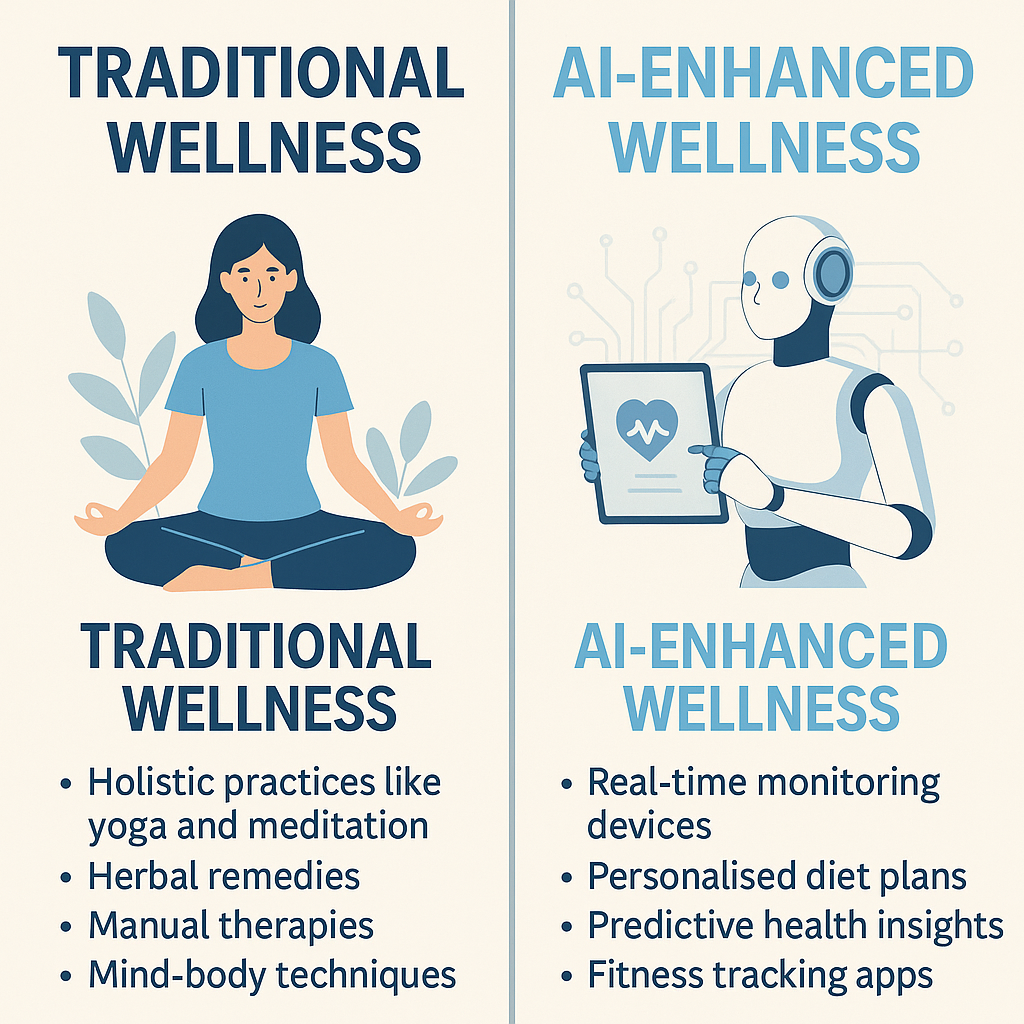
Traditional Wellness vs. AI Wellness

AI Wellness
#image_title

Why Compare Traditional and AI-Enhanced Wellness?

Wellness practices have evolved significantly over the decades. While traditional methods focus on holistic, often natural approaches, AI Wellness or AI-enhanced wellness utilises cutting-edge technology to personalise and optimise health. Comparing these methods helps us understand their benefits and challenges, guiding us towards making informed choices in our wellness journeys.


What Is Traditional Wellness?

Traditional wellness practices typically encompass holistic methods rooted in ancient cultures and practices. They include approaches like:

  • Yoga and Meditation: Enhancing mental and physical well-being through mindfulness and movement.
  • Herbal Remedies: Using natural plants and herbs to support health.
  • Acupuncture and Traditional Chinese Medicine (TCM): Balancing the body’s energy for improved wellness.
  • Manual Therapies: Including massage, chiropractic adjustments, and reflexology.
  • Mind-Body Techniques: Practices like tai chi and breathing exercises that foster relaxation.

The core philosophy of traditional wellness is balance—both within the body and between body and mind. These practices focus on natural healing, prevention, and lifestyle harmony.


What Is AI-Enhanced Wellness?

In contrast, AI-enhanced wellness harnesses technology to deliver personalised health solutions. Key aspects include:

  • Real-Time Monitoring: Wearable devices track heart rate, sleep patterns, and stress levels.
  • Personalised Diet Plans: AI analyses eating habits and provides tailored nutrition advice.
  • Fitness Tracking: Apps monitor exercise performance, suggest improvements, and set goals.
  • Predictive Health Insights: Algorithms analyse data to predict potential health issues before symptoms arise.
  • Smart Therapy Recommendations: AI-driven apps suggest mindfulness or stress management techniques based on real-time data.

The appeal of AI-enhanced wellness lies in its precision. By collecting and analysing data, AI offers insights that are specifically tailored to an individual’s lifestyle, health status, and goals.


Head-to-Head Comparison: Traditional vs. AI-Enhanced Wellness

AspectTraditional WellnessAI-Enhanced Wellness
PersonalisationCustomisation through holistic assessmentsUses real-time data for precision
AccessibilityRequires practitioners or in-person sessionsAccessible through apps and wearable devices
Data IntegrationLimited, often anecdotalComprehensive data tracking and analysis
EffectivenessProven in cultural contexts, results may varyScientifically driven, adaptable to personal metrics
Time CommitmentOften requires regular, long sessionsShort, efficient tracking with automated insights
CostCan be costly due to one-on-one sessionsVaries; many apps are affordable or subscription-based
Mental Well-beingFocus on mindfulness and holistic balanceMonitors mental health via data analysis and suggestions
Physical WellnessEmphasis on natural movement and balanceUses data-driven fitness insights for targeted improvements

Benefits of Traditional Wellness

  • Holistic Approach: Emphasises the interconnectedness of mind, body, and spirit.
  • Cultural and Historical Roots: Many practices are based on centuries of experience.
  • Accessible Without Technology: Suitable for those preferring a low-tech lifestyle.
  • Mindfulness-Centric: Encourages a slower, more reflective approach to health.

Benefits of AI-Enhanced Wellness

  • Precision and Customisation: Tailors advice to individual data.
  • Efficiency: Automates tracking and insights, saving time.
  • Advanced Monitoring: Detects subtle changes in health, allowing for proactive care.
  • Goal-Oriented: Sets measurable health targets and tracks progress.

Challenges to Consider

Traditional Wellness:

  • Lack of Data: Relying on anecdotal or experiential knowledge.
  • Inconsistency: Results can vary between individuals.
  • Limited Modern Validation: Some methods lack scientific evidence.

AI-Enhanced Wellness:

  • Data Privacy: Concerns over the safety of health data.
  • Dependency: Users may overly rely on tech for health decisions.
  • Lack of Human Touch: Some may find it impersonal compared to traditional methods.

Expert Insights

Dr. Mark Bennett, a wellness expert, notes, “Traditional methods remind us to listen to our bodies, while AI wellness adds scientific precision. A combination of both may offer the most balanced approach.”
On the other hand, tech specialist Lisa Tran suggests, “AI-enhanced wellness is practical for those with busy lives. It’s not about replacing tradition but augmenting it with data-driven insights.”


Finding the Right Balance

Both traditional and AI-enhanced wellness approaches offer unique advantages. Integrating elements from both may provide a more comprehensive approach to health. For instance, practising yoga while using a smart fitness tracker can combine mindfulness with precise physical data. Choosing methods that resonate personally ensures a sustainable and fulfilling wellness journey.


Final Thoughts

As technology continues to evolve, the intersection of traditional wellness and AI-enhanced practices will likely become more nuanced. By recognising the strengths of each, individuals can craft a wellness routine that supports their physical, mental, and emotional health. Whether you lean towards the wisdom of ancient practices or the innovation of modern tech, the goal remains the same—living a balanced, healthy life.

AI Powered Wellness