Category Archives: Technology

AI Nutrition Tracking Transforming Diets and Optimisation

AI Nutrition Tracking
#image_title

Why AI is Changing How We Approach Nutrition

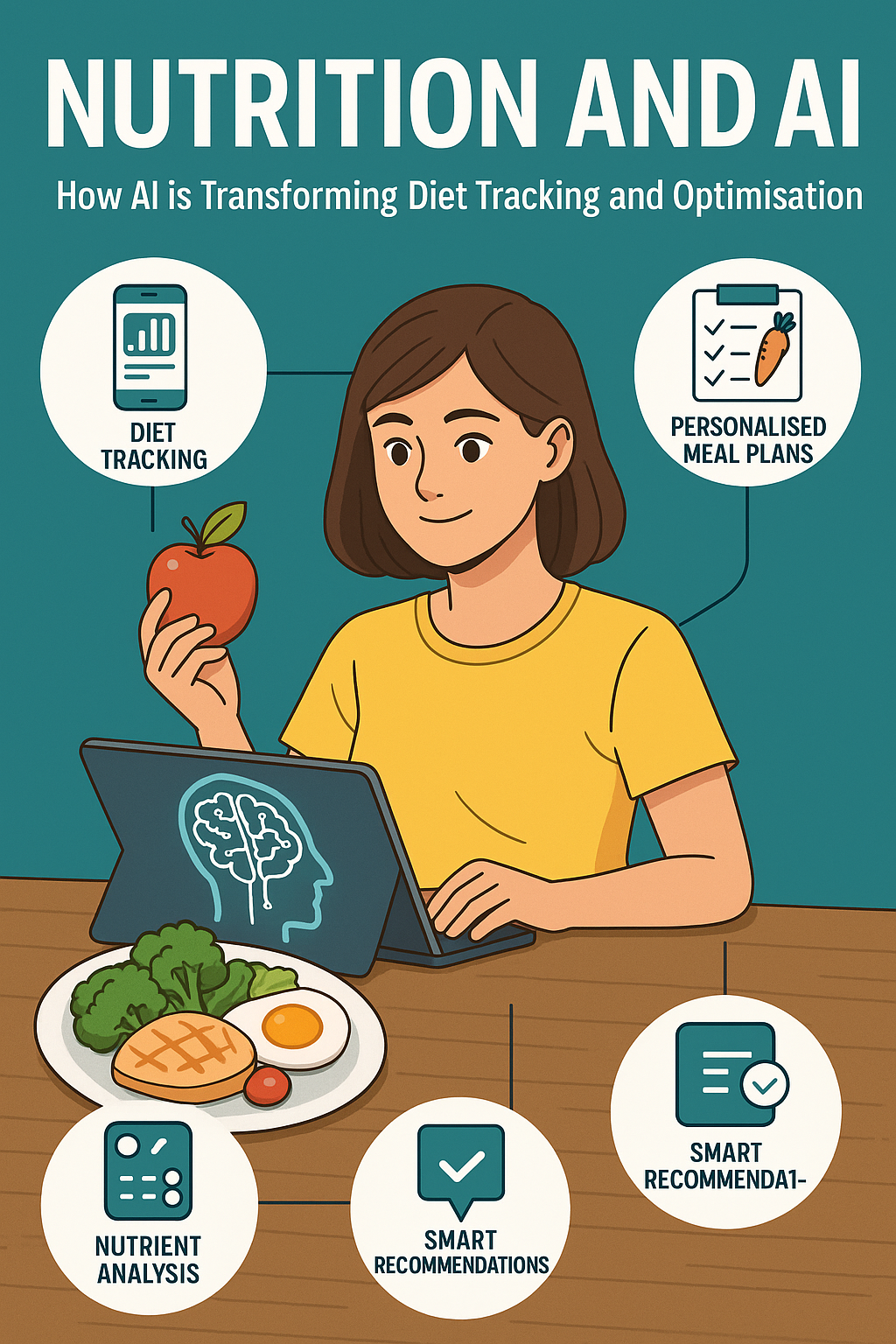
AI Nutrition Tracking is keeping track of nutrition used to mean scribbling notes in a food diary or calculating calories by hand. Today, AI-driven apps are making it easier to monitor what we eat, analyse dietary habits, and make informed choices. By using advanced algorithms, these tools offer personalised recommendations based on real-time data, helping individuals optimise their diets without the guesswork.

How AI Nutrition Tracking Works

At the core of AI nutrition tracking are algorithms that process vast amounts of data. These systems gather information from wearable devices, health apps, and manual inputs, such as food logs. The data is then analysed to understand eating patterns, nutrient intake, and overall dietary habits. Based on this analysis, the app offers tailored meal suggestions, tracks calories, and even alerts users when they deviate from their goals.

Key Features of AI-Driven Nutrition Apps

AI-powered nutrition tools are designed to simplify diet management and promote healthier eating habits. Here are some key features:

  • Automated Calorie Counting: AI scans barcodes or recognises food items from photos to calculate calorie intake.
  • Personalised Meal Plans: Based on dietary preferences, goals, and allergies, AI creates customised meal suggestions.
  • Nutrient Analysis: Tracks macronutrients (like proteins, carbs, fats) and micronutrients (such as vitamins and minerals) to ensure balanced eating.
  • Health Integration: Syncs with fitness trackers to adjust nutritional goals based on activity levels.
  • Smart Recommendations: Learns from past eating patterns and suggests healthier alternatives.
  • Voice Assistance: Integrates with smart devices to log meals via voice commands.
  • Recipe Suggestions: AI curates recipes based on available ingredients, helping to reduce food waste.

Popular AI Nutrition Apps and Gadgets

Several apps and gadgets are leading the way in AI-powered nutrition:

  • MyFitnessPal: Uses AI to scan food labels and track calorie intake accurately.
  • Nutrino: Offers personalised meal plans using data from wearable devices.
  • Yazio: Integrates AI to analyse nutritional needs and suggest balanced meals.
  • Samsung Health: Tracks daily food intake and monitors progress through AI-driven insights.
  • FitGenie: Uses machine learning to suggest meal adjustments based on fitness goals.

How AI Enhances Personalised Dieting

One of the most significant advantages of AI in nutrition is personalisation. Rather than following generic diet plans, users receive advice tailored to their body type, metabolism, and lifestyle. For instance, AI can recommend higher protein intake for muscle gain or suggest reducing sugar for those managing diabetes. As the app learns more about the user, it refines its recommendations, becoming more accurate and relevant.

Scientific Backing: How Accurate Are AI Diet Recommendations?

Research shows that AI-driven nutrition apps can be remarkably accurate when trained on large, diverse datasets. A study published in the Journal of Medical Internet Research found that AI-powered diet tracking apps significantly improve adherence to nutritional goals compared to manual methods. By continuously updating with new data, these apps become more precise, offering dynamic adjustments rather than static meal plans.

Challenges and Considerations

Despite their advantages, AI nutrition tools have some challenges:

  • Data Privacy: Since these apps collect sensitive health data, users must be cautious about sharing information.
  • User Accuracy: The reliability of the recommendations depends on accurate data entry.
  • Algorithm Bias: Some apps may favour certain dietary practices if their training data is not diverse enough.
  • Motivation Factors: While AI can suggest, it cannot enforce healthy eating habits. Commitment from the user remains essential.

Expert Insight: Nutritionists Weigh In

Nutrition expert Dr. Alice Ford says, “AI can significantly enhance diet management, but it should complement, not replace, professional advice. Personalisation is key, and AI helps bridge the gap between generic diets and individual needs.” Meanwhile, tech developer John Roberts notes, “The future of AI nutrition lies in integrating more real-time data, allowing for quicker adjustments and greater personal relevance.”

Future Trends in AI Nutrition

Looking ahead, we can expect more sophisticated AI nutrition systems that predict dietary needs based on genetic information and real-time health metrics. Innovations may include:

  • Nutrigenomics: AI that tailors diets based on genetic markers.
  • Mood-Linked Diet Suggestions: Recommending foods that boost mood based on emotional data.
  • Real-Time Glucose Monitoring: Integrating blood sugar data to manage diabetes more efficiently.
  • Sustainable Eating Guides: Suggesting meal plans that align with environmental goals, reducing carbon footprints.

Final Thoughts for AI Nutrition Tracking

AI nutrition is not just a passing trend but a transformative approach to healthy living. As technology continues to advance, we can expect even more precise, data-driven solutions for optimising our diets. Whether you are looking to lose weight, build muscle, or simply eat healthier, AI is making nutrition tracking more intuitive and personalised than ever before.

AI-Powered Personalised Wellness

Science Behind AI Wellness Algorithms & Healthcare

AI Wellness Algorithms

Understanding AI Wellness Algorithms

In recent years, AI has become an essential tool in healthcare, shaping how we monitor, diagnose, and treat health conditions. At the heart of this revolution are AI wellness algorithms. These complex mathematical models process vast amounts of health data to deliver personalised insights and predictions. By analysing patterns, they can make accurate predictions about health risks, recommend preventive measures, and even assist in crafting tailored wellness plans.

How AI Algorithms Are Developed

Creating an AI wellness algorithm begins with data collection. Developers gather health data from diverse sources such as wearables, electronic health records (EHRs), and patient-reported outcomes. The data is then cleaned, organised, and fed into machine learning models. These models learn from the data by identifying patterns and correlations, allowing the algorithm to make predictions or recommendations. Over time, as more data is introduced, the model becomes increasingly accurate and reliable.

Types of AI Algorithms Used in Wellness

There are several types of algorithms commonly applied to health and wellness:

  • Supervised Learning: These algorithms are trained on labelled data, such as heart rate readings paired with activity levels, to predict health outcomes.
  • Unsupervised Learning: Used to detect anomalies or uncover hidden patterns in large, unlabelled health datasets.
  • Deep Learning: Utilises neural networks to process complex data, ideal for interpreting medical images or genomic sequences.
  • Reinforcement Learning: Algorithms learn by trial and error, commonly used in AI-driven fitness applications that adapt to user performance.
  • Natural Language Processing (NLP): Used to analyse patient feedback or medical notes, identifying symptoms or conditions.

How AI Algorithms Enhance Personalised Wellness

AI wellness algorithms excel at providing tailored health advice. For example:

  • Sleep Monitoring: Analyses sleep patterns to suggest routines that improve rest.
  • Fitness Tracking: Learns physical activity patterns to recommend workouts that match energy levels.
  • Mental Health Insights: Monitors mood variations and offers coping strategies when stress levels rise.
  • Chronic Disease Management: Predicts potential flare-ups in conditions like diabetes by tracking blood sugar trends.
  • Nutrition Guidance: Analyses dietary data to propose meal plans aligned with fitness goals.

Case Studies and Real-World Examples

One notable example is the AI wellness platform Ada Health, which uses machine learning to assess symptoms and suggest possible conditions. Another is Fitbit’s Health Metrics Dashboard, where AI algorithms analyse breathing rate, heart rate variability, and oxygen saturation to flag potential health issues.
Meanwhile, the Samsung Health Monitor uses AI to interpret ECG readings, helping users track their heart health in real time. These applications demonstrate how AI algorithms turn raw data into actionable insights.

The Role of Big Data and Predictive Analytics

Big data plays a crucial role in enhancing AI wellness algorithms. By integrating data from millions of users, algorithms can detect patterns that might go unnoticed in smaller datasets. Predictive analytics then comes into play, using these patterns to forecast potential health changes. For instance, AI-powered wellness apps can predict stress spikes based on past behavioural data and alert users to take preventive actions.

Challenges and Ethical Considerations

While AI wellness algorithms offer significant benefits, they also raise ethical questions. One key concern is data privacy. Since algorithms rely on personal health information, protecting user data is paramount. Furthermore, there’s the issue of algorithmic bias. If the training data lacks diversity, the predictions may not be accurate for all demographic groups. To address this, developers are working to create more inclusive datasets and implement robust data protection measures.

Expert Perspectives on AI Wellness

Dr. Emily Carter, a data scientist specialising in healthcare AI, highlights the importance of transparency. “AI wellness algorithms must be explainable. Users should understand how the algorithm arrived at a recommendation,” she notes. Additionally, Dr. Andrew Malik, a clinical researcher, emphasises that human oversight is essential. “While AI can flag potential issues, healthcare professionals must validate these insights before making clinical decisions.”

Future Implications of AI in Personal Wellness

As AI wellness algorithms continue to evolve, they are likely to become more integrated into daily life. Future developments may include:

  • Hyper-Personalisation: AI that adjusts wellness plans in real time based on continuous data input.
  • Advanced Mental Health Monitoring: Algorithms that detect subtle mood changes before symptoms escalate.
  • Comprehensive Health Ecosystems: Integration of fitness, sleep, diet, and mental health data into a single wellness profile.
  • Virtual Health Coaches: AI-driven advisors that provide ongoing guidance and motivation based on real-time insights.

Final Thoughts

AI wellness algorithms are reshaping how we manage health, offering a more personalised and data-driven approach. By continuously learning and adapting, these technologies make wellness more accessible and precise. As the science behind AI algorithms advances, we can expect even more sophisticated and reliable solutions that enhance our quality of life.

Watch the video – AI wellness algorithms

White Pages Hull

AI-Powered Home Chefs: The Smart Kitchen Revolution

AI-Powered Home Chefs

The Rise of AI-Powered Home Chefs

In 2025, the integration of artificial intelligence into home kitchens is transforming how people cook and eat. Gone are the days of laboriously following recipes or guessing ingredient quantities. With AI-powered home chefs, preparing gourmet meals is as simple as pressing a button. These smart kitchen devices utilise machine learning to adapt to personal tastes, dietary requirements, and even mood, making cooking not just more efficient but also more enjoyable.

What Are AI-Powered Home Chefs?

AI-powered home chefs are smart appliances and devices designed to assist with meal planning, preparation, and cooking. From voice-activated recipe guidance to fully automated cooking systems, these devices are redefining home cooking. Integrated with smart home ecosystems, they can monitor ingredients, suggest meals based on what’s in the fridge, and even order groceries when supplies are low. Whether it’s a smart oven that adjusts temperature automatically or a blender that tailors smoothie recipes to your nutritional needs, AI is making cooking smarter and simpler.

Key Features of AI-Powered Kitchens

The appeal of an AI-powered kitchen lies in its ability to reduce effort while enhancing meal quality. Some common features include:

  • Personalised Recipe Suggestions: AI systems analyse dietary preferences and nutritional needs to recommend meals.
  • Automated Cooking Programs: Smart ovens and multi-cookers can automatically adjust settings for perfect results.
  • Voice Control and Hands-Free Operation: Devices like Amazon Alexa and Google Home can guide you through recipes step by step.
  • Meal Planning Integration: Apps sync with your calendar to plan meals around your schedule.
  • Grocery Management: Track ingredients and suggest recipes to use up what you have before it expires.
  • AI Recipe Recommendations: Based on your cooking history and ingredient availability, the system suggests new dishes to try.

Popular AI Cooking Devices

Tech companies and appliance manufacturers are leading the way in AI cooking innovation:

  • Samsung Smart Oven: Uses AI to recognise food items and automatically set the cooking mode.
  • NVIDIA AI Chef: An AI-powered kitchen assistant that learns your cooking habits and suggests improvements.
  • CookAI by LG: A smart kitchen system that plans meals, monitors cooking, and even sets timers via voice command.
  • Suvie Kitchen Robot: Prepares meals from prepped ingredients stored in the appliance, ensuring perfect timing and temperature.
  • June Smart Oven: Uses camera recognition to identify food and suggest cooking times and temperatures.

How AI Chefs Enhance the Cooking Experience

Imagine arriving home to a freshly prepared meal because your AI chef knew you would be late and adjusted the cooking time. Or picture a busy morning where your smart coffee machine brews your favourite blend without you lifting a finger. These conveniences are becoming commonplace as AI-powered devices learn preferences and predict needs. Whether you’re looking to improve your culinary skills or simply save time, AI chefs are adaptable to your lifestyle.

Health Benefits of AI Cooking

Smart kitchens not only make cooking easier but also healthier. AI systems analyse ingredients for nutritional value and can suggest healthier alternatives or portion sizes. They also monitor calorie intake and provide guidance on balanced meal planning, making it easier to maintain a healthy diet without sacrificing taste. As more households adopt this technology, the focus on health-conscious cooking is likely to grow.

Challenges and Considerations

Despite the convenience, AI-powered kitchens come with challenges. Privacy concerns arise as devices collect data on eating habits. Additionally, not everyone is comfortable with machines making culinary choices. As manufacturers refine algorithms and enhance security, these concerns are being addressed. Users are encouraged to review data sharing policies and choose devices that offer robust security measures.

Future of AI in Home Cooking

The smart kitchen revolution is just beginning. As AI continues to evolve, future innovations may include fully autonomous kitchen robots that handle meal prep from start to finish. Moreover, as sustainability becomes a priority, AI systems will likely incorporate eco-friendly meal planning, reducing food waste by recommending recipes that utilise leftover ingredients. This forward-thinking approach aligns with the growing trend of sustainable living.

Final Thoughts

AI-powered home chefs are not just a novelty; they are practical solutions for modern living. By making meal preparation more efficient and tailored to individual preferences, these smart devices are enhancing everyday life. As the technology becomes more affordable, AI cooking tools will become staples in homes worldwide. Whether you’re a culinary novice or an experienced home cook, integrating AI into your kitchen could change how you prepare and enjoy food.

White Pages Hull

AI-Powered Home Chefs

Digital Twins for Personal Health: The Future of Personalised Wellness

Digital Twins

The Rise of Digital Twins in Personal Health

In 2025, the integration of digital twin technology into personal health management is transforming the way individuals monitor and maintain their wellbeing. Originally developed for industries like aerospace and manufacturing, digital twins are now being harnessed to create virtual replicas of human bodies. These digital models collect real-time data from wearable devices, health apps, and medical records to provide a comprehensive overview of an individual’s physical and mental health. The primary goal is to predict health changes, detect issues early, and offer tailored wellness advice.

What Are Digital Twins for Personal Health?

A digital twin in healthcare is a virtual representation of a person’s physical and biological state. By continuously receiving data from health monitoring devices—such as smartwatches, fitness trackers, or even implanted sensors—the digital twin evolves alongside the individual. This continuous flow of data enables healthcare providers to make data-driven decisions, offer precise treatments, and optimise long-term wellness. Digital twins essentially act as a digital health assistant, constantly evaluating vital signs, sleep patterns, physical activity, and more.

Applications of Digital Twins in Healthcare

Digital twins are proving to be revolutionary in various areas of personal health and wellness:

  • Personalised Health Monitoring: Individuals can track their physical condition in real-time, with AI-driven insights into sleep quality, stress levels, and daily physical activity.
  • Predictive Health Models: By analysing patterns, digital twins can predict potential health issues before they manifest, allowing for preventive measures.
  • Chronic Disease Management: For conditions like diabetes or hypertension, digital twins monitor critical metrics and send alerts when readings fall outside safe ranges.
  • Rehabilitation and Recovery: Patients recovering from surgery can use digital twins to track healing progress, guided by data from wearables that monitor movement and vital signs.
  • Mental Health Support: Mood tracking and stress analysis are incorporated into digital twins, helping to identify triggers and recommend relaxation techniques.

How Digital Twins Enhance Personalised Wellness

Unlike generic health advice, digital twins provide recommendations tailored to an individual’s unique biology and lifestyle. For instance, if someone’s digital twin detects irregular sleep patterns, it might suggest adjustments in routine, dietary changes, or sleep-enhancing exercises. Furthermore, the technology can integrate dietary preferences, fitness goals, and mental well-being metrics, creating a holistic health profile that adapts over time.

Data Privacy and Ethical Considerations

With the vast amount of personal data involved, privacy remains a significant concern. Digital twin platforms are designed with robust security measures, including encryption and secure data sharing. However, users must be vigilant about who has access to their health data. Many platforms are working towards offering users full control over their information, ensuring that data is only accessible to authorised healthcare providers.

Real-World Examples and Innovations

Several tech companies are pioneering this solution for personal health. For example, Philips has introduced a digital twin prototype that tracks cardiovascular health by analysing heart rate variability and blood pressure data from wearable devices. Similarly, Fitbit’s new wellness platform uses twins to predict stress levels based on activity and sleep data.

Why Digital Twins Are a Game-Changer

The potential of twins in personal health lies in their ability to offer real-time insights that evolve as the user’s health changes. Instead of reactive healthcare, which addresses problems after they occur, digital twins promote proactive and preventive care. As wearable technology and AI advance, twins will become more precise and accessible, revolutionising how we approach wellness.

Future Implications for Personal Health Management

As digital twin technology becomes mainstream, healthcare will increasingly focus on predictive and personalised care. Integrating data from multiple sources—including genetic profiles and environmental factors—will make twins even more accurate. Individuals will benefit from more informed healthcare decisions, leading to a longer, healthier life. Brands that invest in digital twin technology now will lead the future of personalised wellness, offering innovative solutions that align with the modern demand for health optimisation.

white pages hull

Digital Product Passports: The Future of Transparent Consumer Goods

Digital Product Passports

The Rise of Digital Product Passports

As consumers become more conscious about where their products come from and how they are made, businesses are turning to digital product passports as a way to increase transparency and accountability. A digital product passport is essentially a digital record that tracks a product’s lifecycle, from raw materials to manufacturing, distribution, use, and disposal. Unlike traditional labels or tags, these digital passports offer comprehensive data on sourcing, manufacturing practices, recycling options, and even ownership history. This level of transparency is becoming a cornerstone of modern consumer goods, driven by both regulatory pressure and growing consumer demand for ethical practices.

A Growing Trend Across Industries

In 2025, digital product passports are rapidly gaining traction across various industries, from fashion and electronics to food and healthcare. By embedding a unique digital identity into every product, brands can ensure traceability and maintain brand integrity. Consumers, on the other hand, benefit from having access to comprehensive information that verifies authenticity and tracks environmental impact. Governments and regulatory bodies are also increasingly supportive of this innovation, seeing it as a tool to promote sustainable practices and combat counterfeiting.

Sustainability and the Circular Economy

One of the primary drivers behind this trend is the increasing focus on sustainability and the circular economy. Digital product passports enable manufacturers to record the environmental footprint of their goods, from carbon emissions during production to recyclability at the end of their life cycle. This not only helps brands meet their sustainability goals but also provides consumers with the knowledge needed to make responsible choices. For instance, clothing brands can detail the origins of their materials, the energy consumption during production, and guidance on garment recycling or repurposing.

Blockchain and Data Integrity

The integration of blockchain technology enhances the credibility of digital product passports. By recording data on an immutable ledger, brands can assure consumers that the information provided is accurate and tamper-proof. Blockchain also facilitates seamless data sharing across the supply chain, from raw material suppliers to retailers and even recycling facilities. As a result, consumers gain confidence that the product they are buying genuinely aligns with the advertised ethical standards.

Combating Counterfeit Goods

Digital product passports are also beneficial for combating counterfeit goods. By allowing consumers to scan a QR code or NFC tag, they can instantly access the product’s history, including when and where it was manufactured, who the authorized distributors are, and whether the item has been previously reported as counterfeit. This level of traceability not only helps consumers avoid fake products but also protects brands from reputational damage associated with counterfeit sales.

Enhancing Customer Engagement

Retailers are increasingly adopting digital product passports to enhance customer engagement. Some are incorporating interactive features such as repair tutorials, recycling locations, and product care tips, fostering a more sustainable relationship between consumers and products. By promoting long-lasting usage and proper disposal, digital product passports support a more circular economy, reducing waste and encouraging responsible consumption.

Brand Adoption and Real-World Examples

A growing number of leading brands are pioneering the adoption of digital product passports. For instance, outdoor apparel brand Patagonia has implemented them to document the sustainable sourcing of their materials and encourage garment recycling. Similarly, IKEA is piloting product passports to help customers understand the environmental impact of their purchases and access repair guides, promoting a more sustainable lifestyle.

Regulatory Support and Future Implications

The European Union is actively working on legislation to make digital product passports mandatory for various consumer goods. The goal is to enhance transparency and promote sustainable business practices across the continent. As these regulations take shape, businesses that proactively adopt digital product passports will not only comply with upcoming requirements but also gain a competitive edge by fostering consumer trust.

The Future of Transparent Consumer Goods

While the concept is still evolving, digital product passports represent a significant shift in how brands and consumers interact. By offering clear, verified information, these passports help bridge the gap between manufacturers and end users, promoting accountability and fostering more informed purchasing decisions. As more industries adopt this technology, it will likely become a standard practice, reshaping how we perceive and interact with consumer goods. Brands that embrace this trend early will be well-positioned to thrive in a future where transparency and sustainability are paramount.

Watch video on Digital Product Passports

WhitepagesHull