Category Archives: Wellness

Tech Innovations for Healthy Ageing

Discover how cuttingedge technology is enhancing the ageing process, promoting wellness, and improving quality of life for older adults.

Embracing Technology for a Healthier Longevity

The world of technology is rapidly evolving, and its impact on healthy ageing is both exciting and transformative. As the global population ages, there’s a growing need for innovative solutions that promote wellness and improve the quality of life for older adults. With tech advances, seniors can now enjoy a more fulfilling and independent life.

From wearables that monitor vital signs to smart home devices that ensure safety, technology is reshaping how we perceive ageing. These innovations not only enhance physical health but also cater to mental wellbeing, allowing for a holistic approach to ageing.

Smart Devices and Wearables: Guardians of Health

Modern wearables are more than just fitness trackers. They serve as personal health assistants, capable of monitoring heart rates, sleep patterns, and even detecting falls. These devices provide realtime health data, enabling seniors and caregivers to make informed decisions.

Smart devices in the home, such as voiceactivated assistants, simplify daily tasks and provide reminders for medication or appointments. This integration of technology ensures a comprehensive support system, enhancing both safety and convenience for elders.

Digital Platforms for Mental Wellbeing

Mental health is as important as physical health, especially in the later stages of life. Digital platforms designed for cognitive training and social interaction have become crucial in maintaining an active mind. Through apps that offer puzzles and brain games, seniors can keep their cognitive abilities sharp and engaged.

Furthermore, virtual communication tools have bridged the gap between distance and connection, helping older adults maintain relationships with family and friends, thus reducing feelings of isolation.

Telemedicine: Healthcare Without Boundaries

Telemedicine is revolutionizing healthcare access for seniors. By enabling virtual consultations with healthcare professionals, seniors can receive medical advice and care without leaving their homes. This technology ensures that older adults receive timely and efficient healthcare, regardless of their location.

Additionally, telemedicine can help manage chronic conditions by providing continuous monitoring and personalized care plans, making healthcare more accessible and less intrusive.

Top Tips:

Explore wearables that offer comprehensive health monitoring.
Utilize smart home devices for enhanced safety and convenience.
Engage in digital platforms that promote cognitive wellness.
Consider telemedicine as a viable option for accessible healthcare.

Conclusion: Embrace the Future of Ageing

The fusion of technology and healthy ageing holds immense potential. Embracing these innovations can significantly enhance the lives of older adults, offering them greater independence and a higher quality of life. For those interested in learning more about connecting with others, a people finder tool can be a helpful resource for maintaining social connections.

As we move forward, it’s essential to continue exploring and adopting these technologies to prepare for a healthier and more vibrant ageing population. Let’s embrace the future and the possibilities that technology brings to the golden years of life.

Sleep Better with Wearable Technology

Discover how wearables are enhancing sleep quality with advanced technology, offering insights and tips for a restful night.

Introduction

Sleep is a cornerstone of good health, yet many struggle to achieve quality rest. Wearable technology is stepping up to address this issue, offering innovative solutions that monitor and enhance sleep. From sleeptracking watches to smart headbands, these devices are changing the way we understand and improve our nightly rest.

Understanding Sleep Trackers

Sleep trackers are designed to monitor sleep patterns through sensors that detect movements and heart rate. These wearables provide data on the duration of sleep stages including light, deep, and REM sleep. By analyzing these patterns, users can gain insights into how lifestyle choices impact their rest.

Most wearable sleep trackers sync with apps, delivering personalized feedback and recommendations. This data can help users identify issues such as disruptions or insufficient deep sleep, leading to more informed decisions about their sleep routines.

Advanced Features of Modern Wearables

Today’s wearables offer more than just sleep tracking; they now include features like smart alarms, which wake users during a light sleep phase, minimizing grogginess. Some devices even measure environmental factors like room temperature and ambient noise, providing a comprehensive overview of factors affecting sleep quality.

Advanced wearables are also incorporating AI to predict sleep needs and suggest personalized tips for improvement. For instance, these devices might recommend bedtime routines or relaxation techniques to enhance sleep depth and consistency.

The Impact on Daily Life

Improved sleep has been linked to numerous health benefits including better cognitive function, mood stability, and overall wellness. By utilizing wearables to enhance sleep quality, individuals can experience improved energy levels and productivity.

Moreover, wearables offer the convenience of managing health goals through a single device. This technology not only supports better sleep but also complements other wellness routines, such as exercise and nutrition, offering a holistic approach to health.

Top Tips:

Choose a wearable that matches your specific sleep concerns, such as tracking sleep stages or environmental conditions.
Use the insights provided by your device to make informed changes to your sleep environment and routine.
Combine wearable data with lifestyle changes like a consistent sleep schedule and a relaxing bedtime routine for maximum benefit.

Conclusion

Wearable technology is proving to be a powerful ally in the quest for better sleep. By offering detailed insights and personalized recommendations, these devices enable users to take proactive steps towards enhanced health and wellness. Ready to improve your sleep? Explore a range of wearables, and start your journey towards restful nights and energized days. For more personal insights and recommendations, visit the people finder and connect with sleep experts.

Image Prompt: A modern bedroom setting with a person peacefully sleeping, wearing a sleeptracking wearable device on their wrist, surrounded by soft lighting that creates a calm ambiance.

Embrace Digital Detox for a Healthier Mind and Body

Discover the benefits of digital detox for improving mental health and overall wellbeing. Tips on unplugging and finding balance in a techdriven world.

Understanding Digital Detox

In today’s hyperconnected world, many of us spend countless hours attached to screens, whether it’s for work, social media, or entertainment. While technology offers convenience, overreliance can lead to stress and anxiety. Embracing a digital detox can be crucial for restoring balance and enhancing your mental and physical health.

A digital detox involves consciously taking breaks from electronic devices to focus on realworld interactions and activities. This practice can help reduce stress levels, improve relationships, and increase productivity. Moreover, it offers an opportunity to reconnect with oneself and the surrounding environment, leading to greater mindfulness and presence.

The Benefits of Unplugging

When you actively choose to disconnect from your devices, you provide your mind and body with muchneeded respite. Reduced screen time can improve sleep patterns by minimizing exposure to blue light emitted by screens, which disrupts your natural sleep cycle. Moreover, it can decrease anxiety levels caused by information overload and constant connectivity pressures.

A digital detox also promotes better physical health. Prolonged device usage often means sedentary behavior, which can lead to various health issues. By taking breaks from screens, you have more time to engage in physical activities, like walking, yoga, or even leisurely outdoor pursuits, contributing to overall wellness.

How to Start Your Digital Detox

Beginning a digital detox doesn’t mean you have to go offline entirely; it’s about finding the right balance that works for you. Start by setting specific times during the week where you consciously avoid using your gadgets. Gradually, increase these intervals to cultivate a sustained practice. Consider designating certain techfree zones in your home, like the dining or bedroom areas, to encourage real conversations and tranquility.

Another effective method is to set boundaries on social media and app use. Most smartphones have features that track usage and allow you to set daily limits. Utilize these tools to monitor and manage your screen time better. Additionally, explore alternative ways to fill your leisure time, such as reading, painting, or spending time in nature.

Top Tips:

Schedule dedicated techfree time daily.
Turn off unnecessary notifications to reduce distractions.
Use apps that remind you to take breaks.
Replace screen time with hobbies that do not involve electronics.
Engage in outdoor activities to rejuvenate both body and mind.

Reaping the Rewards

While initially challenging, a digital detox can lead to profound changes in how you relate to technology and improve your quality of life. By regularly disconnecting, you’ll likely find yourself more mindful, relaxed, and connected with those around you. This transformation is not only beneficial for personal wellbeing but also for enhancing professional focus and creativity.

Concluding a digital detox with reflection can be insightful. Consider journaling your experiences and assessing the changes in your mood and productivity. You might be surprised by how liberating stepping away from screens can be and the positive impact it has on your daytoday life.

Ready to begin your digital detox journey? Find out more about cultivating a balanced life through our people finder resource that can help you strengthen your offline connections.

Start small, and watch how unplugging can transform your life for the better!

AI Wellness Gadgets & Tech: Top Gadgets & Apps Personal Health

Wellness Gadgets
Wellness Gadgets

In today’s fast-paced world, staying healthy and maintaining well-being can feel overwhelming. Fortunately, wellness gadgets are changing the game. These innovative devices are designed to help us monitor, track, and improve various aspects of our health. From smart rings that analyse sleep patterns to AI-powered fitness platforms offering personalised workouts, wellness gadgets are making it easier than ever to stay on top of our physical and mental well-being. As technology continues to advance, integrating these gadgets into our daily routines is becoming the new norm.

1. Smart Rings: Compact Health Monitors

Oura Ring 4

  • Release Date: 15 October 2024
  • Price: Starting at £275; subscription at £4.99 per month
  • Features: The Oura Ring 4 offers advanced health tracking, including heart rate, sleep stages, and activity levels. It features a sleek titanium design, recessed sensors for comfort, and up to 8 days of battery life. The ring also provides women’s health features like cycle tracking and pregnancy insights.

Samsung Galaxy Ring

  • Release Date: 24 July 2024
  • Price: £315
  • Features: Tailored for Samsung users, this ring integrates seamlessly with the Samsung Health app. It includes sleep tracking, heart rate monitoring, and skin temperature sensing. No subscription is required, and it comes with a wireless charging case.

RingConn Gen 2 Air

  • Release Date: 21 March 2025
  • Price: £160
  • Features: This lightweight ring (weighing only 2.5g) offers AI-powered health insights, advanced sleep tracking, and up to 10 days of battery life. It’s an affordable option without sacrificing essential health monitoring features.

2. AI-Powered Fitness Platforms

CloudFit

  • Overview: CloudFit is an AI-driven wellbeing platform that delivers personalised health programmes and coaching for physical, mental, and nutritional health. It offers a free tier, making it accessible for individuals and small gyms.

AdaptAI

  • Overview: Launched in 2025, AdaptAI is an AI-powered fitness and wellness platform offering tailored workout plans based on biometric data. It uses real-time feedback to adjust routines, helping users optimise their physical and mental wellbeing.

3. Mental Health Support Apps

EmoBay

  • Overview: EmoBay is an AI-powered mental health platform offering 24/7 conversational support, mood tracking, and crisis-response guidance through a chatbot interface. It provides accessible, stigma-free support anytime, anywhere.
  • Subscription: Free basic version; premium features from £15 per month.

Wysa

  • Overview: Wysa is an AI-driven mental health app that provides users with an AI coach for confidential conversations, self-help tools, and coping techniques.
  • Subscription: Free version available; premium starts at £16 per month.

Youper

  • Overview: Youper is an AI-powered emotional health assistant that guides users through science-backed conversations and exercises to reduce stress and improve mood.
  • Subscription: Free 7-day trial, then £55 per year.

4. Smart Home Wellness Gadgets

Withings Omnia Smart Mirror

  • Release Date: 8 January 2025
  • Price: £899
  • Features: The Withings Omnia is an AI-enabled smart mirror that provides a comprehensive health overview by measuring weight, metabolic health, and heart health. It integrates data from other trackers and offers real-time feedback through a built-in AI voice assistant.

Ozlo Sleepbuds

  • Release Date: 30 September 2024
  • Price: £240
  • Features: Designed by former Bose engineers, Ozlo Sleepbuds offer passive noise cancellation and soothing audio to improve sleep quality. They are designed for comfort, especially for side sleepers, and provide up to 10 hours of Bluetooth streaming.

5. AI-Enhanced Nutrition Tracking

DietGlance

  • Overview: DietGlance automatically monitors dietary intake using multimodal inputs, including wearable tech and AI-driven analysis. It delivers personalised nutritional advice, helping users make informed dietary choices.
  • Price: Free basic version; premium subscription at £9.99 per month.

Cal AI

  • Overview: Cal AI is a calorie tracker app that allows users to take pictures of their food, providing estimates of calorie and macronutrient content.
  • Subscription: Free version; premium at £4 per month.

Wellness Gadgets – Why AI Wellness Tech Matters

The convergence of AI and wellness in 2025 is leading to innovative tools that empower individuals to take control of their health. From wearable devices to intelligent apps, these advancements offer personalised insights and support, making wellness more accessible and tailored than ever before. As more people integrate AI health gadgets into their daily routines, the potential for improved well-being grows significantly.

AI-POWERED PERSONALISED WELLNESS

AI Health Tech Myths: Debunking Common Misconceptions

AI Health Tech Myths

Why AI Health Tech Myths Persist

Artificial intelligence has made significant strides in healthcare, from predicting health outcomes to personalising wellness routines. However, as with any rapidly evolving technology, misconceptions often arise. Many people still harbour doubts about the accuracy, safety, and effectiveness of AI-driven health tech. Addressing these AI Health Tech Myths is crucial to building trust and helping more individuals benefit from modern wellness innovations.


Myth 1: AI Health Tech Is Inaccurate

One of the most persistent myths about AI-driven health technologies is that they are prone to errors. Some people believe that machines simply cannot match human intuition or medical expertise. However, this perception is not entirely accurate.

Reality:
AI health systems are designed to process vast amounts of data efficiently. When properly trained and tested, they can often detect patterns more accurately than human analysis. For instance, AI algorithms used in radiology can identify minute abnormalities on medical images that even trained professionals might miss. The key is data quality—when AI models are trained on diverse, high-quality datasets, they become highly reliable.


Myth 2: AI-Powered Devices Compromise Privacy

Many users worry that health gadgets and apps powered by AI compromise their personal data. This myth stems from the assumption that data collected by smart health devices is accessible to external entities without consent.

Reality:
Reputable health tech companies prioritise data security and comply with regulations such as GDPR. They use encryption and anonymisation to protect sensitive information. Moreover, users typically have the ability to control data sharing settings within the app. While data privacy remains a concern, the majority of credible AI health platforms are designed to safeguard personal information.


Myth 3: AI Wellness Apps Are Only for Tech-Savvy Individuals

Another misconception is that AI wellness tools are overly complex, making them unsuitable for those who are not technologically inclined.

Reality:
Today’s AI wellness apps are designed to be user-friendly. They feature intuitive interfaces, guided setup processes, and clear instructions. Whether tracking sleep, monitoring nutrition, or managing fitness goals, most apps can be easily navigated by users of all ages. Plus, many offer customer support to assist with any technical challenges.


Myth 4: AI Health Tech Replaces Doctors

Some fear that AI-driven diagnostics and wellness suggestions mean the end of human healthcare professionals. This myth arises from the misconception that AI can fully replicate clinical judgment.

Reality:
AI health tech is meant to complement, not replace, healthcare professionals. It assists by providing data-driven insights and identifying potential health issues that might require medical attention. Doctors and healthcare experts still play a critical role in interpreting AI-generated data and making final decisions about treatment plans. Think of AI as an assistant that enhances accuracy rather than a standalone decision-maker.


Myth 5: AI-Driven Health Insights Are Always Correct

People often assume that if an AI system provides a health insight, it must be accurate and trustworthy. This misconception can lead to over-reliance on technology.

Reality:
While AI can make accurate predictions based on data, it is not infallible. Factors like data quality, algorithm training, and user input can affect results. Therefore, it is essential to use AI insights as a guide rather than a definitive diagnosis. Consulting a healthcare professional remains important when dealing with health issues.


Why Myth Busting Matters

Misinformation can hinder the adoption of helpful technologies. By debunking myths, we help people make informed decisions about integrating AI into their wellness routines. Understanding the limitations and strengths of AI health tech allows users to benefit from its capabilities without unnecessary fears.


Expert Opinion: Balancing Tech and Trust

Dr. Hannah Morris, a digital health researcher, notes:
“Building trust in AI-driven health tech requires transparency from developers and education for users. When people understand how AI works and its limitations, they feel more confident using it to support their wellness goals.”


Final Thoughts on AI Health Tech Myths

AI health tech continues to evolve, offering exciting possibilities for personalised wellness and preventive care. Dispelling myths is essential to ensuring that users feel confident embracing these innovations. By focusing on accurate information and promoting responsible use, we can make the most of AI-enhanced health tools. AI Health Tech Myths

AI-Powered Personalised Wellness

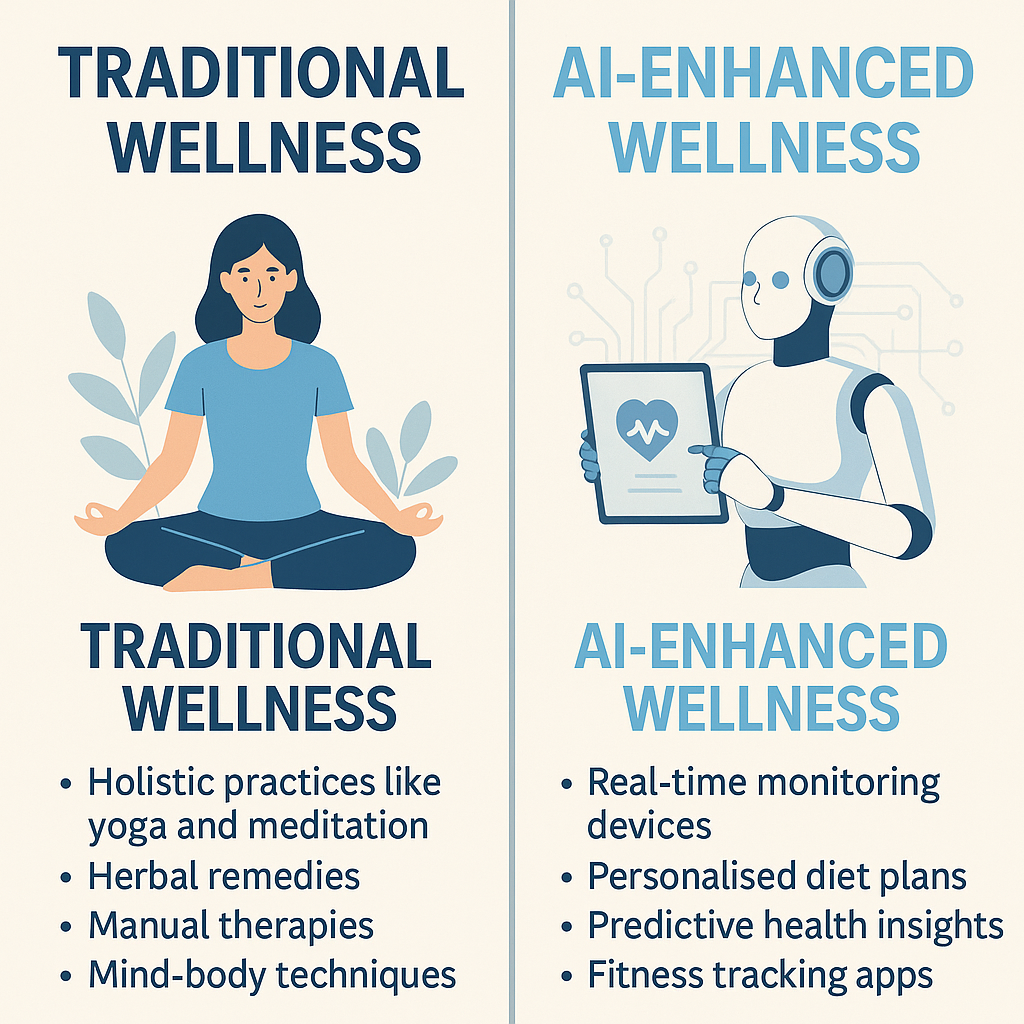
Traditional Wellness vs. AI Wellness

AI Wellness
#image_title

Why Compare Traditional and AI-Enhanced Wellness?

Wellness practices have evolved significantly over the decades. While traditional methods focus on holistic, often natural approaches, AI Wellness or AI-enhanced wellness utilises cutting-edge technology to personalise and optimise health. Comparing these methods helps us understand their benefits and challenges, guiding us towards making informed choices in our wellness journeys.


What Is Traditional Wellness?

Traditional wellness practices typically encompass holistic methods rooted in ancient cultures and practices. They include approaches like:

  • Yoga and Meditation: Enhancing mental and physical well-being through mindfulness and movement.
  • Herbal Remedies: Using natural plants and herbs to support health.
  • Acupuncture and Traditional Chinese Medicine (TCM): Balancing the body’s energy for improved wellness.
  • Manual Therapies: Including massage, chiropractic adjustments, and reflexology.
  • Mind-Body Techniques: Practices like tai chi and breathing exercises that foster relaxation.

The core philosophy of traditional wellness is balance—both within the body and between body and mind. These practices focus on natural healing, prevention, and lifestyle harmony.


What Is AI-Enhanced Wellness?

In contrast, AI-enhanced wellness harnesses technology to deliver personalised health solutions. Key aspects include:

  • Real-Time Monitoring: Wearable devices track heart rate, sleep patterns, and stress levels.
  • Personalised Diet Plans: AI analyses eating habits and provides tailored nutrition advice.
  • Fitness Tracking: Apps monitor exercise performance, suggest improvements, and set goals.
  • Predictive Health Insights: Algorithms analyse data to predict potential health issues before symptoms arise.
  • Smart Therapy Recommendations: AI-driven apps suggest mindfulness or stress management techniques based on real-time data.

The appeal of AI-enhanced wellness lies in its precision. By collecting and analysing data, AI offers insights that are specifically tailored to an individual’s lifestyle, health status, and goals.


Head-to-Head Comparison: Traditional vs. AI-Enhanced Wellness

AspectTraditional WellnessAI-Enhanced Wellness
PersonalisationCustomisation through holistic assessmentsUses real-time data for precision
AccessibilityRequires practitioners or in-person sessionsAccessible through apps and wearable devices
Data IntegrationLimited, often anecdotalComprehensive data tracking and analysis
EffectivenessProven in cultural contexts, results may varyScientifically driven, adaptable to personal metrics
Time CommitmentOften requires regular, long sessionsShort, efficient tracking with automated insights
CostCan be costly due to one-on-one sessionsVaries; many apps are affordable or subscription-based
Mental Well-beingFocus on mindfulness and holistic balanceMonitors mental health via data analysis and suggestions
Physical WellnessEmphasis on natural movement and balanceUses data-driven fitness insights for targeted improvements

Benefits of Traditional Wellness

  • Holistic Approach: Emphasises the interconnectedness of mind, body, and spirit.
  • Cultural and Historical Roots: Many practices are based on centuries of experience.
  • Accessible Without Technology: Suitable for those preferring a low-tech lifestyle.
  • Mindfulness-Centric: Encourages a slower, more reflective approach to health.

Benefits of AI-Enhanced Wellness

  • Precision and Customisation: Tailors advice to individual data.
  • Efficiency: Automates tracking and insights, saving time.
  • Advanced Monitoring: Detects subtle changes in health, allowing for proactive care.
  • Goal-Oriented: Sets measurable health targets and tracks progress.

Challenges to Consider

Traditional Wellness:

  • Lack of Data: Relying on anecdotal or experiential knowledge.
  • Inconsistency: Results can vary between individuals.
  • Limited Modern Validation: Some methods lack scientific evidence.

AI-Enhanced Wellness:

  • Data Privacy: Concerns over the safety of health data.
  • Dependency: Users may overly rely on tech for health decisions.
  • Lack of Human Touch: Some may find it impersonal compared to traditional methods.

Expert Insights

Dr. Mark Bennett, a wellness expert, notes, “Traditional methods remind us to listen to our bodies, while AI wellness adds scientific precision. A combination of both may offer the most balanced approach.”
On the other hand, tech specialist Lisa Tran suggests, “AI-enhanced wellness is practical for those with busy lives. It’s not about replacing tradition but augmenting it with data-driven insights.”


Finding the Right Balance

Both traditional and AI-enhanced wellness approaches offer unique advantages. Integrating elements from both may provide a more comprehensive approach to health. For instance, practising yoga while using a smart fitness tracker can combine mindfulness with precise physical data. Choosing methods that resonate personally ensures a sustainable and fulfilling wellness journey.


Final Thoughts

As technology continues to evolve, the intersection of traditional wellness and AI-enhanced practices will likely become more nuanced. By recognising the strengths of each, individuals can craft a wellness routine that supports their physical, mental, and emotional health. Whether you lean towards the wisdom of ancient practices or the innovation of modern tech, the goal remains the same—living a balanced, healthy life.

AI Powered Wellness

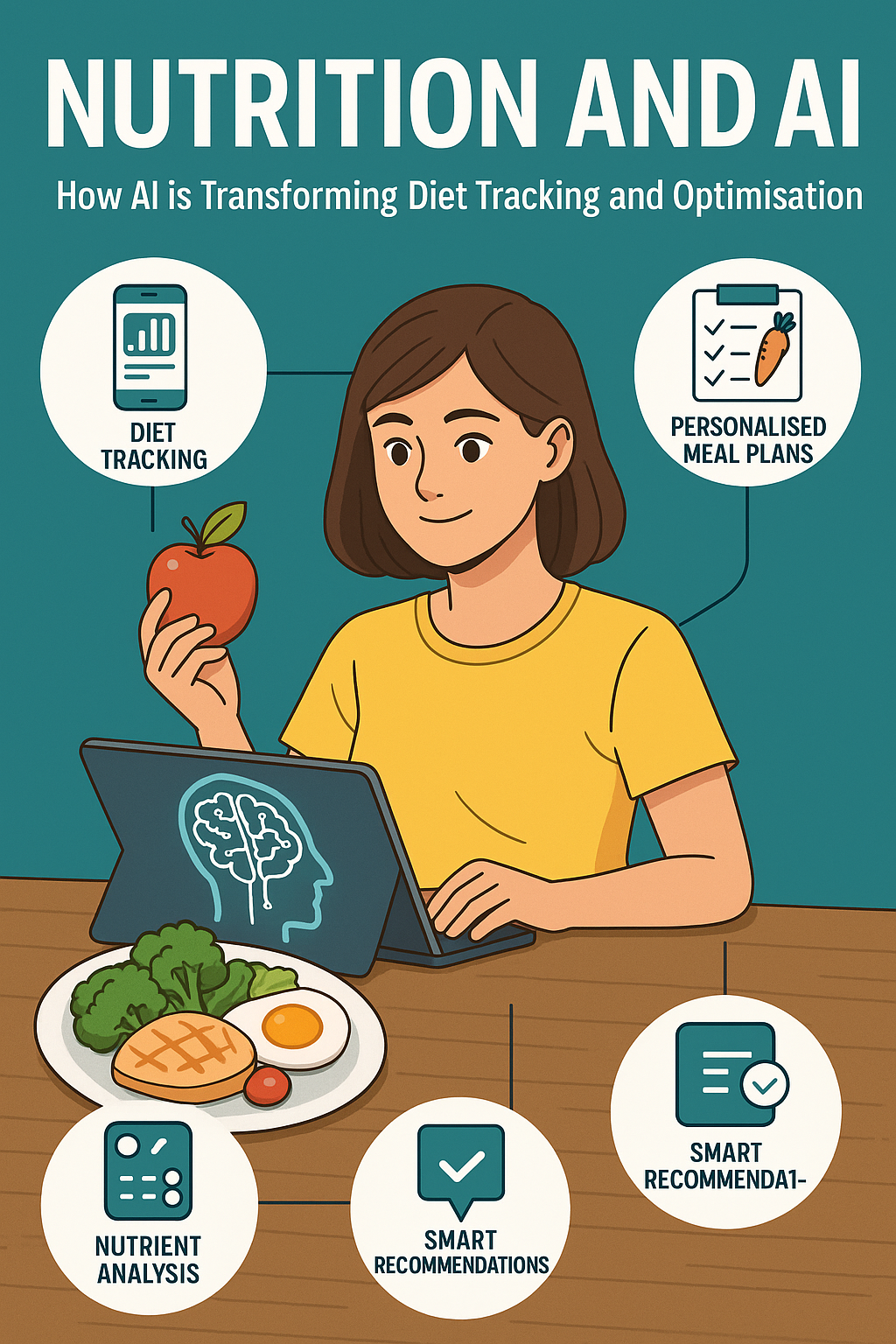
AI Nutrition Tracking Transforming Diets and Optimisation

AI Nutrition Tracking
#image_title

Why AI is Changing How We Approach Nutrition

AI Nutrition Tracking is keeping track of nutrition used to mean scribbling notes in a food diary or calculating calories by hand. Today, AI-driven apps are making it easier to monitor what we eat, analyse dietary habits, and make informed choices. By using advanced algorithms, these tools offer personalised recommendations based on real-time data, helping individuals optimise their diets without the guesswork.

How AI Nutrition Tracking Works

At the core of AI nutrition tracking are algorithms that process vast amounts of data. These systems gather information from wearable devices, health apps, and manual inputs, such as food logs. The data is then analysed to understand eating patterns, nutrient intake, and overall dietary habits. Based on this analysis, the app offers tailored meal suggestions, tracks calories, and even alerts users when they deviate from their goals.

Key Features of AI-Driven Nutrition Apps

AI-powered nutrition tools are designed to simplify diet management and promote healthier eating habits. Here are some key features:

  • Automated Calorie Counting: AI scans barcodes or recognises food items from photos to calculate calorie intake.
  • Personalised Meal Plans: Based on dietary preferences, goals, and allergies, AI creates customised meal suggestions.
  • Nutrient Analysis: Tracks macronutrients (like proteins, carbs, fats) and micronutrients (such as vitamins and minerals) to ensure balanced eating.
  • Health Integration: Syncs with fitness trackers to adjust nutritional goals based on activity levels.
  • Smart Recommendations: Learns from past eating patterns and suggests healthier alternatives.
  • Voice Assistance: Integrates with smart devices to log meals via voice commands.
  • Recipe Suggestions: AI curates recipes based on available ingredients, helping to reduce food waste.

Popular AI Nutrition Apps and Gadgets

Several apps and gadgets are leading the way in AI-powered nutrition:

  • MyFitnessPal: Uses AI to scan food labels and track calorie intake accurately.
  • Nutrino: Offers personalised meal plans using data from wearable devices.
  • Yazio: Integrates AI to analyse nutritional needs and suggest balanced meals.
  • Samsung Health: Tracks daily food intake and monitors progress through AI-driven insights.
  • FitGenie: Uses machine learning to suggest meal adjustments based on fitness goals.

How AI Enhances Personalised Dieting

One of the most significant advantages of AI in nutrition is personalisation. Rather than following generic diet plans, users receive advice tailored to their body type, metabolism, and lifestyle. For instance, AI can recommend higher protein intake for muscle gain or suggest reducing sugar for those managing diabetes. As the app learns more about the user, it refines its recommendations, becoming more accurate and relevant.

Scientific Backing: How Accurate Are AI Diet Recommendations?

Research shows that AI-driven nutrition apps can be remarkably accurate when trained on large, diverse datasets. A study published in the Journal of Medical Internet Research found that AI-powered diet tracking apps significantly improve adherence to nutritional goals compared to manual methods. By continuously updating with new data, these apps become more precise, offering dynamic adjustments rather than static meal plans.

Challenges and Considerations

Despite their advantages, AI nutrition tools have some challenges:

  • Data Privacy: Since these apps collect sensitive health data, users must be cautious about sharing information.
  • User Accuracy: The reliability of the recommendations depends on accurate data entry.
  • Algorithm Bias: Some apps may favour certain dietary practices if their training data is not diverse enough.
  • Motivation Factors: While AI can suggest, it cannot enforce healthy eating habits. Commitment from the user remains essential.

Expert Insight: Nutritionists Weigh In

Nutrition expert Dr. Alice Ford says, “AI can significantly enhance diet management, but it should complement, not replace, professional advice. Personalisation is key, and AI helps bridge the gap between generic diets and individual needs.” Meanwhile, tech developer John Roberts notes, “The future of AI nutrition lies in integrating more real-time data, allowing for quicker adjustments and greater personal relevance.”

Future Trends in AI Nutrition

Looking ahead, we can expect more sophisticated AI nutrition systems that predict dietary needs based on genetic information and real-time health metrics. Innovations may include:

  • Nutrigenomics: AI that tailors diets based on genetic markers.
  • Mood-Linked Diet Suggestions: Recommending foods that boost mood based on emotional data.
  • Real-Time Glucose Monitoring: Integrating blood sugar data to manage diabetes more efficiently.
  • Sustainable Eating Guides: Suggesting meal plans that align with environmental goals, reducing carbon footprints.

Final Thoughts for AI Nutrition Tracking

AI nutrition is not just a passing trend but a transformative approach to healthy living. As technology continues to advance, we can expect even more precise, data-driven solutions for optimising our diets. Whether you are looking to lose weight, build muscle, or simply eat healthier, AI is making nutrition tracking more intuitive and personalised than ever before.

AI-Powered Personalised Wellness

Science Behind AI Wellness Algorithms & Healthcare

AI Wellness Algorithms

Understanding AI Wellness Algorithms

In recent years, AI has become an essential tool in healthcare, shaping how we monitor, diagnose, and treat health conditions. At the heart of this revolution are AI wellness algorithms. These complex mathematical models process vast amounts of health data to deliver personalised insights and predictions. By analysing patterns, they can make accurate predictions about health risks, recommend preventive measures, and even assist in crafting tailored wellness plans.

How AI Algorithms Are Developed

Creating an AI wellness algorithm begins with data collection. Developers gather health data from diverse sources such as wearables, electronic health records (EHRs), and patient-reported outcomes. The data is then cleaned, organised, and fed into machine learning models. These models learn from the data by identifying patterns and correlations, allowing the algorithm to make predictions or recommendations. Over time, as more data is introduced, the model becomes increasingly accurate and reliable.

Types of AI Algorithms Used in Wellness

There are several types of algorithms commonly applied to health and wellness:

  • Supervised Learning: These algorithms are trained on labelled data, such as heart rate readings paired with activity levels, to predict health outcomes.
  • Unsupervised Learning: Used to detect anomalies or uncover hidden patterns in large, unlabelled health datasets.
  • Deep Learning: Utilises neural networks to process complex data, ideal for interpreting medical images or genomic sequences.
  • Reinforcement Learning: Algorithms learn by trial and error, commonly used in AI-driven fitness applications that adapt to user performance.
  • Natural Language Processing (NLP): Used to analyse patient feedback or medical notes, identifying symptoms or conditions.

How AI Algorithms Enhance Personalised Wellness

AI wellness algorithms excel at providing tailored health advice. For example:

  • Sleep Monitoring: Analyses sleep patterns to suggest routines that improve rest.
  • Fitness Tracking: Learns physical activity patterns to recommend workouts that match energy levels.
  • Mental Health Insights: Monitors mood variations and offers coping strategies when stress levels rise.
  • Chronic Disease Management: Predicts potential flare-ups in conditions like diabetes by tracking blood sugar trends.
  • Nutrition Guidance: Analyses dietary data to propose meal plans aligned with fitness goals.

Case Studies and Real-World Examples

One notable example is the AI wellness platform Ada Health, which uses machine learning to assess symptoms and suggest possible conditions. Another is Fitbit’s Health Metrics Dashboard, where AI algorithms analyse breathing rate, heart rate variability, and oxygen saturation to flag potential health issues.
Meanwhile, the Samsung Health Monitor uses AI to interpret ECG readings, helping users track their heart health in real time. These applications demonstrate how AI algorithms turn raw data into actionable insights.

The Role of Big Data and Predictive Analytics

Big data plays a crucial role in enhancing AI wellness algorithms. By integrating data from millions of users, algorithms can detect patterns that might go unnoticed in smaller datasets. Predictive analytics then comes into play, using these patterns to forecast potential health changes. For instance, AI-powered wellness apps can predict stress spikes based on past behavioural data and alert users to take preventive actions.

Challenges and Ethical Considerations

While AI wellness algorithms offer significant benefits, they also raise ethical questions. One key concern is data privacy. Since algorithms rely on personal health information, protecting user data is paramount. Furthermore, there’s the issue of algorithmic bias. If the training data lacks diversity, the predictions may not be accurate for all demographic groups. To address this, developers are working to create more inclusive datasets and implement robust data protection measures.

Expert Perspectives on AI Wellness

Dr. Emily Carter, a data scientist specialising in healthcare AI, highlights the importance of transparency. “AI wellness algorithms must be explainable. Users should understand how the algorithm arrived at a recommendation,” she notes. Additionally, Dr. Andrew Malik, a clinical researcher, emphasises that human oversight is essential. “While AI can flag potential issues, healthcare professionals must validate these insights before making clinical decisions.”

Future Implications of AI in Personal Wellness

As AI wellness algorithms continue to evolve, they are likely to become more integrated into daily life. Future developments may include:

  • Hyper-Personalisation: AI that adjusts wellness plans in real time based on continuous data input.
  • Advanced Mental Health Monitoring: Algorithms that detect subtle mood changes before symptoms escalate.
  • Comprehensive Health Ecosystems: Integration of fitness, sleep, diet, and mental health data into a single wellness profile.
  • Virtual Health Coaches: AI-driven advisors that provide ongoing guidance and motivation based on real-time insights.

Final Thoughts

AI wellness algorithms are reshaping how we manage health, offering a more personalised and data-driven approach. By continuously learning and adapting, these technologies make wellness more accessible and precise. As the science behind AI algorithms advances, we can expect even more sophisticated and reliable solutions that enhance our quality of life.

Watch the video – AI wellness algorithms

White Pages Hull

The Rise of Silent Retreats: Embracing Tranquility

Silent Retreats

Why Silent Retreats Are Gaining Popularity

In an era dominated by constant connectivity and digital noise, more people are seeking ways to disconnect and find peace. Silent retreats offer a unique escape from the hustle and bustle of daily life. These experiences allow individuals to embrace quietude, encouraging a deeper connection with themselves and the natural world. Unlike typical holidays focused on activities and entertainment, these retreats are all about slowing down and reflecting in a serene environment.

What Makes Silent Retreats Unique

Silent retreats are structured programs where participants commit to periods of silence, often spanning several days. Set in tranquil locations like remote monasteries, countryside estates, or secluded resorts, these retreats are designed to foster mental clarity and inner peace. Activities during the retreat may include meditation, yoga, nature walks, and mindfulness exercises—all conducted without verbal communication. The intentional quiet helps attendees break away from digital distractions and immerse themselves in stillness.

The Benefits of Embracing Silence

Silent retreats are not just about escaping noise—they are a path to rejuvenation. Engaging in these experiences offers numerous benefits:

  • Mental Clarity: Without the distraction of conversation and screens, individuals often experience heightened awareness and clear thinking.
  • Emotional Healing: Time spent in silence allows for introspection, helping participants process emotions and personal challenges.
  • Enhanced Creativity: Many find that stepping away from external stimuli sparks new ideas and innovative thinking.
  • Stress Reduction: The calming environment and mindful practices help lower stress levels and improve overall well-being.
  • Physical Relaxation: Gentle yoga and breathing exercises incorporated into these retreats promote physical relaxation.

Where to Experience Silent Retreats

Many countries are now offering silent retreat experiences tailored to different preferences:

  • UK: Woodland retreats where mindfulness and nature coexist.
  • Japan: Temple stays focused on meditation and peaceful contemplation.
  • Portugal: Beachfront retreats blending yoga with mindful silence.
  • Canada: Mountain lodges dedicated to digital detox and quiet reflection.
  • India: Traditional ashrams offering guided silent meditation practices.

Integrating Silence into Daily Life

Even outside of retreats, incorporating moments of silence into everyday routines can be transformative. Practising morning meditation, taking silent walks, or designating “no-talk” periods during the day can help maintain the tranquillity experienced during a retreat. Creating small, quiet spaces at home where you can escape the noise can also support ongoing mental clarity and emotional well-being.

Looking Ahead: Why Silence Matters

As the world becomes increasingly loud and fast-paced, the desire to retreat into silence is likely to grow. Silent retreats offer a chance to pause, reflect, and recharge—essential for maintaining balance in modern life. Whether seeking mental clarity, stress relief, or personal growth, choosing silence is a powerful step toward wellness. As more people recognise the value of mindful pauses, silent retreats are set to become a key part of the wellness travel landscape in 2025 and beyond.

Watch the video on Silent Retreats

White Pages Hull

Mindful Microbreaks: Redefining Workplace Wellness

Mindful Microbreaks

Mindful Microbreaks in the Workplace

In 2025, the concept of workplace wellness has evolved beyond the traditional lunch break or occasional holiday. As stress levels rise and productivity demands increase, mindful microbreaks are emerging as a vital tool for maintaining mental and physical well-being at work. Unlike longer breaks, microbreaks are brief, intentional pauses designed to reset focus, reduce stress, and enhance overall performance. Typically lasting between 30 seconds and 5 minutes, these breaks can significantly improve concentration and reduce burnout.

Why Mindful Microbreaks Matter

The modern workplace often pressures employees to stay productive, leading to long periods of intense focus. Research shows that prolonged mental exertion without rest can decrease productivity and lead to mental fatigue. Mindful microbreaks offer a simple yet effective solution. By incorporating short pauses to practice mindfulness, employees can reduce stress, enhance mood, and increase resilience against burnout. These breaks are not just about stepping away from work; they are about intentionally shifting focus to a calming or mindful activity.

Examples of Mindful Microbreak Activities

There is no one-size-fits-all approach to mindful microbreaks, but popular practices include:

  • Deep Breathing Exercises: Taking a minute to focus on slow, deep breaths can lower blood pressure and calm the nervous system.
  • Progressive Muscle Relaxation: Briefly tensing and relaxing muscle groups to alleviate physical tension.
  • Guided Imagery: Visualising a peaceful place to mentally escape work stress.
  • Stretching and Movement: Simple stretches to ease muscle tension, especially after long periods at a desk.
  • Digital Detox: Looking away from screens and focusing on a distant object to relax the eyes.
  • Mindful Sipping: Drinking water or tea slowly, paying attention to taste and texture.
  • Gratitude Reflection: Pausing to think of three positive aspects of the day.

The Science Behind Microbreaks

Microbreaks work by interrupting cognitive overload, allowing the brain to reset. Studies have shown that even short breaks can improve cognitive function, creativity, and problem-solving skills. According to the Journal of Occupational Health Psychology, employees who take microbreaks report lower stress levels and greater job satisfaction. By stepping away from tasks briefly, the brain gets a chance to reorganise thoughts, making it easier to maintain focus when work resumes.

Integrating Microbreaks into the Workday

Companies are beginning to recognise the importance of structured microbreaks. Some are integrating them into daily routines, encouraging staff to take short, mindful pauses rather than working continuously. Techniques include:

  • Pomodoro Technique: Working for 25 minutes followed by a 5-minute mindful break.
  • Scheduled Break Alerts: Reminders that prompt employees to pause and breathe.
  • Mindful Meetings: Starting or ending meetings with a brief guided breathing exercise.
  • Break Pods: Quiet spaces within the office specifically designed for short, undisturbed breaks.
  • Wellness Apps: Providing employees with mobile apps that suggest mindful activities during breaks.

Employee Benefits of Mindful Microbreaks

Incorporating microbreaks into the workday has several proven benefits:

  • Enhanced Productivity: Short breaks help maintain mental sharpness, reducing the decline in focus that occurs with prolonged tasks.
  • Stress Reduction: Mindful activities calm the mind, lowering cortisol levels and boosting mood.
  • Improved Physical Health: Regular movement and relaxation reduce the risk of repetitive strain injuries and eye strain.
  • Mental Clarity: Pausing helps to refocus and approach tasks with a refreshed mindset.
  • Team Morale: A workplace culture that values well-being fosters loyalty and engagement.

Implementing Microbreak Policies

Forward-thinking companies are embedding microbreak policies into their wellness strategies. Encouraging regular pauses without guilt can help normalise the practice. Employers might offer training on the benefits of mindfulness and create designated break areas that encourage relaxation. Additionally, leading by example—such as managers openly taking mindful breaks—can help reduce stigma and encourage participation.

The Future of Workplace Wellness

As the pace of work continues to increase, mindful microbreaks are becoming an essential part of maintaining a balanced and healthy workplace. Companies that invest in wellness not only improve employee satisfaction but also see tangible productivity gains. Whether through formal programmes or informal encouragement, incorporating microbreaks into daily routines can transform the work environment. In the future, we can expect more innovative approaches to break management, including AI-driven wellness reminders and personalised microbreak schedules.

White pages Hull