Tag Archives: Health Monitoring

Revolutionising Sports with Wearable Tech

Discover how wearable tech is transforming sports, enhancing performance, and ensuring athletes' wellbeing with cuttingedge innovations.

Introduction

Have you ever wondered how athletes today achieve such remarkable performances? The secret often lies in the cuttingedge wearable technology they use. Wearable tech in sports is not just a trend—it’s a gamechanger. From enhancing performance to preventing injuries, these devices are revolutionising the way athletes train and compete.

The Evolution of Wearable Tech in Sports

Wearable technology has come a long way since its early days. Gone are the bulky devices; today’s gadgets are sleek, efficient, and packed with features. Initially, basic fitness trackers monitored steps and heart rate, but now, the capabilities are far broader. Advanced sensors can track realtime data, providing athletes and coaches with precise insights into performance and health.

The integration of smart clothing is another significant advancement. These garments are embedded with sensors that measure metrics like muscle activity and body temperature. As a result, athletes have a more holistic understanding of their body’s responses during training, allowing for tailored fitness plans that maximise performance.

Another fascinating development is the use of augmented reality in sports eyewear. This technology provides realtime feedback directly onto the lenses, offering instant stats and guidance without interrupting the training flow. As wearable tech continues to evolve, it’s clear that its role in sports will only grow more integral.

Enhancing Athlete Performance

Athletes are constantly seeking ways to push their limits, and wearable tech offers the perfect solution. By collecting detailed biometric data, these devices enable personalised training regimes. Athletes can optimise workouts by understanding what their bodies need, thus improving performance efficiently.

For instance, heart rate variability monitors help athletes determine the ideal intensity for training sessions, reducing the risk of overtraining. By maintaining the right balance, they can achieve peak performance without burnout. Additionally, GPSenabled devices track movements, allowing for precise analysis of speed, distance, and effort during sessions.

The realtime feedback feature is especially beneficial during competitions. With immediate access to performance data, athletes and coaches can make onthespot adjustments to strategies, giving them a competitive edge.

Injury Prevention and Recovery

Injuries are a significant concern for athletes, and this is where wearable tech shines. Early detection of potential issues can prevent severe injuries. Devices equipped with accelerometers and gyroscopes monitor movements and alert athletes to improper techniques, which could lead to injury.

Furthermore, wearable tech aids in the recovery process. Tracking devices monitor recovery metrics, ensuring athletes are on the right path to regaining fitness postinjury. Compression clothing with embedded sensors can also accelerate recovery by improving circulation and reducing swelling.

For many athletes, recovery is as crucial as training. Wearable tech provides an edge, ensuring that they return to peak condition safely and swiftly.

The Role of Wearable Tech in Team Sports

Wearable technology isn’t only for individual athletes; team sports can benefit significantly too. With devices tracking multiple players simultaneously, coaches can derive insights into team dynamics and individual contributions. This data is invaluable in devising strategies and enhancing overall team performance.

Performance tracking is essential in sports like football and basketball. By analysing data, coaches can identify players who may need additional training or rest. This proactive approach helps in maintaining team morale and reducing the risk of injury.

Moreover, these devices foster better communication. Players equipped with earpieces can receive instant tactical instructions during games, ensuring that the team remains coordinated and responsive to changes on the field.

Top Tips

Choose a wearable device tailored to your specific sport.
Ensure that the wearable tech you opt for is comfortable and nonrestrictive during activity.
Regularly analyse the data collected to adjust training and improve performance.
Stay updated on the latest advancements in wearable technology for sports.
Ensure data security by using devices from reputable manufacturers.

FAQ

Q: Can beginners in sports benefit from wearable tech?
A: Absolutely! Wearable tech provides insights that can help beginners improve technique and fitness effectively.

Q: Are these devices expensive?
A: Prices vary, but there are options available for different budgets, offering various features.

Q: Can wearable tech replace a coach?
A: While it offers valuable data, the guidance of a coach remains irreplaceable for technique and motivation.

Q: How should I maintain my wearable device?
A: Follow the manufacturer’s care instructions, update the software regularly, and keep it clean for optimal performance.

Conclusion

Wearable tech is transforming the sports industry, offering athletes unprecedented insights into their performance and wellbeing. As technology continues to advance, so too does the potential for athletes to excel. Are you ready to embrace this technological revolution in your sporting journey? Share your thoughts, and let’s explore how wearable tech can make a difference in your athletic pursuits today. For more insights or to connect with likeminded fitness enthusiasts, check out this people finder to expand your network.

For more, see this Wikipedia article on Wellness.

Nutrition Tracking Apps: Your Guide to Better Health

Discover the benefits of nutrition tracking apps, how they improve your wellbeing, and get tips for choosing the best app for your needs.

Unlocking the Power of Nutrition Tracking Apps

In today’s fastpaced world, staying on top of your nutrition and maintaining a balanced diet can be challenging. Nutrition tracking apps offer a convenient solution by helping you monitor your food intake, understand nutritional values, and make healthier choices. These apps empower users to take control of their diet and overall health with just a few taps on their smartphones.

Benefits of Using Nutrition Tracking Apps

One of the main advantages of nutrition tracking apps is their ability to provide detailed insights into your dietary habits. By logging meals and snacks, you gain a better understanding of your daily calorie consumption, macronutrient distribution, and vitamin intake. This data can help you identify nutritional deficiencies and adjust your eating habits accordingly.

Moreover, many apps offer personalized recommendations and meal plans, tailored to your specific health goals, such as weight loss, muscle gain, or simply maintaining a healthy lifestyle. With these tools, you can easily stay motivated and track your progress over time, making it easier to achieve your wellness objectives.

Features to Look for in a Nutrition Tracking App

When selecting a nutrition tracking app, consider features that align with your personal needs and preferences. Look for apps with comprehensive food databases, barcode scanning capabilities, and integration with other health monitoring devices, such as fitness trackers and smart scales.

Additionally, userfriendly interfaces and customizable dashboards can enhance your experience, making it easier to log meals and track your progress. Some apps also offer social features, allowing you to share your achievements with friends and join supportive communities, fostering a sense of accountability and encouragement.

How Nutrition Tracking Apps Enhance Wellbeing

Beyond just tracking food intake, these apps contribute to overall digital wellbeing by promoting mindful eating practices. By logging meals and reflecting on your eating habits, you become more conscious of your choices and their impact on your health. This mindfulness can lead to healthier eating patterns and a more balanced lifestyle.

Furthermore, nutrition tracking apps often include educational resources, such as articles and videos, to help users deepen their understanding of nutrition science and its importance. This knowledge empowers individuals to make informed decisions about their diet and embrace a healthier way of living.

Top Tips for Choosing the Right Nutrition Tracking App

When exploring nutrition tracking apps, consider the following tips to find the best fit for your lifestyle:
1. Determine your primary health goals and choose an app that caters to them.
2. Look for apps with positive user reviews and high ratings for reliability and functionality.
3. Test the free version of the app, if available, before committing to a premium subscription.
4. Ensure the app offers accurate and uptodate nutritional information for a wide variety of foods.

Conclusion: Take Control of Your Nutrition Today

Nutrition tracking apps offer a practical and effective way to enhance your diet and overall wellbeing. By leveraging the power of technology, you can develop healthier eating habits and achieve your personal wellness goals. Ready to start your journey? Explore different apps, find the perfect fit, and transform your dietary habits for a healthier future. For more personalized guidance, consider using a people finder to connect with a nutritionist or dietitian.

Image Prompt: An illustration of a smartphone displaying a colorful and detailed nutrition tracking app interface, surrounded by fresh fruits, vegetables, and kitchenware.

Smart Home Devices for Holistic Health

Discover how smart home health devices can improve your wellbeing through better monitoring and personalized insights.

Introduction: The Rise of Smart Home Health Devices

In recent years, the integration of technology into our homes has reached new heights, particularly in the realm of health and wellness. From smart scales to air purifiers, these devices promise to revolutionize how we take care of ourselves, offering realtime data and personalized insights. Let’s explore the various ways these intelligent gadgets can contribute to a healthier lifestyle.

The Benefits of Smart Fitness Trackers

Smart fitness trackers are no longer just about counting steps. These versatile devices now offer a holistic approach to healthcare by monitoring your heart rate, sleep patterns, and even stress levels. By keeping track of these metrics, you gain invaluable insights that can help tailor your routine for optimal health.

Moreover, many fitness trackers integrate seamlessly with other smart devices, providing a cohesive view of your overall wellbeing. Whether you’re striving to meet specific fitness goals or merely maintaining a healthy lifestyle, these trackers serve as a personal health coach on your wrist.

Air Quality Monitors: Breathe Easy

The air we breathe has a profound impact on our health, yet it’s something we often overlook. Enter smart air quality monitors, which provide realtime data on pollutants, allergens, and even humidity levels in your home. These devices empower you to make informed decisions, like when to open windows or start your air purifier.

With the ability to connect to other smart home systems, air quality monitors can automate environmental controls, ensuring your indoor air remains clean and healthy. It’s a proactive approach to wellness that allows you to breathe easy, quite literally.

Smart Scales: Beyond the Numbers

Gone are the days when scales only measured weight. Today’s smart scales provide a plethora of data, such as body fat percentage, muscle mass, and bone density. These insights offer a more accurate picture of your body’s true state of health.

Furthermore, smart scales often sync with health apps and fitness trackers, offering a comprehensive and personalized snapshot of your wellbeing journey. This connectivity motivates you to understand more than just numbers, fostering longterm health improvements.

Top Tips: Getting the Most Out of Your Smart Home Health Devices

1. Integrate devices within a single ecosystem for streamlined data collection.
2. Regularly update your devices and apps for the latest features and security.
3. Set realistic health goals that can be tracked and adjusted as needed.
4. Use aggregated data to consult with healthcare professionals for personalized advice.

Conclusion: Embrace Technology for Better Health

Smart home health devices offer us the unprecedented opportunity to manage our wellbeing actively and effectively. Whether you’re looking to improve fitness, air quality, or understanding your body’s composition, these devices provide the tools you need. Take the first step towards a healthier lifestyle and explore the range of available smart health gadgets today.

For those looking to connect with others on a similar journey or in need of specific advice, don’t hesitate to use a people finder to make those valuable connections.

Image Prompt: A modern living room with various smart home health devices like a digital scale, air purifier, and smart fitness tracker, illustrating a techsavvy lifestyle focused on health and wellness.

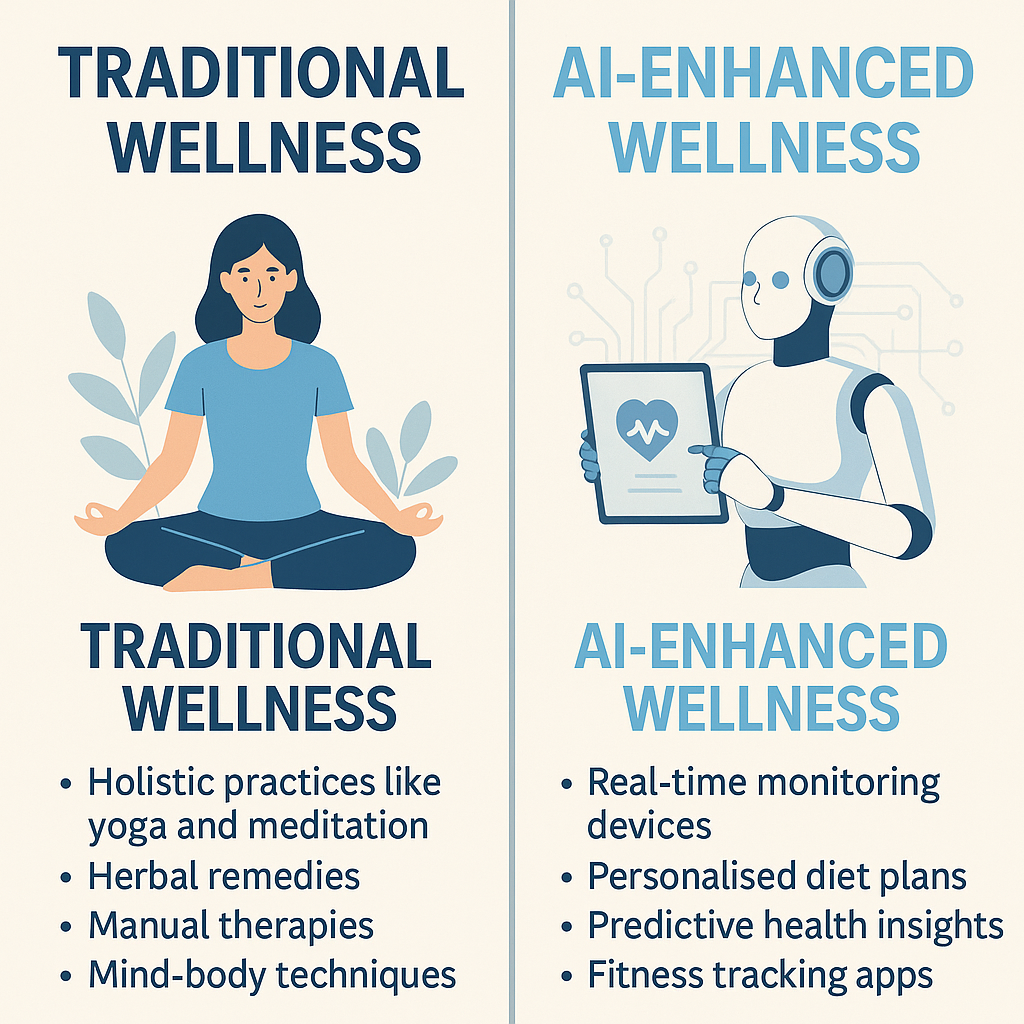
Traditional Wellness vs. AI Wellness

AI Wellness
#image_title

Why Compare Traditional and AI-Enhanced Wellness?

Wellness practices have evolved significantly over the decades. While traditional methods focus on holistic, often natural approaches, AI Wellness or AI-enhanced wellness utilises cutting-edge technology to personalise and optimise health. Comparing these methods helps us understand their benefits and challenges, guiding us towards making informed choices in our wellness journeys.


What Is Traditional Wellness?

Traditional wellness practices typically encompass holistic methods rooted in ancient cultures and practices. They include approaches like:

  • Yoga and Meditation: Enhancing mental and physical well-being through mindfulness and movement.
  • Herbal Remedies: Using natural plants and herbs to support health.
  • Acupuncture and Traditional Chinese Medicine (TCM): Balancing the body’s energy for improved wellness.
  • Manual Therapies: Including massage, chiropractic adjustments, and reflexology.
  • Mind-Body Techniques: Practices like tai chi and breathing exercises that foster relaxation.

The core philosophy of traditional wellness is balance—both within the body and between body and mind. These practices focus on natural healing, prevention, and lifestyle harmony.


What Is AI-Enhanced Wellness?

In contrast, AI-enhanced wellness harnesses technology to deliver personalised health solutions. Key aspects include:

  • Real-Time Monitoring: Wearable devices track heart rate, sleep patterns, and stress levels.
  • Personalised Diet Plans: AI analyses eating habits and provides tailored nutrition advice.
  • Fitness Tracking: Apps monitor exercise performance, suggest improvements, and set goals.
  • Predictive Health Insights: Algorithms analyse data to predict potential health issues before symptoms arise.
  • Smart Therapy Recommendations: AI-driven apps suggest mindfulness or stress management techniques based on real-time data.

The appeal of AI-enhanced wellness lies in its precision. By collecting and analysing data, AI offers insights that are specifically tailored to an individual’s lifestyle, health status, and goals.


Head-to-Head Comparison: Traditional vs. AI-Enhanced Wellness

AspectTraditional WellnessAI-Enhanced Wellness
PersonalisationCustomisation through holistic assessmentsUses real-time data for precision
AccessibilityRequires practitioners or in-person sessionsAccessible through apps and wearable devices
Data IntegrationLimited, often anecdotalComprehensive data tracking and analysis
EffectivenessProven in cultural contexts, results may varyScientifically driven, adaptable to personal metrics
Time CommitmentOften requires regular, long sessionsShort, efficient tracking with automated insights
CostCan be costly due to one-on-one sessionsVaries; many apps are affordable or subscription-based
Mental Well-beingFocus on mindfulness and holistic balanceMonitors mental health via data analysis and suggestions
Physical WellnessEmphasis on natural movement and balanceUses data-driven fitness insights for targeted improvements

Benefits of Traditional Wellness

  • Holistic Approach: Emphasises the interconnectedness of mind, body, and spirit.
  • Cultural and Historical Roots: Many practices are based on centuries of experience.
  • Accessible Without Technology: Suitable for those preferring a low-tech lifestyle.
  • Mindfulness-Centric: Encourages a slower, more reflective approach to health.

Benefits of AI-Enhanced Wellness

  • Precision and Customisation: Tailors advice to individual data.
  • Efficiency: Automates tracking and insights, saving time.
  • Advanced Monitoring: Detects subtle changes in health, allowing for proactive care.
  • Goal-Oriented: Sets measurable health targets and tracks progress.

Challenges to Consider

Traditional Wellness:

  • Lack of Data: Relying on anecdotal or experiential knowledge.
  • Inconsistency: Results can vary between individuals.
  • Limited Modern Validation: Some methods lack scientific evidence.

AI-Enhanced Wellness:

  • Data Privacy: Concerns over the safety of health data.
  • Dependency: Users may overly rely on tech for health decisions.
  • Lack of Human Touch: Some may find it impersonal compared to traditional methods.

Expert Insights

Dr. Mark Bennett, a wellness expert, notes, “Traditional methods remind us to listen to our bodies, while AI wellness adds scientific precision. A combination of both may offer the most balanced approach.”
On the other hand, tech specialist Lisa Tran suggests, “AI-enhanced wellness is practical for those with busy lives. It’s not about replacing tradition but augmenting it with data-driven insights.”


Finding the Right Balance

Both traditional and AI-enhanced wellness approaches offer unique advantages. Integrating elements from both may provide a more comprehensive approach to health. For instance, practising yoga while using a smart fitness tracker can combine mindfulness with precise physical data. Choosing methods that resonate personally ensures a sustainable and fulfilling wellness journey.


Final Thoughts

As technology continues to evolve, the intersection of traditional wellness and AI-enhanced practices will likely become more nuanced. By recognising the strengths of each, individuals can craft a wellness routine that supports their physical, mental, and emotional health. Whether you lean towards the wisdom of ancient practices or the innovation of modern tech, the goal remains the same—living a balanced, healthy life.

AI Powered Wellness

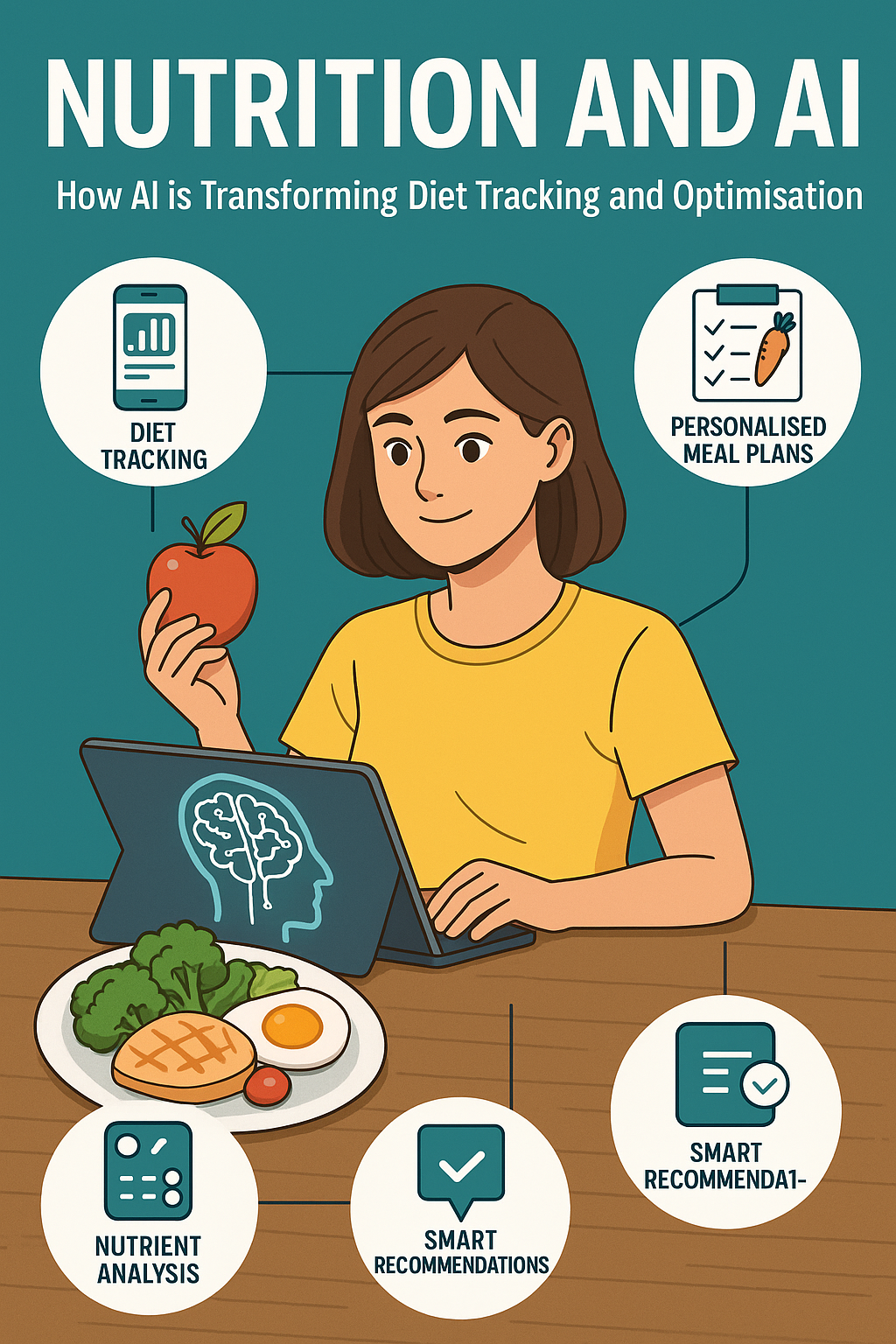
AI Nutrition Tracking Transforming Diets and Optimisation

AI Nutrition Tracking
#image_title

Why AI is Changing How We Approach Nutrition

AI Nutrition Tracking is keeping track of nutrition used to mean scribbling notes in a food diary or calculating calories by hand. Today, AI-driven apps are making it easier to monitor what we eat, analyse dietary habits, and make informed choices. By using advanced algorithms, these tools offer personalised recommendations based on real-time data, helping individuals optimise their diets without the guesswork.

How AI Nutrition Tracking Works

At the core of AI nutrition tracking are algorithms that process vast amounts of data. These systems gather information from wearable devices, health apps, and manual inputs, such as food logs. The data is then analysed to understand eating patterns, nutrient intake, and overall dietary habits. Based on this analysis, the app offers tailored meal suggestions, tracks calories, and even alerts users when they deviate from their goals.

Key Features of AI-Driven Nutrition Apps

AI-powered nutrition tools are designed to simplify diet management and promote healthier eating habits. Here are some key features:

  • Automated Calorie Counting: AI scans barcodes or recognises food items from photos to calculate calorie intake.
  • Personalised Meal Plans: Based on dietary preferences, goals, and allergies, AI creates customised meal suggestions.
  • Nutrient Analysis: Tracks macronutrients (like proteins, carbs, fats) and micronutrients (such as vitamins and minerals) to ensure balanced eating.
  • Health Integration: Syncs with fitness trackers to adjust nutritional goals based on activity levels.
  • Smart Recommendations: Learns from past eating patterns and suggests healthier alternatives.
  • Voice Assistance: Integrates with smart devices to log meals via voice commands.
  • Recipe Suggestions: AI curates recipes based on available ingredients, helping to reduce food waste.

Popular AI Nutrition Apps and Gadgets

Several apps and gadgets are leading the way in AI-powered nutrition:

  • MyFitnessPal: Uses AI to scan food labels and track calorie intake accurately.
  • Nutrino: Offers personalised meal plans using data from wearable devices.
  • Yazio: Integrates AI to analyse nutritional needs and suggest balanced meals.
  • Samsung Health: Tracks daily food intake and monitors progress through AI-driven insights.
  • FitGenie: Uses machine learning to suggest meal adjustments based on fitness goals.

How AI Enhances Personalised Dieting

One of the most significant advantages of AI in nutrition is personalisation. Rather than following generic diet plans, users receive advice tailored to their body type, metabolism, and lifestyle. For instance, AI can recommend higher protein intake for muscle gain or suggest reducing sugar for those managing diabetes. As the app learns more about the user, it refines its recommendations, becoming more accurate and relevant.

Scientific Backing: How Accurate Are AI Diet Recommendations?

Research shows that AI-driven nutrition apps can be remarkably accurate when trained on large, diverse datasets. A study published in the Journal of Medical Internet Research found that AI-powered diet tracking apps significantly improve adherence to nutritional goals compared to manual methods. By continuously updating with new data, these apps become more precise, offering dynamic adjustments rather than static meal plans.

Challenges and Considerations

Despite their advantages, AI nutrition tools have some challenges:

  • Data Privacy: Since these apps collect sensitive health data, users must be cautious about sharing information.
  • User Accuracy: The reliability of the recommendations depends on accurate data entry.
  • Algorithm Bias: Some apps may favour certain dietary practices if their training data is not diverse enough.
  • Motivation Factors: While AI can suggest, it cannot enforce healthy eating habits. Commitment from the user remains essential.

Expert Insight: Nutritionists Weigh In

Nutrition expert Dr. Alice Ford says, “AI can significantly enhance diet management, but it should complement, not replace, professional advice. Personalisation is key, and AI helps bridge the gap between generic diets and individual needs.” Meanwhile, tech developer John Roberts notes, “The future of AI nutrition lies in integrating more real-time data, allowing for quicker adjustments and greater personal relevance.”

Future Trends in AI Nutrition

Looking ahead, we can expect more sophisticated AI nutrition systems that predict dietary needs based on genetic information and real-time health metrics. Innovations may include:

  • Nutrigenomics: AI that tailors diets based on genetic markers.
  • Mood-Linked Diet Suggestions: Recommending foods that boost mood based on emotional data.
  • Real-Time Glucose Monitoring: Integrating blood sugar data to manage diabetes more efficiently.
  • Sustainable Eating Guides: Suggesting meal plans that align with environmental goals, reducing carbon footprints.

Final Thoughts for AI Nutrition Tracking

AI nutrition is not just a passing trend but a transformative approach to healthy living. As technology continues to advance, we can expect even more precise, data-driven solutions for optimising our diets. Whether you are looking to lose weight, build muscle, or simply eat healthier, AI is making nutrition tracking more intuitive and personalised than ever before.

AI-Powered Personalised Wellness

Digital Twins for Personal Health: The Future of Personalised Wellness

Digital Twins

The Rise of Digital Twins in Personal Health

In 2025, the integration of digital twin technology into personal health management is transforming the way individuals monitor and maintain their wellbeing. Originally developed for industries like aerospace and manufacturing, digital twins are now being harnessed to create virtual replicas of human bodies. These digital models collect real-time data from wearable devices, health apps, and medical records to provide a comprehensive overview of an individual’s physical and mental health. The primary goal is to predict health changes, detect issues early, and offer tailored wellness advice.

What Are Digital Twins for Personal Health?

A digital twin in healthcare is a virtual representation of a person’s physical and biological state. By continuously receiving data from health monitoring devices—such as smartwatches, fitness trackers, or even implanted sensors—the digital twin evolves alongside the individual. This continuous flow of data enables healthcare providers to make data-driven decisions, offer precise treatments, and optimise long-term wellness. Digital twins essentially act as a digital health assistant, constantly evaluating vital signs, sleep patterns, physical activity, and more.

Applications of Digital Twins in Healthcare

Digital twins are proving to be revolutionary in various areas of personal health and wellness:

  • Personalised Health Monitoring: Individuals can track their physical condition in real-time, with AI-driven insights into sleep quality, stress levels, and daily physical activity.
  • Predictive Health Models: By analysing patterns, digital twins can predict potential health issues before they manifest, allowing for preventive measures.
  • Chronic Disease Management: For conditions like diabetes or hypertension, digital twins monitor critical metrics and send alerts when readings fall outside safe ranges.
  • Rehabilitation and Recovery: Patients recovering from surgery can use digital twins to track healing progress, guided by data from wearables that monitor movement and vital signs.
  • Mental Health Support: Mood tracking and stress analysis are incorporated into digital twins, helping to identify triggers and recommend relaxation techniques.

How Digital Twins Enhance Personalised Wellness

Unlike generic health advice, digital twins provide recommendations tailored to an individual’s unique biology and lifestyle. For instance, if someone’s digital twin detects irregular sleep patterns, it might suggest adjustments in routine, dietary changes, or sleep-enhancing exercises. Furthermore, the technology can integrate dietary preferences, fitness goals, and mental well-being metrics, creating a holistic health profile that adapts over time.

Data Privacy and Ethical Considerations

With the vast amount of personal data involved, privacy remains a significant concern. Digital twin platforms are designed with robust security measures, including encryption and secure data sharing. However, users must be vigilant about who has access to their health data. Many platforms are working towards offering users full control over their information, ensuring that data is only accessible to authorised healthcare providers.

Real-World Examples and Innovations

Several tech companies are pioneering this solution for personal health. For example, Philips has introduced a digital twin prototype that tracks cardiovascular health by analysing heart rate variability and blood pressure data from wearable devices. Similarly, Fitbit’s new wellness platform uses twins to predict stress levels based on activity and sleep data.

Why Digital Twins Are a Game-Changer

The potential of twins in personal health lies in their ability to offer real-time insights that evolve as the user’s health changes. Instead of reactive healthcare, which addresses problems after they occur, digital twins promote proactive and preventive care. As wearable technology and AI advance, twins will become more precise and accessible, revolutionising how we approach wellness.

Future Implications for Personal Health Management

As digital twin technology becomes mainstream, healthcare will increasingly focus on predictive and personalised care. Integrating data from multiple sources—including genetic profiles and environmental factors—will make twins even more accurate. Individuals will benefit from more informed healthcare decisions, leading to a longer, healthier life. Brands that invest in digital twin technology now will lead the future of personalised wellness, offering innovative solutions that align with the modern demand for health optimisation.

white pages hull